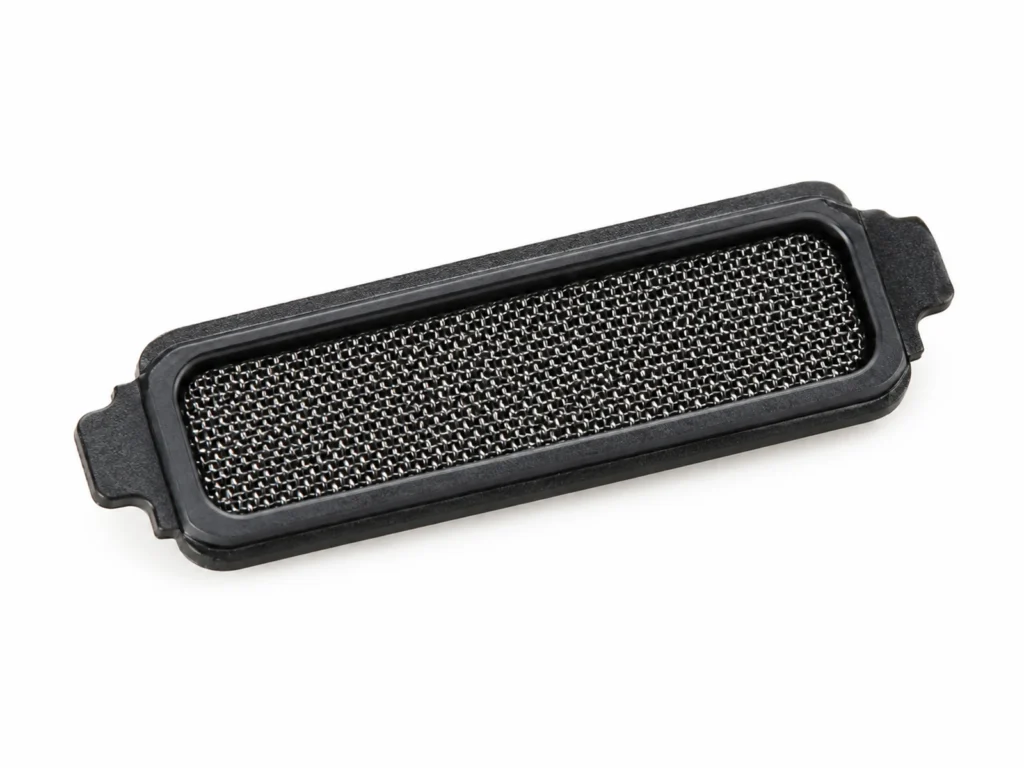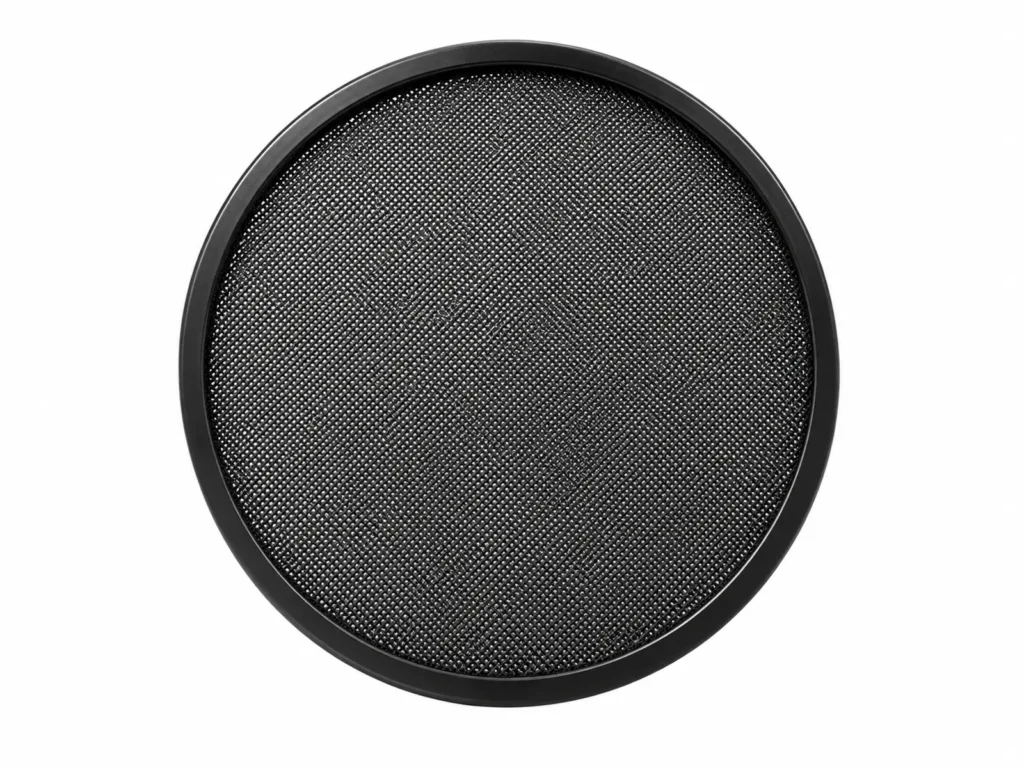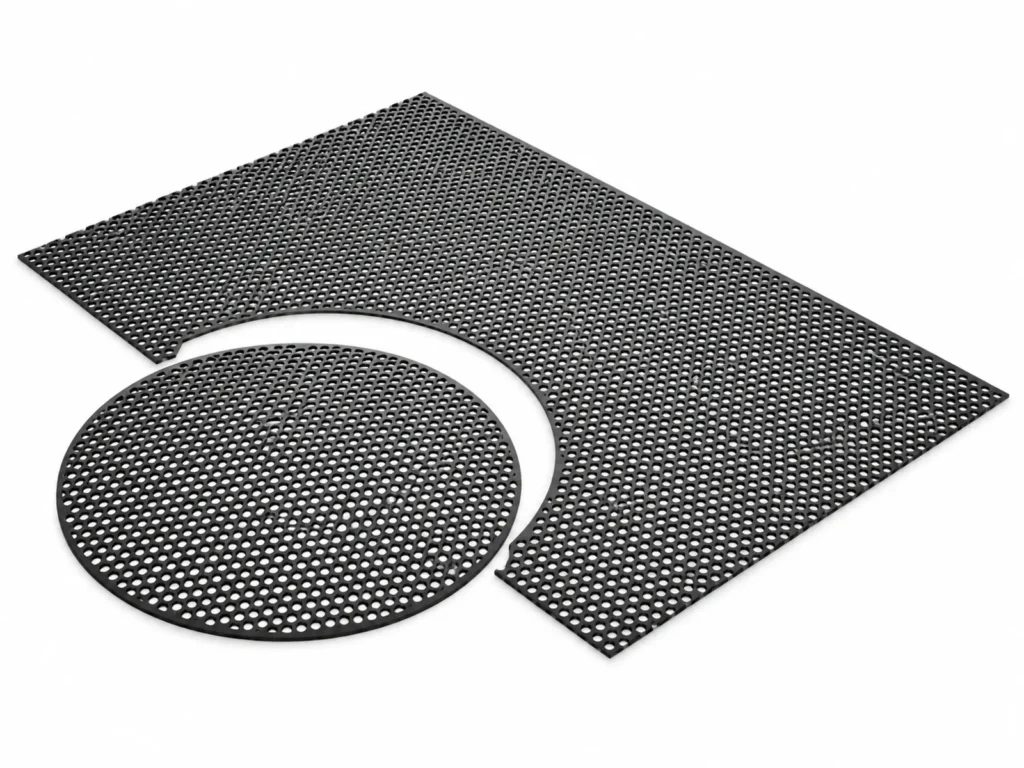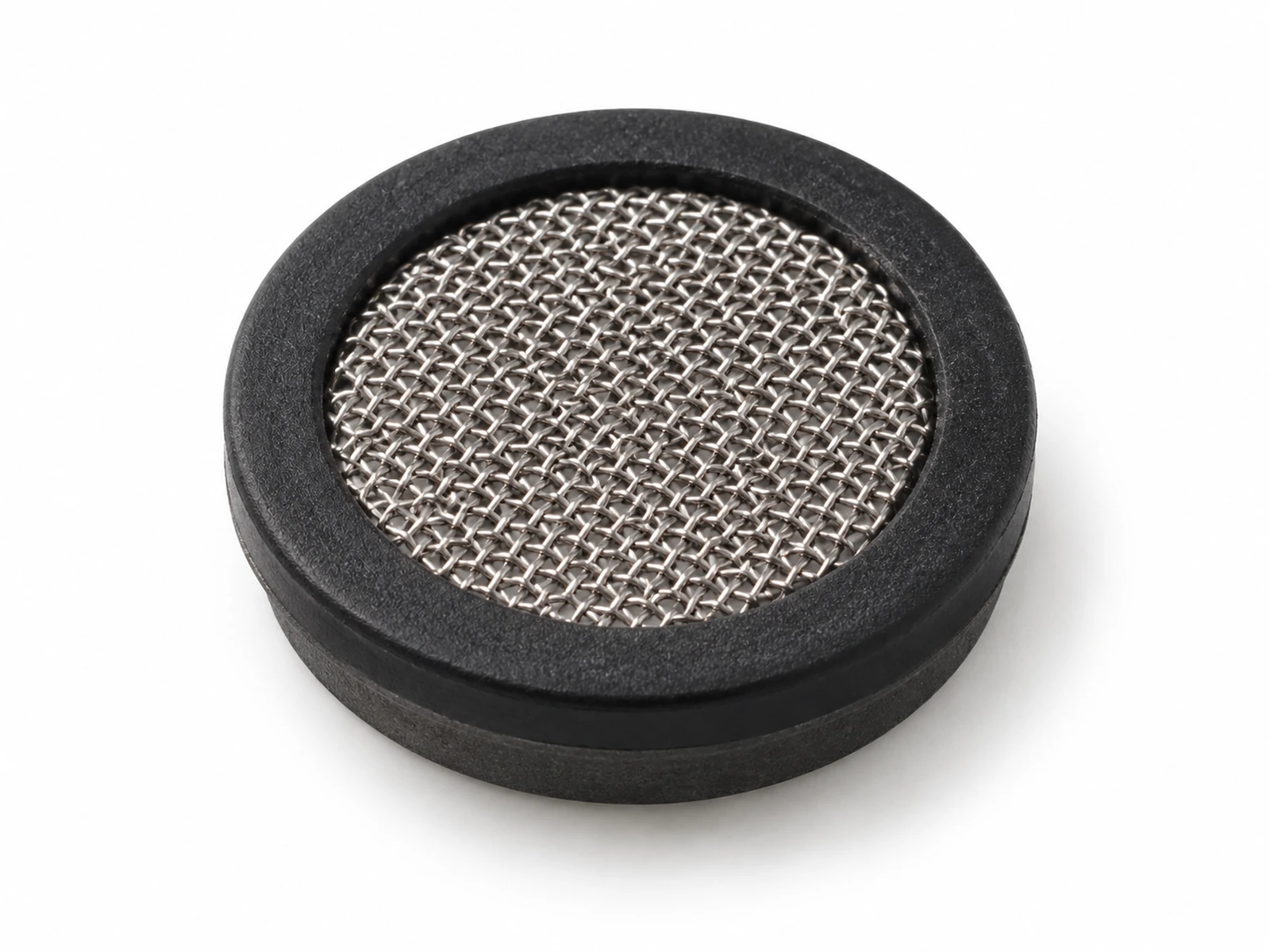
MEMS Microphone Dust Mesh is selected when an assembly or process calls for shielding the acoustic port of MEMS microphones from dust, lint and splashes with a tiny die-cut mesh whose acoustic resistance is matched to the microphone. This application guide to the IEC 60529 IP67 / IP68 designs type covers concrete end-uses, the specification checklist, correct installation, and where an alternative mesh or filter medium performs better.
Typical Applications for MEMS Microphone Dust Mesh
Where MEMS Microphone Dust Mesh is specified and bought:
- Smartphone & tablet OEMs: primary, secondary and noise-cancelling mic ports on the frame and bottom edge.
- Smart speakers & conference bars: six- and eight-mic far-field arrays where every port must match acoustically.
- Hearing aids & hearables: mic inlets that face skin oils, sweat and earwax every day.
- Automotive cabins: overhead-console hands-free microphones exposed to dust and HVAC airflow.
How to Specify MEMS Microphone Dust Mesh for Your Application
- Port geometry: Specify the port as round (Ø2–4 mm) or oval, and the adhesive ring inner diameter so glue never overlaps the open mesh.
- Acoustic resistance: Higher MKS Rayl gives better ingress protection but costs sensitivity and SNR; specify a target with a tolerance band (typically ±15 %).
- Array matching: For beam-forming arrays order all meshes from one etching lot so resistance does not vary port to port.
- Standard: Quote IEC 60529 IP67 / IP68 designs and the size designation from the table on the product page, plus any value you changed in the technical drawing.
Handling & Installation Practice
- Place the mesh centered on the port with an automated pick-and-place or a vision-guided fixture; manual placement drifts by more than the adhesive land.
- Cure the pressure-sensitive adhesive under the specified pressure and dwell time before the housing is closed.
Common Selection Mistakes with MEMS Microphone Dust Mesh
- Mixing mesh lots across a mic array, so beam-forming and echo cancellation lose accuracy.
- Treating a mesh as a wind screen — it does not reduce wind noise; foam or a labyrinth path is needed for that.
Where MEMS Microphone Dust Mesh Is Not the Right Choice
Not a waterproof barrier by itself; IPX7/IPX8 microphones combine the metal mesh with a hydrophobic ePTFE membrane.