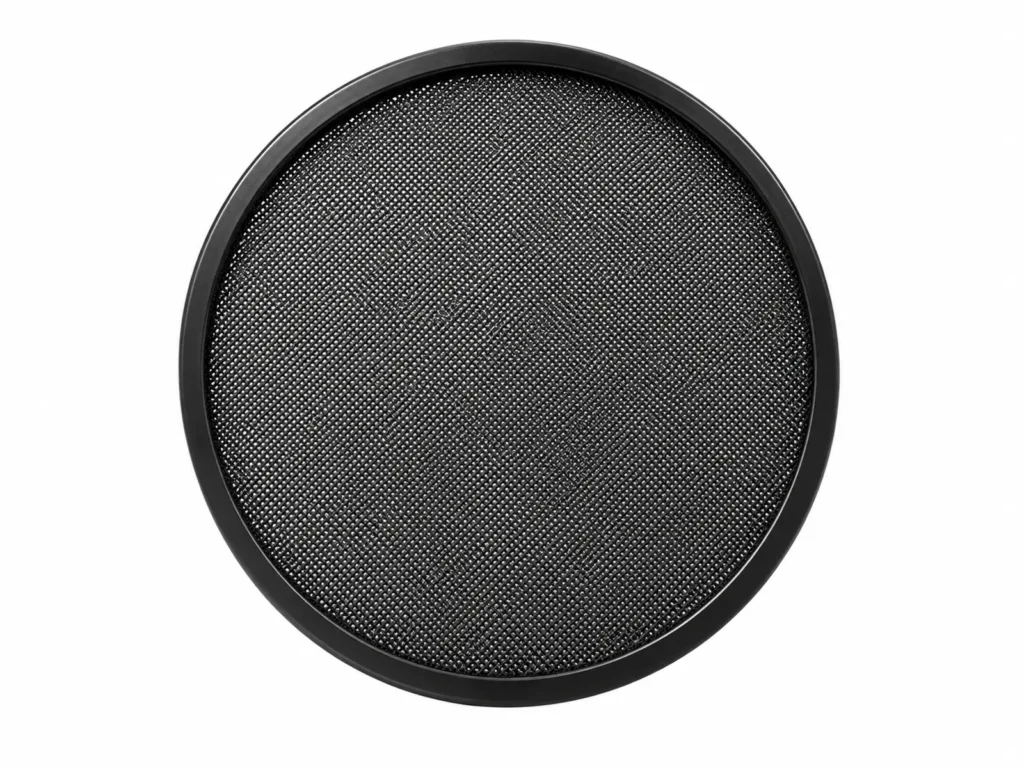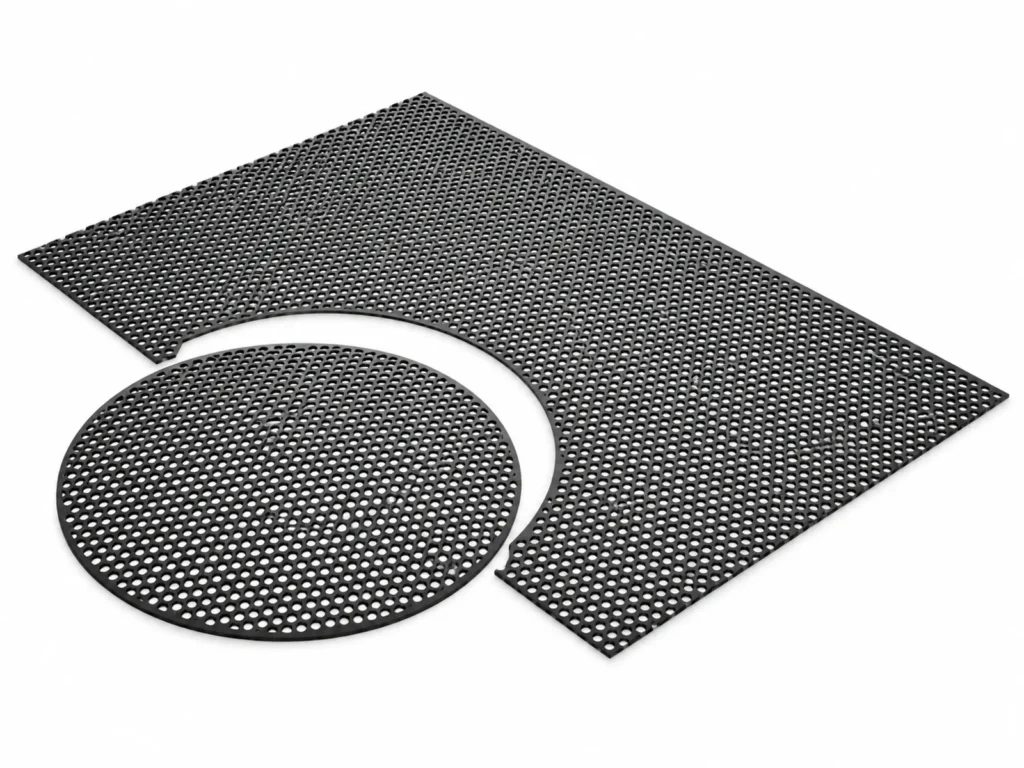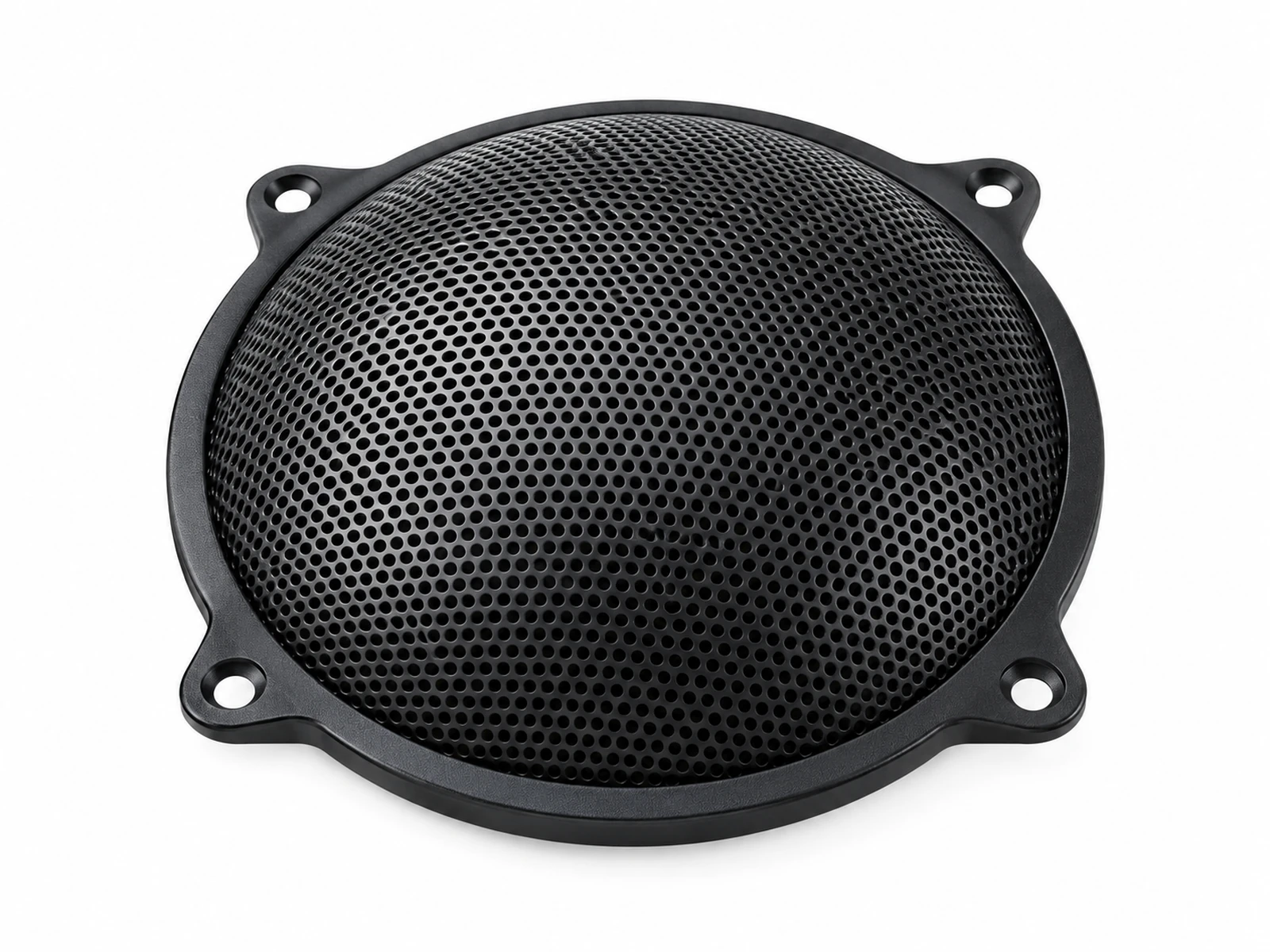
Bluetooth & Home Speaker Grille is selected when an assembly or process calls for protecting the drivers of Bluetooth, bookshelf and home-theater speakers with a domed perforated metal grille that clears the cone at full excursion. This application guide to the DIN 24041 pattern type covers concrete end-uses, the specification checklist, correct installation, and where an alternative mesh or filter medium performs better.
Typical Applications for Bluetooth & Home Speaker Grille
Where Bluetooth & Home Speaker Grille is specified and bought:
- Portable speaker brands: front grilles on rugged Bluetooth speakers.
- Hi-fi & home theater: removable driver guards on bookshelf and in-wall speakers.
- Pro audio: woofer guards for PA cabinets and studio subwoofers.
- DIY & repair: universal grilles sized by driver diameter.
How to Specify Bluetooth & Home Speaker Grille for Your Application
- Driver size: Order by driver size (2–8 in) and the cut-out diameter.
- Dome height: Must exceed the cone's maximum forward excursion plus a safety gap.
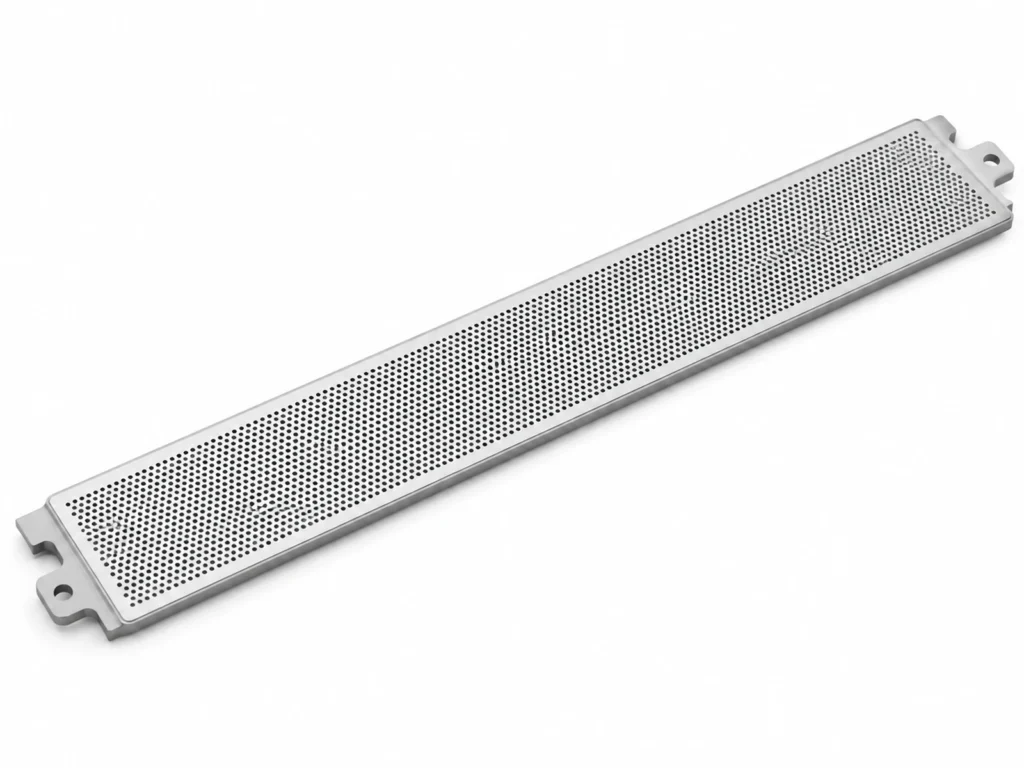
- Fixing: Clip-in for flush designs; screw ears for removable guards.
- Standard: Quote DIN 24041 pattern and the size designation from the table on the product page, plus any value you changed in the technical drawing.
Handling & Installation Practice
- Play a low-frequency sweep at maximum volume and confirm the cone never touches the grille.
- Use rubber washers or foam behind the grille to stop buzz.
Common Selection Mistakes with Bluetooth & Home Speaker Grille
- A flat grille on a long-throw woofer, which the cone strikes on bass peaks.
- Hole diameter too small relative to the panel, causing whistle at high output.
Where Bluetooth & Home Speaker Grille Is Not the Right Choice
Not weather-proof without a powder-coated or stainless finish for outdoor speakers.