Skip to content

Acoustic & Electronics Mesh · UL 2580 / IEC 62133 designs · Application guide

What Is Battery Pack Pressure Vent Mesh Used For?

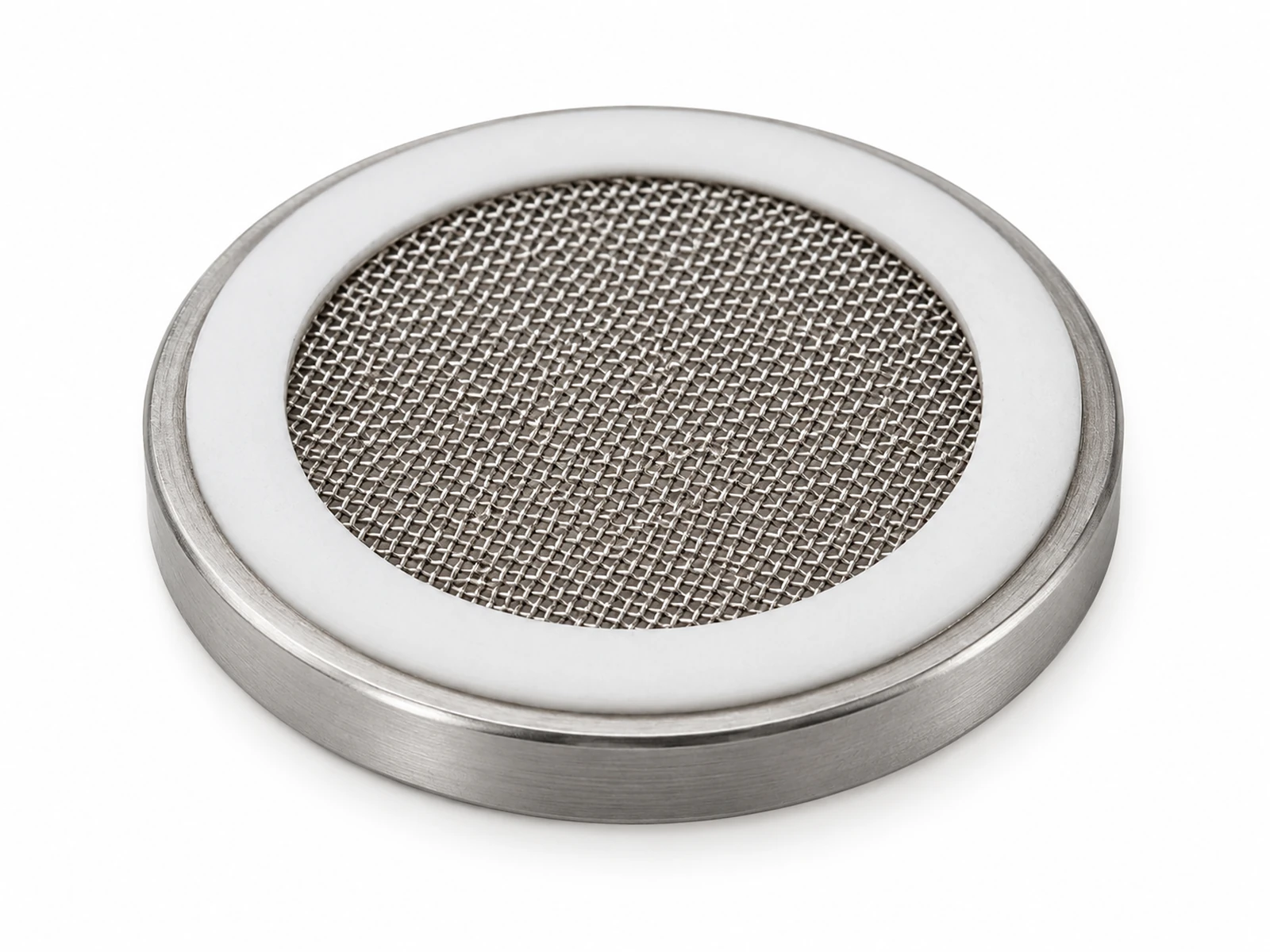
A round stainless steel micro-mesh pressure vent patch with white adhesive ring

Battery Pack Pressure Vent Mesh is selected when an assembly or process calls for equalizing internal pressure in sealed battery enclosures and acting as a flame and spark screen at the vent if a cell goes into thermal runaway. This application guide to the UL 2580 / IEC 62133 designs type covers concrete end-uses, the specification checklist, correct installation, and where an alternative mesh or filter medium performs better.

Typical Applications for Battery Pack Pressure Vent Mesh

Where Battery Pack Pressure Vent Mesh is specified and bought:

  • Electric vehicles: pack vent covers together with membrane vents.
  • E-bikes & e-scooters: battery box vents exposed to rain and road spray.
  • Power tools & garden equipment: pack vents.
  • Energy storage systems: cabinet and module vents.

How to Specify Battery Pack Pressure Vent Mesh for Your Application

  • Hole size: 0.10–0.20 mm etched holes quench sparks while venting gas.
  • Membrane stack: Pair the mesh with an ePTFE membrane for IP67 and pressure equalization.
  • Adhesive: High-temperature acrylic or silicone adhesive that stays bonded during venting.
  • Standard: Quote UL 2580 / IEC 62133 designs and the size designation from the table on the product page, plus any value you changed in the technical drawing.

Handling & Installation Practice

  • Apply to a clean, primed surface and press evenly across the full adhesive ring.
  • Keep the vent clear of foam or harness parts inside the pack.

Common Selection Mistakes with Battery Pack Pressure Vent Mesh

  • Using a low-temperature adhesive that lets go during a thermal event.
  • Omitting the metal screen, leaving the membrane alone to face flame.

Where Battery Pack Pressure Vent Mesh Is Not the Right Choice

Not a burst or relief valve; large packs still need a dedicated emergency degassing valve.
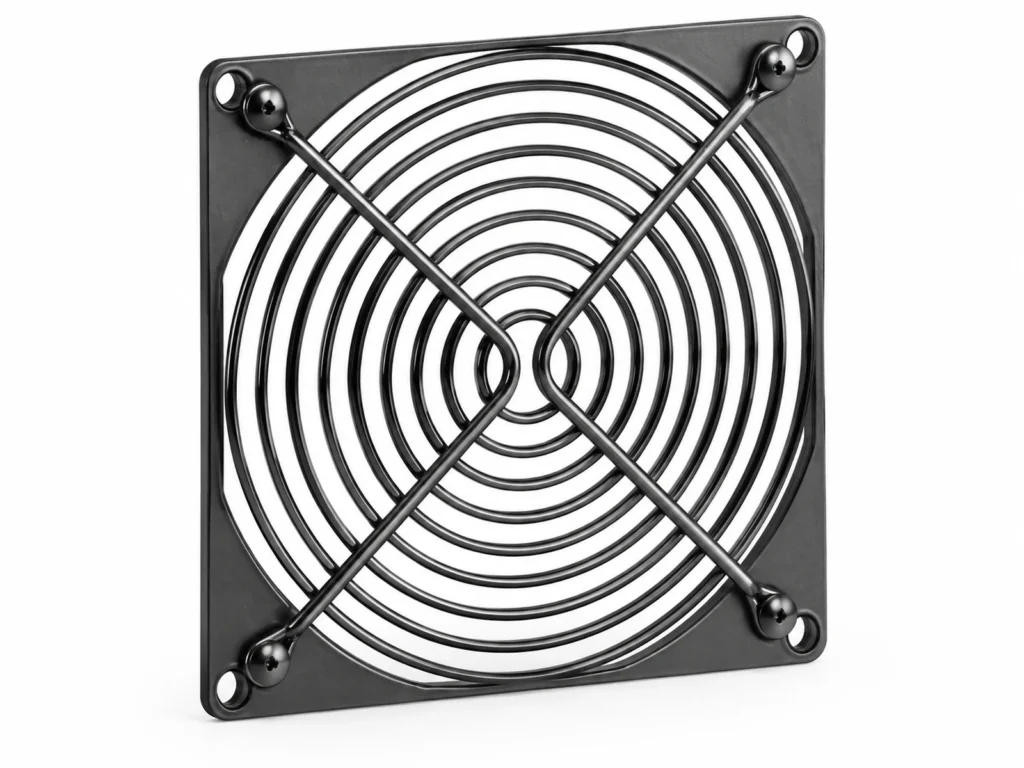
If This Construction Is Not the Right Fit

Closely related mesh types for the same duty — compare open area, aperture range and cleanability before you commit.

Technical Drawing

Customize the parameters below — every spec field is editable, and the drawing redraws to match the values you choose. Changing the size will snap the other fields to that size's standard values; you can then override any individual value.

Sends the selected values to the quote form below.

Request a Quote

Set the size and options in the drawing above, then send the exact configuration straight to this form.

Request a Quotation

Specification
Business Information

Dimensions & Specifications (UL 2580 / IEC 62133 designs)

PartLength (mm)Width (mm)Thickness (mm)Hole diameter (mm)Open area (%)Function
Vent u00d88880.100.1030Pressure equalizing
Vent u00d81212120.150.1530Pressure equalizing
Rect 20 u00d7 62060.200.2032Thermal-event flame screen

Frequently Asked Questions

What is Battery Pack Pressure Vent Mesh used for?

Equalizing internal pressure in sealed battery enclosures and acting as a flame and spark screen at the vent if a cell goes into thermal runaway.

Why do battery packs need vents?

Temperature and altitude changes create pressure differences that stress seals; vents equalize it.

What does the metal mesh add to a battery vent?

It acts as a spark and flame screen and protects the membrane mechanically.

Is a mesh vent waterproof?

Only when combined with a hydrophobic membrane.

Can I get a quote for Battery Pack Pressure Vent Mesh to my own drawing?

Yes. Set the size and any custom value in the technical drawing on the product page and send it with the quote form; we reply within one business day.