Skip to content

Acoustic & Electronics Mesh · MIL-DTL-83528 / IEEE 299 · Application guide

What Is EMI / RFI Shielding Mesh Used For?

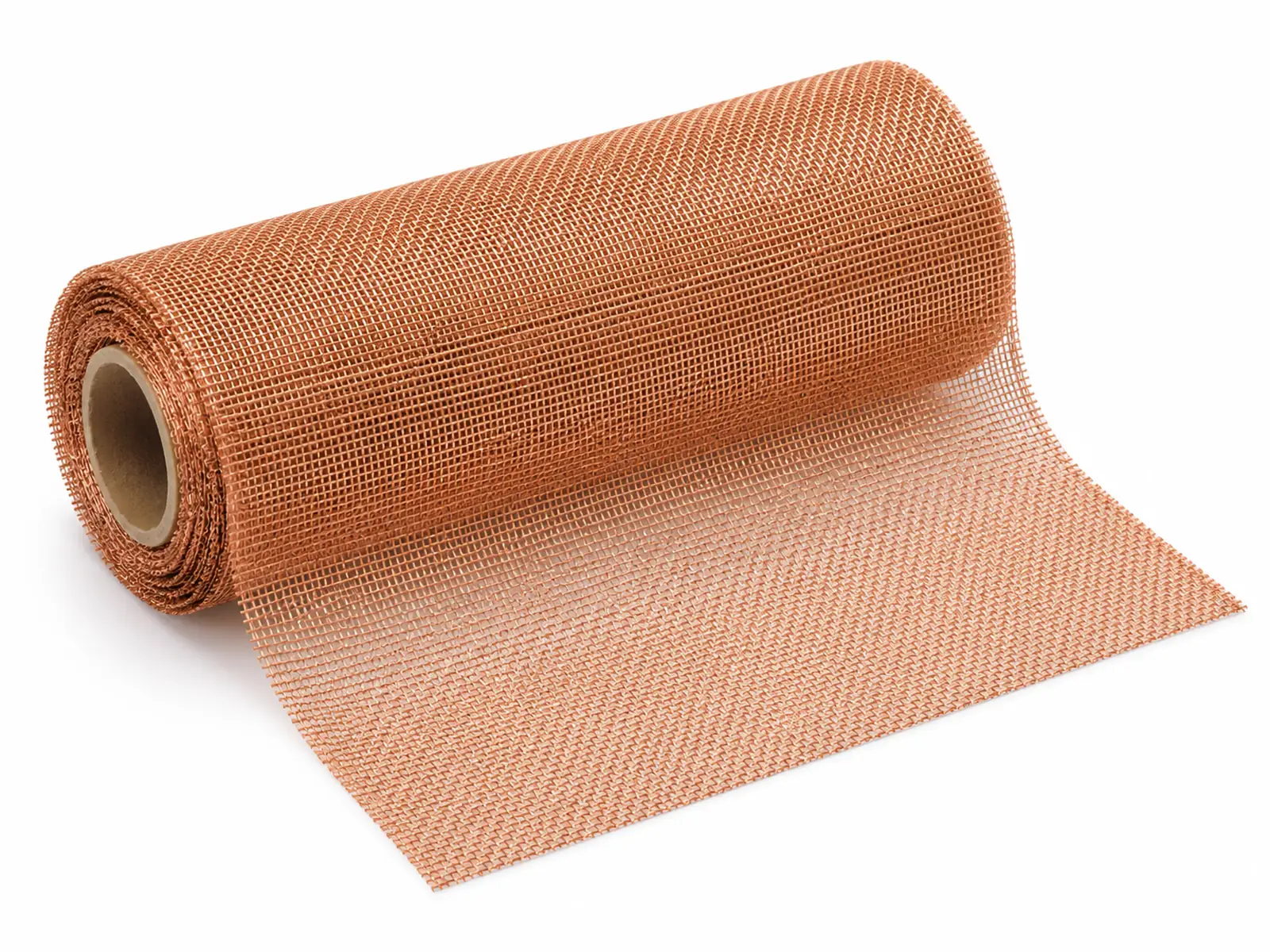
A roll of fine copper woven EMI shielding mesh partially unrolled on an electronics bench

Application guide for EMI / RFI Shielding Mesh to MIL-DTL-83528 / IEEE 299. The core duty of the type is attenuating electromagnetic and radio-frequency interference through vents, windows and enclosures while still passing air and light. The typical industries, the how-to-specify checklist, handling practice and the exclusion cases are set out below.

Typical Applications for EMI / RFI Shielding Mesh

Where EMI / RFI Shielding Mesh is specified and bought:

  • Electronics enclosures: ventilation panels and display windows in shielded cabinets.
  • EMC test chambers & Faraday cages: wall, door and window shielding.
  • Medical imaging rooms: MRI and RF-shielded room viewing windows.
  • Defense & aerospace: shielded avionics and radar enclosures to MIL specifications.

How to Specify EMI / RFI Shielding Mesh for Your Application

  • Frequency range: Finer mesh and thicker wire raise attenuation at higher frequencies; state the band to be shielded.
  • Conductivity & corrosion: Copper and phosphor bronze conduct best; Monel 400 and stainless resist corrosion in marine or outdoor use.
  • Bonding: Specify a continuous, low-resistance perimeter bond — the mesh only works when grounded all round.
  • Standard: Quote MIL-DTL-83528 / IEEE 299 and the size designation from the table on the product page, plus any value you changed in the technical drawing.

Handling & Installation Practice

  • Clamp the mesh edges under a conductive gasket or solder them continuously to the frame.
  • Keep paint and anodizing off contact faces; mask them before finishing.

Common Selection Mistakes with EMI / RFI Shielding Mesh

  • Leaving gaps or spot fixings along the edge, which act as slot antennas and leak RF.
  • Pairing copper mesh with an aluminum frame without plating, which corrodes galvanically.

Where EMI / RFI Shielding Mesh Is Not the Right Choice

Not a fire, thermal or ballistic barrier — combine with other materials where those properties are needed.
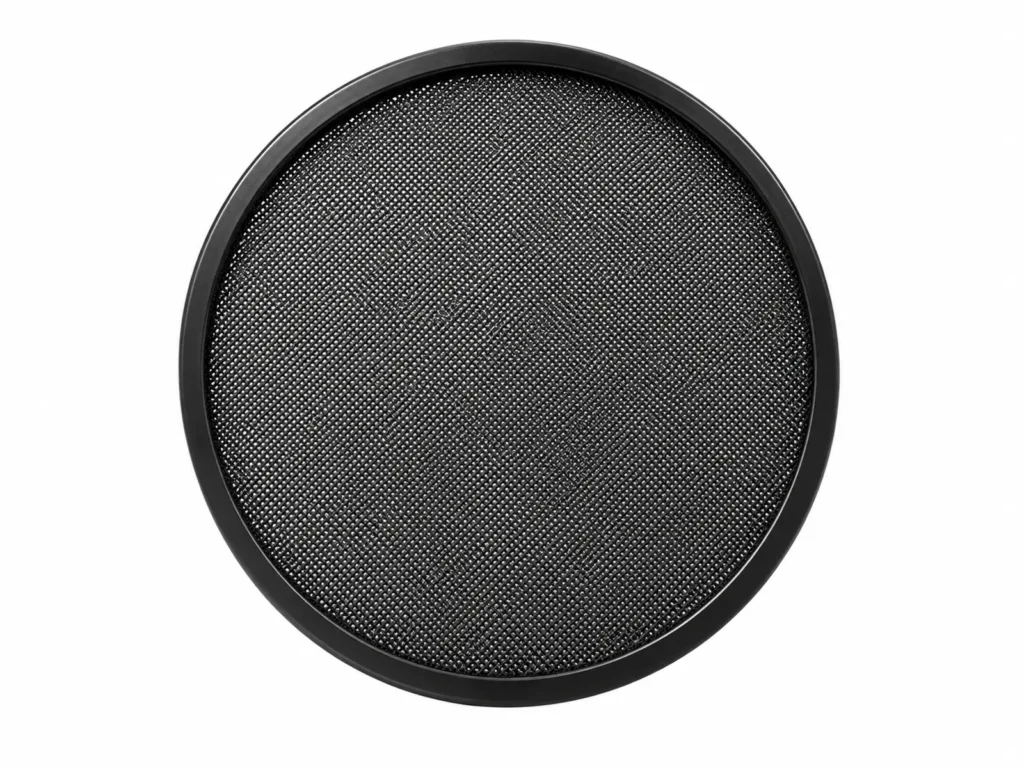
If This Construction Is Not the Right Fit

Closely related mesh types for the same duty — compare open area, aperture range and cleanability before you commit.

Technical Drawing

Customize the parameters below — every spec field is editable, and the drawing redraws to match the values you choose. Changing the size will snap the other fields to that size's standard values; you can then override any individual value.

Sends the selected values to the quote form below.

Request a Quote

Set the size and options in the drawing above, then send the exact configuration straight to this form.

Request a Quotation

Specification
Business Information

Dimensions & Specifications (MIL-DTL-83528 / IEEE 299)

Mesh countWire diameter (mm)Aperture (mm)Open area (%)MaterialShielding @ 1 GHz (dB)
22-Mesh0.1151.04081Copper50
60-Mesh0.1100.31355Copper65
100-Mesh0.1100.14432Phosphor bronze75
100-Mesh Monel0.1100.14432Monel 40075
145-Mesh0.0560.11946SS30470

Frequently Asked Questions

What is EMI / RFI Shielding Mesh used for?

Attenuating electromagnetic and radio-frequency interference through vents, windows and enclosures while still passing air and light.

Which mesh is best for EMI shielding?

Copper or phosphor bronze in 60–100 mesh is common; Monel or stainless are chosen where corrosion is a concern.

How much shielding does woven mesh give?

Typically 50–75 dB around 1 GHz, depending on mesh count, wire and the quality of the edge bond.

Why must shielding mesh be grounded?

Currents induced in the mesh must flow to ground; an ungrounded mesh re-radiates instead of shielding.

Can I get a quote for EMI / RFI Shielding Mesh to my own drawing?

Yes. Set the size and any custom value in the technical drawing on the product page and send it with the quote form; we reply within one business day.