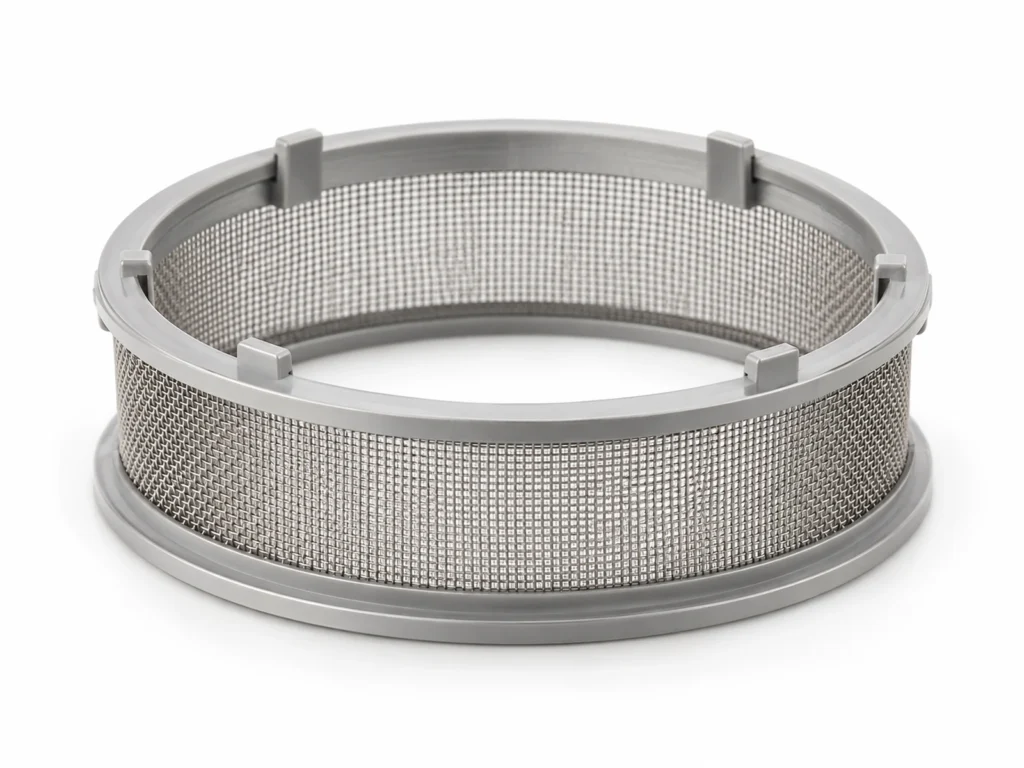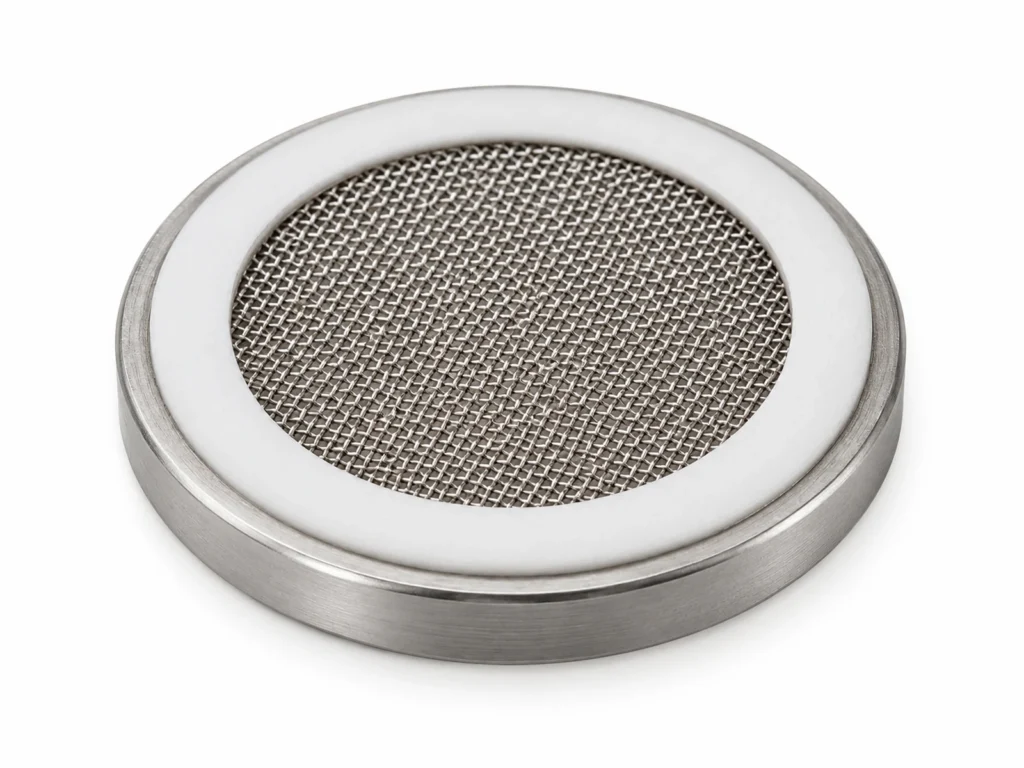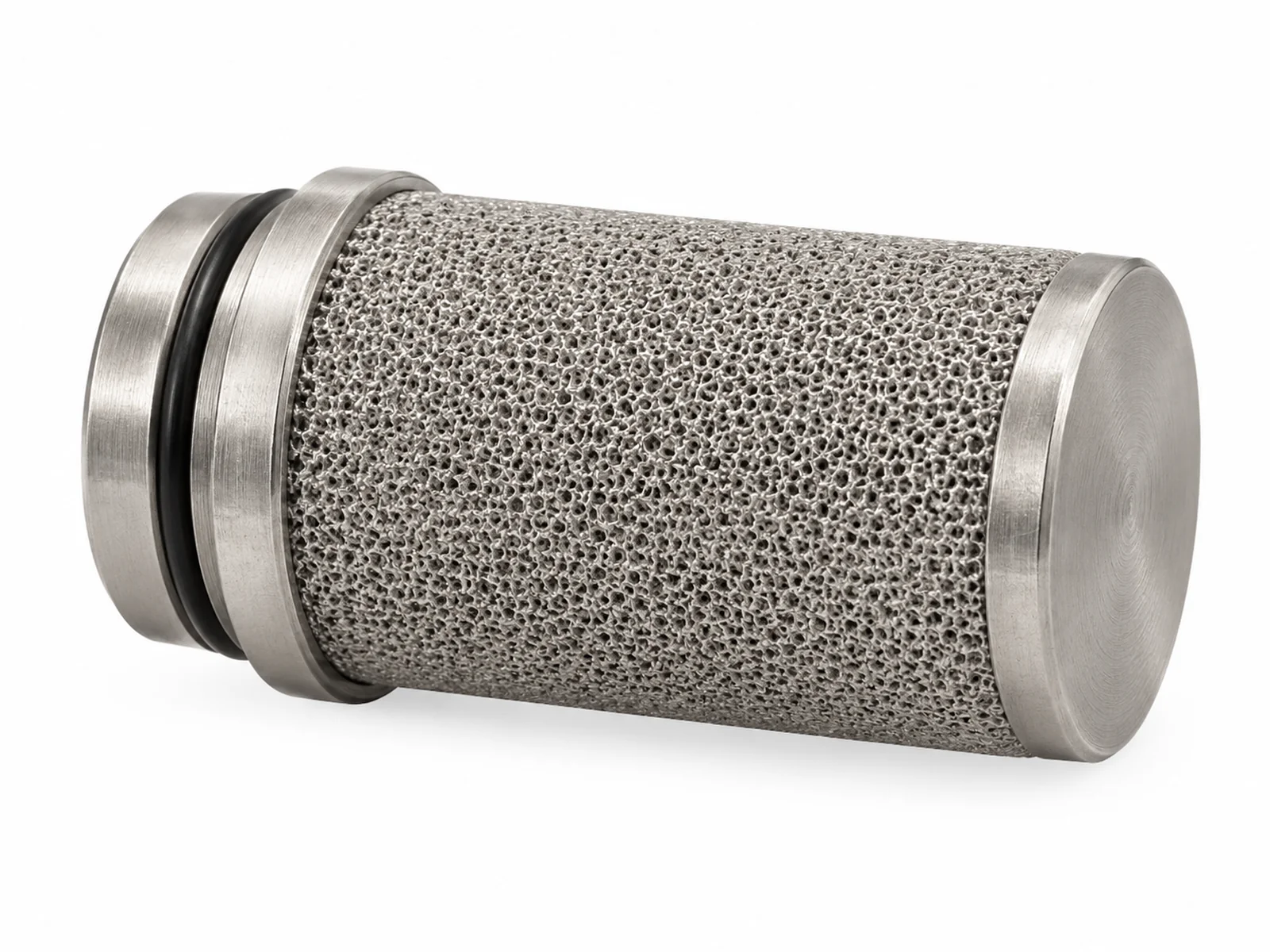
Gas Sensor Sintered Flame-Arrestor Cap is used primarily for letting target gas diffuse to a catalytic or infrared sensor while the sintered metal cap stops a flame inside the sensor head from reaching the outside atmosphere. This page lists the industries and assemblies where it is specified, the selection criteria that matter for each application, handling and installation practice, and the cases where a different mesh, screen or filter type is the correct choice. It is supplied to IEC 60079-1 (Ex d) designs.
Typical Applications for Gas Sensor Sintered Flame-Arrestor Cap
Where Gas Sensor Sintered Flame-Arrestor Cap is specified and bought:
- Fixed gas detector OEMs: flameproof (Ex d) sensor heads for refineries and chemical plants.
- Mining: methane sensor heads for underground monitoring.
- Portable & personal monitors: compact sensor inlet caps.
- Boiler rooms & commercial kitchens: combustible gas detectors.
How to Specify Gas Sensor Sintered Flame-Arrestor Cap for Your Application
- Porosity: Finer porosity (10–20 µm) gives better flame quenching but slower gas diffusion; the sensor maker specifies the window.
- Material: SS316L sintered powder or multi-layer mesh, resistant to H2S and humidity.
- Certification: The cap is part of the certified flameproof assembly — substitutes must be identical.
- Standard: Quote IEC 60079-1 (Ex d) designs and the size designation from the table on the product page, plus any value you changed in the technical drawing.
Handling & Installation Practice
- Protect the cap from paint, oil mist and water spray with the sensor's weather guard.
- Bump-test after cleaning or any physical impact.
Common Selection Mistakes with Gas Sensor Sintered Flame-Arrestor Cap
- Fitting a non-certified cap, which voids the Ex certification.
- Letting dust or oil foul the cap, which slows response and under-reads concentration.
Where Gas Sensor Sintered Flame-Arrestor Cap Is Not the Right Choice
Not a liquid filter or a dust filter for heavy particulate — use a separate pre-filter.