Skip to content

Acoustic & Electronics Mesh · IEEE 299 / MIL-STD-188-125 · Application guide

What Is Faraday Cage Shielding Mesh Used For?

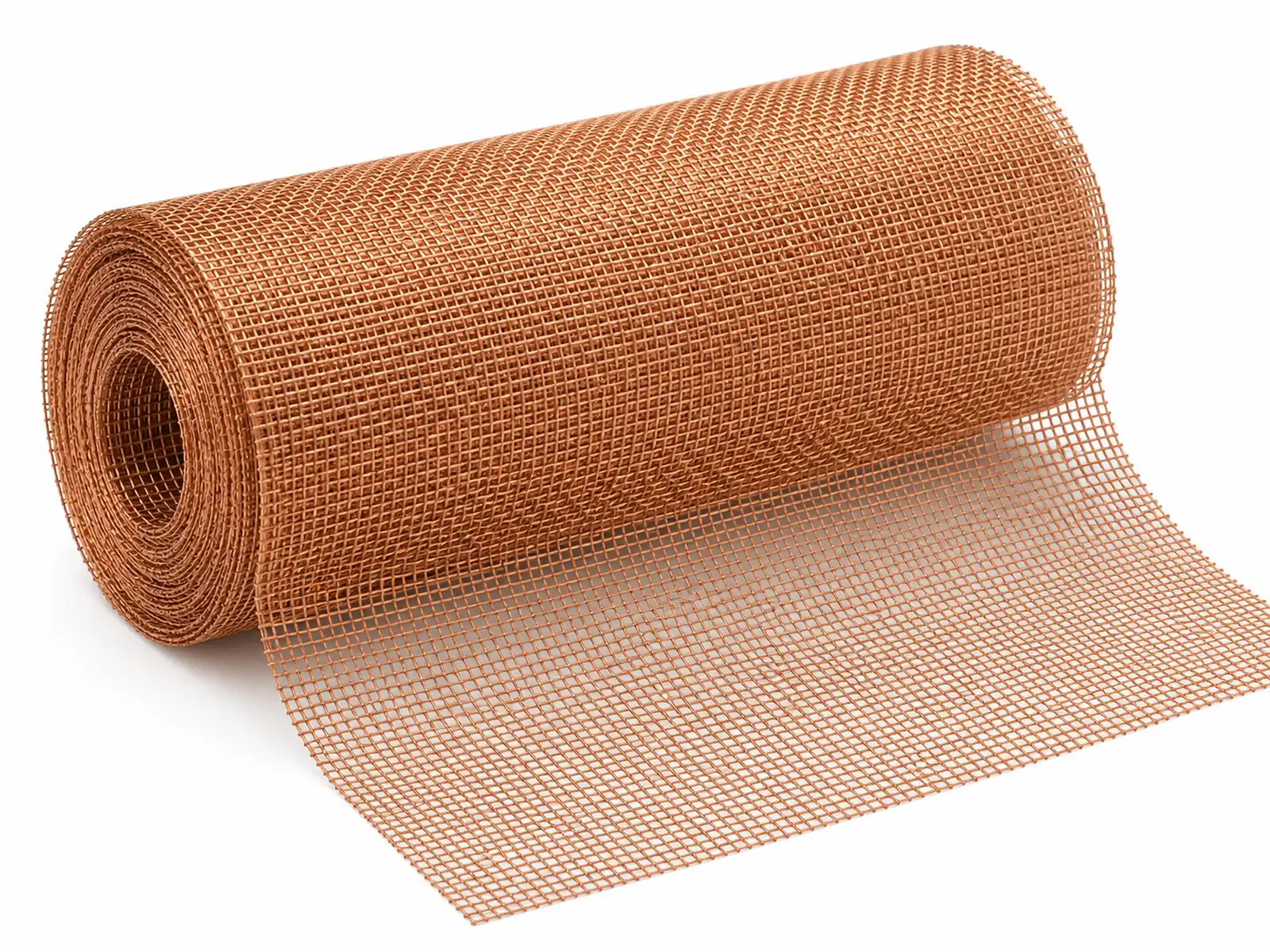
A small Faraday cage enclosure built from copper woven mesh panels with soldered seams, electronic devices inside

Application guide for Faraday Cage Shielding Mesh to IEEE 299 / MIL-STD-188-125. The core duty of the type is building Faraday cages, RF-shielded rooms and EMP-protected enclosures from conductive woven metal mesh that blocks external radio-frequency fields while staying light, ventilated and see-through. The typical industries, the how-to-specify checklist, handling practice and the exclusion cases are set out below.

Typical Applications for Faraday Cage Shielding Mesh

Where Faraday Cage Shielding Mesh is specified and bought:

  • EMC test labs: shielded rooms, test cages and anechoic chamber linings.
  • Data security: shielded server rooms, SCIFs and secure meeting rooms.
  • EMP & prepper protection: Faraday boxes and cabinets for spare electronics and radios.
  • Research & medical: RF-quiet enclosures for sensitive measurements and EEG rooms.

How to Specify Faraday Cage Shielding Mesh for Your Application

  • Mesh count & material: Copper 16–60 mesh gives the best attenuation per weight; galvanized steel mesh is cheaper and also shields magnetic fields at low frequency.
  • Opening vs frequency: Holes must be much smaller than the wavelength — finer mesh for higher frequencies (Wi-Fi, 5G).
  • Seams & grounding: Overlap seams by at least 50 mm, bond them continuously and ground the cage at a single point.
  • Standard: Quote IEEE 299 / MIL-STD-188-125 and the size designation from the table on the product page, plus any value you changed in the technical drawing.

Handling & Installation Practice

  • Solder or clamp every seam continuously; spot fixings leave slot-shaped leaks.
  • Seal doors and lids with conductive finger stock or gasket, and filter any cable that enters.

Common Selection Mistakes with Faraday Cage Shielding Mesh

  • Unbonded seams or doors, which leak far more RF than the mesh itself.
  • Running unfiltered power or data cables through the cage wall, which carries RF straight in.

Where Faraday Cage Shielding Mesh Is Not the Right Choice

Not a lightning-protection system, and a mesh cage alone does not stop very low-frequency magnetic fields — those need solid steel or mu-metal shielding.
If This Construction Is Not the Right Fit

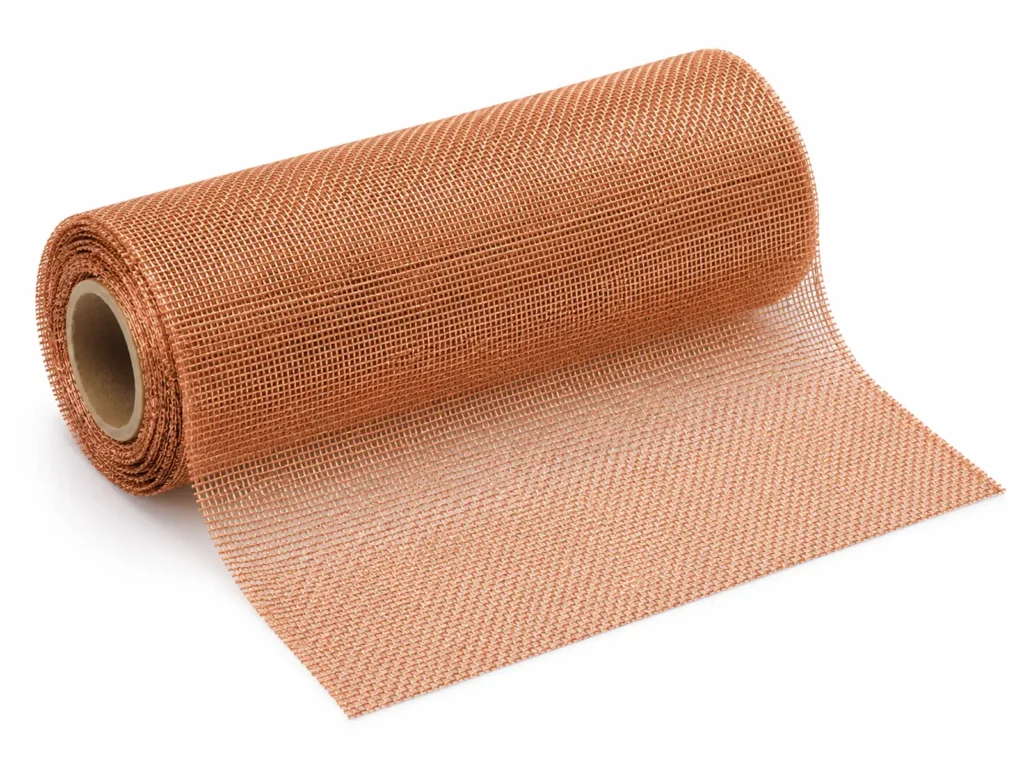
Closely related mesh types for the same duty — compare open area, aperture range and cleanability before you commit.

Technical Drawing

Customize the parameters below — every spec field is editable, and the drawing redraws to match the values you choose. Changing the size will snap the other fields to that size's standard values; you can then override any individual value.

Sends the selected values to the quote form below.

Request a Quote

Set the size and options in the drawing above, then send the exact configuration straight to this form.

Request a Quotation

Specification
Business Information

Dimensions & Specifications (IEEE 299 / MIL-STD-188-125)

Mesh countWire diameter (mm)Aperture (mm)Open area (%)MaterialRoll width (mm)
16-Mesh0.2801.30867Copper1000
22-Mesh0.1151.04081Copper1000
30-Mesh0.2500.59750Galvanized steel1220
40-Mesh0.1800.45551Copper1000
60-Mesh0.1100.31355Tinned copper1000

Frequently Asked Questions

What is Faraday Cage Shielding Mesh used for?

Building Faraday cages, RF-shielded rooms and EMP-protected enclosures from conductive woven metal mesh that blocks external radio-frequency fields while staying light, ventilated and see-through.

What is the best metal mesh for a Faraday cage?

Copper woven mesh around 16–60 mesh; galvanized steel mesh is a cheaper alternative.

Does the mesh hole size matter for a Faraday cage?

Yes — openings must be much smaller than the wavelength being blocked, so higher frequencies need finer mesh.

Copper or galvanized Faraday cage mesh?

Copper shields better and is easier to solder; galvanized steel is stronger and cheaper.

Can I get a quote for Faraday Cage Shielding Mesh to my own drawing?

Yes. Set the size and any custom value in the technical drawing on the product page and send it with the quote form; we reply within one business day.