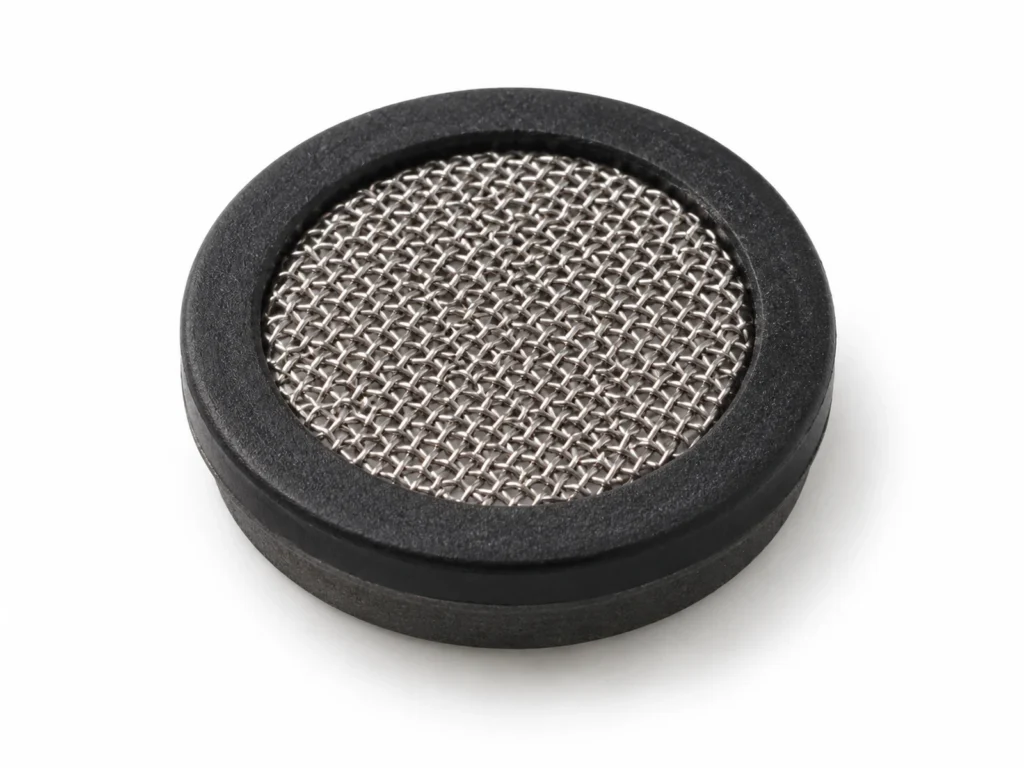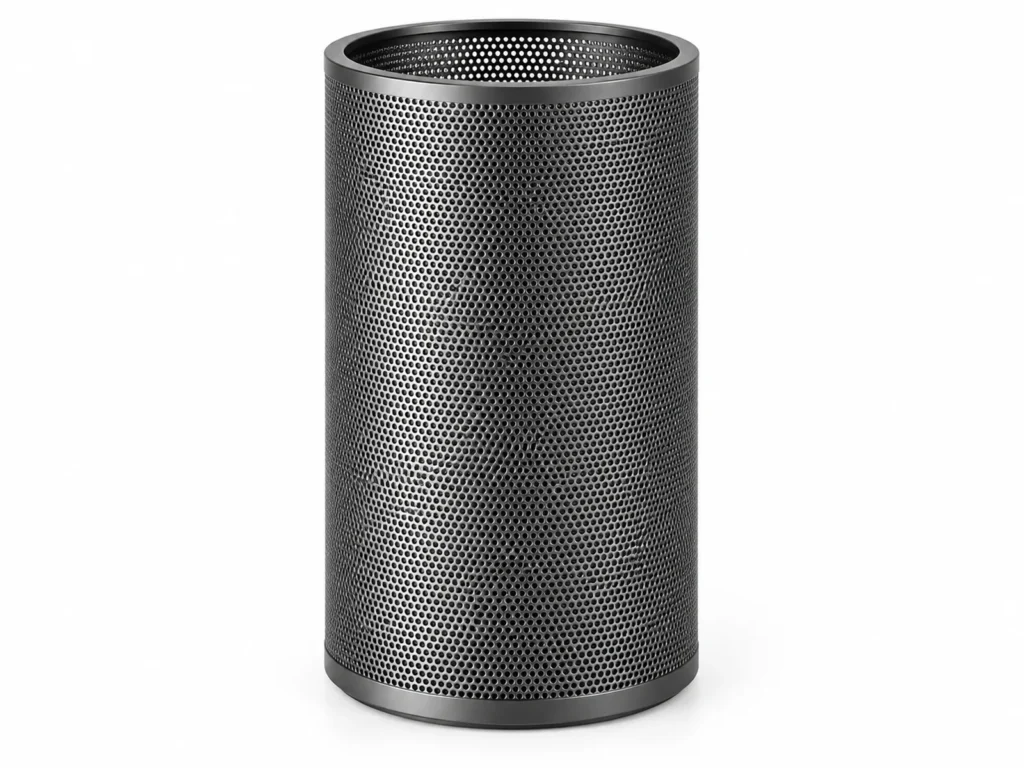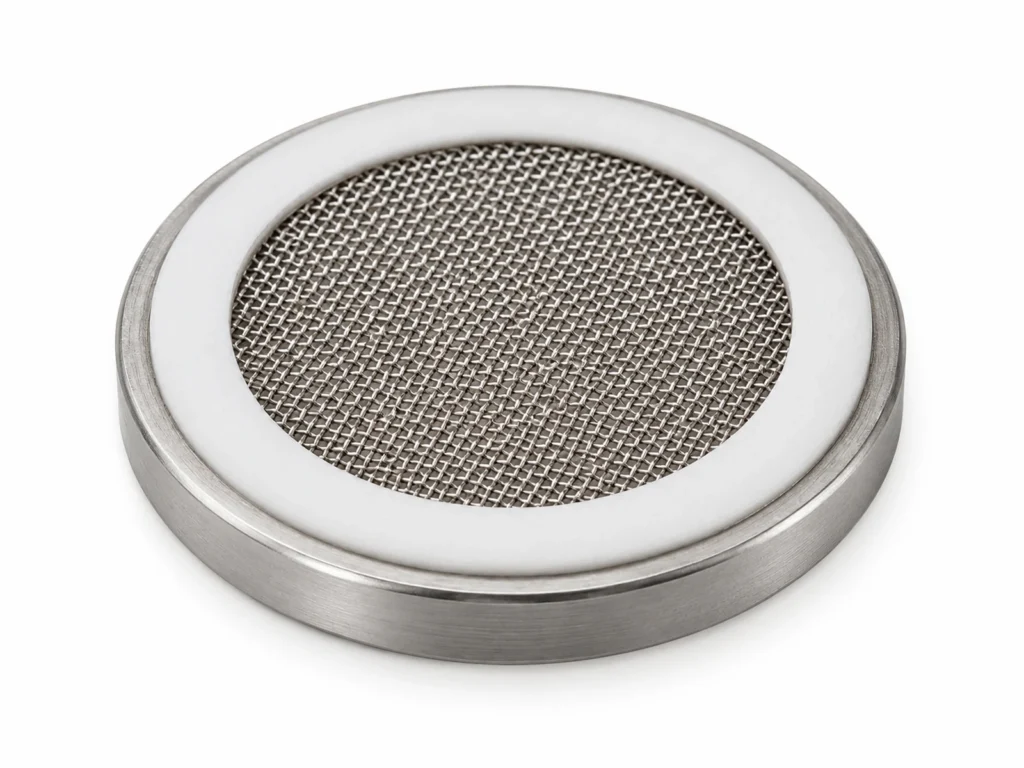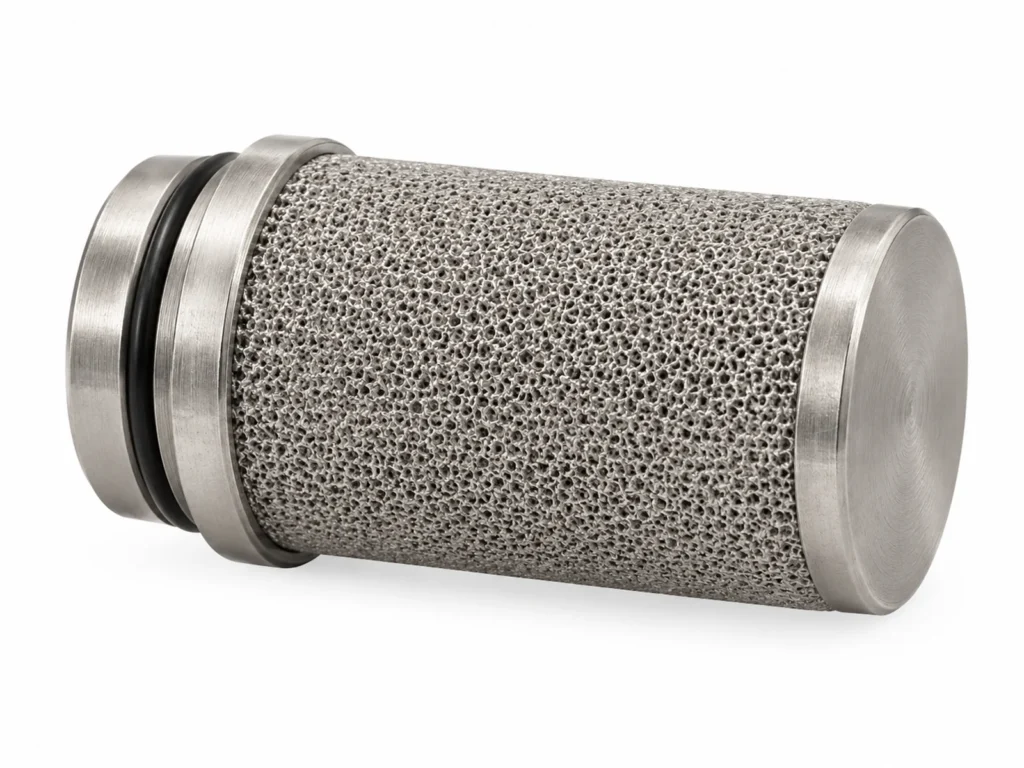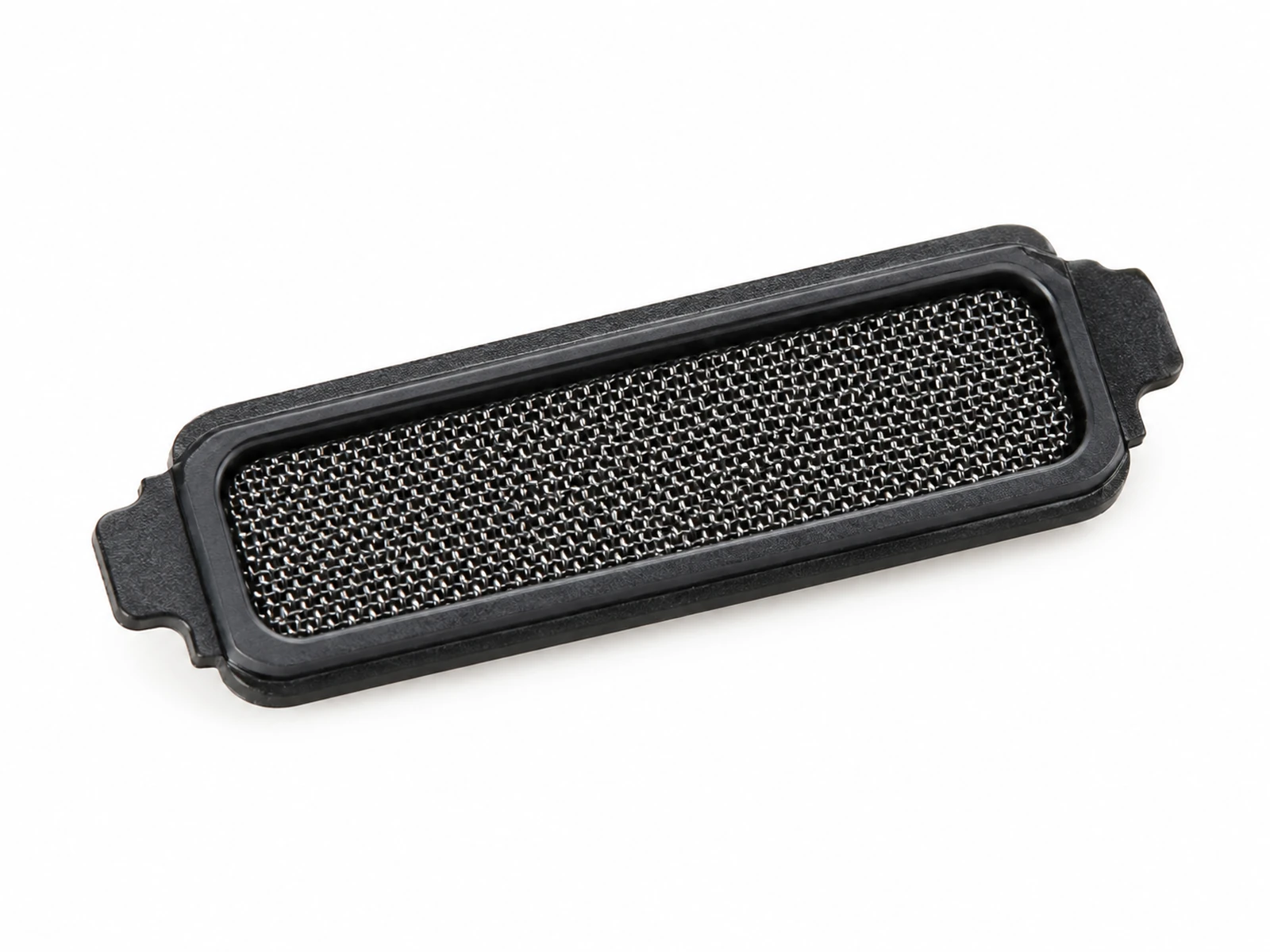
Smartphone Speaker & Receiver Dust Mesh is used primarily for sealing smartphone receiver and loudspeaker openings against dust and water while passing sound with a controlled acoustic resistance. This page lists the industries and assemblies where it is specified, the selection criteria that matter for each application, handling and installation practice, and the cases where a different mesh, screen or filter type is the correct choice. It is supplied to IEC 60529 IP67 / IP68 designs.
Typical Applications for Smartphone Speaker & Receiver Dust Mesh
Where Smartphone Speaker & Receiver Dust Mesh is specified and bought:
- Smartphone OEMs: die-cut meshes behind receiver slots and bottom speaker grilles.
- Tablet & laptop makers: larger speaker meshes tuned for bass response.
- Repair parts suppliers: adhesive-backed replacement meshes for screen and housing repairs.
- Rugged device makers: IP68 designs combining mesh with a hydrophobic membrane.
How to Specify Smartphone Speaker & Receiver Dust Mesh for Your Application
- Acoustic resistance: Specify MKS Rayl, not only hole size; it sets how much the mesh damps high frequencies.
- Die-cut shape: Length, width and corner radius must clear the speaker port with a 0.3–0.5 mm adhesive land.
- Adhesive: Double-sided pressure-sensitive adhesive rated for drop and heat-cycle testing.
- Standard: Quote IEC 60529 IP67 / IP68 designs and the size designation from the table on the product page, plus any value you changed in the technical drawing.
Handling & Installation Practice
- Place with clean tweezers onto a degreased housing; fingerprints weaken the adhesive bond.
- Press uniformly with a roller — a lifted edge lets dust bypass the mesh and causes buzz.
Common Selection Mistakes with Smartphone Speaker & Receiver Dust Mesh
- Choosing the finest mesh available, which muffles the speaker and fails acoustic tuning.
- Omitting the adhesive land, so glue squeezes into the open area and changes resistance.
Where Smartphone Speaker & Receiver Dust Mesh Is Not the Right Choice
Not a waterproof membrane on its own — IP68 phones need a hydrophobic ePTFE layer with the mesh.