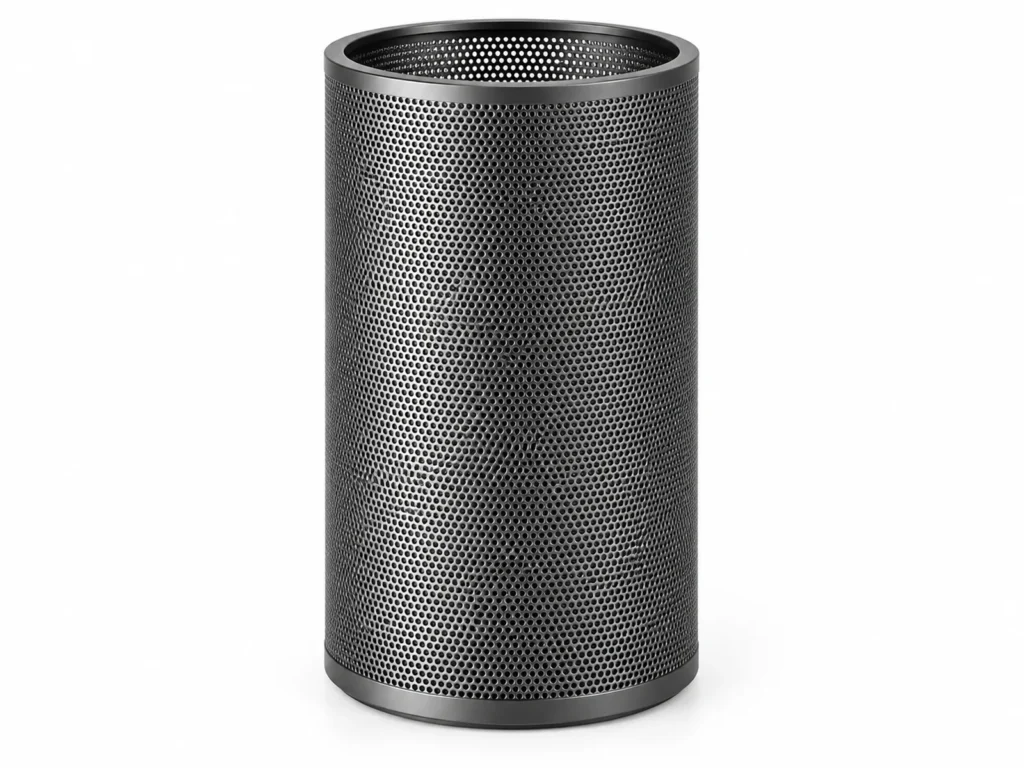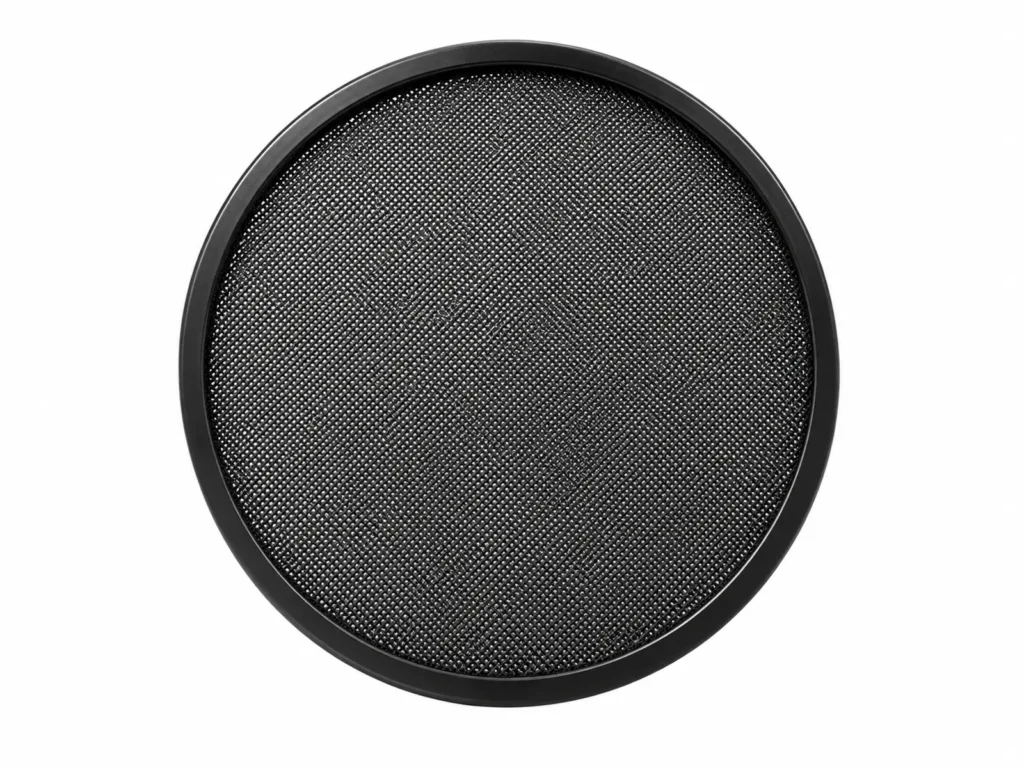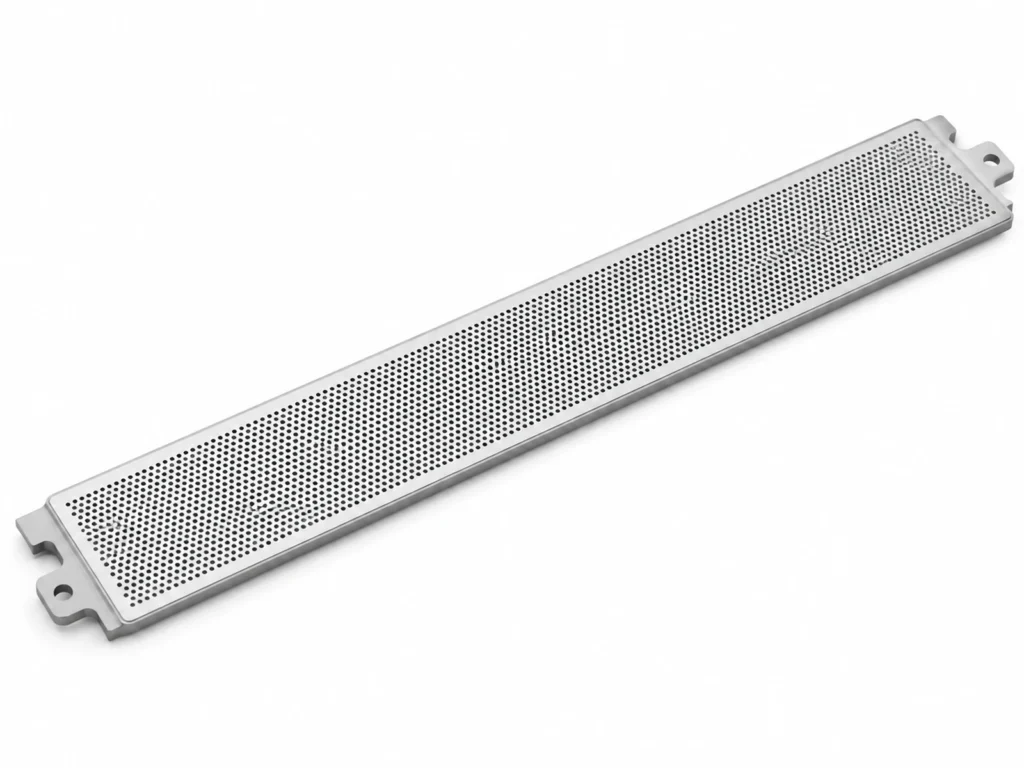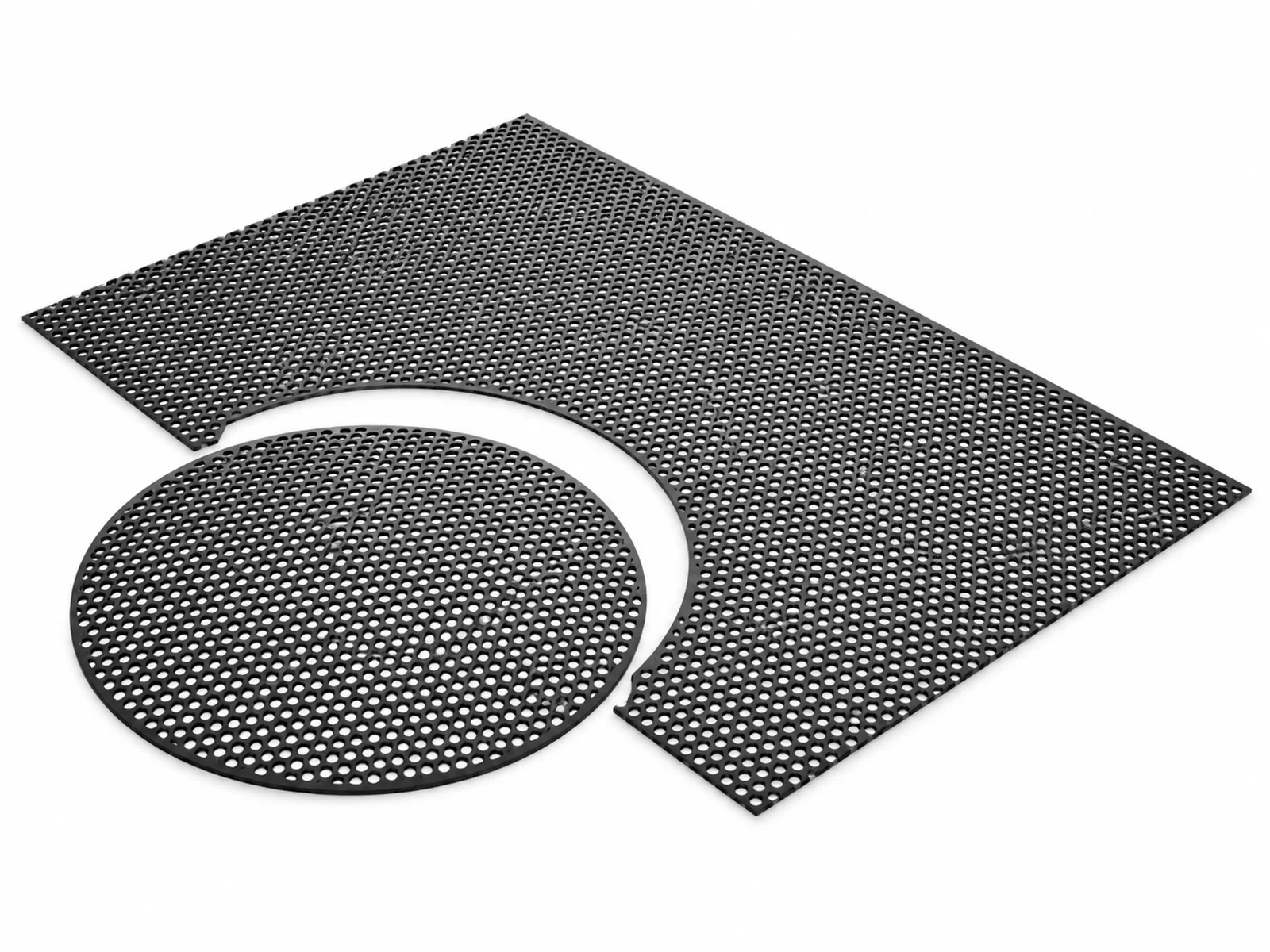
Speaker Grille Metal Mesh Sheet is used primarily for cutting custom speaker grilles from flat perforated metal sheet for cabinets, car-audio enclosures, PA boxes and electronics prototypes. This page lists the industries and assemblies where it is specified, the selection criteria that matter for each application, handling and installation practice, and the cases where a different mesh, screen or filter type is the correct choice. It is supplied to DIN 24041 pattern.
Typical Applications for Speaker Grille Metal Mesh Sheet
Where Speaker Grille Metal Mesh Sheet is specified and bought:
- DIY & custom loudspeaker builders: cabinet grilles cut to any shape.
- Car audio installers: subwoofer box and custom panel grilles.
- Pro audio & PA: full-face cabinet fronts.
- Electronics prototyping: enclosure grilles before tooling is made.
How to Specify Speaker Grille Metal Mesh Sheet for Your Application
- Hole & pitch: Larger holes (2–3 mm) for woofers, fine holes (1 mm) for full-range and tweeters.
- Thickness: 0.6–1.0 mm; thicker sheet rings less and protects better.
- Open area: Aim for 30–40 % so the grille is acoustically transparent.
- Standard: Quote DIN 24041 pattern and the size designation from the table on the product page, plus any value you changed in the technical drawing.
Handling & Installation Practice
- Cut with aviation snips, nibbler or laser, then deburr the edge.
- Powder coat or paint after cutting, and back with acoustic cloth if dust is a concern.
Common Selection Mistakes with Speaker Grille Metal Mesh Sheet
- Choosing a sheet under 25 % open area, which muffles the speaker.
- Using thin sheet over large woofers, which buzzes at high output.
Where Speaker Grille Metal Mesh Sheet Is Not the Right Choice
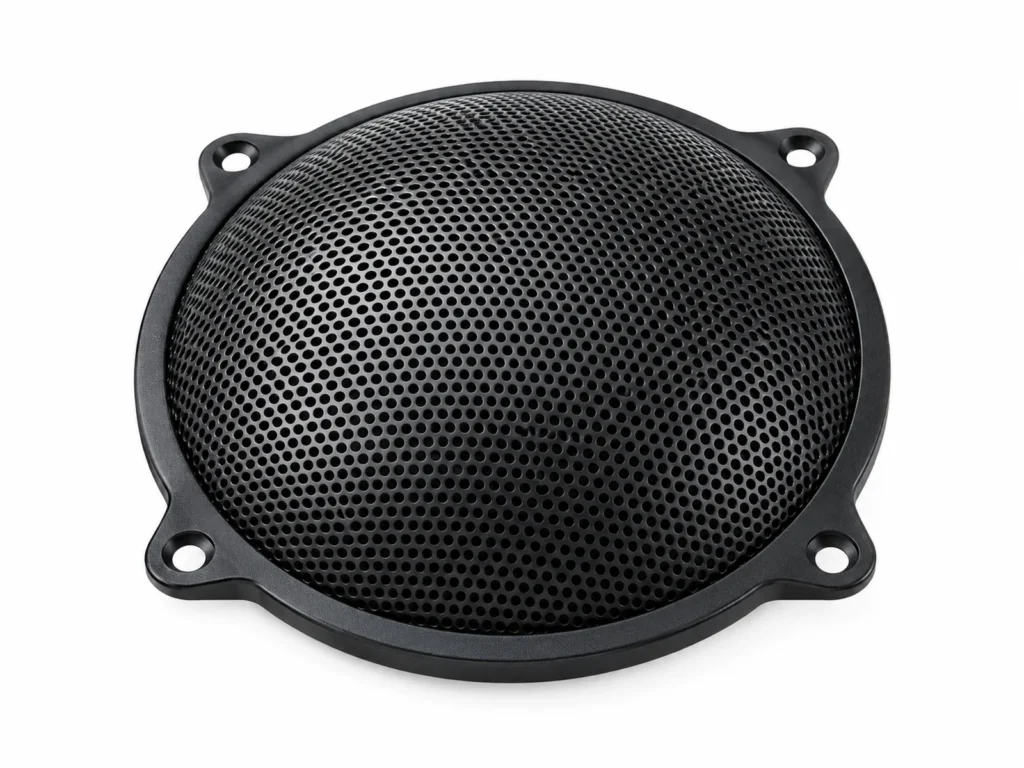
Not a pre-formed domed grille — for driver guards with mounting ears choose a finished speaker grille.