Skip to content

Food Machinery Mesh & Screens · Rice mill OEM drawing · Application guide

What Is Rice Polisher & Huller Sieve Screen Used For?

Curved slotted perforated steel rice polisher screens beside a rice whitening machine, white rice and bran

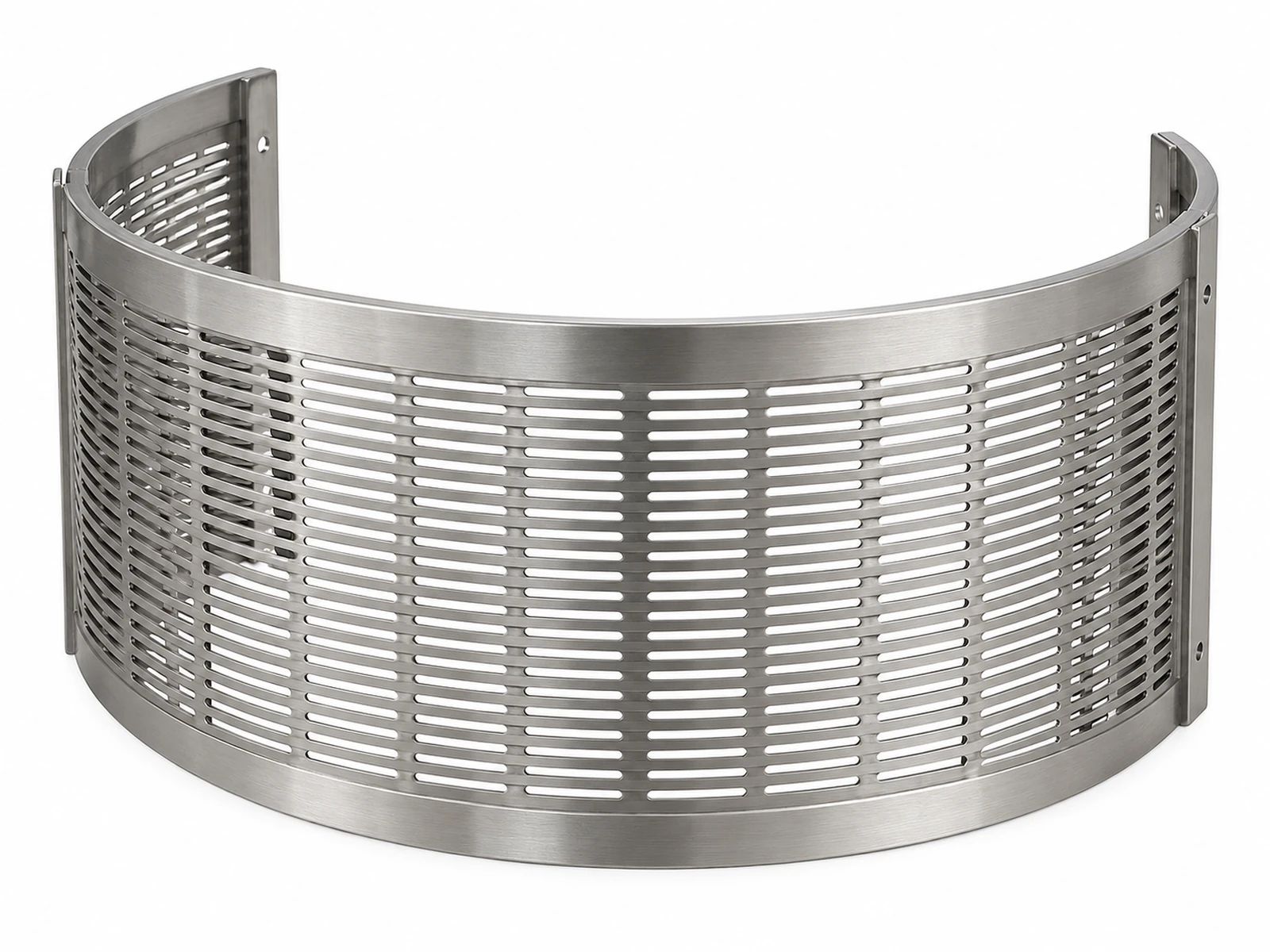
Rice Polisher & Huller Sieve Screen is selected when an assembly or process calls for removing bran during rice whitening and polishing through slotted perforated screens that surround the milling chamber. This application guide to the Rice mill OEM drawing type covers concrete end-uses, the specification checklist, correct installation, and where an alternative mesh or filter medium performs better.

Typical Applications for Rice Polisher & Huller Sieve Screen

Where Rice Polisher & Huller Sieve Screen is specified and bought:

  • Rice mills: whitener and polisher screens on vertical and horizontal mills.
  • Grain processors: dehuller and pearler screens.
  • Pulse mills: dal and lentil polishing screens.
  • Mill OEMs & dealers: replacement screen sets.

How to Specify Rice Polisher & Huller Sieve Screen for Your Application

  • Slot size: 0.9–1.2 mm slots let bran out while keeping broken kernels in.
  • Material & thickness: 1 mm hardened steel or stainless for abrasion.
  • Shape: Curved segments that fit the milling chamber.
  • Standard: Quote Rice mill OEM drawing and the size designation from the table on the product page, plus any value you changed in the technical drawing.

Handling & Installation Practice

  • Replace screens as a full set so slots stay even around the chamber.
  • Check slot wear at each maintenance stop.

Common Selection Mistakes with Rice Polisher & Huller Sieve Screen

  • Running worn screens, which raises broken-rice percentage.
  • Fitting the wrong slot width for the variety.

Where Rice Polisher & Huller Sieve Screen Is Not the Right Choice

Not for wet or parboiled grain that has not been dried.
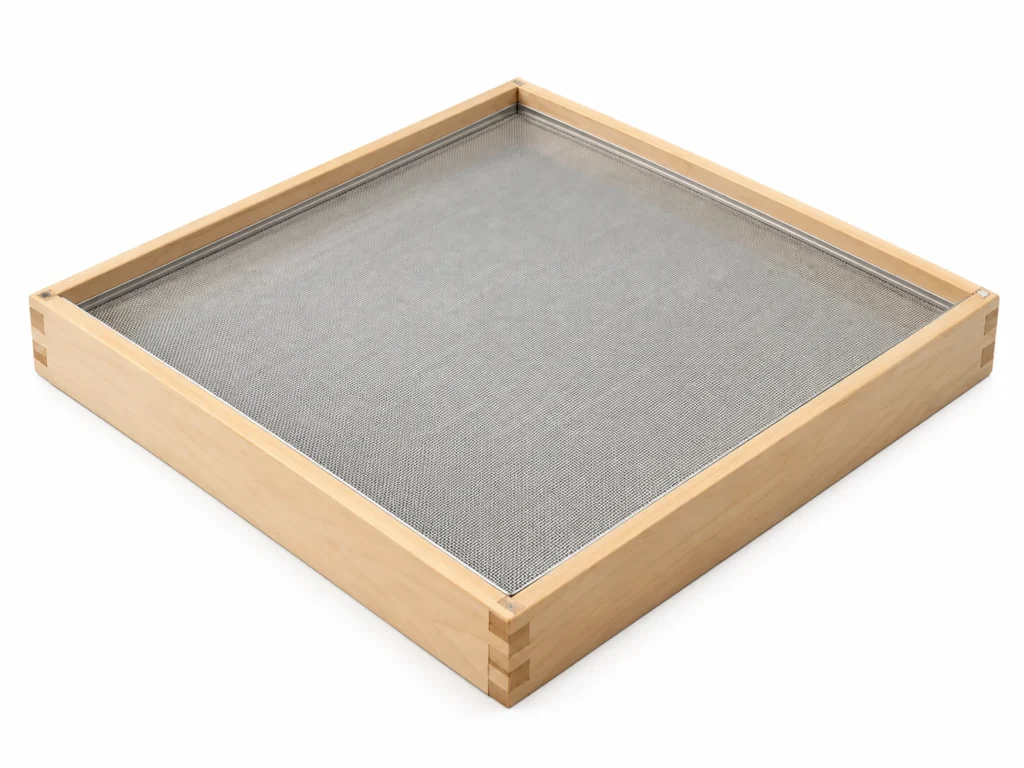
If This Construction Is Not the Right Fit

Closely related mesh types for the same duty — compare open area, aperture range and cleanability before you commit.

Technical Drawing

Customize the parameters below — every spec field is editable, and the drawing redraws to match the values you choose. Changing the size will snap the other fields to that size's standard values; you can then override any individual value.

Sends the selected values to the quote form below.

Request a Quote

Set the size and options in the drawing above, then send the exact configuration straight to this form.

Request a Quotation

Specification
Business Information

Dimensions & Specifications (Rice mill OEM drawing)

SizeHole diameter (mm)Pitch (mm)Thickness (mm)Open area (%)Slot / hole
Whitener 0.9 slot0.92.01.020.0Slot 0.9 u00d7 12
Polisher 1.0 slot1.02.21.021.0Slot 1.0 u00d7 15
Bran screen 1.21.22.21.027.0Round

Frequently Asked Questions

What is Rice Polisher & Huller Sieve Screen used for?

Removing bran during rice whitening and polishing through slotted perforated screens that surround the milling chamber.

What slot size do rice polisher screens have?

Typically 0.9–1.2 mm.

When should rice mill screens be replaced?

When slot wear increases broken rice or bran carry-over.

Which material?

Hardened steel or stainless steel.

Can I get a quote for Rice Polisher & Huller Sieve Screen to my own drawing?

Yes. Set the size and any custom value in the technical drawing on the product page and send it with the quote form; we reply within one business day.