Skip to content

Food Machinery Mesh & Screens · FDA 21 CFR / EU 1935/2004 food contact · Application guide

What Is Food Dehydrator Stainless Mesh Tray Used For?

A stack of stainless steel mesh dehydrator trays with apple slices and jerky in a food dehydrator on a kitchen counter

Food Dehydrator Stainless Mesh Tray is selected when an assembly or process calls for drying fruit, vegetables, jerky, herbs and pet treats on stainless mesh trays that let warm air pass evenly through every layer of a dehydrator or drying room. This application guide to the FDA 21 CFR / EU 1935/2004 food contact type covers concrete end-uses, the specification checklist, correct installation, and where an alternative mesh or filter medium performs better.

Typical Applications for Food Dehydrator Stainless Mesh Tray

Where Food Dehydrator Stainless Mesh Tray is specified and bought:

  • Food dehydrator OEMs: stainless tray upgrades over plastic trays.
  • Commercial drying rooms: rack trays for dried fruit and jerky.
  • Herb & tea processors: drying racks for leaves and flowers.
  • Pet treat makers: jerky and chew drying lines.

How to Specify Food Dehydrator Stainless Mesh Tray for Your Application

  • Mesh: 4–8 mesh for jerky and fruit slices; 14–20 mesh for herbs and small pieces.
  • Tray size: Match the dehydrator or trolley rack.
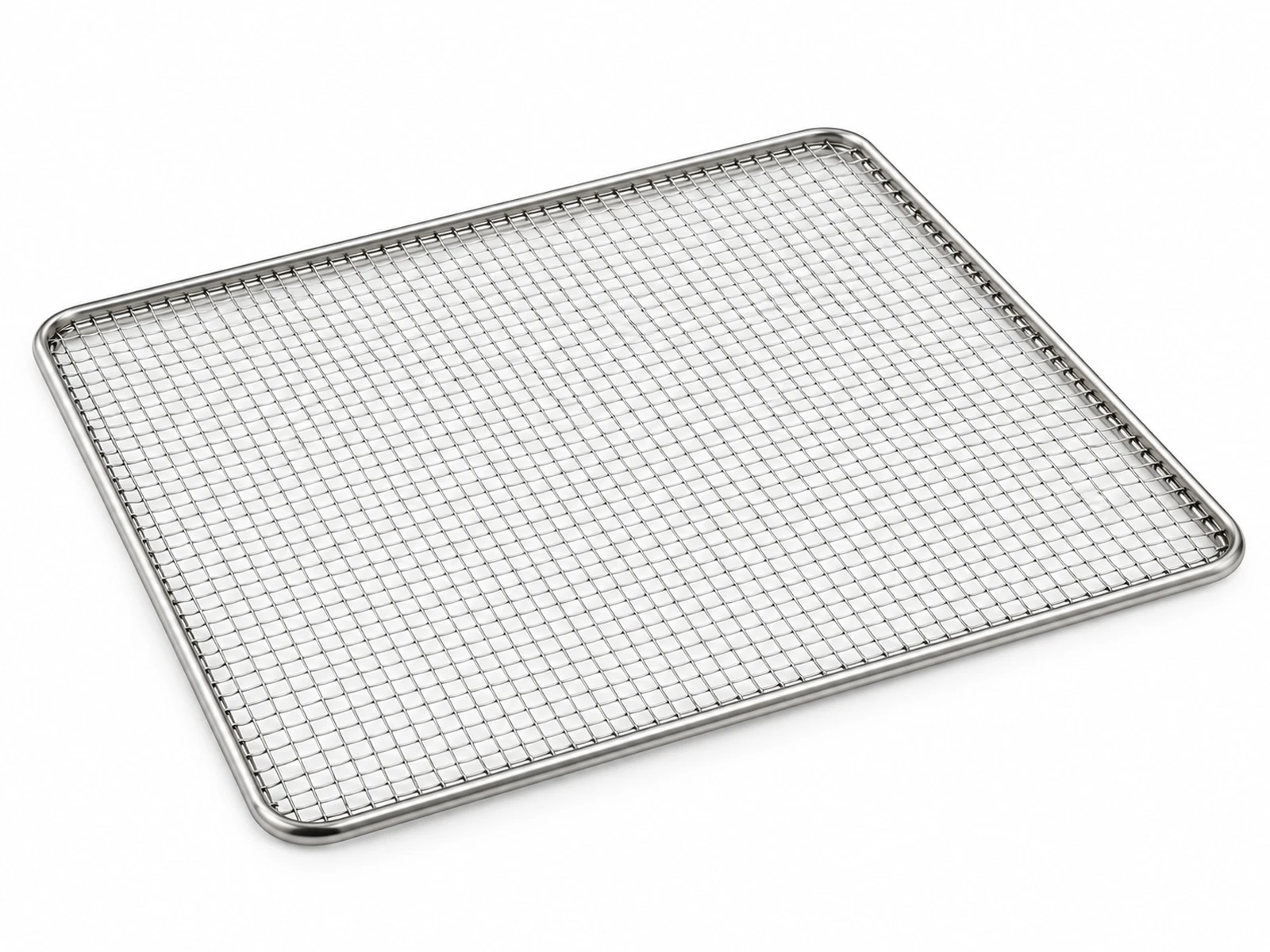
  • Frame: Welded stainless frame so trays stay flat when hot.
  • Standard: Quote FDA 21 CFR / EU 1935/2004 food contact and the size designation from the table on the product page, plus any value you changed in the technical drawing.

Handling & Installation Practice

  • Space pieces so air can pass between them.
  • Wash trays in hot soapy water or the dishwasher after use.

Common Selection Mistakes with Food Dehydrator Stainless Mesh Tray

  • Using coarse mesh for herbs, which fall through.
  • Overloading trays, which slows drying and causes spoilage.

Where Food Dehydrator Stainless Mesh Tray Is Not the Right Choice

Not a baking tray for wet batters or doughs.
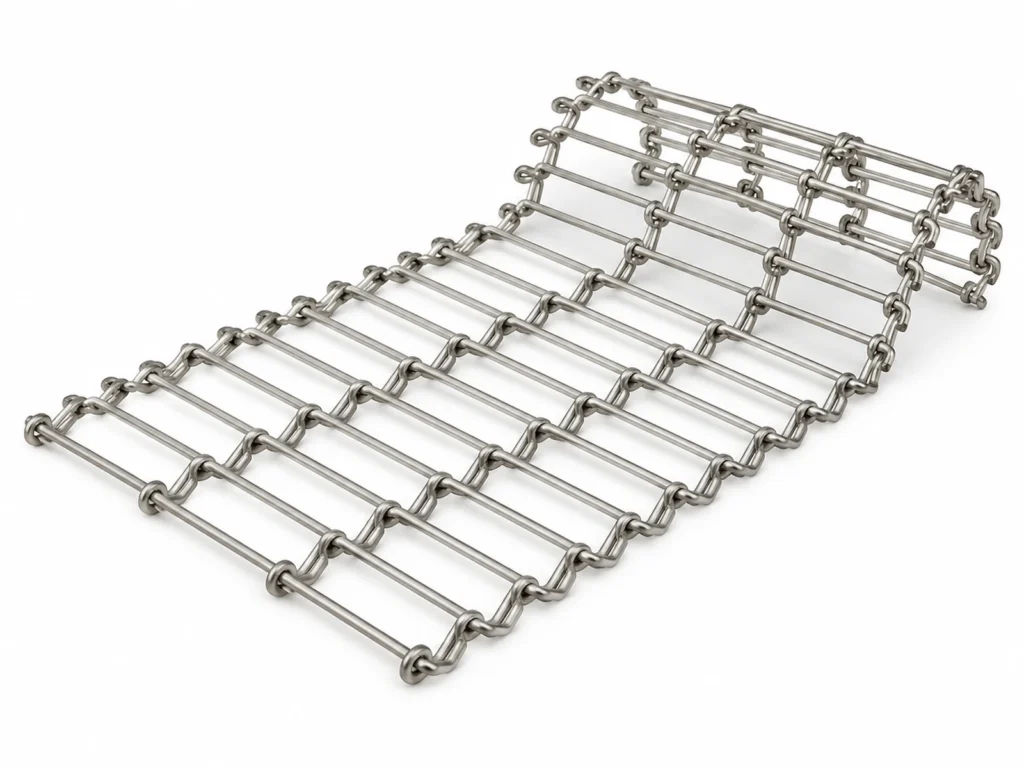
If This Construction Is Not the Right Fit

Closely related mesh types for the same duty — compare open area, aperture range and cleanability before you commit.

Technical Drawing

Customize the parameters below — every spec field is editable, and the drawing redraws to match the values you choose. Changing the size will snap the other fields to that size's standard values; you can then override any individual value.

Sends the selected values to the quote form below.

Request a Quote

Set the size and options in the drawing above, then send the exact configuration straight to this form.

Request a Quotation

Specification
Business Information

Dimensions & Specifications (FDA 21 CFR / EU 1935/2004 food contact)

Mesh countWire diameter (mm)Aperture (mm)Micron rating (u00b5m)Open area (%)Tray (mm)
4-Mesh0.9005.450545072.0400 u00d7 400
8-Mesh0.6002.575257565.8400 u00d7 400
14-Mesh0.4001.414141460.4600 u00d7 400
20-Mesh0.3000.97097058.3600 u00d7 400

Frequently Asked Questions

What is Food Dehydrator Stainless Mesh Tray used for?

Drying fruit, vegetables, jerky, herbs and pet treats on stainless mesh trays that let warm air pass evenly through every layer of a dehydrator or drying room.

Stainless or plastic dehydrator trays?

Stainless is heat-safe, durable and does not absorb odors.

What mesh for drying herbs?

About 14–20 mesh.

How do I clean dehydrator trays?

Hot soapy water or the dishwasher.

Can I get a quote for Food Dehydrator Stainless Mesh Tray to my own drawing?

Yes. Set the size and any custom value in the technical drawing on the product page and send it with the quote form; we reply within one business day.