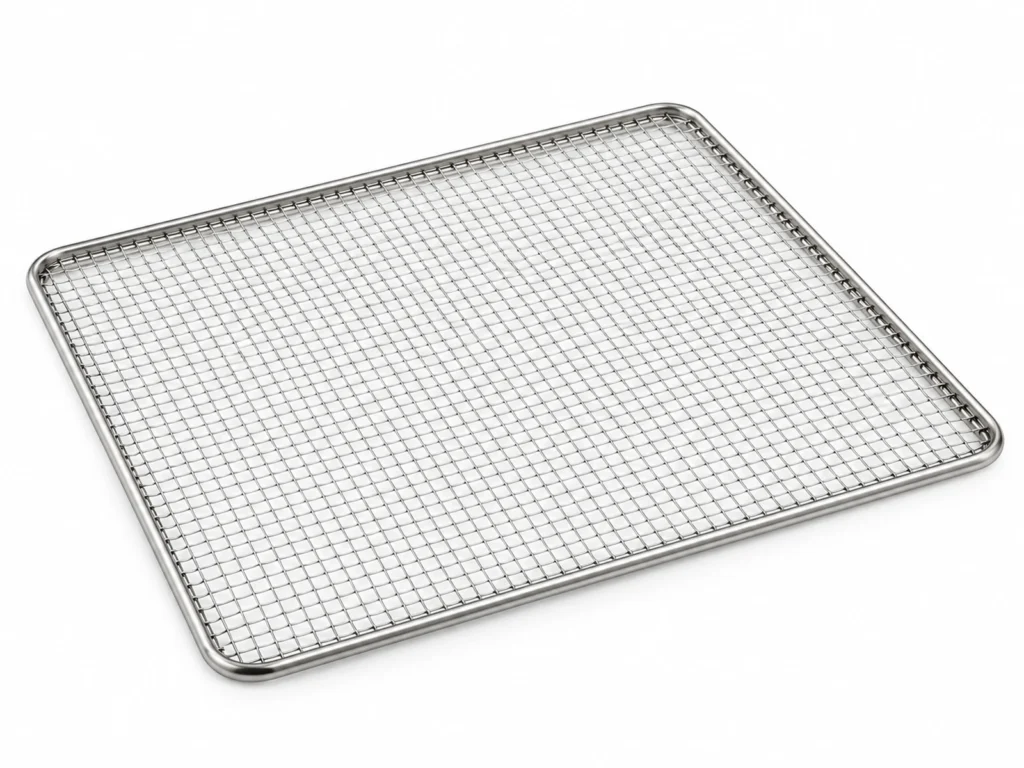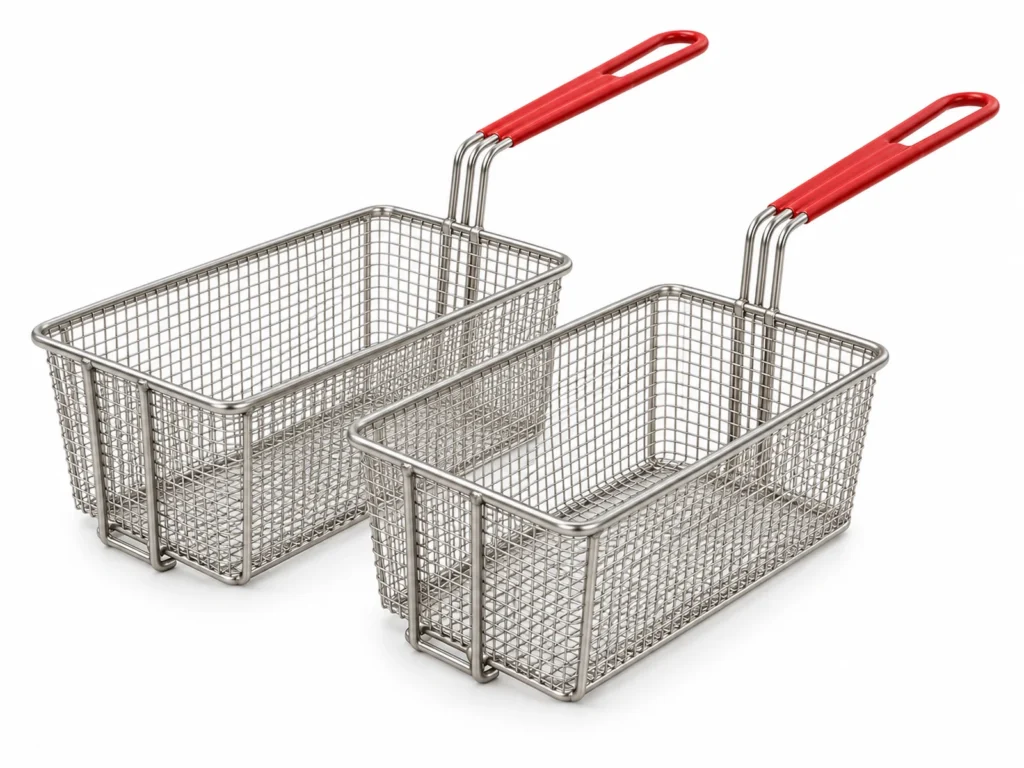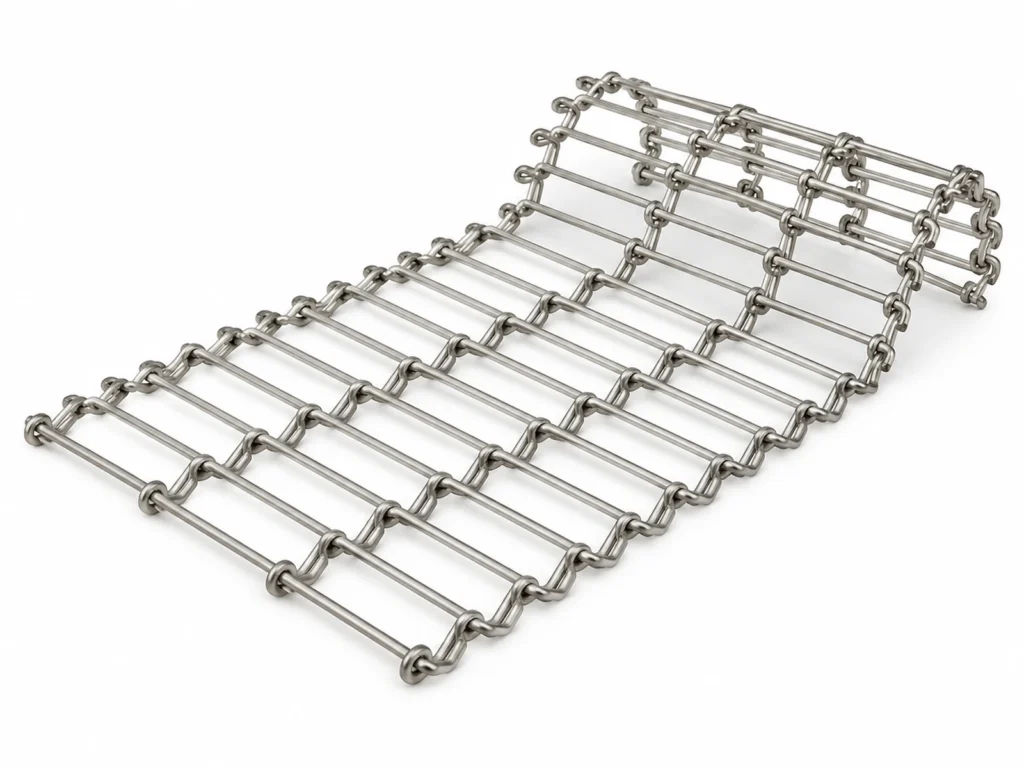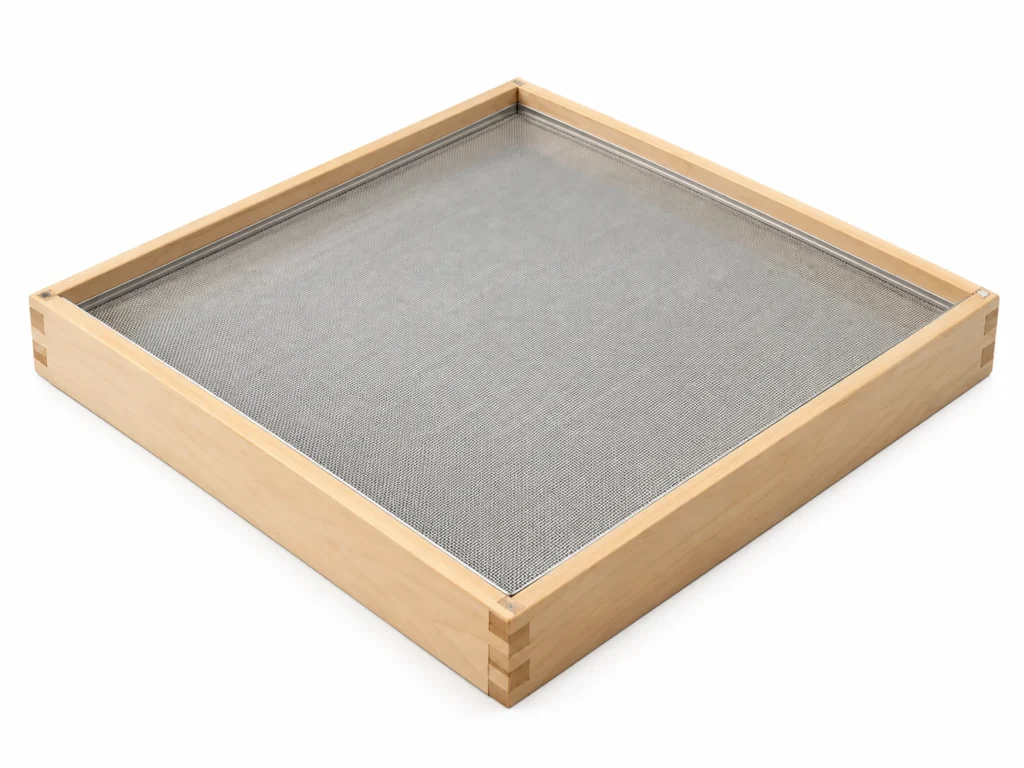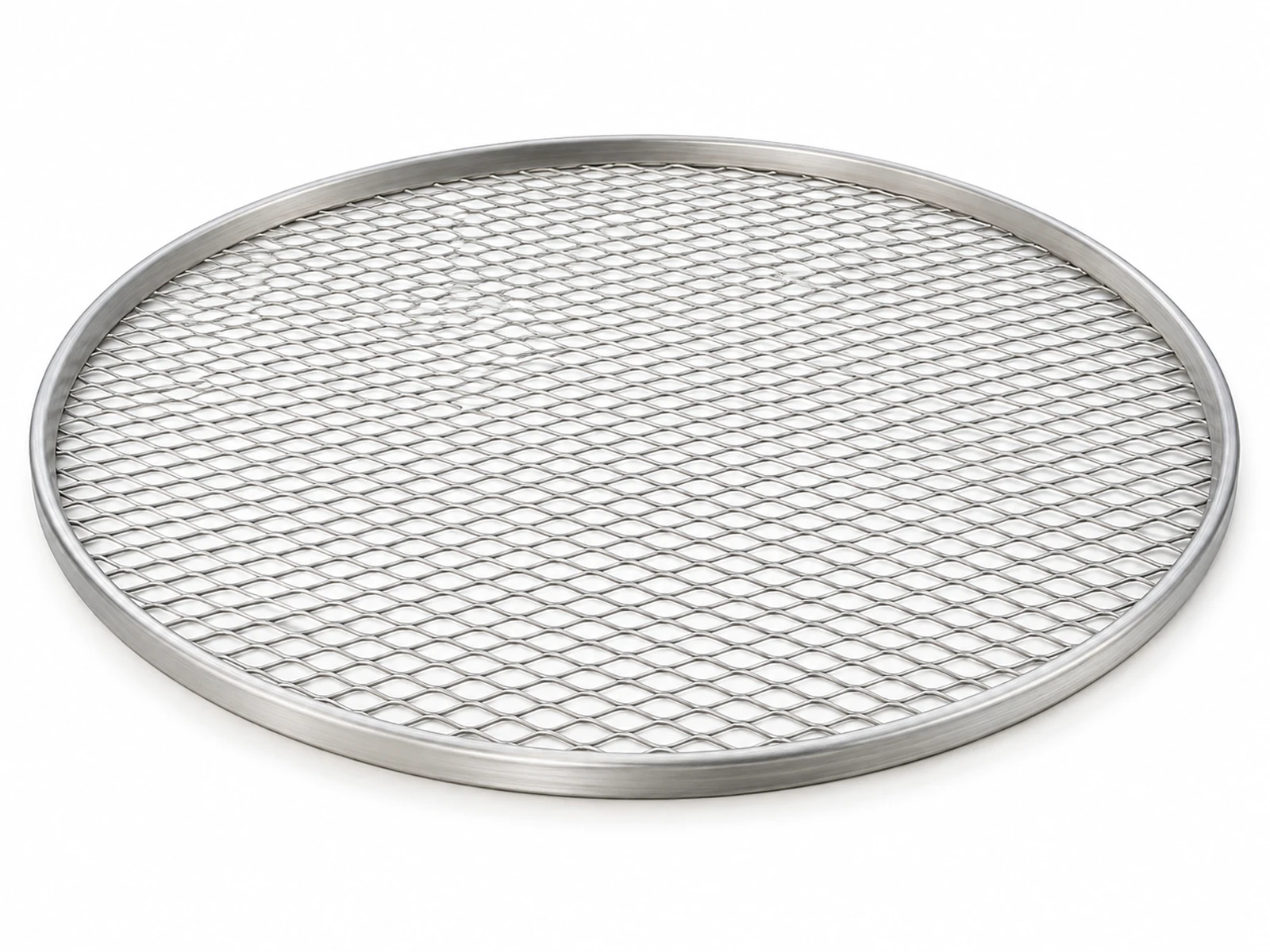
Application guide for Pizza Screen & Baking Mesh Tray to NSF/ANSI 2 food equipment. The core duty of the type is baking pizza and flatbread with a crisp, evenly browned base on open mesh discs that let hot air reach the underside of the dough in conveyor and deck ovens. The typical industries, the how-to-specify checklist, handling practice and the exclusion cases are set out below.
Typical Applications for Pizza Screen & Baking Mesh Tray
Where Pizza Screen & Baking Mesh Tray is specified and bought:
- Pizzerias & QSR chains: conveyor-oven pizza screens in every size on the menu.
- Frozen & par-baked pizza plants: screens on bake lines before freezing.
- Bakeries: flatbread, focaccia and naan baking.
- Home & retail bakeware: oven screens for crisp home-baked pizza.
How to Specify Pizza Screen & Baking Mesh Tray for Your Application
- Diameter: Order to the menu sizes (10–16 in) so dough is not overhanging the rim.
- Construction: Seamless expanded aluminum heats fastest; woven SS304 is more durable in high-volume kitchens.
- Rim: Rolled or welded rim stiff enough for peel and conveyor handling.
- Standard: Quote NSF/ANSI 2 food equipment and the size designation from the table on the product page, plus any value you changed in the technical drawing.
Handling & Installation Practice
- Season aluminum screens with a light oil bake before first use so dough releases cleanly.
- Wipe or brush clean while warm — soaking strips the seasoning.
Common Selection Mistakes with Pizza Screen & Baking Mesh Tray
- Using unseasoned screens, so dough sticks and tears.
- Stacking hot screens, which bends the rims out of round.
Where Pizza Screen & Baking Mesh Tray Is Not the Right Choice
Not designed for very wet or Neapolitan-style doughs that are baked directly on stone.