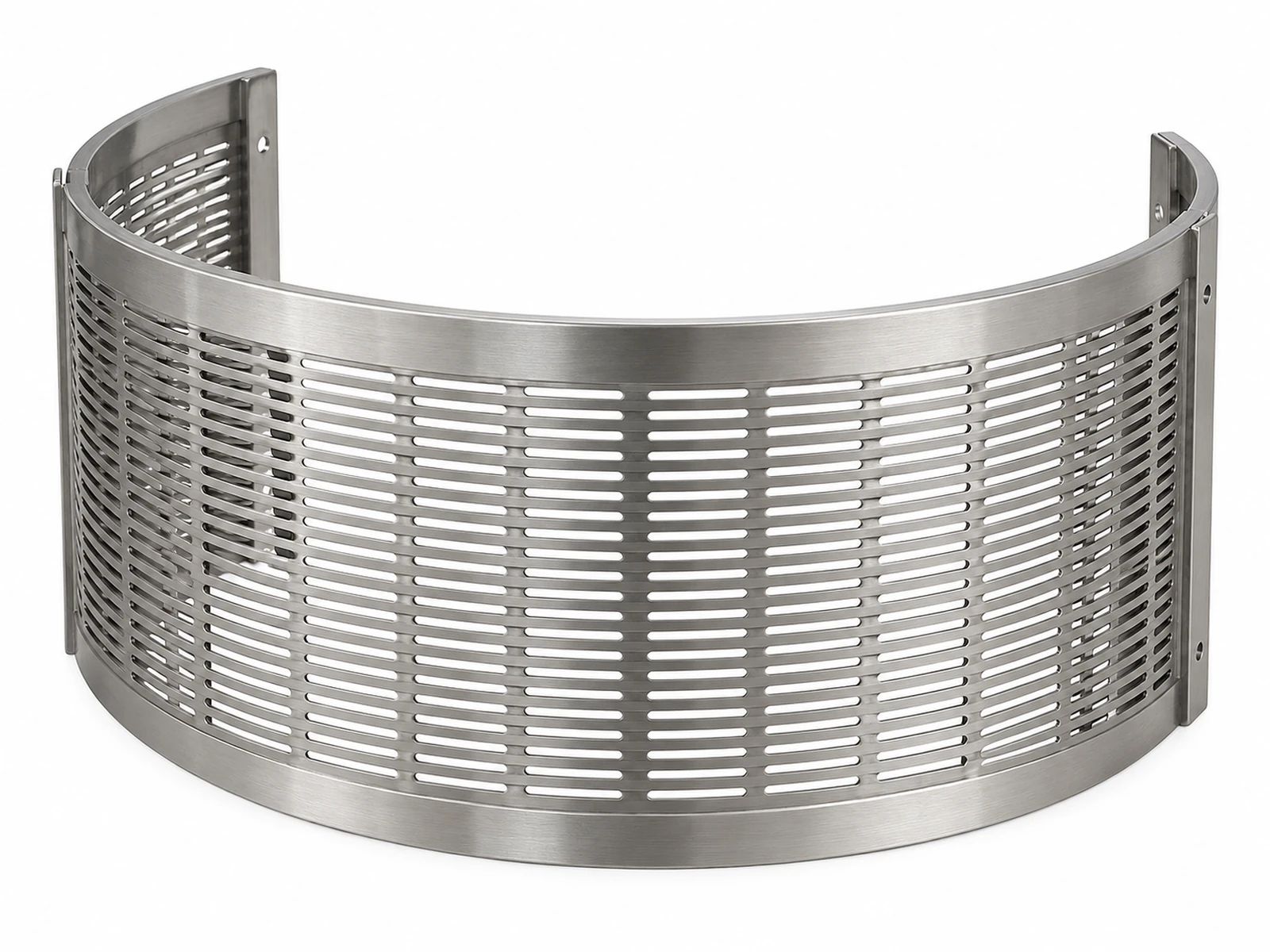
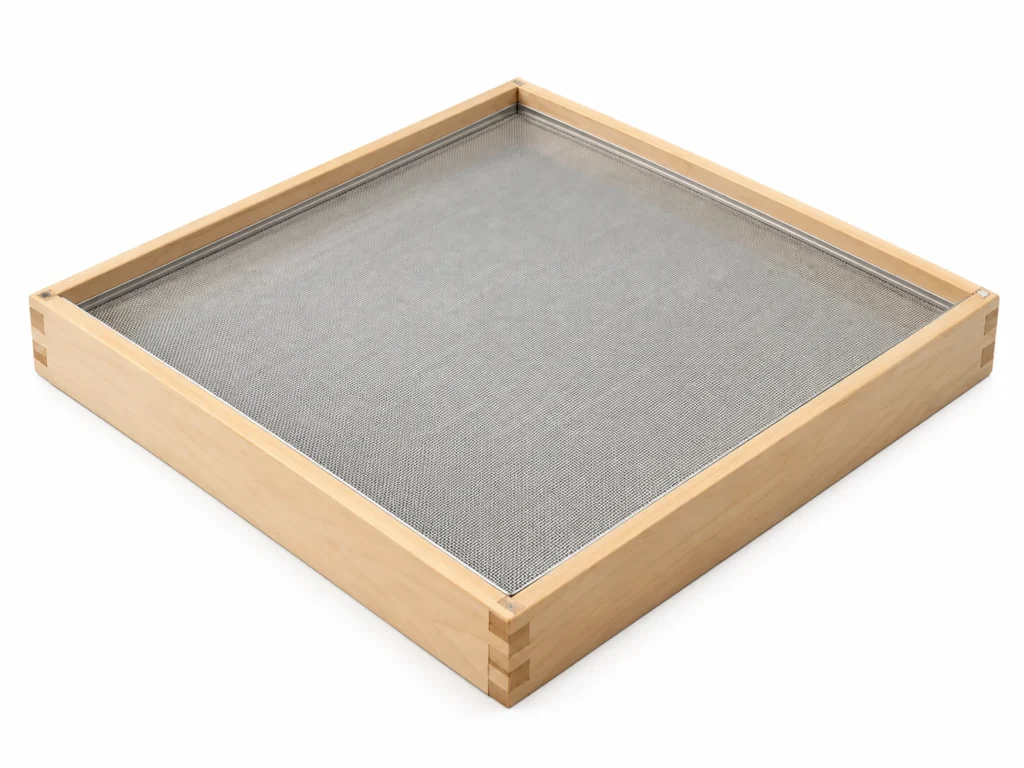
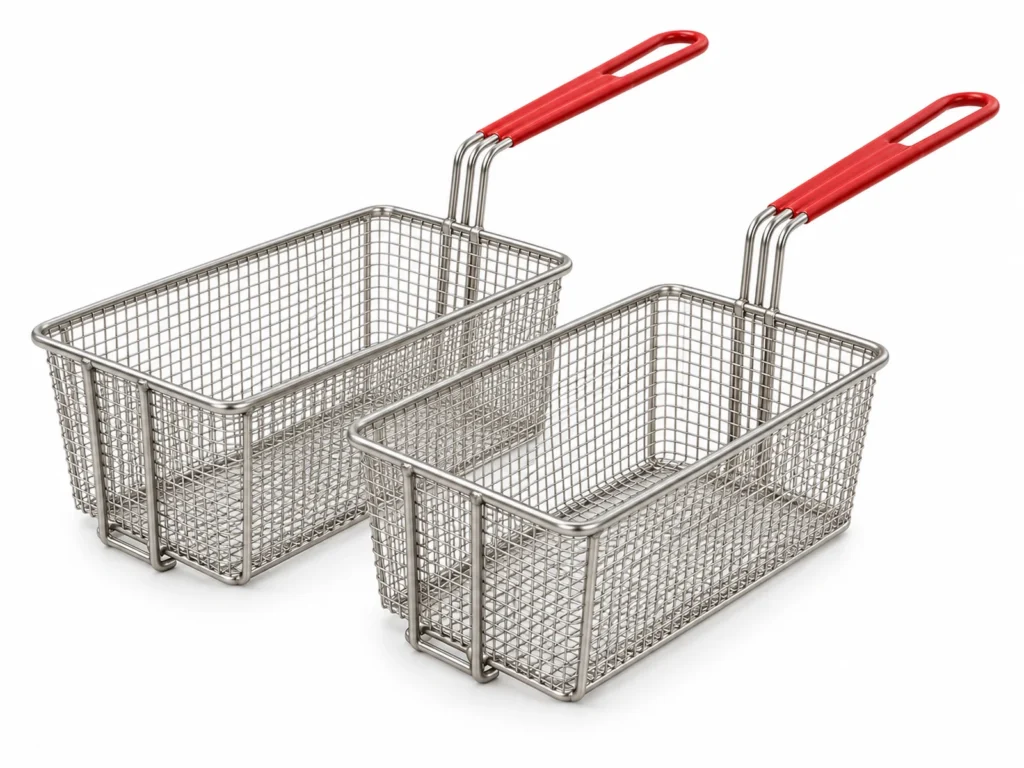
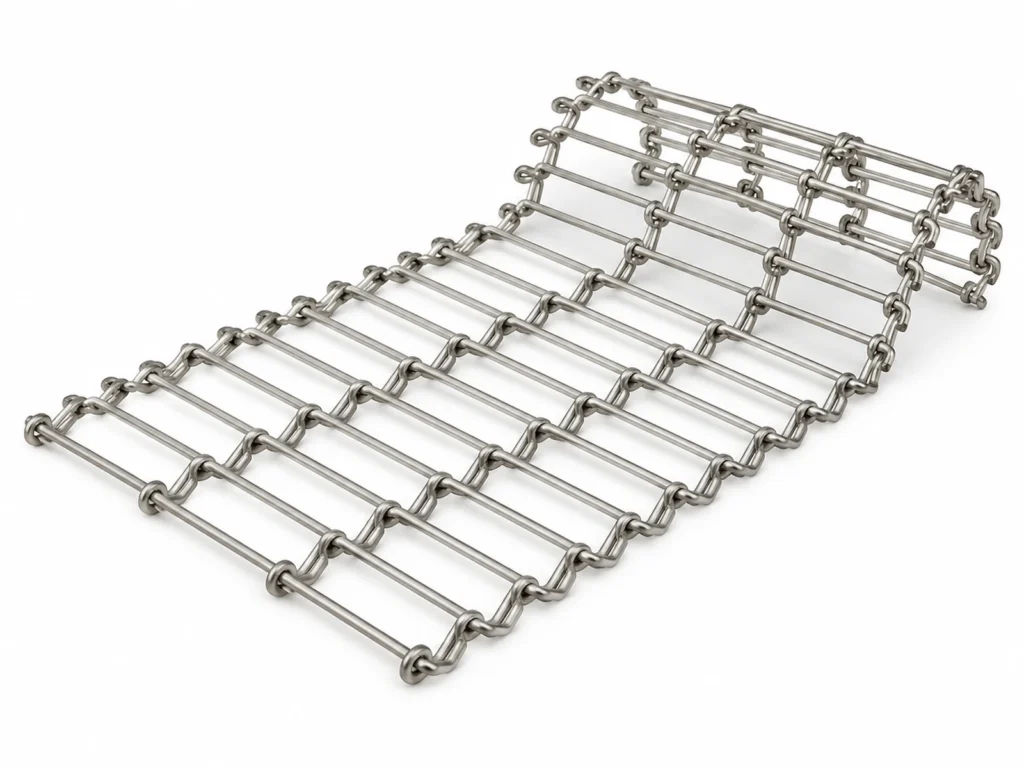
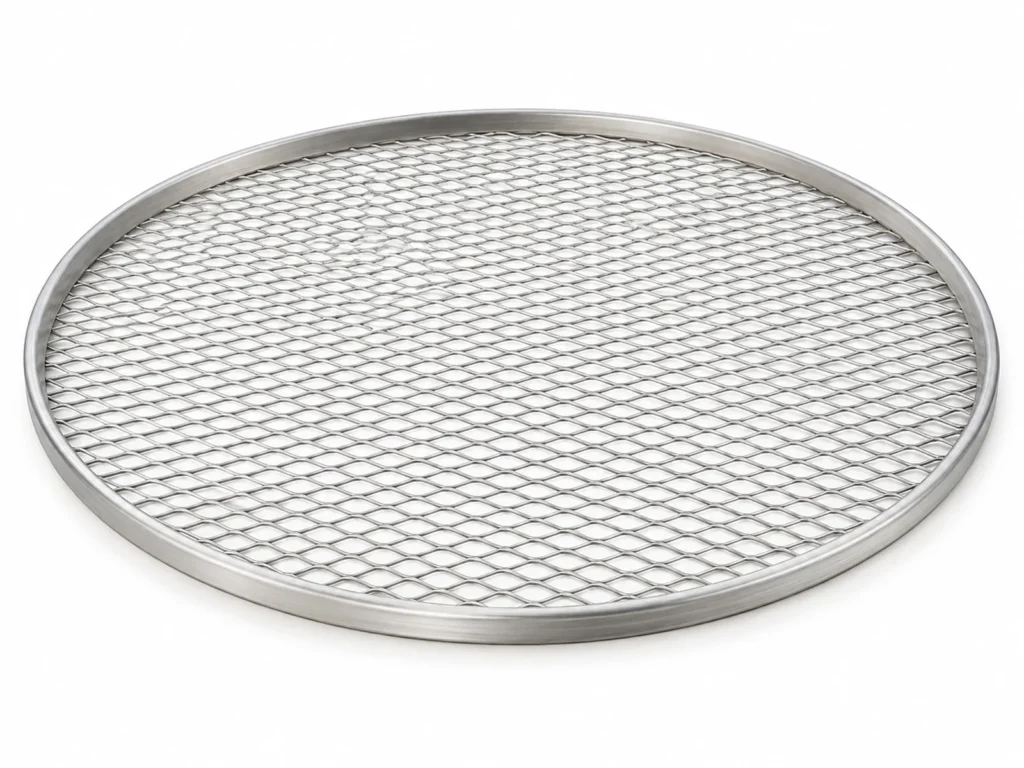
Rice Polisher & Huller Sieve Screen in 304 Stainless Steel (AISI 304 (1.4301)) is used for removing bran during rice whitening and polishing through slotted perforated screens that surround the milling chamber. The alloy gives good general corrosion resistance in atmosphere and fresh water and is essentially non-magnetic (annealed), with a practical service limit of approx. +450 °C continuous.
Alloy Properties
| Grade designation | AISI 304 (1.4301) |
|---|
| Magnetic response | Essentially non-magnetic (annealed) |
|---|
| Service temperature | approx. +450 °C continuous |
|---|
| Corrosion characteristic | Good general corrosion resistance in atmosphere and fresh water |
|---|
Specifications of Rice Polisher & Huller Sieve Screen Available in 304 Stainless Steel
| Size | Hole diameter (mm) | Pitch (mm) | Thickness (mm) | Open area (%) | Slot / hole |
|---|
| Whitener 0.9 slot | 0.9 | 2.0 | 1.0 | 20.0 | Slot 0.9 u00d7 12 |
| Polisher 1.0 slot | 1.0 | 2.2 | 1.0 | 21.0 | Slot 1.0 u00d7 15 |
| Bran screen 1.2 | 1.2 | 2.2 | 1.0 | 27.0 | Round |
Where 304 Stainless Steel Rice Polisher & Huller Sieve Screen Is Used
- Rice mills: whitener and polisher screens on vertical and horizontal mills.
- Grain processors: dehuller and pearler screens.
- Pulse mills: dal and lentil polishing screens.
- Mill OEMs & dealers: replacement screen sets.
Ordering Rice Polisher & Huller Sieve Screen in 304 Stainless Steel
- Slot size: 0.9–1.2 mm slots let bran out while keeping broken kernels in.
- Material & thickness: 1 mm hardened steel or stainless for abrasion.
- Shape: Curved segments that fit the milling chamber.
Mistakes to Avoid with Rice Polisher & Huller Sieve Screen
- Running worn screens, which raises broken-rice percentage.
- Fitting the wrong slot width for the variety.