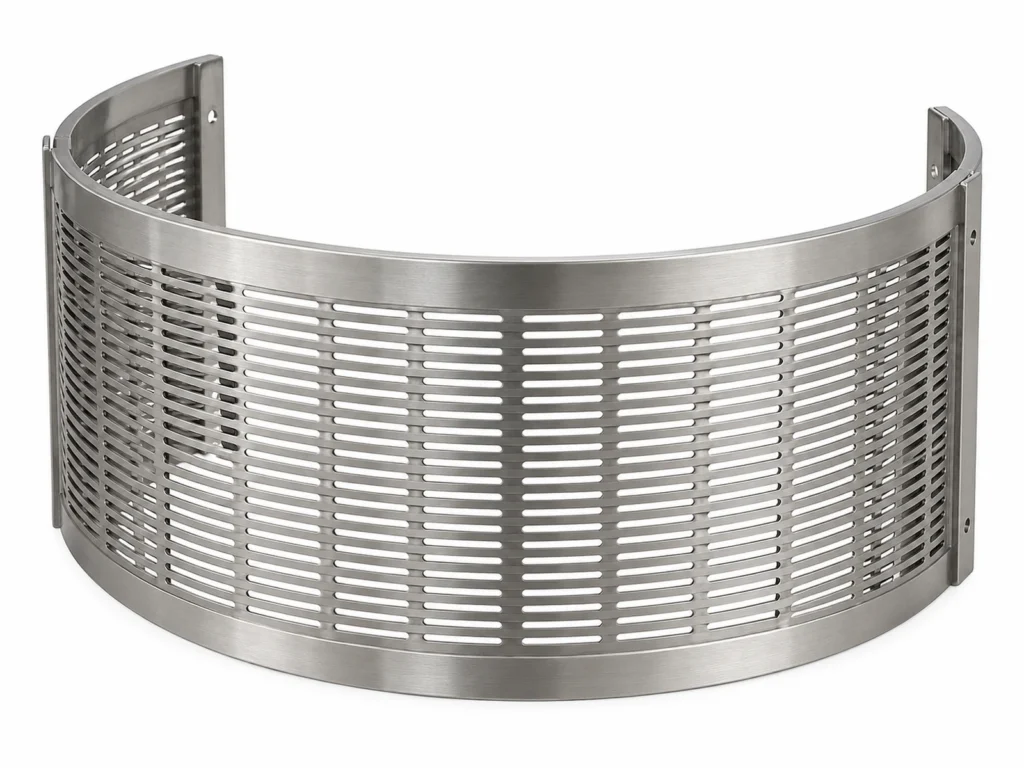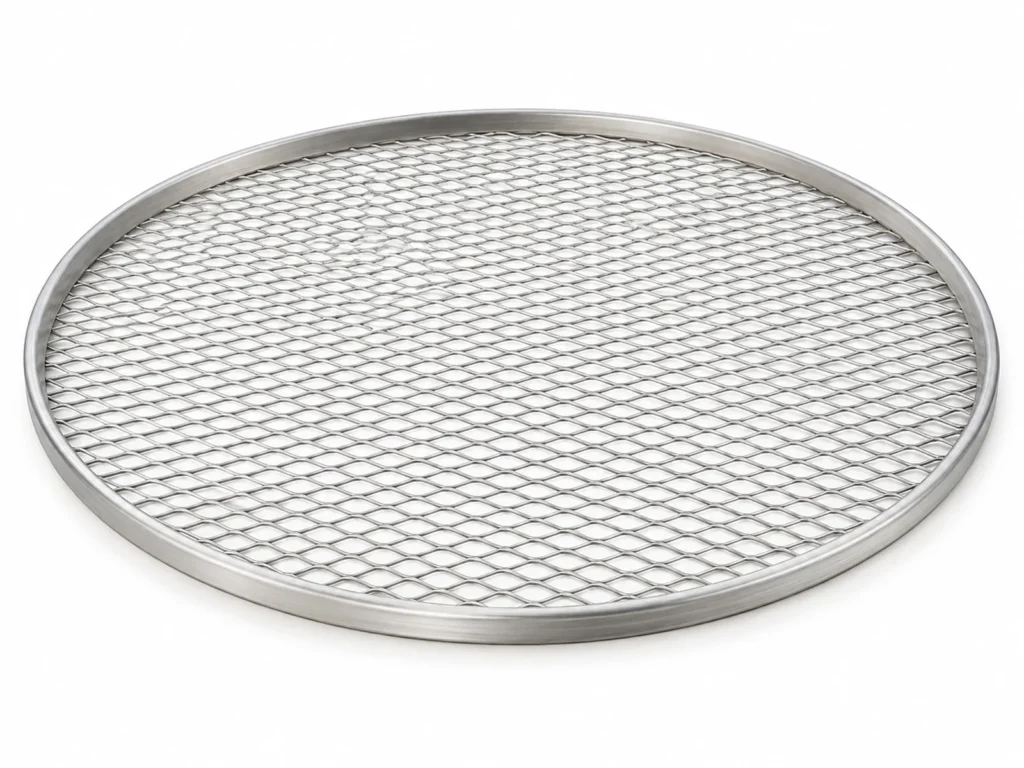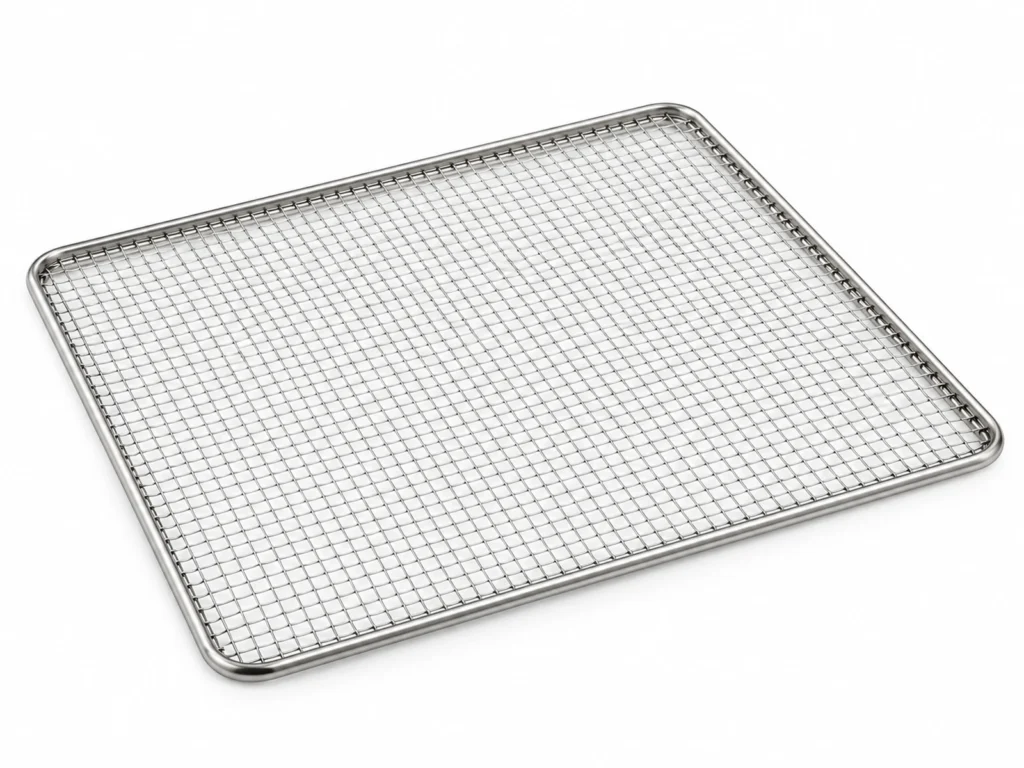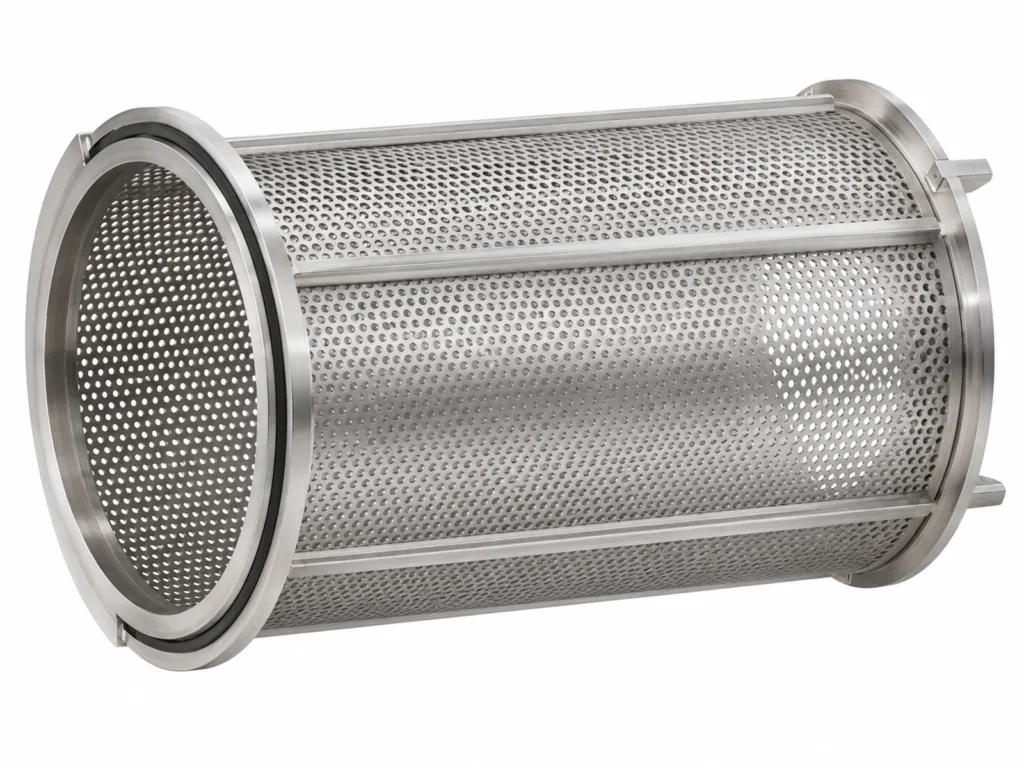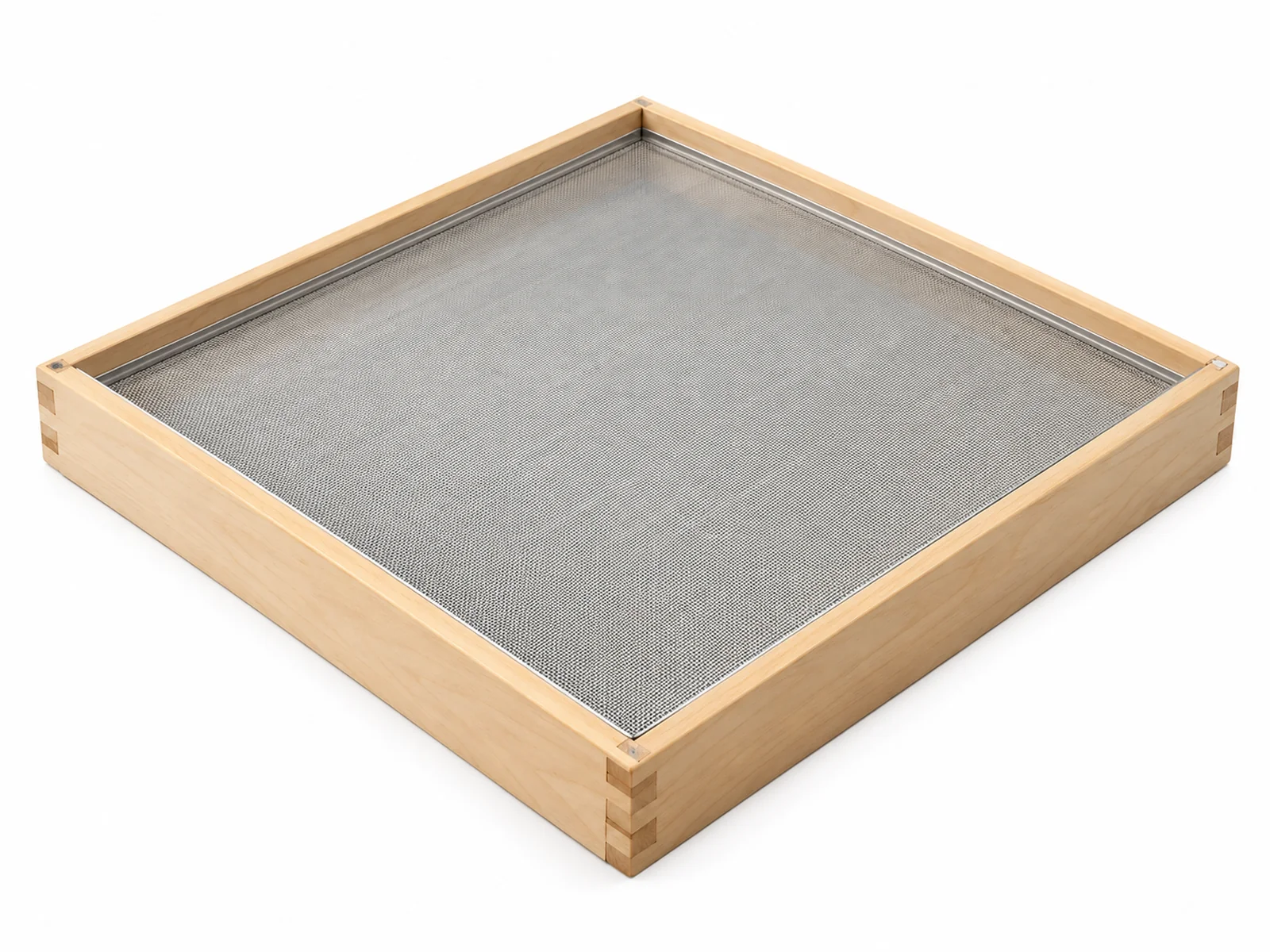
The primary duty of Flour Mill Plansifter Sieve Frame is separating flour, semolina, middlings and bran in plansifters with tensioned sieve frames covered in stainless steel cloth matched to each mill stream. Below: the sectors that specify it in volume, the checklist used to select the right mesh and alloy for the application, handling notes, and the known limits of the type.
Typical Applications for Flour Mill Plansifter Sieve Frame
Where Flour Mill Plansifter Sieve Frame is specified and bought:
- Wheat flour mills: plansifter sieve stacks on break, reduction and scratch passages.
- Semolina & durum mills: grading semolina from flour and bran.
- Corn & rice mills: grits and meal sifting.
- Spice, sugar & feed mills: sifting and grading powders.
How to Specify Flour Mill Plansifter Sieve Frame for Your Application
- Frame size & make: Square frames must match the plansifter model and stack height.
- Mesh by stream: 20–40 mesh on break passages, 60–100 mesh on flour dressing.
- Tension & cleaners: High, even cloth tension with sieve cleaners or pads under every sieve.
- Standard: Quote ISO 3310-1 cloth / mill OEM frames and the size designation from the table on the product page, plus any value you changed in the technical drawing.
Handling & Installation Practice
- Re-tension or re-cover frames during planned maintenance; slack cloth loses capacity.
- Check that sieve cleaners move freely so cloth does not blind.
Common Selection Mistakes with Flour Mill Plansifter Sieve Frame
- Fitting the wrong mesh in a stream, which sends bran into flour.
- Running slack, torn or patched cloth.
Where Flour Mill Plansifter Sieve Frame Is Not the Right Choice
Not for wet or sticky products, which blind sifter cloth.