Skip to content

Woven Wire Mesh · ASTM E2016 / ISO 9044 · Application guide

What Is Phosphor Bronze Wire Mesh Used For?

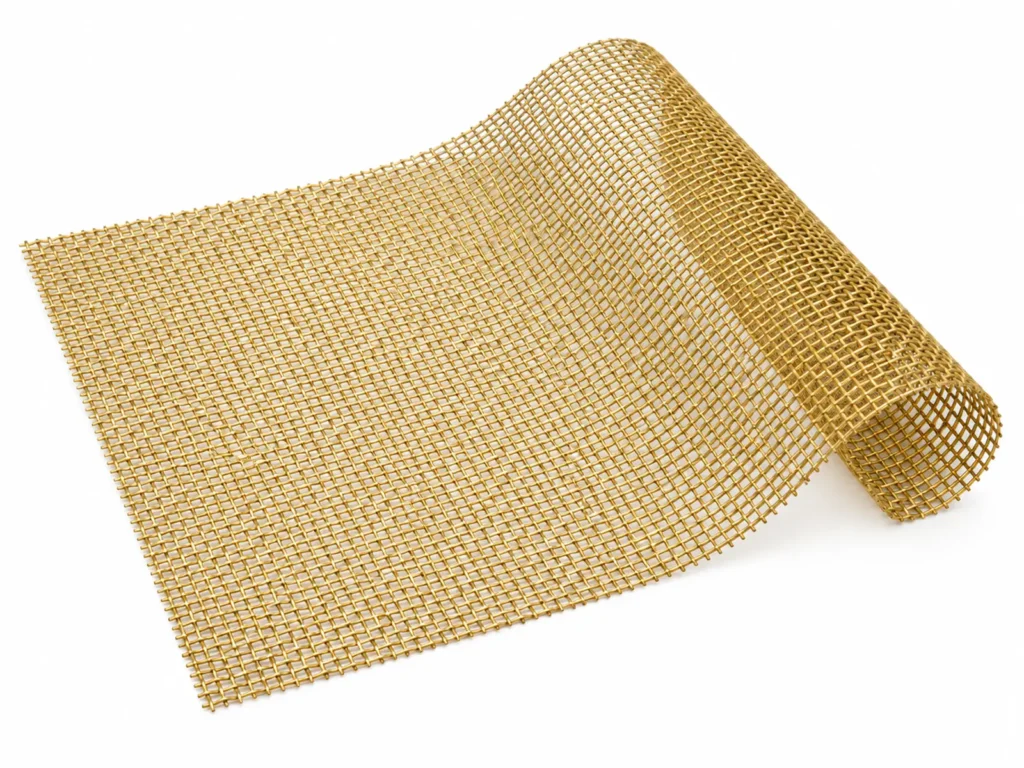
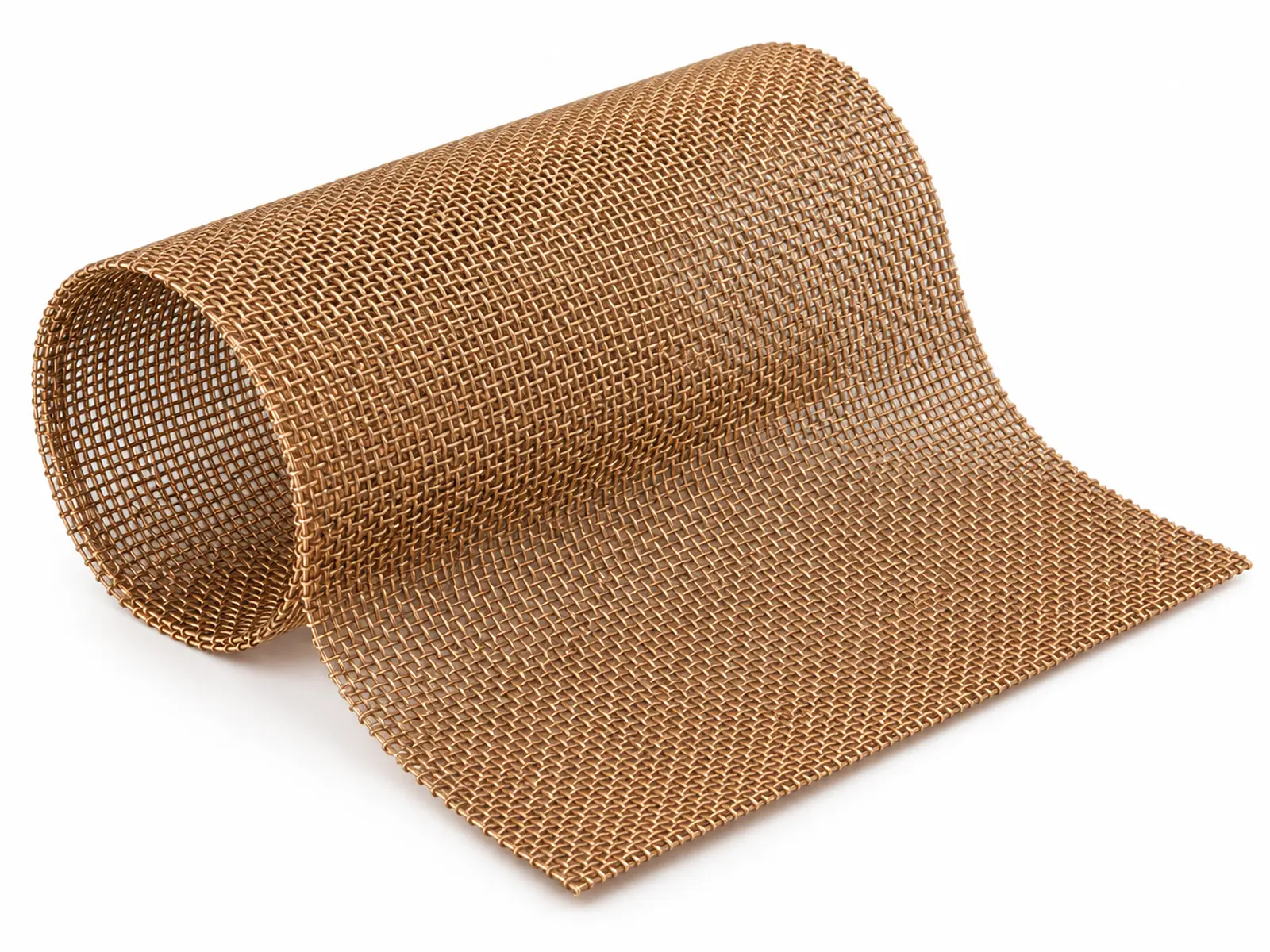
Close-up of fine twill-woven phosphor bronze wire mesh with a reddish-gold metallic color, folded edge in the foreground

Phosphor Bronze Wire Mesh (ASTM E2016 / ISO 9044) is specified where the duty calls for screening and filtering in marine, fuel and fatigue-loaded duties where tin-bronze cloth outlasts brass and stays non-magnetic. The sections below cover the typical end-uses by industry, the mesh, micron and material decisions for each, installation practice, and the applications this product type is not suited to.

Typical Applications for Phosphor Bronze Wire Mesh

Where Phosphor Bronze Wire Mesh is specified and bought:

  • Marine & offshore: sea-water strainers, bilge screens and sensor guards on vessels.
  • Fuel & oil systems: aviation and diesel fuel screens.
  • Electronics: EMI shielding gaskets and spring-contact mesh.
  • Papermaking: cylinder-mould and dandy-roll cloth.

How to Specify Phosphor Bronze Wire Mesh for Your Application

  • Alloy: CuSn6 (C51900) for marine strainers; CuSn8 for higher strength.
  • Weave: Twill weave from 100-mesh up carries the finer wire with more strength.
  • Size: Supplied in rolls, cut pieces, discs or formed baskets.
  • Standard: Quote ASTM E2016 / ISO 9044 and the size designation from the table on the product page, plus any value you changed in the technical drawing.

Handling & Installation Practice

  • Back fine bronze cloth with a coarser support mesh when used against pressure.
  • Rinse sea-water strainers with fresh water during maintenance to slow fouling.

Common Selection Mistakes with Phosphor Bronze Wire Mesh

  • Choosing brass instead of phosphor bronze for sea water, where brass dezincifies.
  • Specifying bronze where 316L stainless would be cheaper and equally resistant.

Where Phosphor Bronze Wire Mesh Is Not the Right Choice

Not for strong acids or ammonia, and not the lowest-cost choice where stainless steel will do.
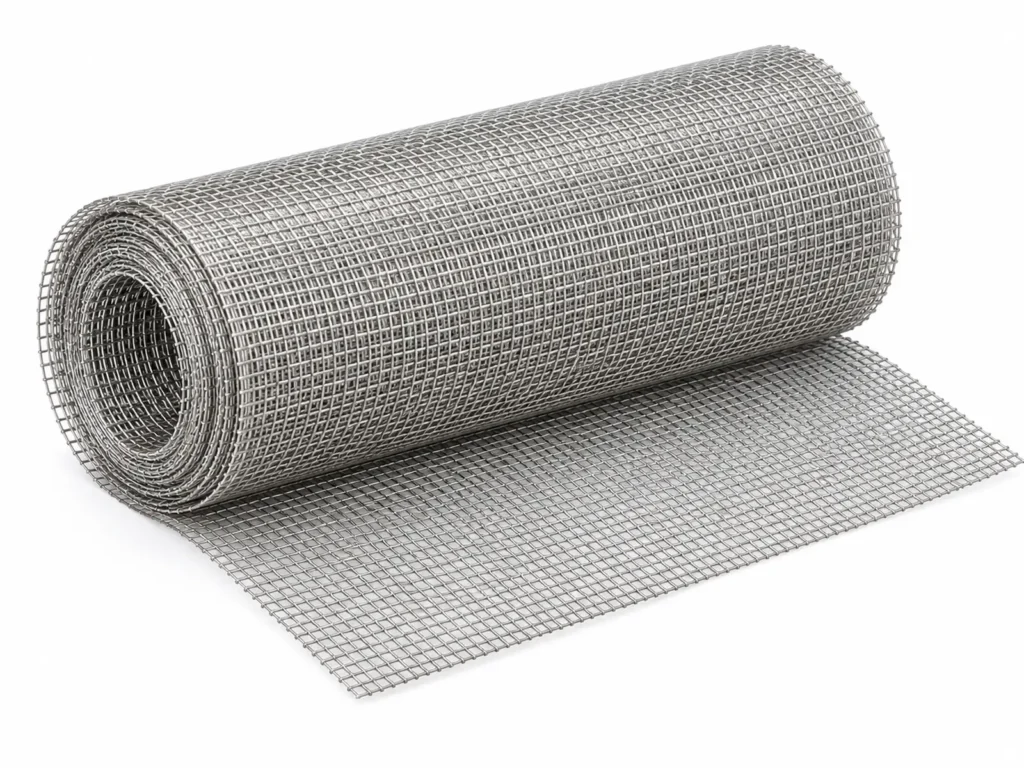
If This Construction Is Not the Right Fit

Closely related mesh types for the same duty — compare open area, aperture range and cleanability before you commit.

Technical Drawing

Customize the parameters below — every spec field is editable, and the drawing redraws to match the values you choose. Changing the size will snap the other fields to that size's standard values; you can then override any individual value.

Sends the selected values to the quote form below.

Request a Quote

Set the size and options in the drawing above, then send the exact configuration straight to this form.

Request a Quotation

Specification
Business Information

Dimensions & Specifications (ASTM E2016 / ISO 9044)

Mesh countWire diameter (mm)Aperture (mm)Micron rating (u00b5m)Open area (%)Alloy
30-Mesh0.3000.54754741.7CuSn6 (C51900)
60-Mesh0.1800.24324333.0CuSn6 (C51900)
100-Mesh0.1100.14414432.0CuSn6 (C51900)
150-Mesh0.0660.10310337.2CuSn6 (C51900)
200-Mesh0.0530.0747434.0CuSn6 (C51900)

Frequently Asked Questions

What is Phosphor Bronze Wire Mesh used for?

Screening and filtering in marine, fuel and fatigue-loaded duties where tin-bronze cloth outlasts brass and stays non-magnetic.

Phosphor bronze or brass mesh — what is the difference?

Phosphor bronze contains tin instead of zinc, so it resists sea water and fatigue much better than brass.

Is phosphor bronze mesh good for marine use?

Yes — it is one of the classic alloys for sea-water strainers and guards.

Can phosphor bronze mesh be used for EMI shielding?

Yes; it conducts well, is springy and is used for shielding gaskets.

Can I get a quote for Phosphor Bronze Wire Mesh to my own drawing?

Yes. Set the size and any custom value in the technical drawing on the product page and send it with the quote form; we reply within one business day.