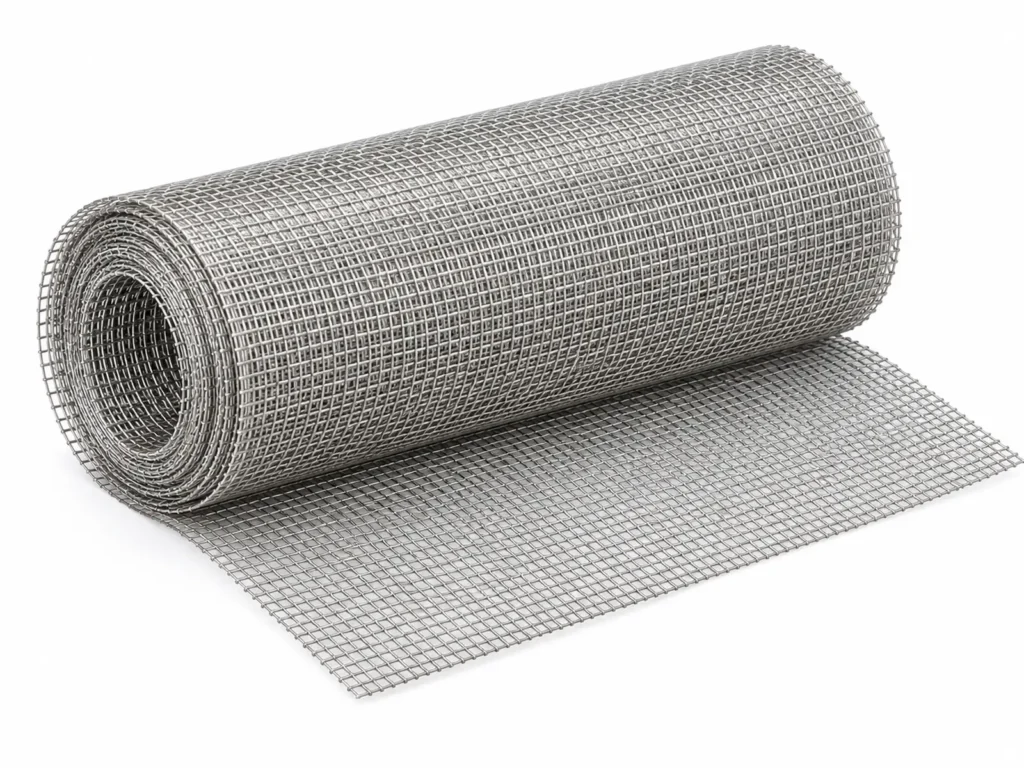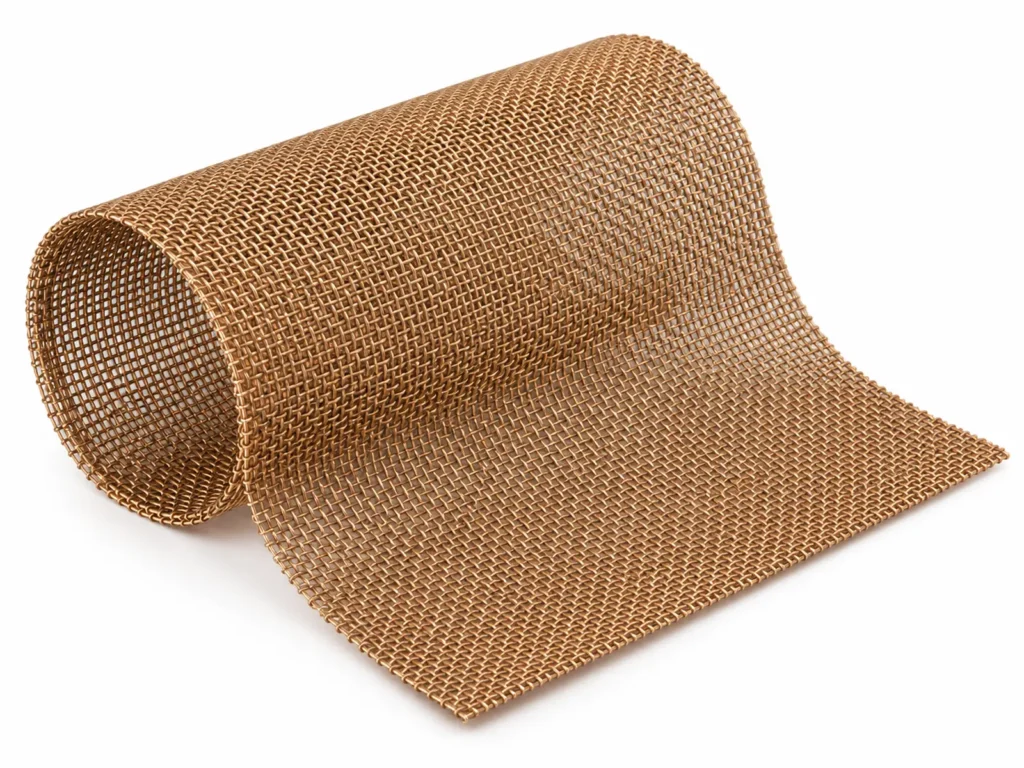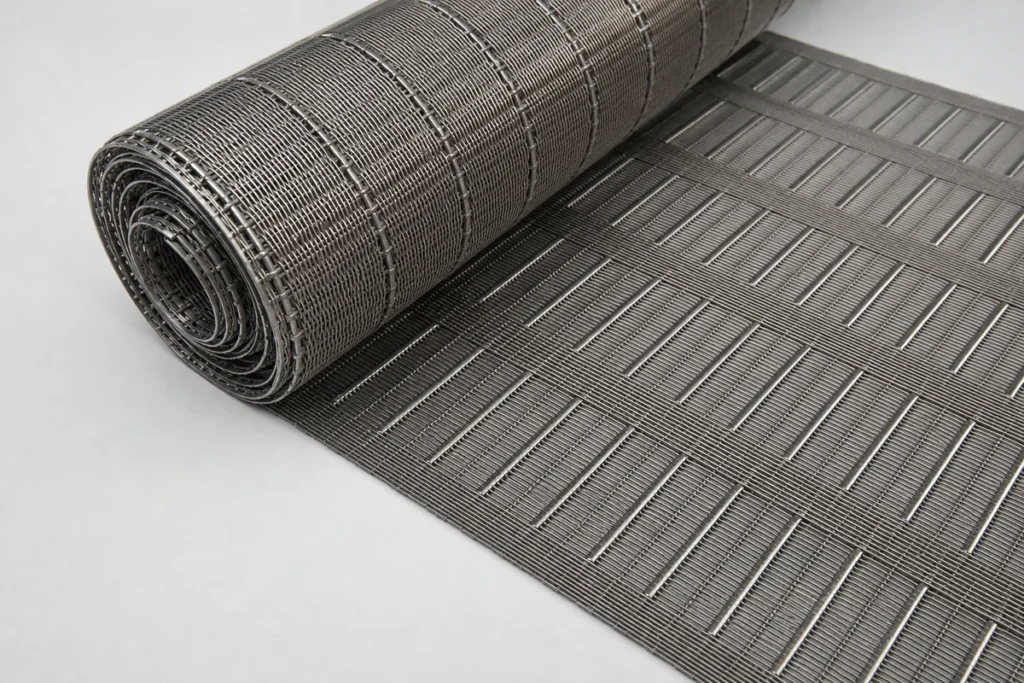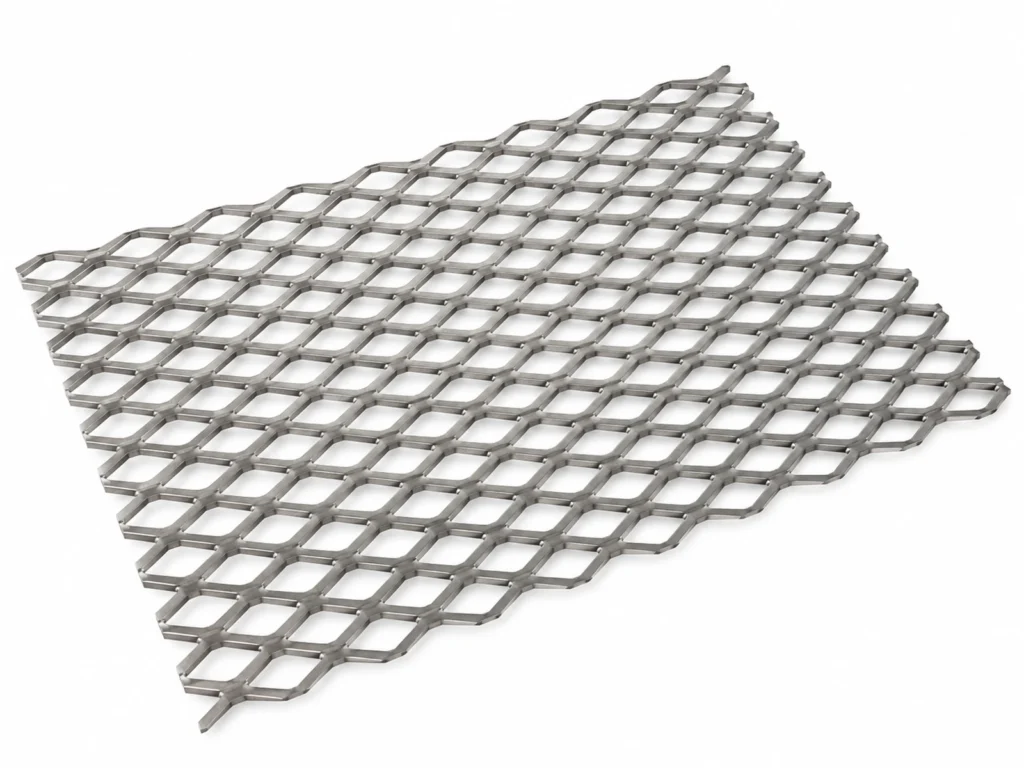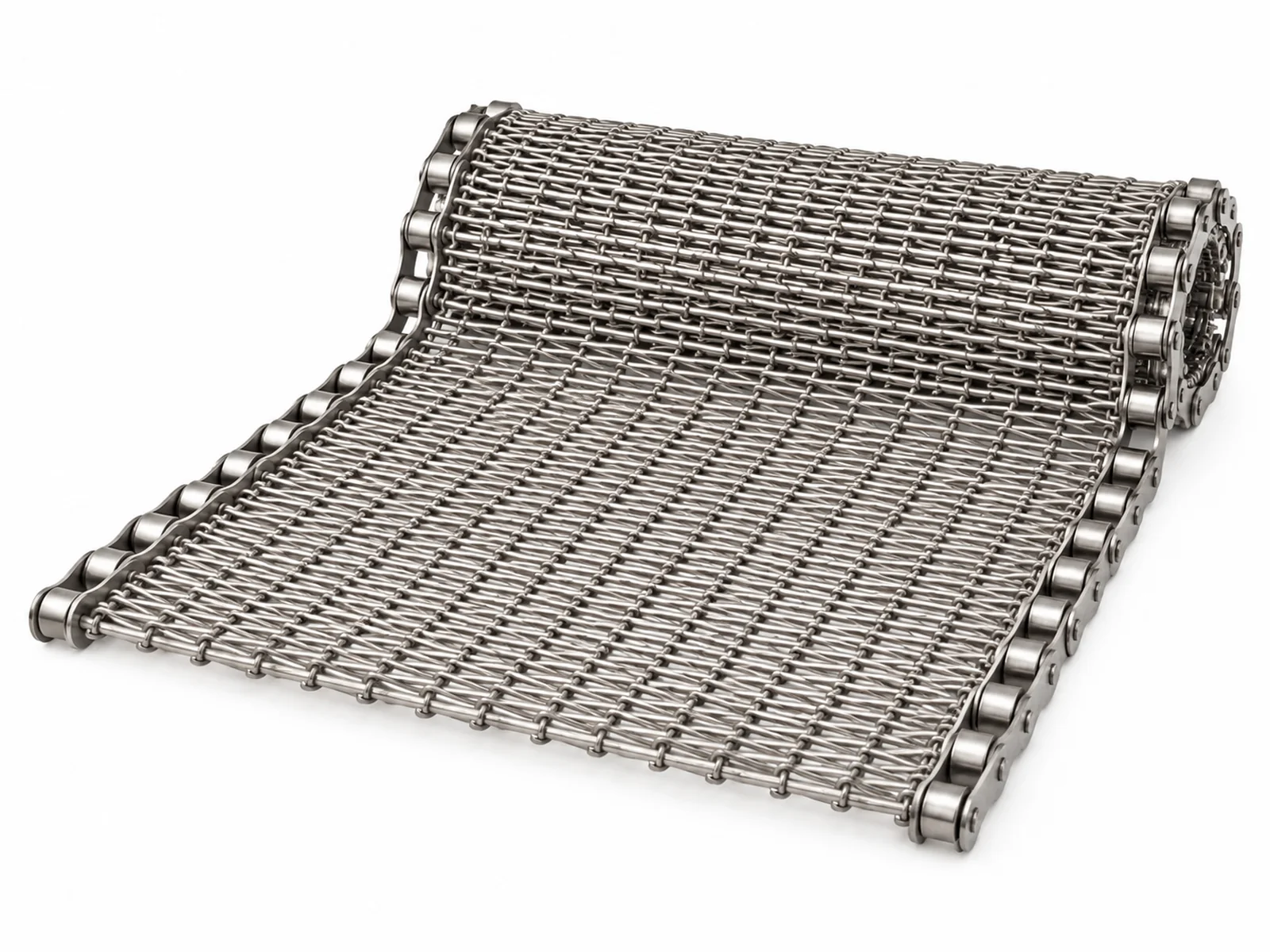
The primary duty of Metal Mesh Conveyor Belt is carrying parts and food through ovens, furnaces, washers, dryers and freezers on an open woven metal belt that air, heat and liquid pass through. Below: the sectors that specify it in volume, the checklist used to select the right mesh and alloy for the application, handling notes, and the known limits of the type.
Typical Applications for Metal Mesh Conveyor Belt
Where Metal Mesh Conveyor Belt is specified and bought:
- Heat treatment & brazing: mesh belts through hardening, annealing and brazing furnaces.
- Food processing: baking, frying, cooling and freezing tunnels.
- Glass & electronics: annealing lehrs and reflow and drying ovens.
- Industrial washing: parts washers and drying lines.
How to Specify Metal Mesh Conveyor Belt for Your Application
- Belt pattern: Balanced weave for heavy furnace loads; flat-flex for food and light loads; chain-edge for driven sprockets.
- Alloy: SS304 to 900 °C, SS314 to 1100 °C, Inconel above that.
- Width & drive: Specify belt width, length, drive method and edge finish.
- Standard: Quote ISO 251 / DIN 22100 belt widths and the size designation from the table on the product page, plus any value you changed in the technical drawing.
Handling & Installation Practice
- Track the belt carefully and tension evenly to stop edge wear.
- Run new furnace belts up to temperature gradually so they stretch evenly.
Common Selection Mistakes with Metal Mesh Conveyor Belt
- Choosing an alloy below the furnace temperature, so the belt creeps and stretches.
- Mixing belt patterns on one conveyor.
Where Metal Mesh Conveyor Belt Is Not the Right Choice
Not for very fine powders that would fall through the openings — a solid or fine-mesh overlay is needed.