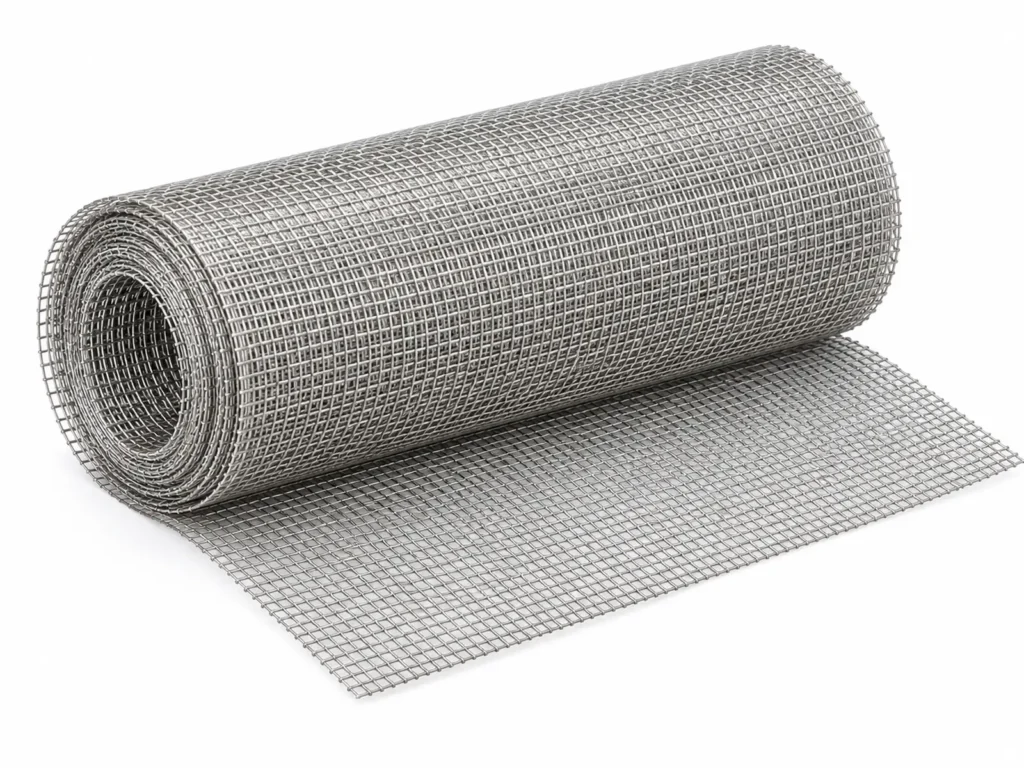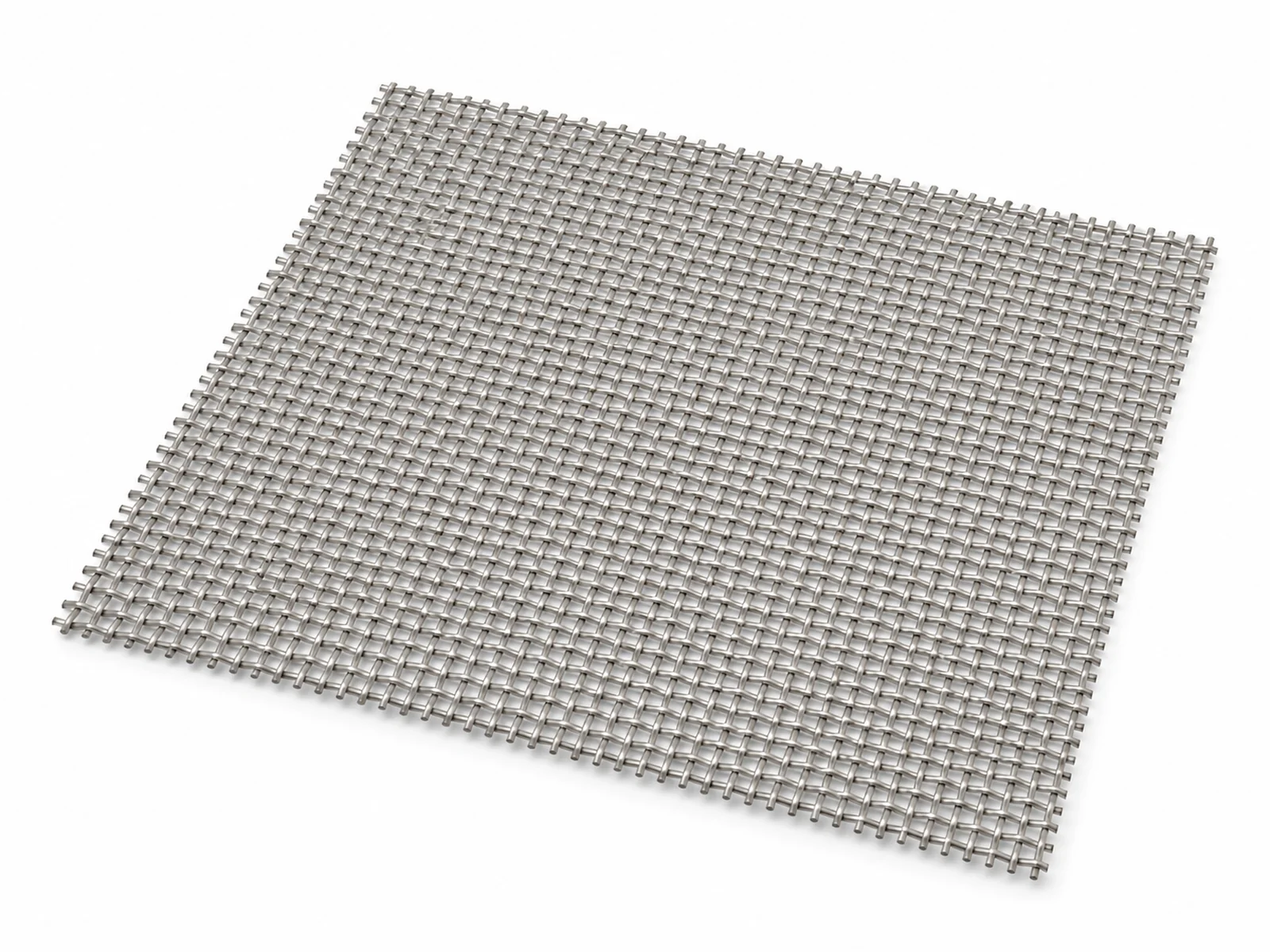
The primary duty of Nickel Wire Mesh is serving as electrodes, current collectors and caustic-resistant filter cloth in batteries, electrolyzers and alkaline chemical processes. Below: the sectors that specify it in volume, the checklist used to select the right mesh and alloy for the application, handling notes, and the known limits of the type.
Typical Applications for Nickel Wire Mesh
Where Nickel Wire Mesh is specified and bought:
- Hydrogen electrolyzers: anode and cathode mesh in alkaline water electrolysis.
- Batteries & fuel cells: current collectors for Ni-MH, Ni-Cd and research cells.
- Caustic soda & chlor-alkali: filter and demister cloth in hot alkaline service.
- Electroplating & electronics: anode baskets and shielding.
How to Specify Nickel Wire Mesh for Your Application
- Grade: Nickel 200 for general use; Nickel 201 (low carbon) above 315 °C.
- Mesh & wire: 40–100 mesh for electrodes; finer mesh for filtration.
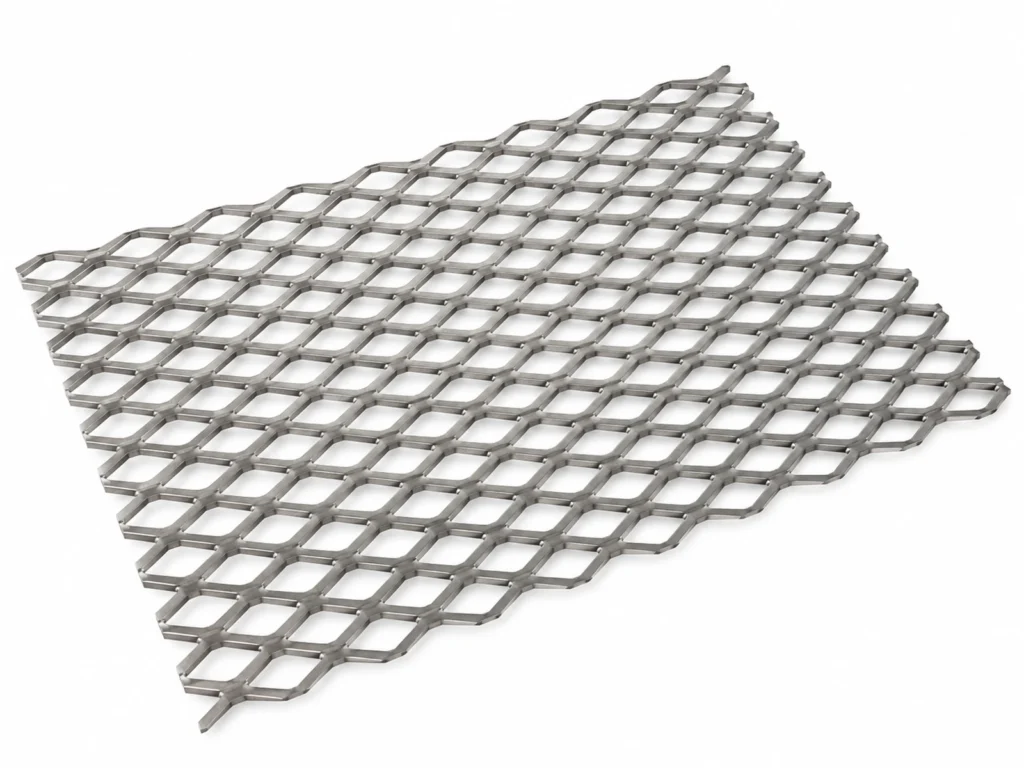
- Form: Rolls, cut sheets, activated or expanded nickel for electrolyzer stacks.
- Standard: Quote ASTM E2016 / ISO 9044 and the size designation from the table on the product page, plus any value you changed in the technical drawing.
Handling & Installation Practice
- Degrease and handle with gloves before electrochemical use; contamination affects catalytic activity.
- Spot-weld rather than solder tabs to keep contacts low-resistance.
Common Selection Mistakes with Nickel Wire Mesh
- Using Nickel 200 above 315 °C, where it embrittles — use Nickel 201.
- Exposing nickel mesh to oxidizing acids such as nitric acid.
Where Nickel Wire Mesh Is Not the Right Choice
Not for oxidizing acids or sulfur-bearing hot gases; choose Inconel or Hastelloy there.