Skip to content

Kitchen & Appliance Filters · FDA 21 CFR / EU 1935/2004 food contact · Application guide

What Is Flour Sifter & Baking Sieve Used For?

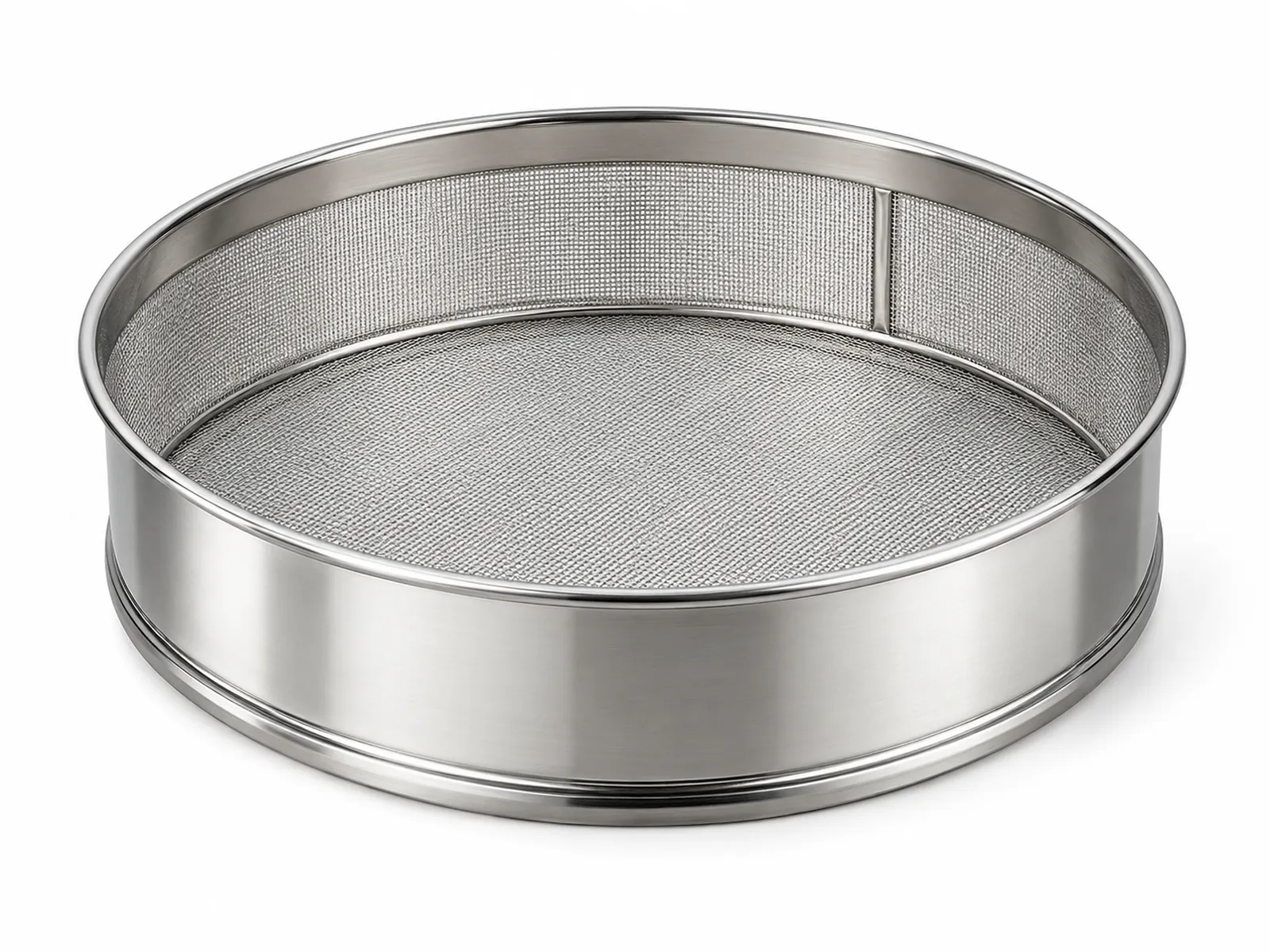
A round stainless steel drum flour sieve with fine woven mesh, flour falling through it into a ceramic mixing bowl, eggs

The primary duty of Flour Sifter & Baking Sieve is aerating flour, cocoa and icing sugar and removing lumps before mixing batters and doughs. Below: the sectors that specify it in volume, the checklist used to select the right mesh and alloy for the application, handling notes, and the known limits of the type.

Typical Applications for Flour Sifter & Baking Sieve

Where Flour Sifter & Baking Sieve is specified and bought:

  • Bakeware brands: drum sieves and crank sifters in baking sets.
  • Artisan bakeries: sifting rye and spelt flours and blending dry ingredients.
  • Pastry kitchens: dusting fine icing sugar and cocoa over finished desserts.
  • Food factories: small-batch hand sifting in pilot kitchens.

How to Specify Flour Sifter & Baking Sieve for Your Application

  • Frame: Stainless drum for wet-wash hygiene; beech-wood ring for a traditional hand-tapped sieve.
  • Mesh: 30–40 mesh for flour; 60-mesh for icing sugar and almond flour.
  • Diameter: 20 cm for home baking, 30 cm for bakery batches.
  • Standard: Quote FDA 21 CFR / EU 1935/2004 food contact and the size designation from the table on the product page, plus any value you changed in the technical drawing.

Handling & Installation Practice

  • Sift from a low height into the bowl so the lightest particles do not drift off.
  • Tap and brush dry after use; wash only when sticky ingredients have been sifted, then dry fully before storing.

Common Selection Mistakes with Flour Sifter & Baking Sieve

  • Pushing damp brown sugar through a fine sieve, which clogs and stretches the mesh.
  • Storing a wooden-frame sieve wet, which warps the ring and slackens the cloth.

Where Flour Sifter & Baking Sieve Is Not the Right Choice

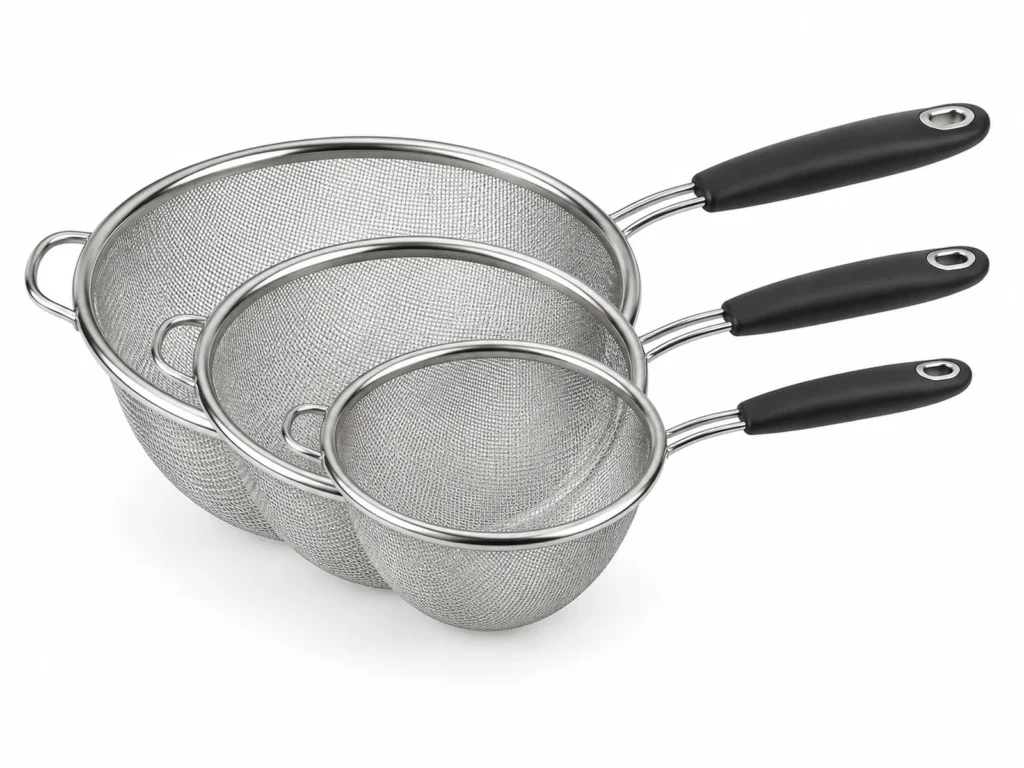
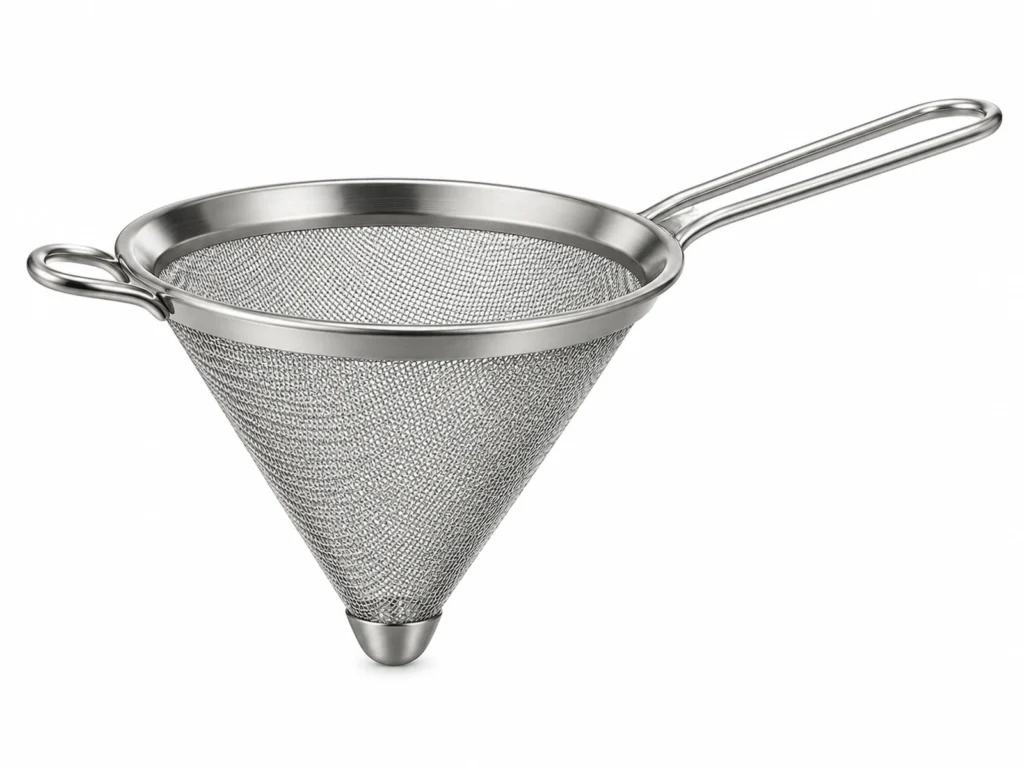
Not designed for wet straining of stocks and sauces — use a deep chinois or a kitchen strainer instead.
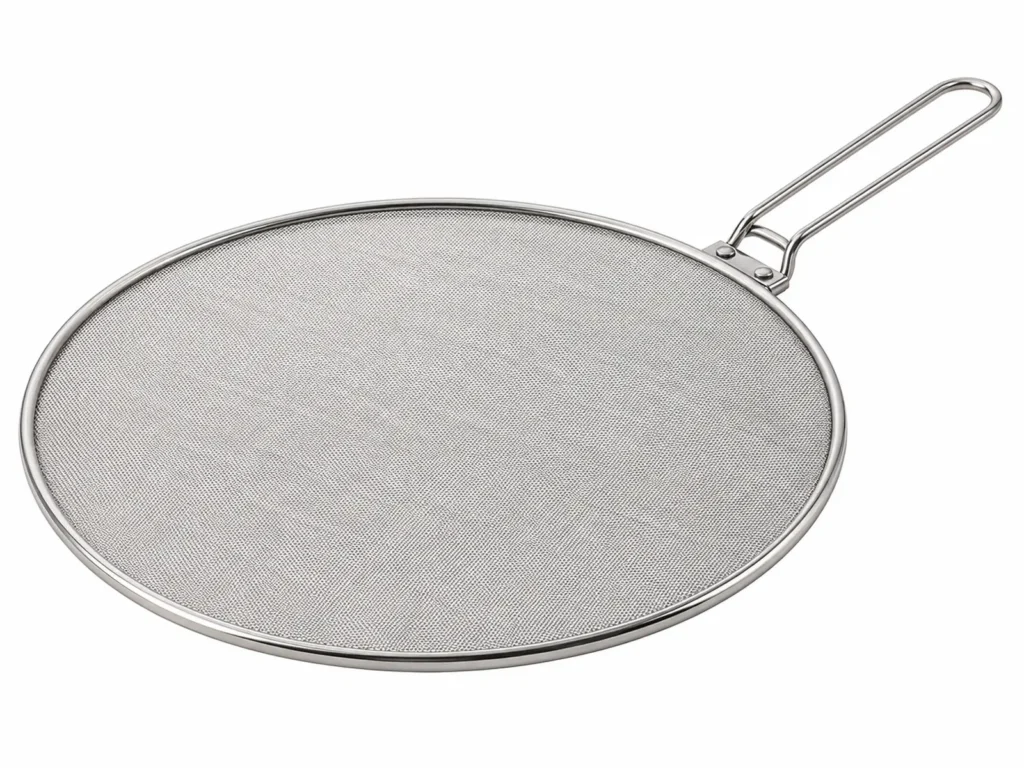
If This Construction Is Not the Right Fit

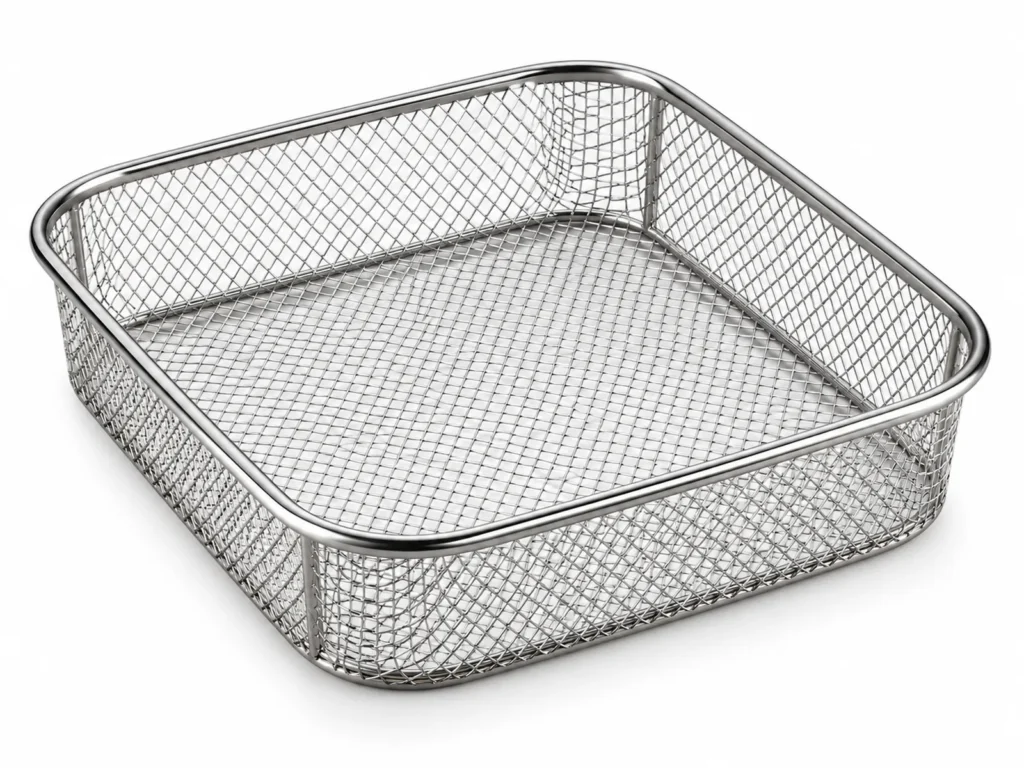
Closely related mesh types for the same duty — compare open area, aperture range and cleanability before you commit.

Technical Drawing

Customize the parameters below — every spec field is editable, and the drawing redraws to match the values you choose. Changing the size will snap the other fields to that size's standard values; you can then override any individual value.

Sends the selected values to the quote form below.

Request a Quote

Set the size and options in the drawing above, then send the exact configuration straight to this form.

Request a Quotation

Specification
Business Information

Dimensions & Specifications (FDA 21 CFR / EU 1935/2004 food contact)

SizeFrame diameter (mm)Frame height (mm)Mesh countAperture (mm)Frame
20 cm drum2006040-Mesh0.385SS304 drum
30 cm drum3007530-Mesh0.547SS304 drum
20 cm fine2006060-Mesh0.233Beech wood ring
Crank sifter 3 cup11513020-Mesh0.870SS cup + agitator

Frequently Asked Questions

What is Flour Sifter & Baking Sieve used for?

Aerating flour, cocoa and icing sugar and removing lumps before mixing batters and doughs.

Do I still need to sift flour?

Modern flour has few lumps, but sifting aerates it and evenly blends leavening, cocoa and spices — it matters most for sponge and macaron batters.

What mesh is best for sifting icing sugar?

Around 60-mesh breaks up lumps and gives an even dusting.

Drum sieve or crank sifter?

A drum sieve is faster for large volumes; a crank sifter is cleaner for small, measured amounts.

Can I get a quote for Flour Sifter & Baking Sieve to my own drawing?

Yes. Set the size and any custom value in the technical drawing on the product page and send it with the quote form; we reply within one business day.