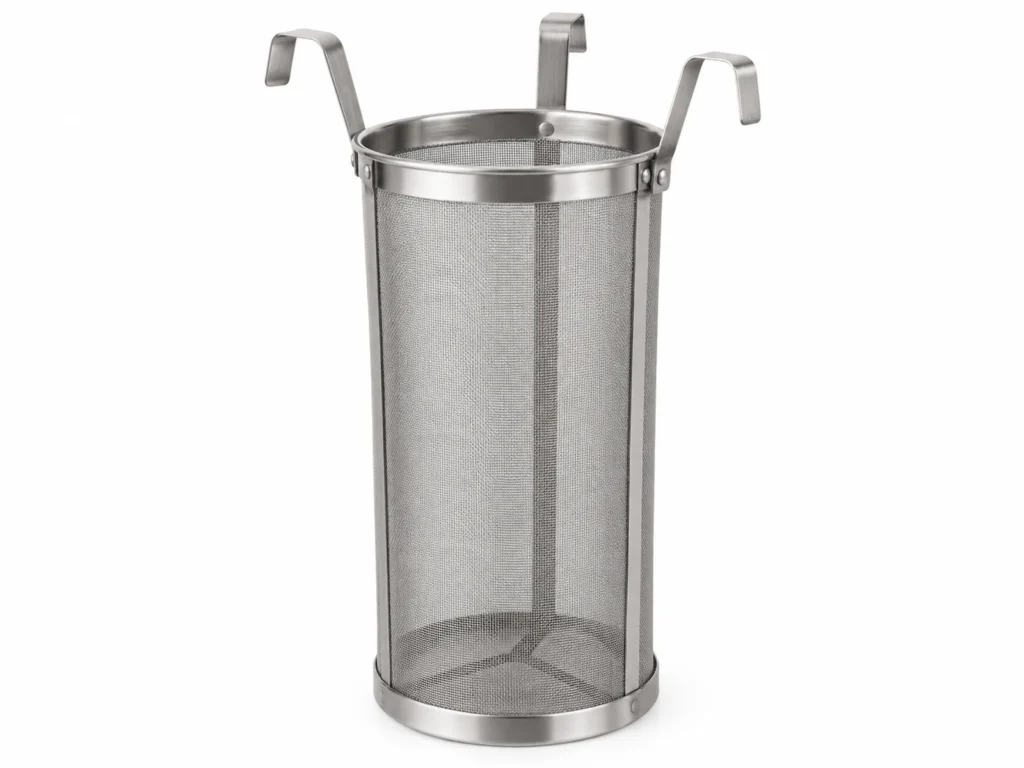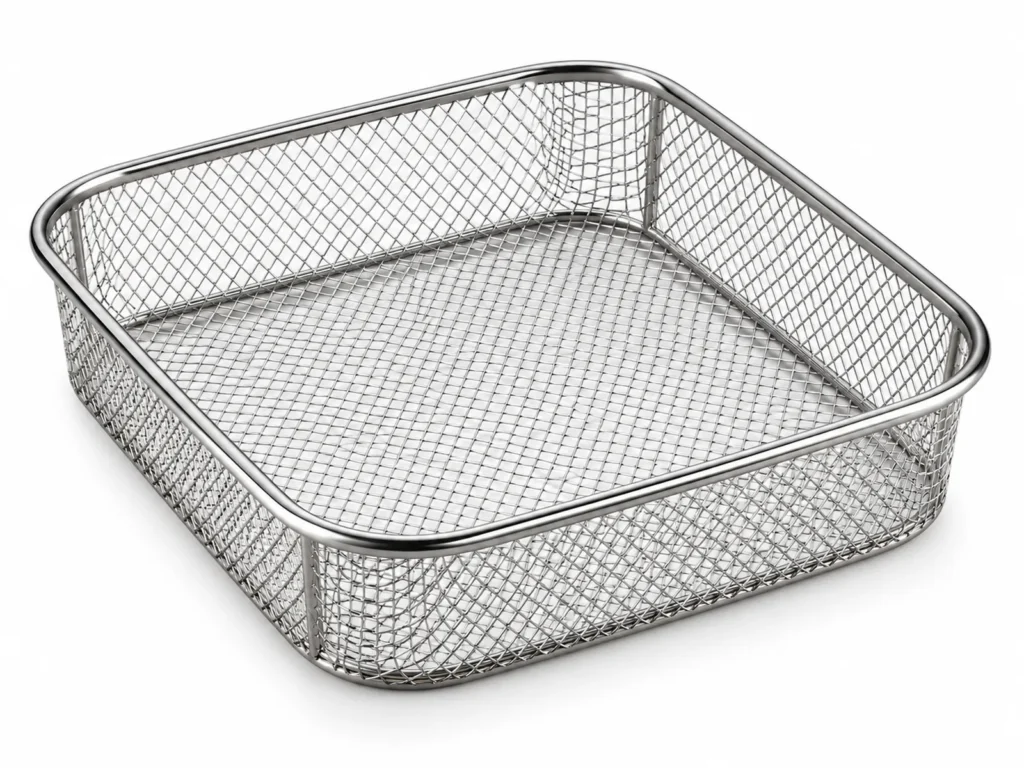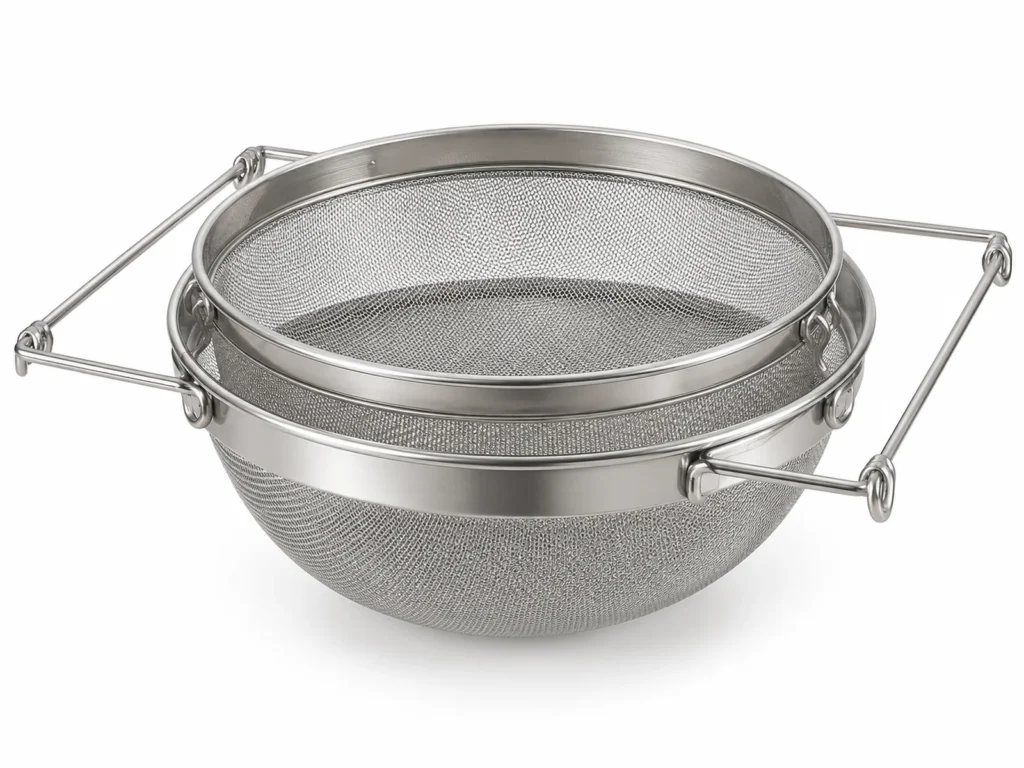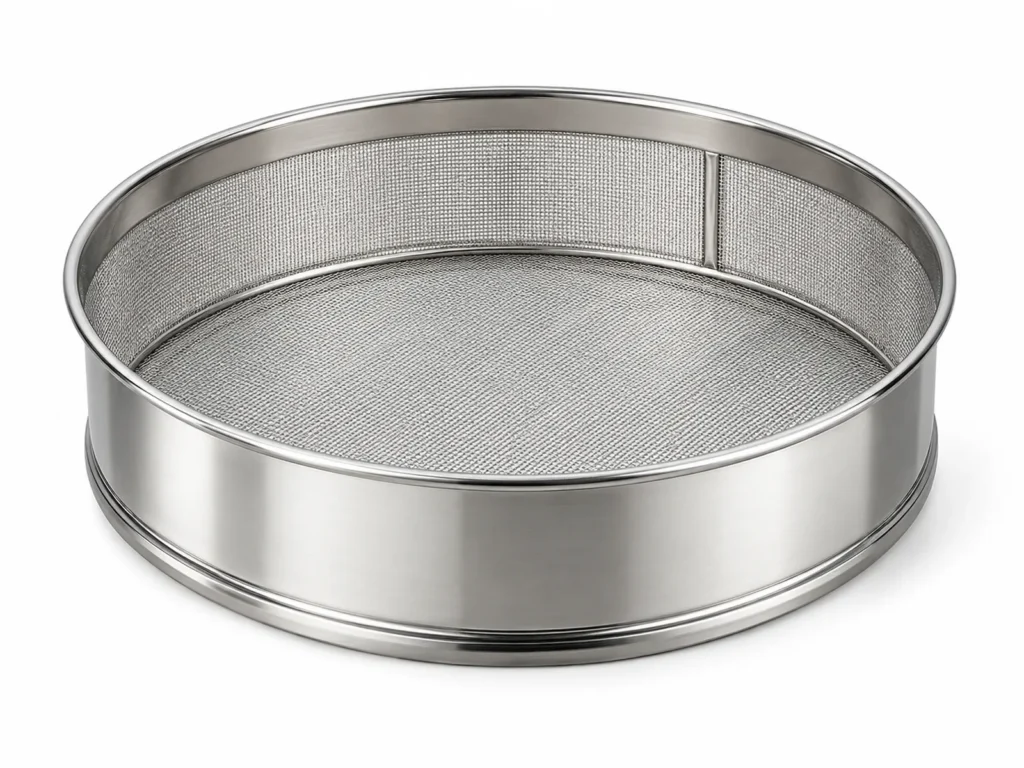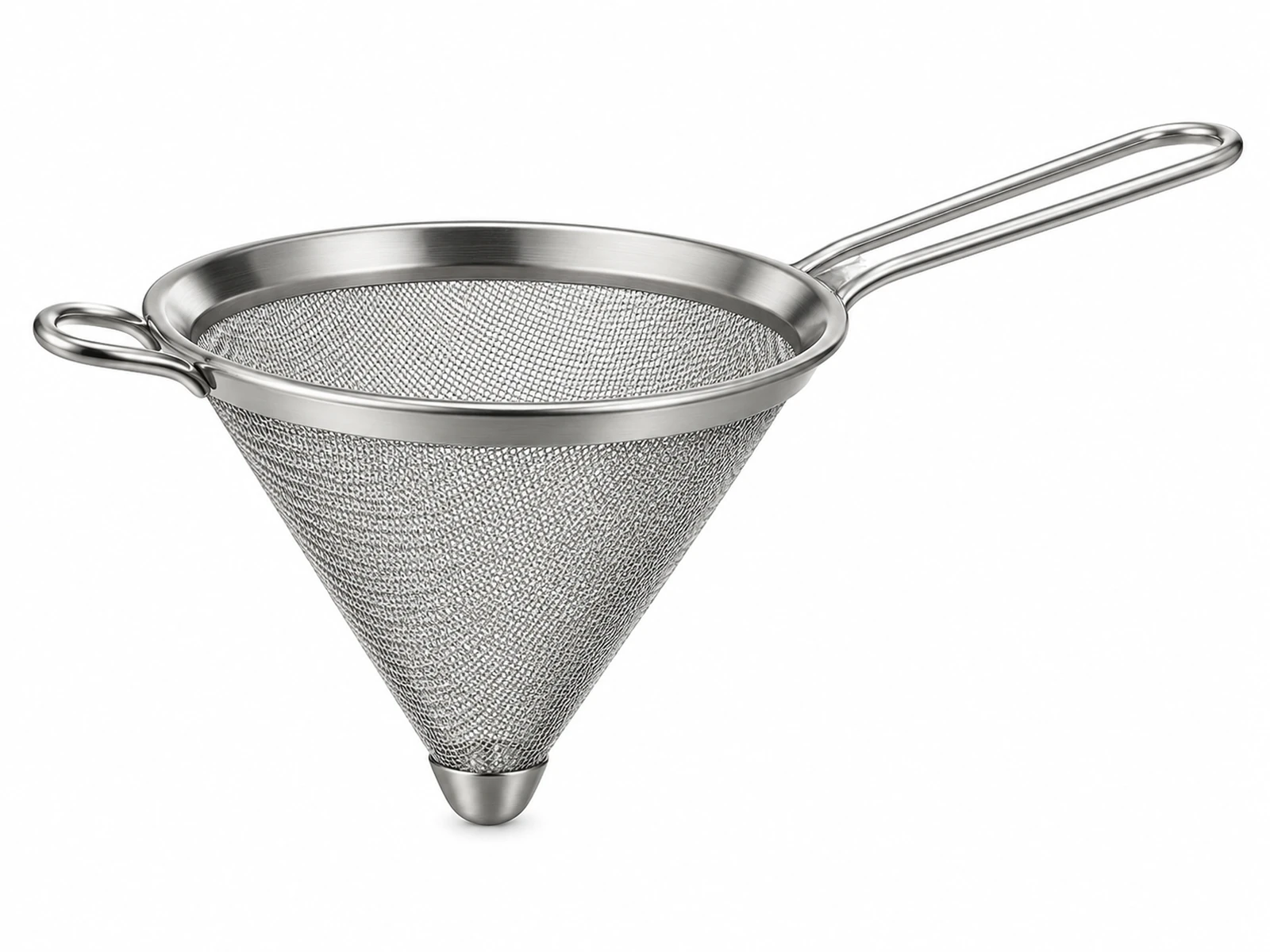
Bar Fine-Mesh Cocktail Strainer (FDA 21 CFR / EU 1935/2004 food contact) is specified where the duty calls for double-straining shaken cocktails so ice shards, mint fragments and citrus pulp stay out of the glass. The sections below cover the typical end-uses by industry, the mesh, micron and material decisions for each, installation practice, and the applications this product type is not suited to.
Typical Applications for Bar Fine-Mesh Cocktail Strainer
Where Bar Fine-Mesh Cocktail Strainer is specified and bought:
- Barware brands: cone strainers packaged with shakers, jiggers and Hawthorne strainers.
- Craft cocktail bars: double straining every shaken, served-up drink for a clean texture.
- Hotel & banquet bars: durable stainless strainers that survive commercial glasswashers.
- Coffee & tea bars: straining shaken espresso and fruit teas.
How to Specify Bar Fine-Mesh Cocktail Strainer for Your Application
- Bowl diameter: 85–90 mm sits steadily on coupes and rocks glasses.
- Mesh: 60-mesh for speed; 100-mesh for egg-white sours and muddled herbs.
- Insert option: A flat coil-spring insert converts a shaker tin into a Hawthorne strainer.
- Standard: Quote FDA 21 CFR / EU 1935/2004 food contact and the size designation from the table on the product page, plus any value you changed in the technical drawing.
Handling & Installation Practice
- Hold the cone a few centimeters above the glass and tap the handle to keep flow moving.
- Rinse between drinks so sugar and pulp do not dry in the mesh during service.
Common Selection Mistakes with Bar Fine-Mesh Cocktail Strainer
- Using a 60-mesh cone for egg-white drinks, which lets foam bubbles of uneven size through.
- Choosing a deep cone for rocks glasses; it tips over on narrow rims.
Where Bar Fine-Mesh Cocktail Strainer Is Not the Right Choice
Not suited to stirred drinks served over ice, where a julep or Hawthorne strainer alone is faster and finer filtering is unnecessary.