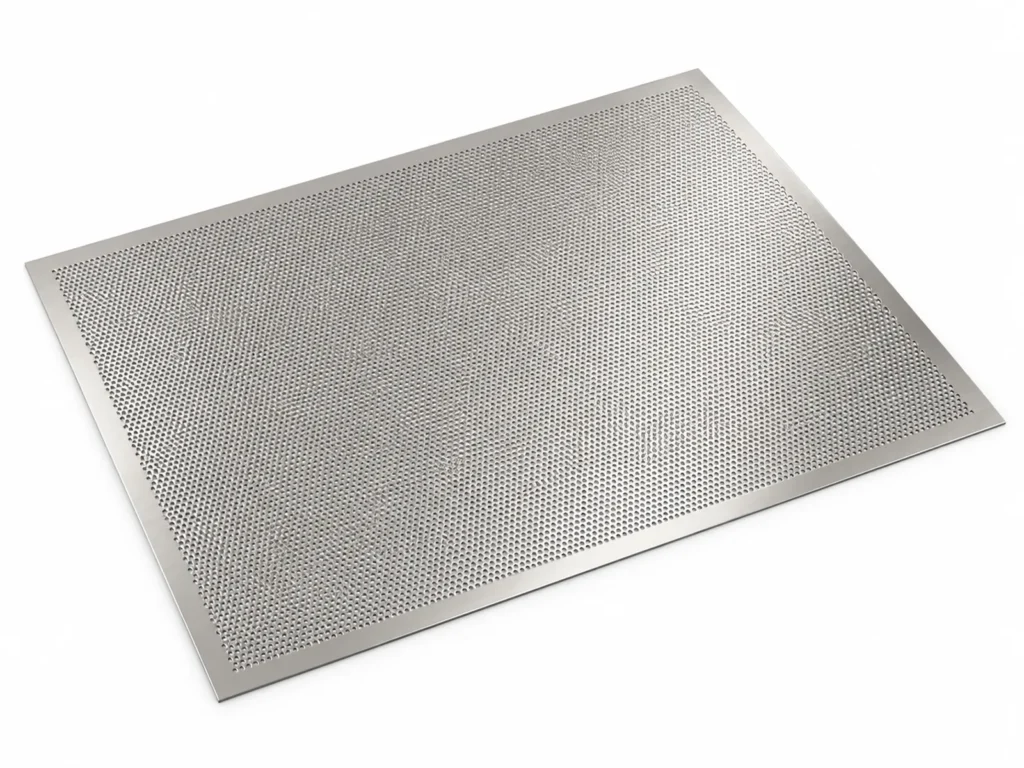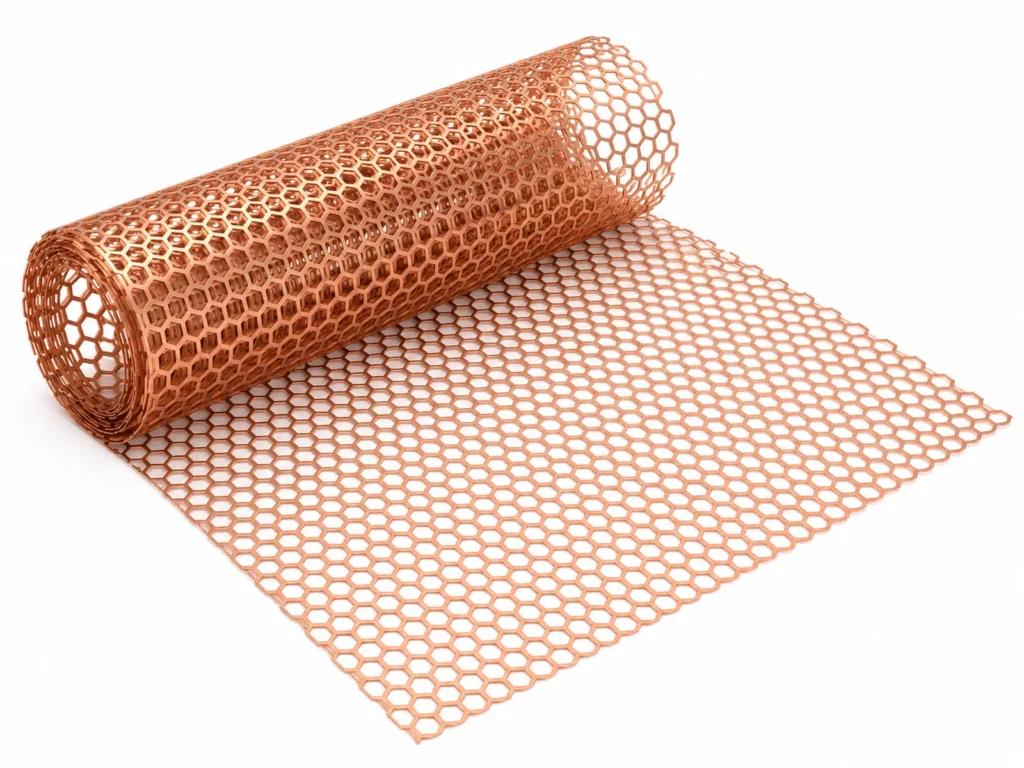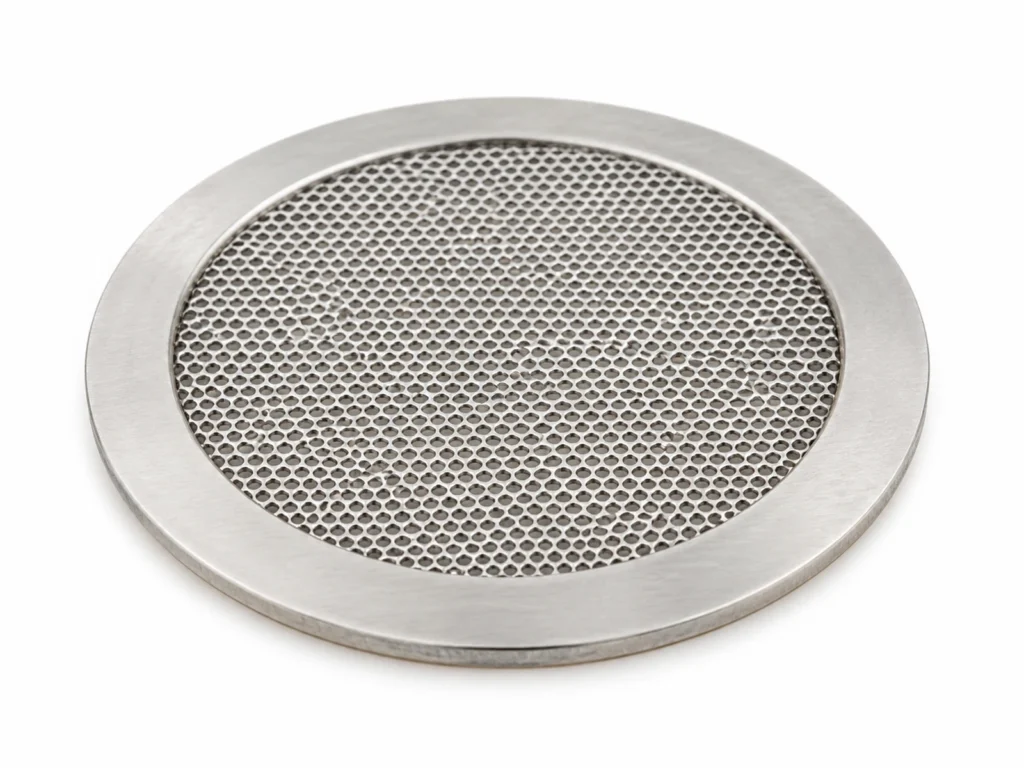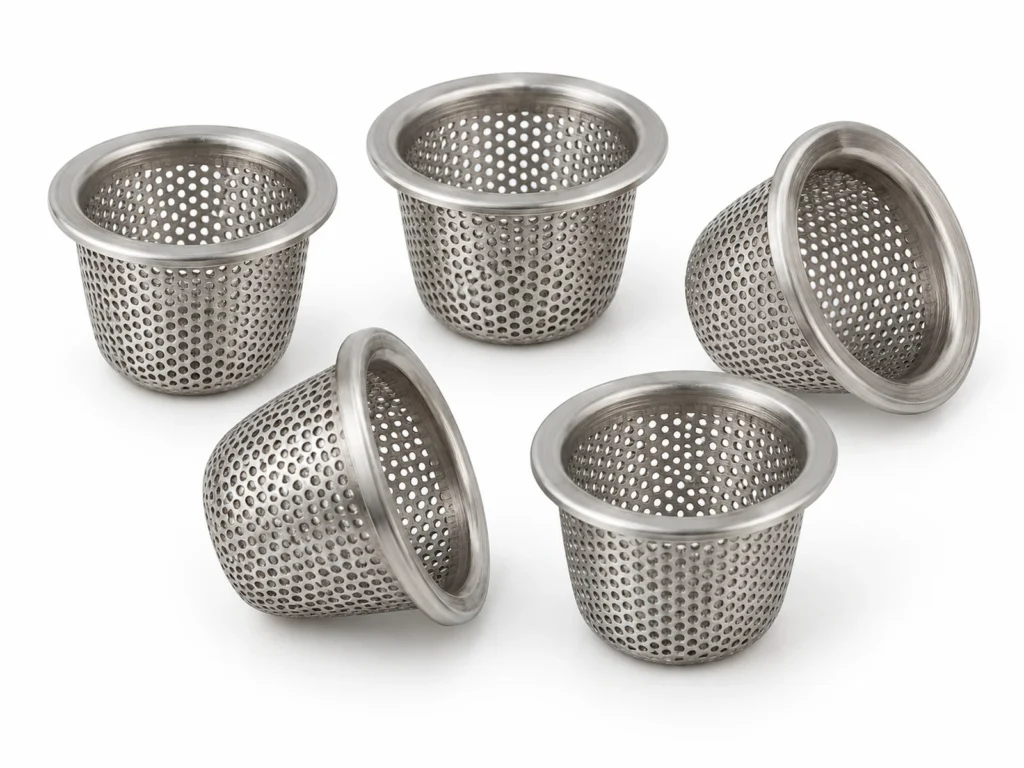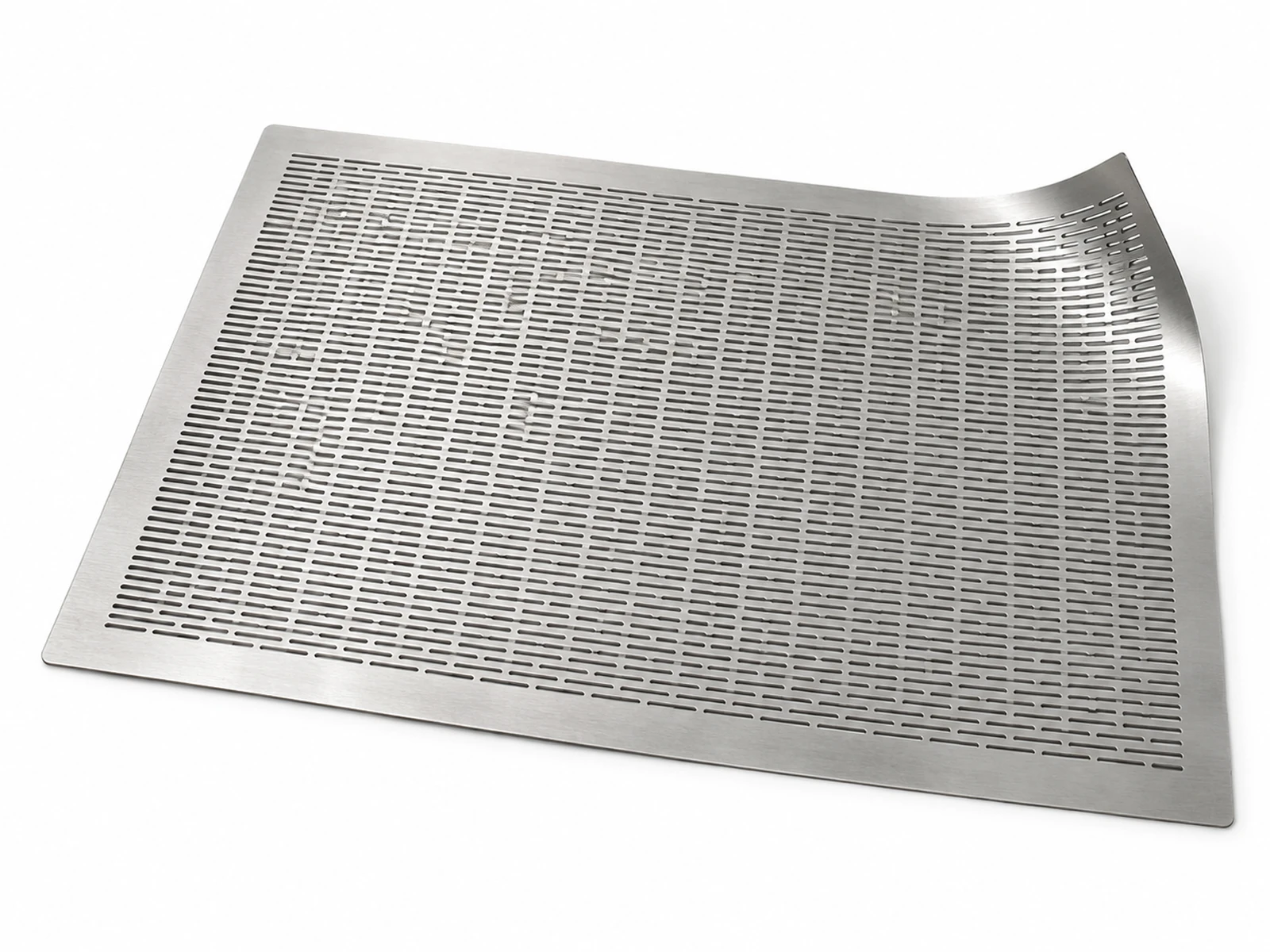
The primary duty of Etched Micro-Slot Filter Screen is filtering through precise micro-slots etched into thin metal foil, which give more open area than round holes of the same width and resist blinding by flat or fibrous particles. Below: the sectors that specify it in volume, the checklist used to select the right mesh and alloy for the application, handling notes, and the known limits of the type.
Typical Applications for Etched Micro-Slot Filter Screen
Where Etched Micro-Slot Filter Screen is specified and bought:
- Fuel & hydraulic valves: slot filters that fit inside compact valve and injector bodies.
- Medical devices: slot screens in infusion pumps and catheters.
- Beverage dispensers: micro-slot strainers on syrup and water lines.
- Instrumentation: sensor-port and sampling screens.
How to Specify Etched Micro-Slot Filter Screen for Your Application
- Slot width: 0.05–0.2 mm — the width, not the length, sets particle retention.
- Slot length & pattern: Longer slots raise open area; staggered rows keep the sheet stiff.
- Foil: 0.05–0.2 mm SS316L, with slot width at least equal to foil thickness.
- Standard: Quote Photo-chemical machining to drawing (ISO 2768-f) and the size designation from the table on the product page, plus any value you changed in the technical drawing.
Handling & Installation Practice
- Orient slots as the flow design requires; slots across the flow drain better.
- Clean ultrasonically in a mild detergent, never with a wire brush.
Common Selection Mistakes with Etched Micro-Slot Filter Screen
- Specifying slots narrower than the foil thickness, which etching cannot produce cleanly.
- Ignoring slot orientation when forming the screen into a cup or tube.
Where Etched Micro-Slot Filter Screen Is Not the Right Choice
Not for coarse straining, where punched perforated sheet is cheaper.