Skip to content

Chemically Etched Filters & Mesh · Photo-chemical machining to drawing (ISO 2768-f) · Application guide

What Is Etched Hexagonal Shielding Mesh Used For?

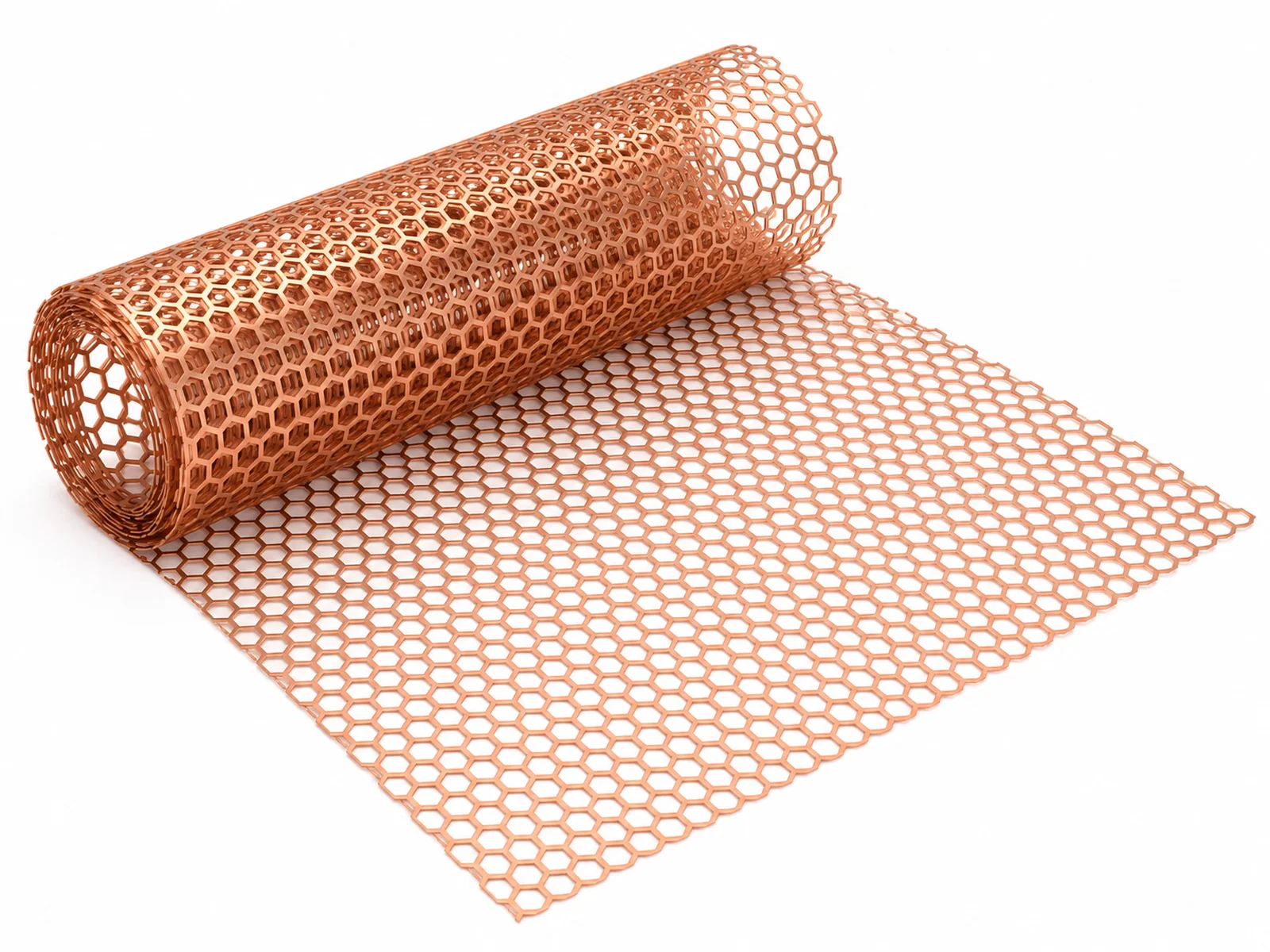
A thin sheet of etched copper hexagonal honeycomb shielding mesh with very fine bars, held over an electronics enclosure vent

Etched Hexagonal Shielding Mesh (Photo-chemical machining to drawing (ISO 2768-f)) is specified where the duty calls for shielding electronics from EMI and protecting vents and windows with ultra-thin etched hexagonal mesh that keeps 80–90 % open area for airflow and visibility. The sections below cover the typical end-uses by industry, the mesh, micron and material decisions for each, installation practice, and the applications this product type is not suited to.

Typical Applications for Etched Hexagonal Shielding Mesh

Where Etched Hexagonal Shielding Mesh is specified and bought:

  • Electronics enclosures: EMI-shielded ventilation and display windows.
  • Aerospace & defense: lightweight shielded apertures.
  • Medical imaging: shielded viewing windows.
  • Consumer devices: shielded speaker and vent openings.

How to Specify Etched Hexagonal Shielding Mesh for Your Application

  • Cell size & bar width: Smaller cells shield higher frequencies; thin bars keep open area high.
  • Material: Copper or nickel silver for conductivity; SS304 for strength.
  • Plating: Tin or nickel plating for solderability and corrosion protection.
  • Standard: Quote Photo-chemical machining to drawing (ISO 2768-f) and the size designation from the table on the product page, plus any value you changed in the technical drawing.

Handling & Installation Practice

  • Bond the mesh continuously to the frame with conductive gasket or solder.
  • Handle by the border; the thin bars crease easily.

Common Selection Mistakes with Etched Hexagonal Shielding Mesh

  • Leaving unbonded edges that leak RF.
  • Choosing cells too large for the frequency.

Where Etched Hexagonal Shielding Mesh Is Not the Right Choice

Not a structural or impact-resistant panel.
If This Construction Is Not the Right Fit

Closely related mesh types for the same duty — compare open area, aperture range and cleanability before you commit.

Technical Drawing

Customize the parameters below — every spec field is editable, and the drawing redraws to match the values you choose. Changing the size will snap the other fields to that size's standard values; you can then override any individual value.

Sends the selected values to the quote form below.

Request a Quote

Set the size and options in the drawing above, then send the exact configuration straight to this form.

Request a Quotation

Specification
Business Information

Dimensions & Specifications (Photo-chemical machining to drawing (ISO 2768-f))

SizeHole diameter (mm)Pitch (mm)Thickness (mm)Open area (%)Material
Hex 0.5 / bar 0.050.500.550.0583Copper
Hex 1.0 / bar 0.081.001.080.0886Nickel silver
Hex 2.0 / bar 0.102.002.100.1090SS304

Frequently Asked Questions

What is Etched Hexagonal Shielding Mesh used for?

Shielding electronics from EMI and protecting vents and windows with ultra-thin etched hexagonal mesh that keeps 80–90 % open area for airflow and visibility.

Why etched hex shielding mesh?

It combines high open area with good shielding and very low weight.

Which material shields best?

Copper, often tin-plated.

How much open area?

Typically 80–90 %.

Can I get a quote for Etched Hexagonal Shielding Mesh to my own drawing?

Yes. Set the size and any custom value in the technical drawing on the product page and send it with the quote form; we reply within one business day.