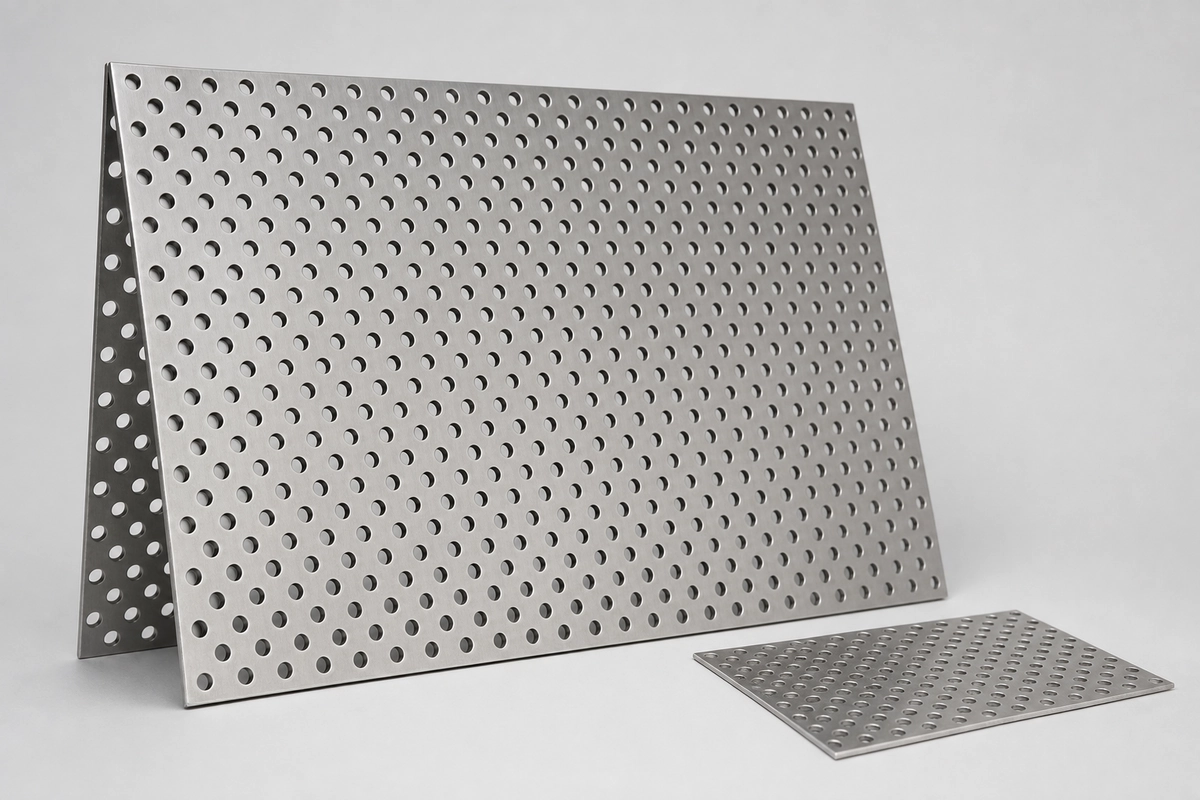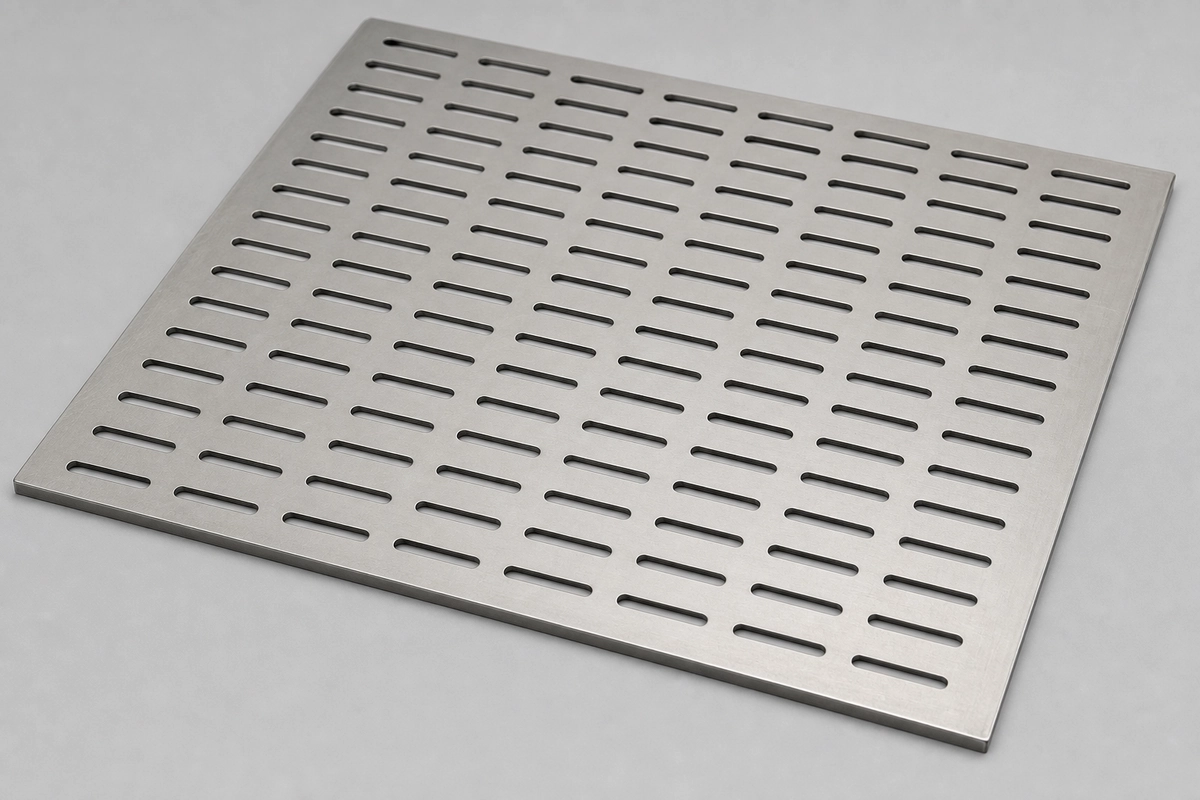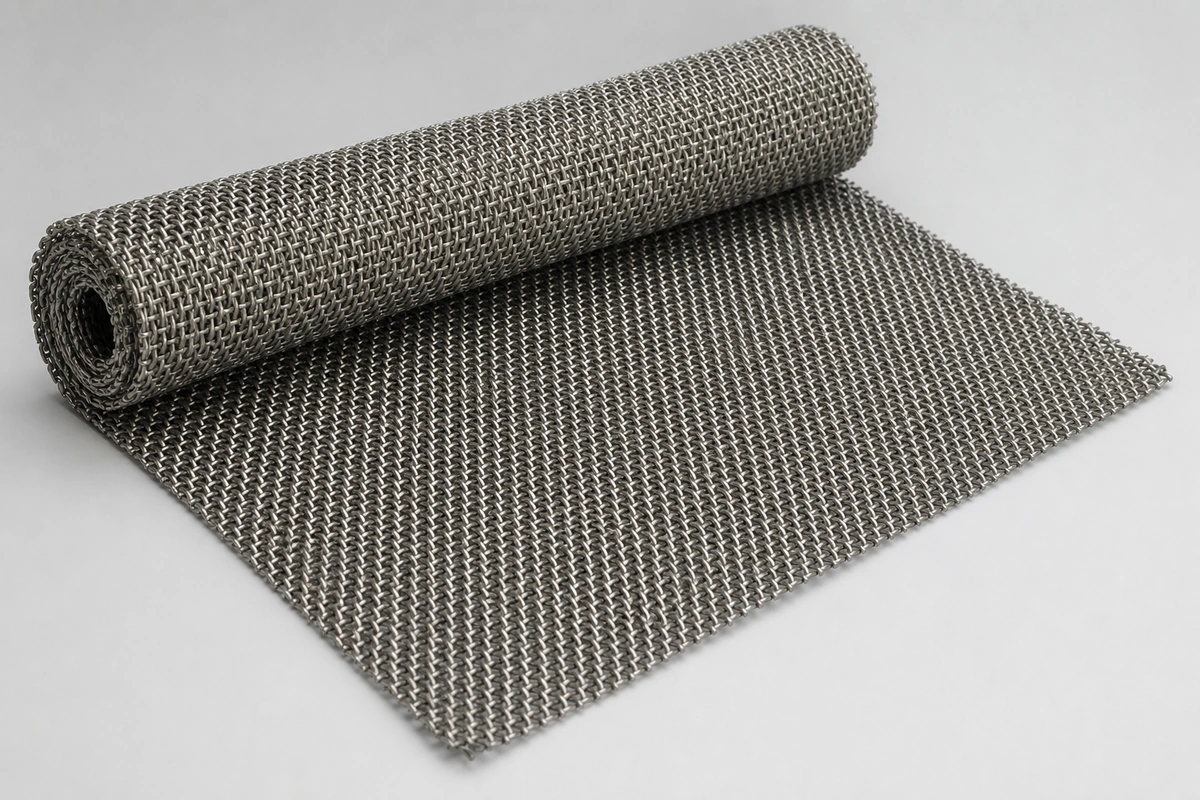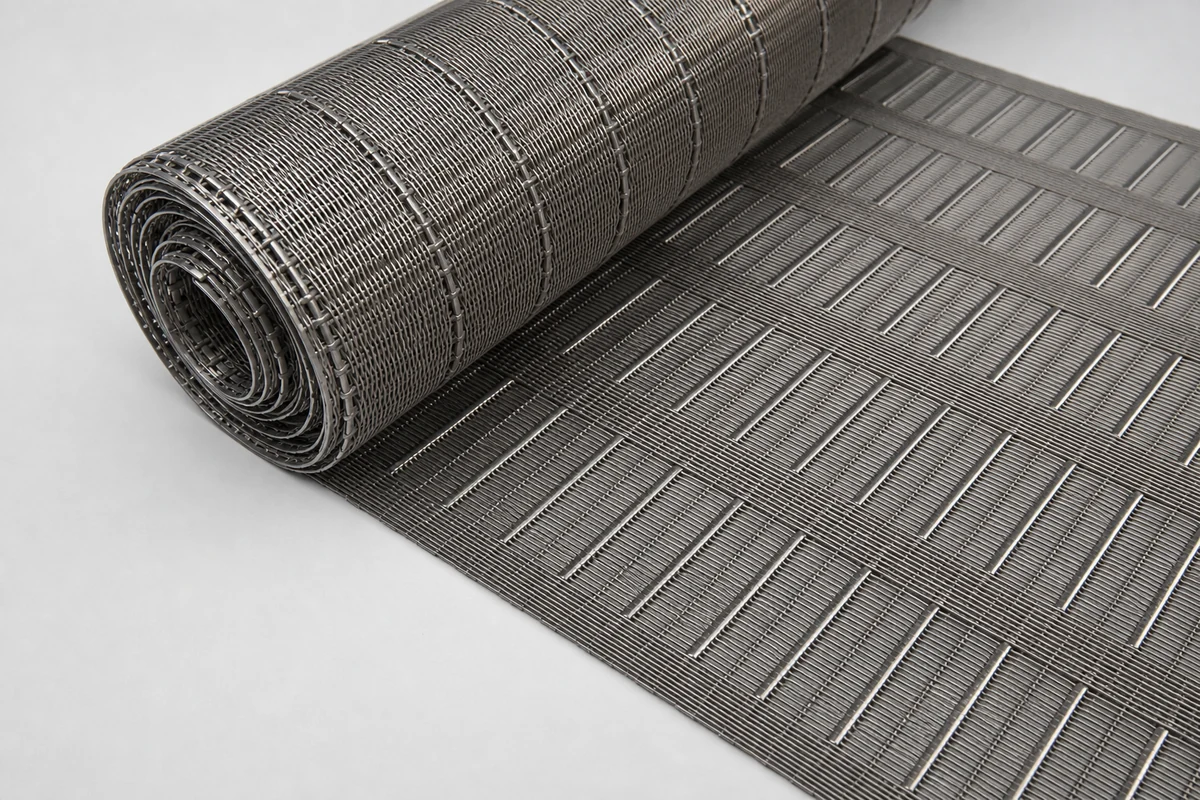
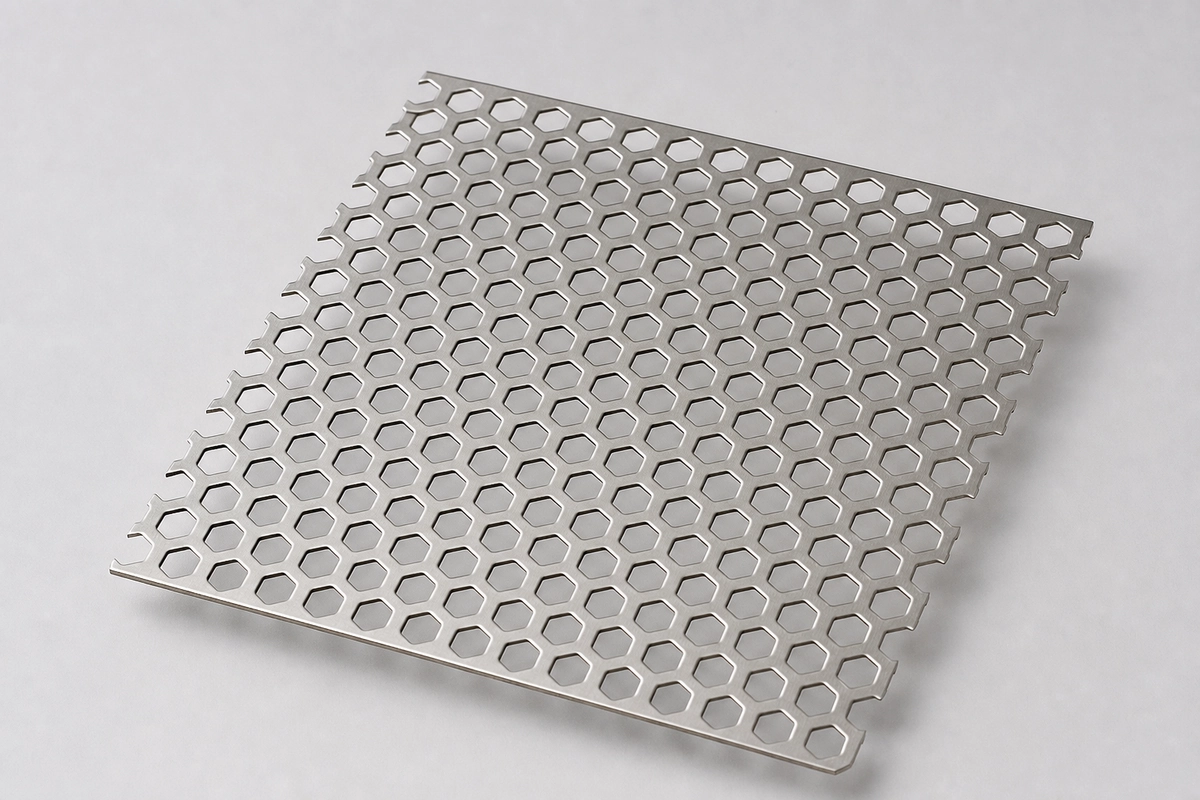
316L Stainless Steel hexagonal hole perforated sheet combines the construction of hexagonal hole perforated sheet (DIN 24041 (Hv)) with the properties of AISI 316L (1.4404): superior resistance, including chlorides, brines, food CIP and mild acids, essentially non-magnetic, service to approx. +550 °C continuous. This page summarizes the grade data, its behavior in filtration service, comparable alloys, and the specifications supplied.
Why Choose 316L Stainless Steel for Hexagonal Hole Perforated Sheet
The default filtration and process-industry grade. For hexagonal hole perforated sheet, this matters when superior resistance, including chlorides, brines, food CIP and mild acids is the controlling requirement.
Alloy Properties
| Grade designation | AISI 316L (1.4404) |
|---|---|
| Magnetic response | Essentially non-magnetic |
| Service temperature | approx. +550 °C continuous |
| Corrosion characteristic | Superior resistance, including chlorides, brines, food CIP and mild acids |
Cleaning & Compatibility
Stainless hexagonal hole perforated sheet can be cleaned by backflush, ultrasonic bath, steam and most CIP chemistry. Two cautions: (1) avoid extended contact with hydrochloric acid or hypochlorite sanitizers, which pit even 316; (2) where the mesh contacts carbon steel during fabrication or service, iron pick-up can rust-stain the surface — specify passivation after fabrication.
Comparable Alloys
Below 316L sits 304 (general purpose, lower cost). Above it: duplex 2205 (strength + chloride resistance), 904L and Hastelloy C-276 (hot chlorides, sulfuric), Monel 400 (HF, seawater), titanium (chlorides at minimum weight) for hexagonal hole perforated sheet.
Specifications of Hexagonal Hole Perforated Sheet Available in 316L Stainless Steel
| Across flats (mm) | Pitch (mm) | Open area (%) | Thickness (mm) | Reference standard |
|---|---|---|---|---|
| 3.0 | 4.0 | 51 | 1.0 | DIN 24041 |
| 5.0 | 6.5 | 54 | 1.5 | DIN 24041 |
| 8.0 | 10.0 | 58 | 2.0 | DIN 24041 |
| 10.0 | 12.5 | 58 | 2.0 | DIN 24041 |
| 15.0 | 18.0 | 63 | 3.0 | DIN 24041 |