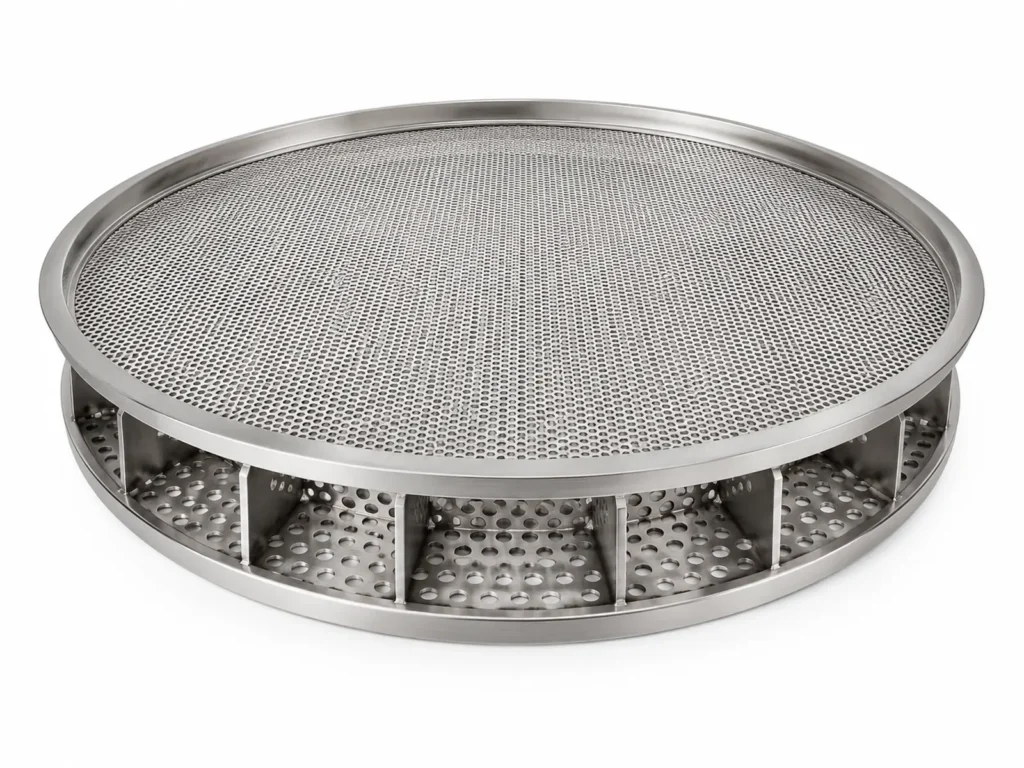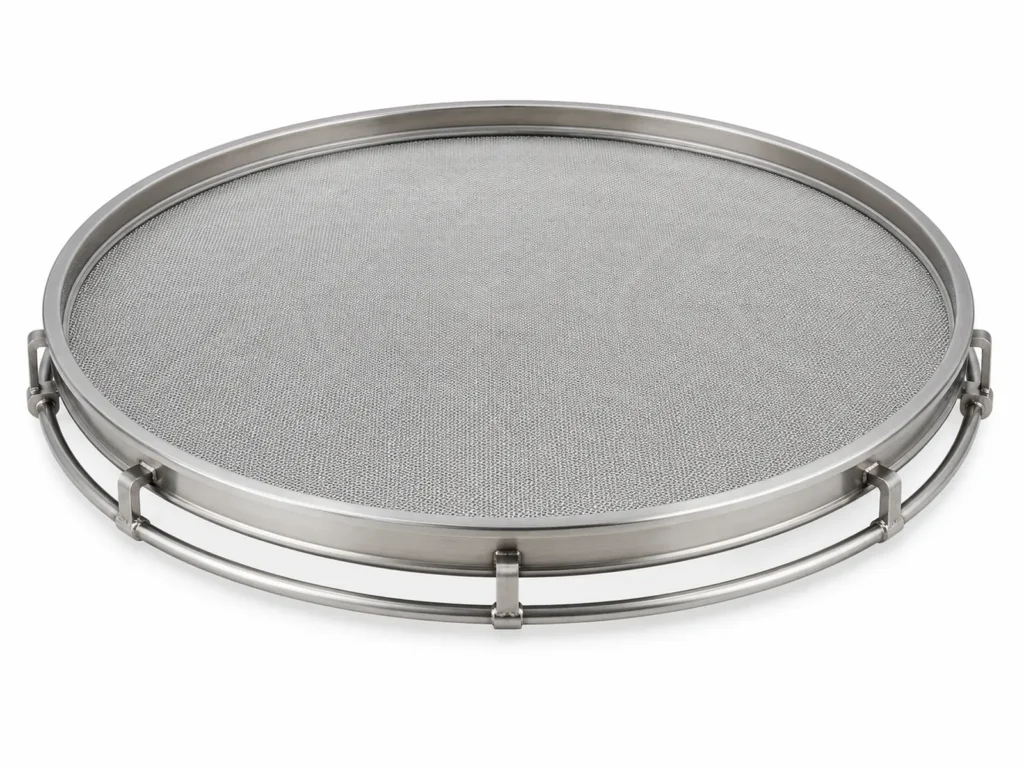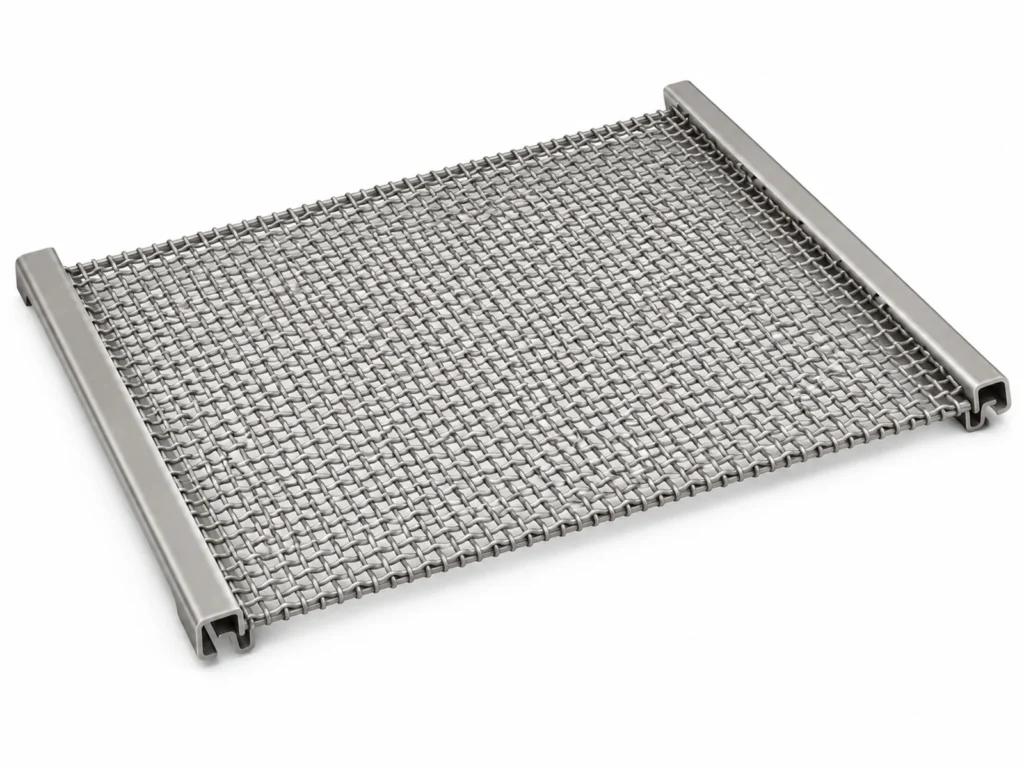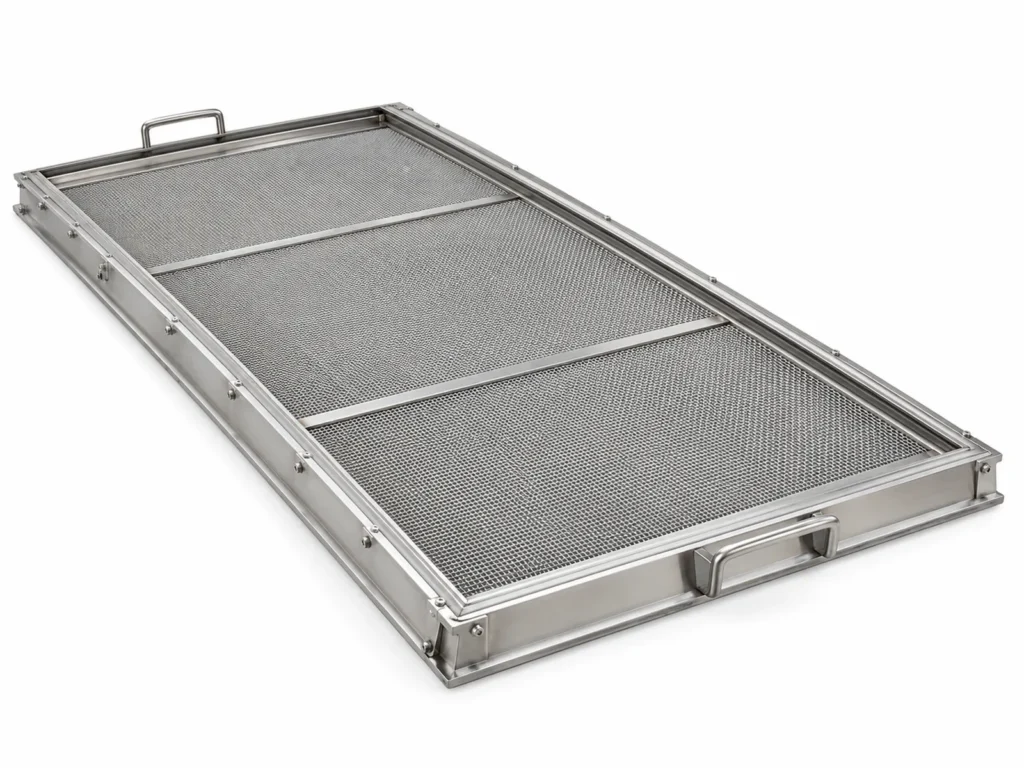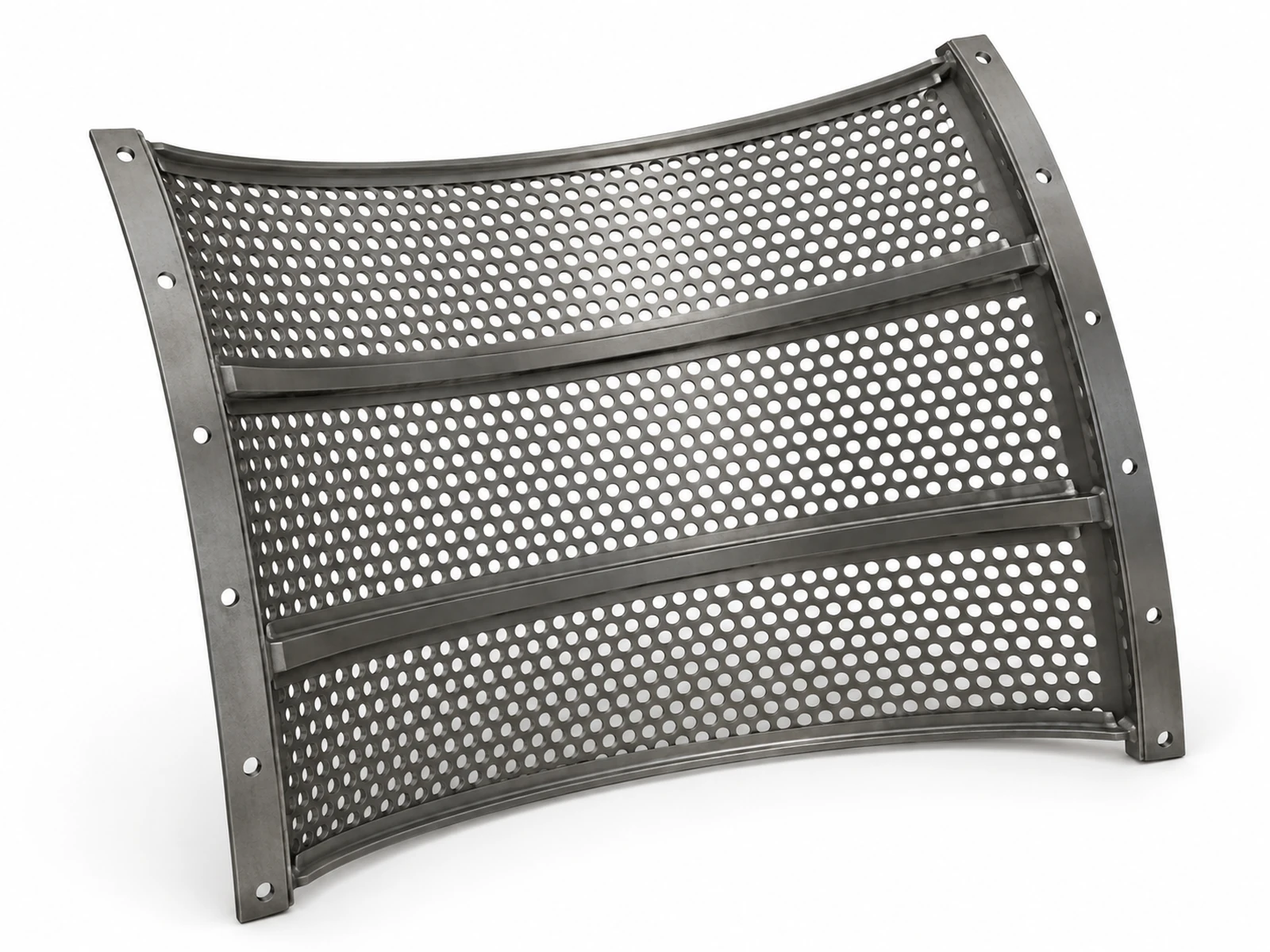
Application guide for Trommel Screen Perforated Panel to Trommel OEM drawing. The core duty of the type is screening compost, soil, municipal waste, gravel and wood chips in rotating trommel drums lined with heavy perforated steel panels. The typical industries, the how-to-specify checklist, handling practice and the exclusion cases are set out below.
Typical Applications for Trommel Screen Perforated Panel
Where Trommel Screen Perforated Panel is specified and bought:
- Composting & topsoil: screening finished compost and blended soil.
- Waste & recycling: municipal solid waste and C&D sorting.
- Placer mining: gold and gem gravel washing.
- Biomass: wood chip and bark sizing.
How to Specify Trommel Screen Perforated Panel for Your Application
- Hole size: 6–50 mm, from fine compost to waste sorting.
- Plate thickness: 5–8 mm wear-resistant steel; stainless for wet or corrosive feeds.
- Panel geometry: Curved to the drum radius with matching bolt pattern.
- Standard: Quote Trommel OEM drawing and the size designation from the table on the product page, plus any value you changed in the technical drawing.
Handling & Installation Practice
- Bolt panels evenly and re-torque after the first running hours.
- Rotate or swap panels between drum sections so wear spreads evenly.
Common Selection Mistakes with Trommel Screen Perforated Panel
- Using thin plate that wears through within a season.
- Choosing a hole size that lets oversize contaminants pass into the product.
Where Trommel Screen Perforated Panel Is Not the Right Choice
Not for fine powders or dry dust screening.