Skip to content

Process Industry Screens · Sifter OEM frames · Application guide

What Is Gyratory Sifter Screen Deck Used For?

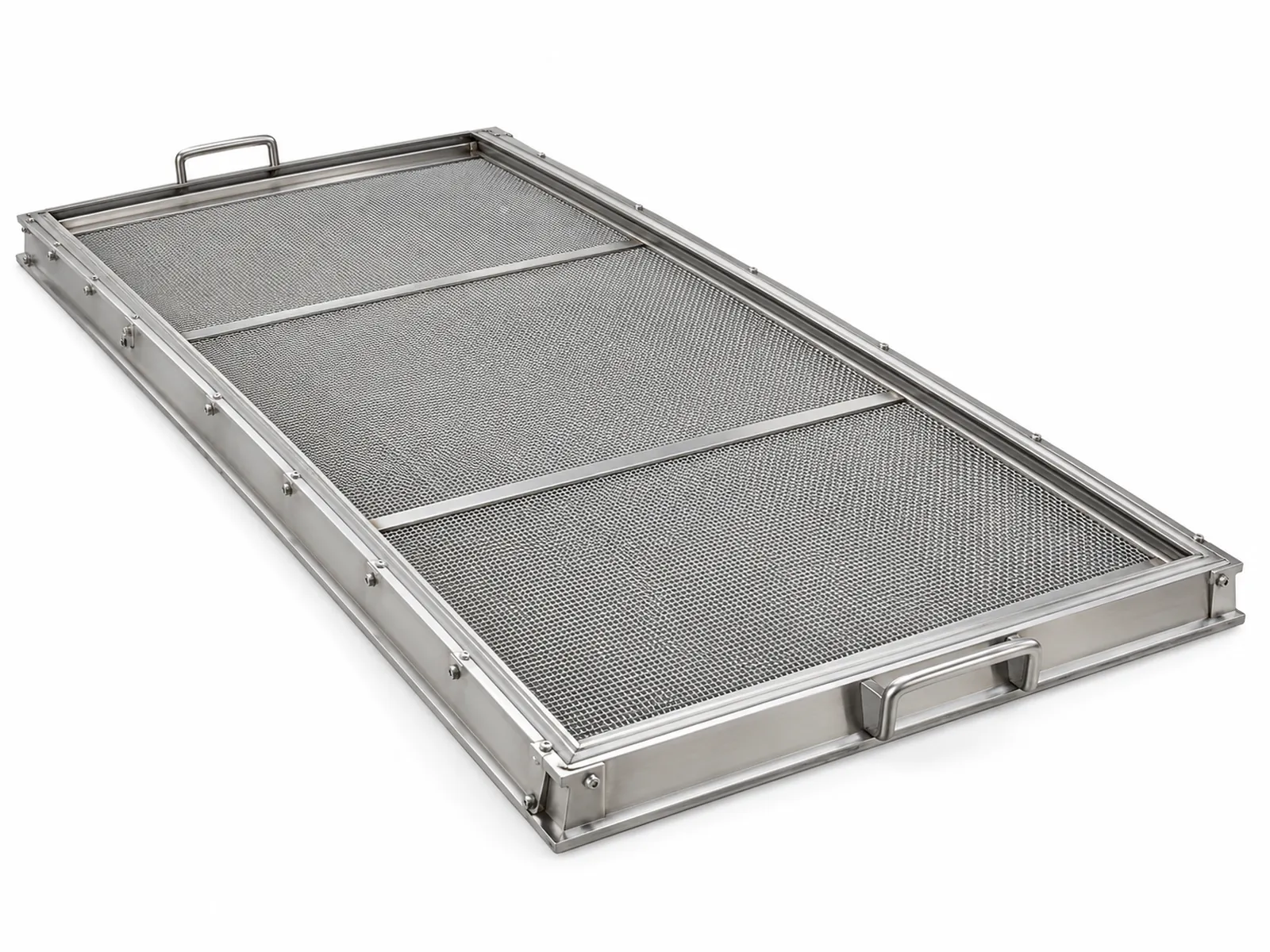
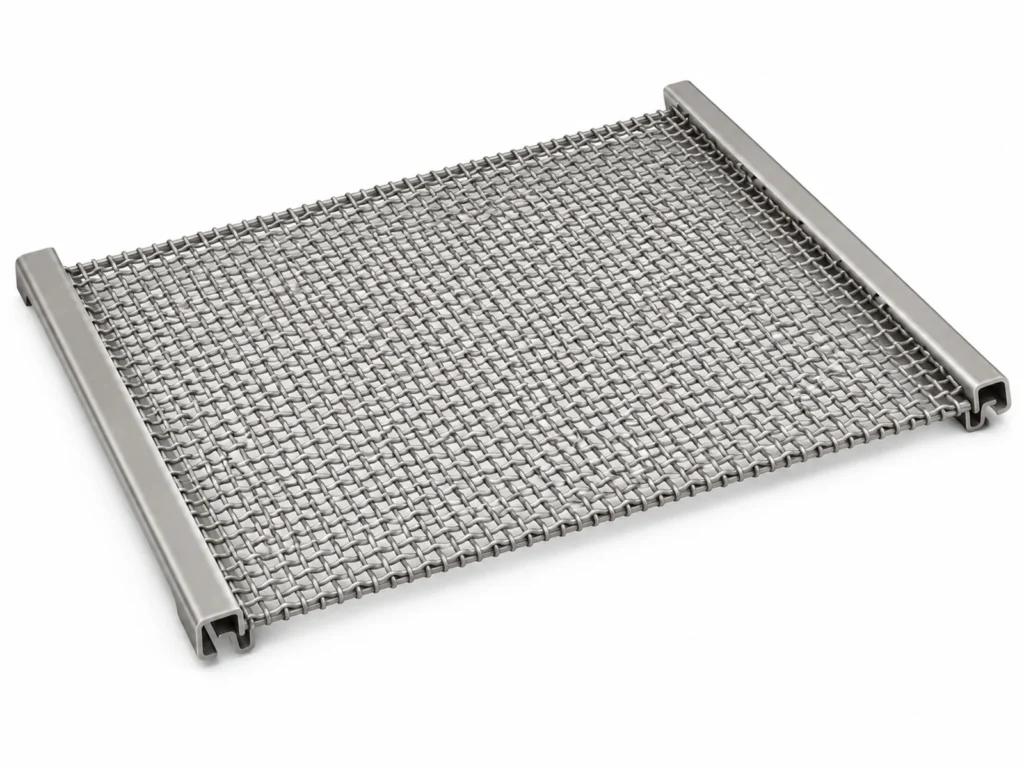
A large rectangular stainless steel mesh screen deck being slid into a gyratory sifter in a fertilizer plant

Gyratory Sifter Screen Deck is selected when an assembly or process calls for separating granules, pellets and powders on rectangular gyratory (tumbler) sifters, where tensioned mesh decks move in a flat circular motion that spreads product thinly for accurate cuts. This application guide to the Sifter OEM frames type covers concrete end-uses, the specification checklist, correct installation, and where an alternative mesh or filter medium performs better.

Typical Applications for Gyratory Sifter Screen Deck

Where Gyratory Sifter Screen Deck is specified and bought:

  • Fertilizer & chemicals: granule grading into on-size, oversize and fines.
  • Plastics: pellet scalping and dedusting.
  • Food ingredients: sugar, salt, grain and coffee sifting.
  • Minerals & glass: frac sand, silica and glass-bead classification.

How to Specify Gyratory Sifter Screen Deck for Your Application

  • Deck size & make: 1000 × 2000 to 1500 × 3000 mm, matched to the sifter model.
  • Mesh by deck: 8–100 mesh, coarse on top and fine at the bottom of the stack.
  • Tensioning & cleaning: Hook-strip or pre-tensioned frames, with ball trays under fine decks.
  • Standard: Quote Sifter OEM frames and the size designation from the table on the product page, plus any value you changed in the technical drawing.

Handling & Installation Practice

  • Tension evenly and re-check after the first shift, when new cloth beds in.
  • Inspect ball cleaners under each deck and replace flattened balls.

Common Selection Mistakes with Gyratory Sifter Screen Deck

  • Running slack decks, which wear and lose cut accuracy.
  • Installing decks in the wrong order in a multi-deck stack.

Where Gyratory Sifter Screen Deck Is Not the Right Choice

Not suited to wet slurries — those need a wet vibrating screen or sieve bend.
If This Construction Is Not the Right Fit

Closely related mesh types for the same duty — compare open area, aperture range and cleanability before you commit.

Technical Drawing

Customize the parameters below — every spec field is editable, and the drawing redraws to match the values you choose. Changing the size will snap the other fields to that size's standard values; you can then override any individual value.

Sends the selected values to the quote form below.

Request a Quote

Set the size and options in the drawing above, then send the exact configuration straight to this form.

Request a Quotation

Specification
Business Information

Dimensions & Specifications (Sifter OEM frames)

Mesh countWire diameter (mm)Aperture (mm)Micron rating (u00b5m)Open area (%)Deck (mm)
8-Mesh0.7102.465246560.31000 u00d7 2000
20-Mesh0.4000.87087046.91000 u00d7 2000
50-Mesh0.2200.28828832.11500 u00d7 3000
100-Mesh0.1000.15415436.81500 u00d7 3000

Frequently Asked Questions

What is Gyratory Sifter Screen Deck used for?

Separating granules, pellets and powders on rectangular gyratory (tumbler) sifters, where tensioned mesh decks move in a flat circular motion that spreads product thinly for accurate cuts.

What is a gyratory sifter?

A rectangular screener whose decks move in a flat circular motion for gentle, accurate separation.

What mesh range do gyratory sifters use?

Typically 8–100 mesh.

How are gyratory screen decks tensioned?

With hook strips or in pre-tensioned frames.

Can I get a quote for Gyratory Sifter Screen Deck to my own drawing?

Yes. Set the size and any custom value in the technical drawing on the product page and send it with the quote form; we reply within one business day.