Skip to content

Process Industry Screens · Sifter OEM frames · Application guide

What Is Anti-Blinding Ball Tray & Support Deck Used For?

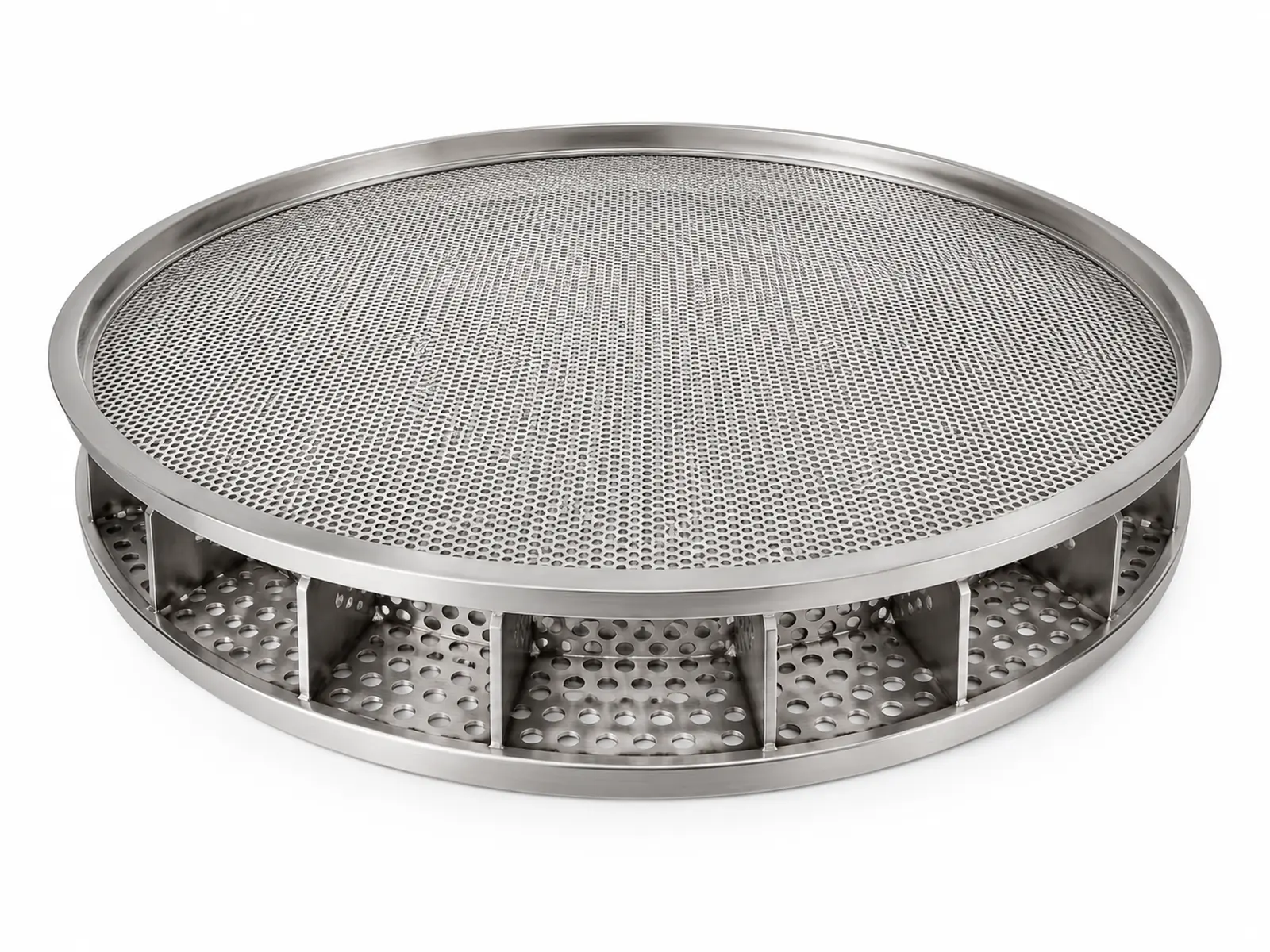
A round perforated stainless steel ball tray with white silicone cleaning balls in compartments beneath a sifter screen

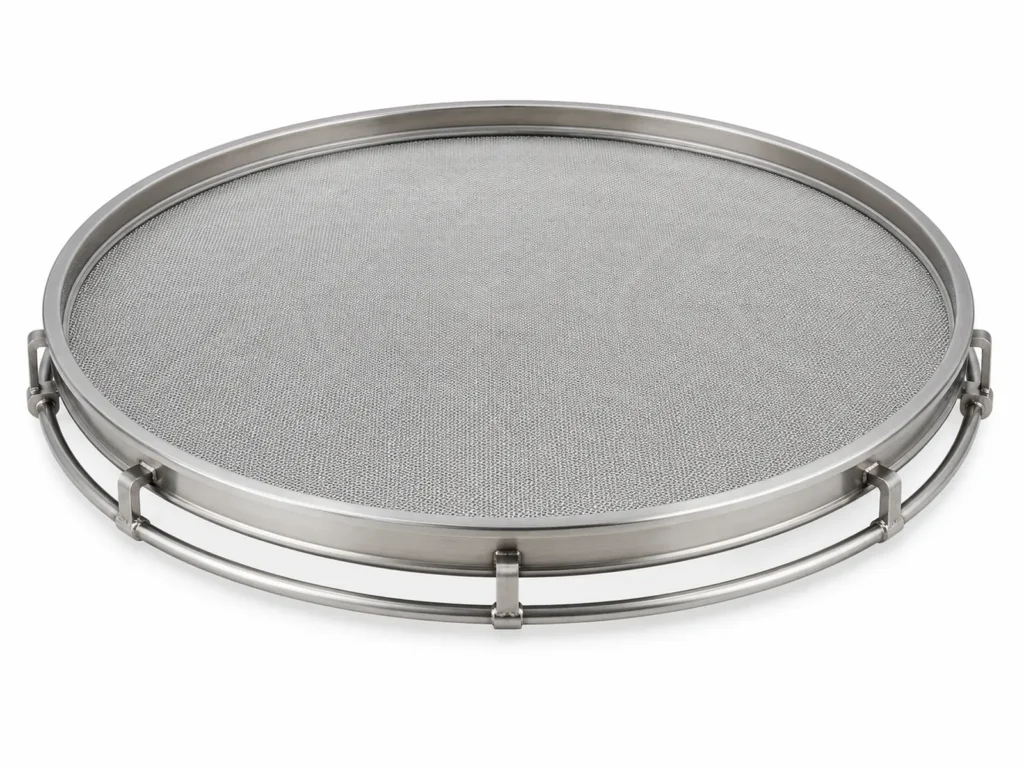
Anti-Blinding Ball Tray & Support Deck (Sifter OEM frames) is specified where the duty calls for keeping sifter screens clear by bouncing rubber or silicone balls against the underside of the mesh, held in compartments on a perforated support tray. The sections below cover the typical end-uses by industry, the mesh, micron and material decisions for each, installation practice, and the applications this product type is not suited to.

Typical Applications for Anti-Blinding Ball Tray & Support Deck

Where Anti-Blinding Ball Tray & Support Deck is specified and bought:

  • Food & flour sifting: ball decks under plansifter and round sifter screens.
  • Chemicals & plastics: sifting sticky or static-prone powders.
  • Pharmaceutical: GMP sifter decks with silicone balls.
  • Minerals & ceramics: fine powder screening.

How to Specify Anti-Blinding Ball Tray & Support Deck for Your Application

  • Tray size & compartments: Match the sifter frame and give each ball its own compartment.
  • Hole size: Large enough to pass product, smaller than the ball (8–12 mm holes for 20–30 mm balls).
  • Ball material: Rubber, food-grade silicone or polyurethane.
  • Standard: Quote Sifter OEM frames and the size designation from the table on the product page, plus any value you changed in the technical drawing.

Handling & Installation Practice

  • Replace worn or flattened balls — they stop bouncing and the screen blinds.
  • Keep the gap between tray and screen as designed so balls strike the mesh.

Common Selection Mistakes with Anti-Blinding Ball Tray & Support Deck

  • Balls too small for the holes, which escape into product.
  • Too large a gap, so balls never reach the mesh.

Where Anti-Blinding Ball Tray & Support Deck Is Not the Right Choice

Not as effective as ultrasonic cleaning for very fine powders below about 75 µm.
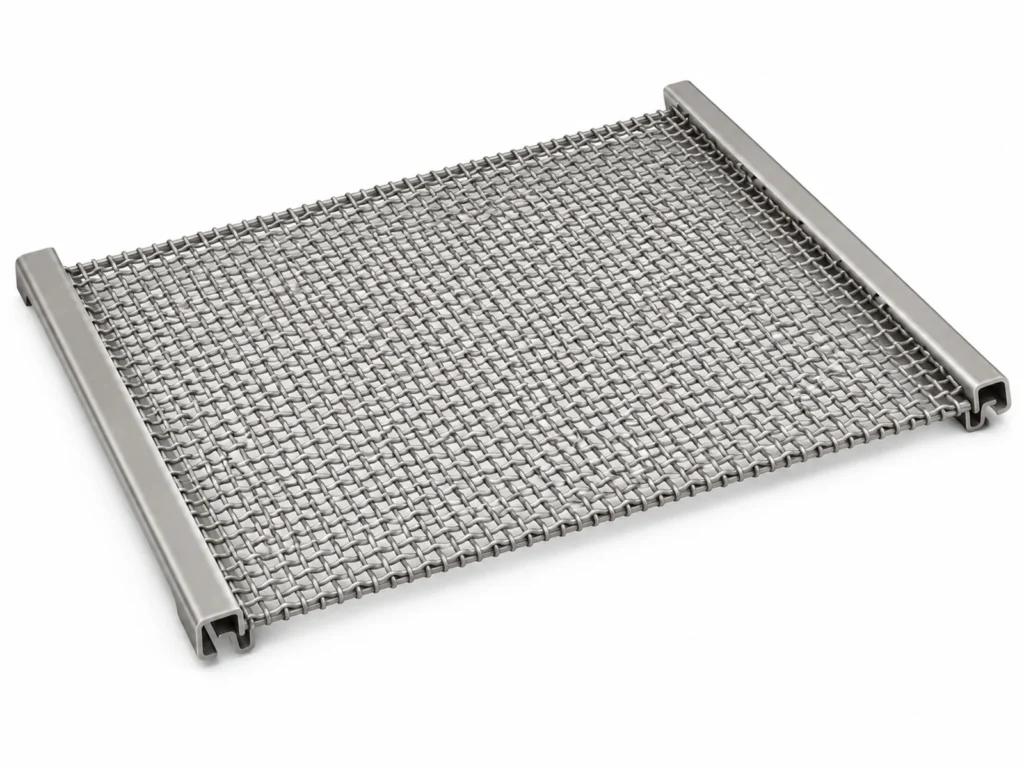
If This Construction Is Not the Right Fit

Closely related mesh types for the same duty — compare open area, aperture range and cleanability before you commit.

Technical Drawing

Customize the parameters below — every spec field is editable, and the drawing redraws to match the values you choose. Changing the size will snap the other fields to that size's standard values; you can then override any individual value.

Sends the selected values to the quote form below.

Request a Quote

Set the size and options in the drawing above, then send the exact configuration straight to this form.

Request a Quotation

Specification
Business Information

Dimensions & Specifications (Sifter OEM frames)

SizeHole diameter (mm)Pitch (mm)Thickness (mm)Open area (%)Ball (mm)
Round 60010141.546.325
Round 100012162.051.030
Plansifter compartment8121.540.320

Frequently Asked Questions

What is Anti-Blinding Ball Tray & Support Deck used for?

Keeping sifter screens clear by bouncing rubber or silicone balls against the underside of the mesh, held in compartments on a perforated support tray.

How do sieve cleaning balls work?

They bounce against the underside of the mesh and knock particles out of the openings.

Which ball material is food-safe?

Food-grade silicone or FDA rubber.

Ball tray or ultrasonic sifter?

Ball trays suit coarser powders; ultrasonics are better for very fine powders.

Can I get a quote for Anti-Blinding Ball Tray & Support Deck to my own drawing?

Yes. Set the size and any custom value in the technical drawing on the product page and send it with the quote form; we reply within one business day.