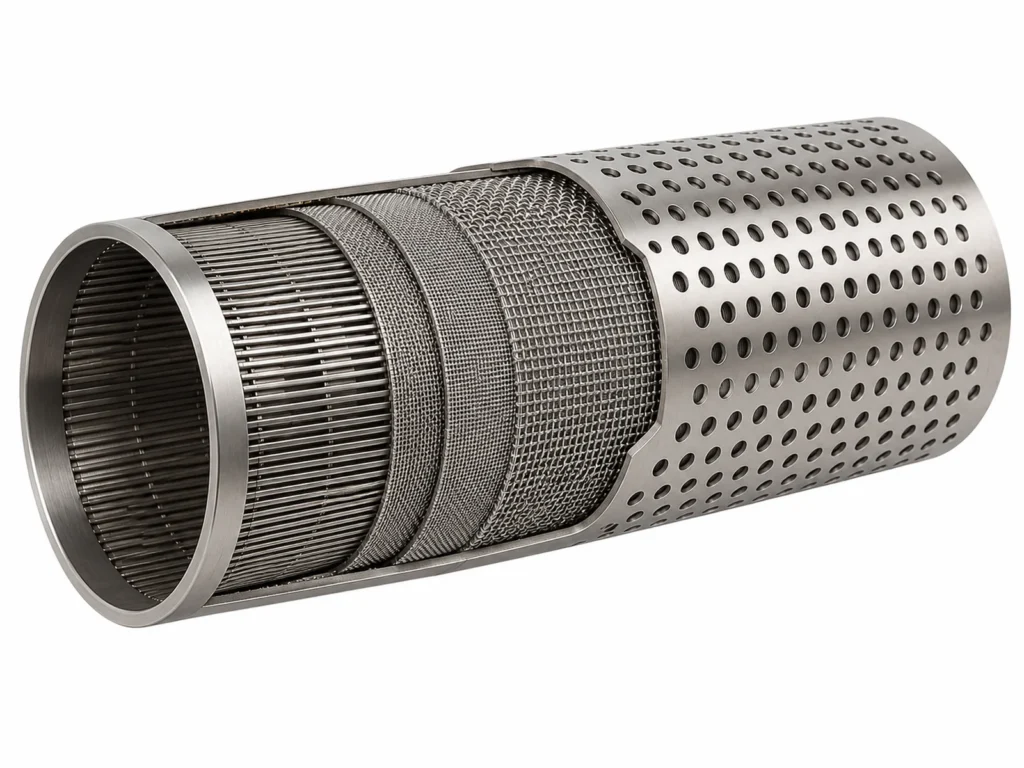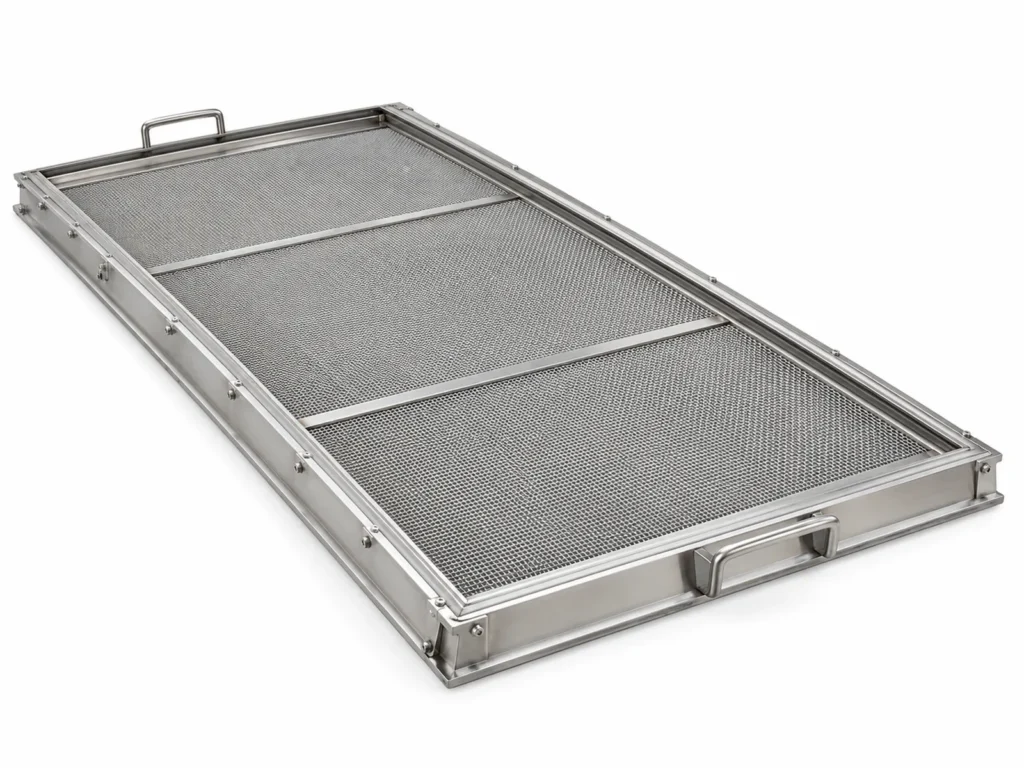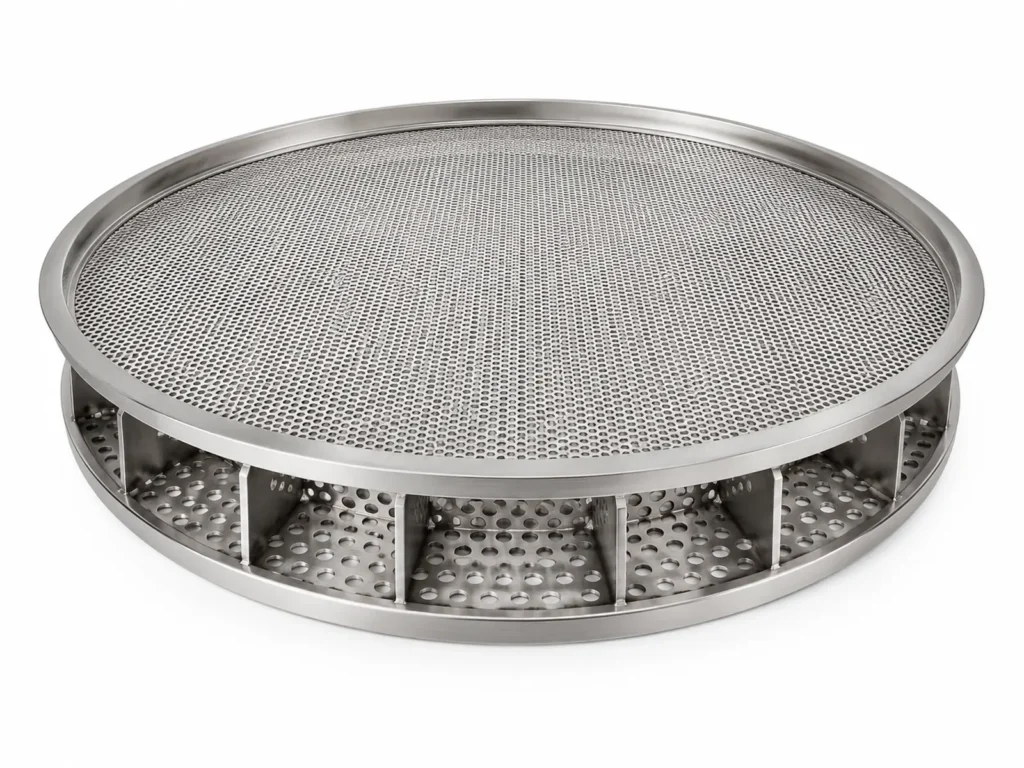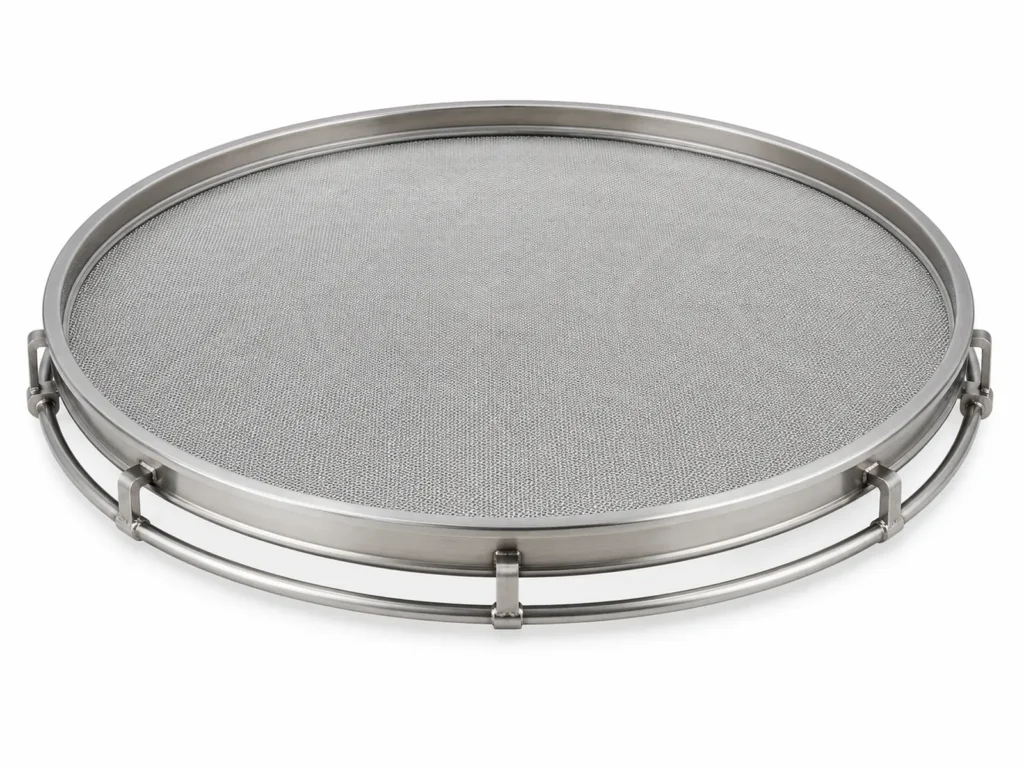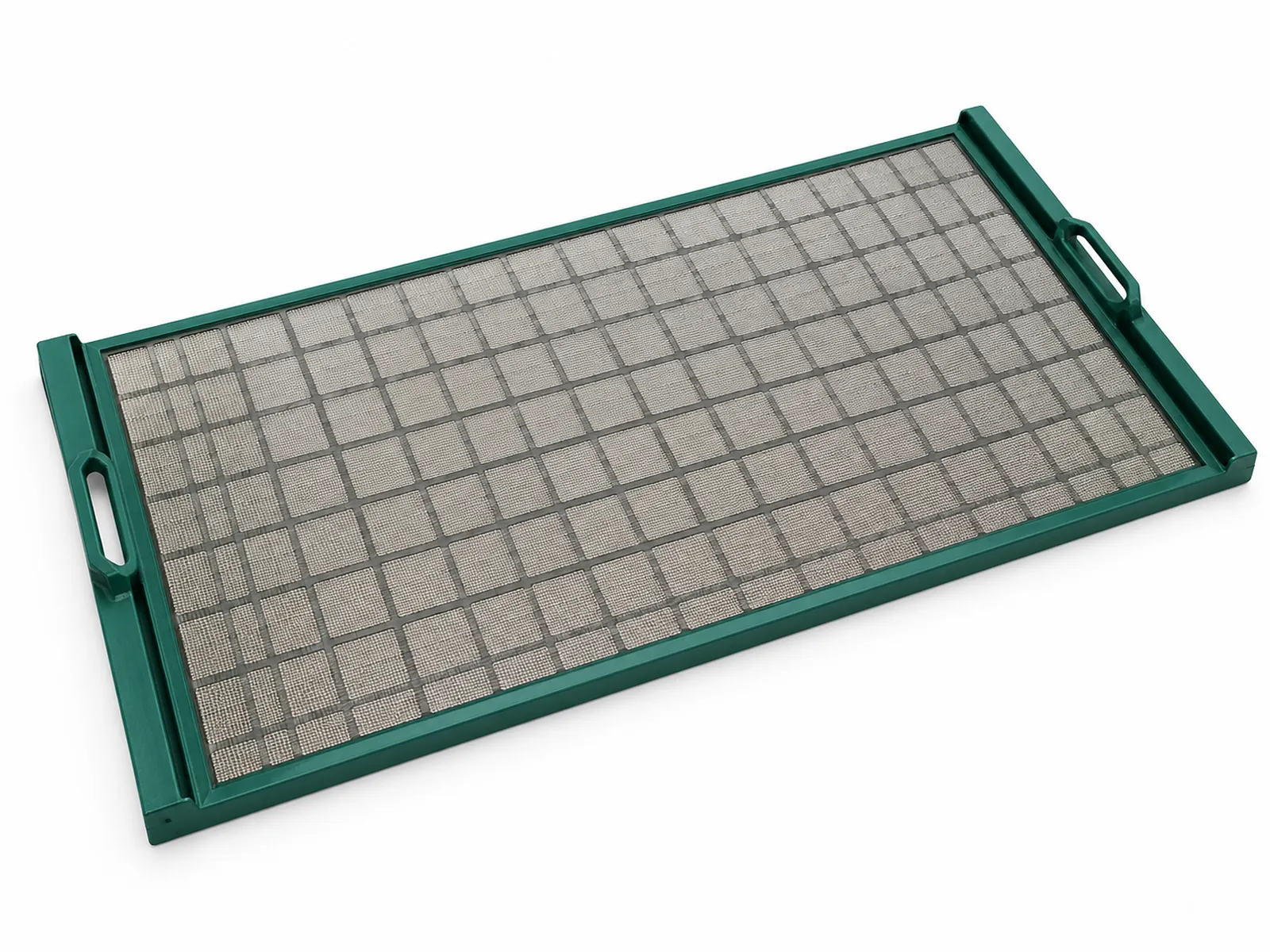
The primary duty of Shale Shaker Screen is separating drilled cuttings from drilling mud on shale shakers with API-rated multi-layer screens, so the mud can be recycled downhole. Below: the sectors that specify it in volume, the checklist used to select the right mesh and alloy for the application, handling notes, and the known limits of the type.
Typical Applications for Shale Shaker Screen
Where Shale Shaker Screen is specified and bought:
- Onshore & offshore drilling: primary solids control.
- Horizontal directional drilling: mud recycling.
- Mining & geothermal: drilling fluid recovery.
- Mud cleaners: desilter underflow screens.
How to Specify Shale Shaker Screen for Your Application
- API designation: API 60–200 per API RP 13C cut point and conductance.
- Shaker model: Frame type and dimensions must match the shaker.
- Construction: Composite or steel frame, hook strip or pretensioned.
- Standard: Quote API RP 13C and the size designation from the table on the product page, plus any value you changed in the technical drawing.
Handling & Installation Practice
- Install with the correct tension and seal so no mud bypasses.
- Change screens before torn panels pass cuttings.
Common Selection Mistakes with Shale Shaker Screen
- Using too coarse a screen, loading the mud with fines.
- Pressure-washing panels from the wrong side.
Where Shale Shaker Screen Is Not the Right Choice
Not for clean liquid filtration.