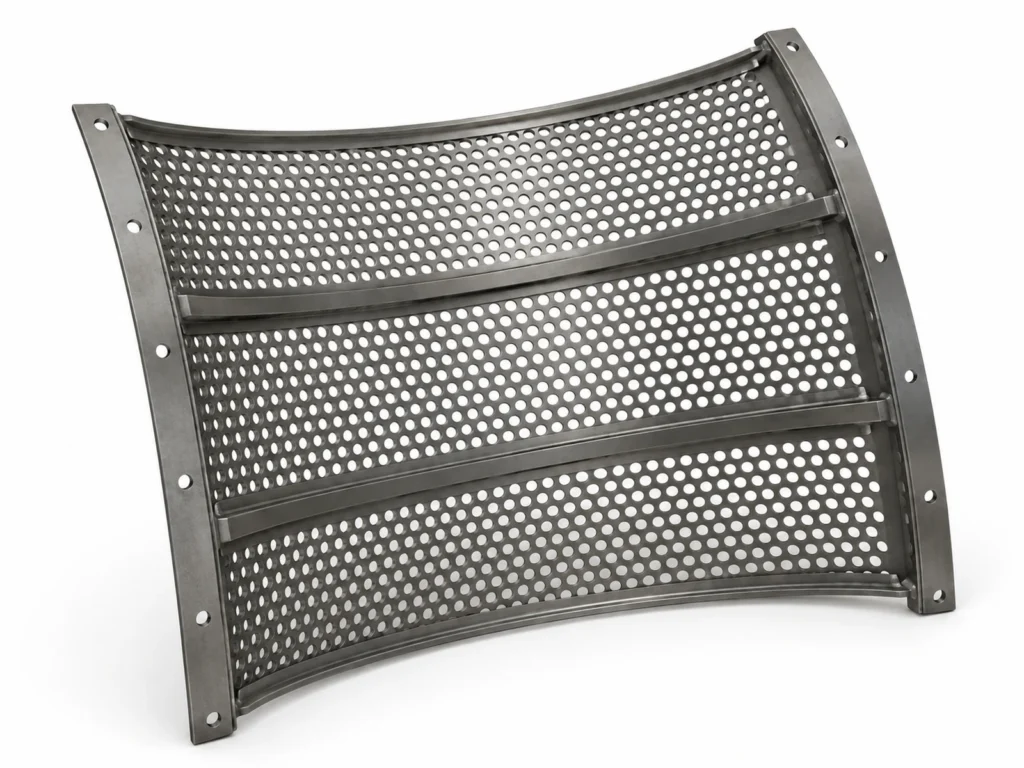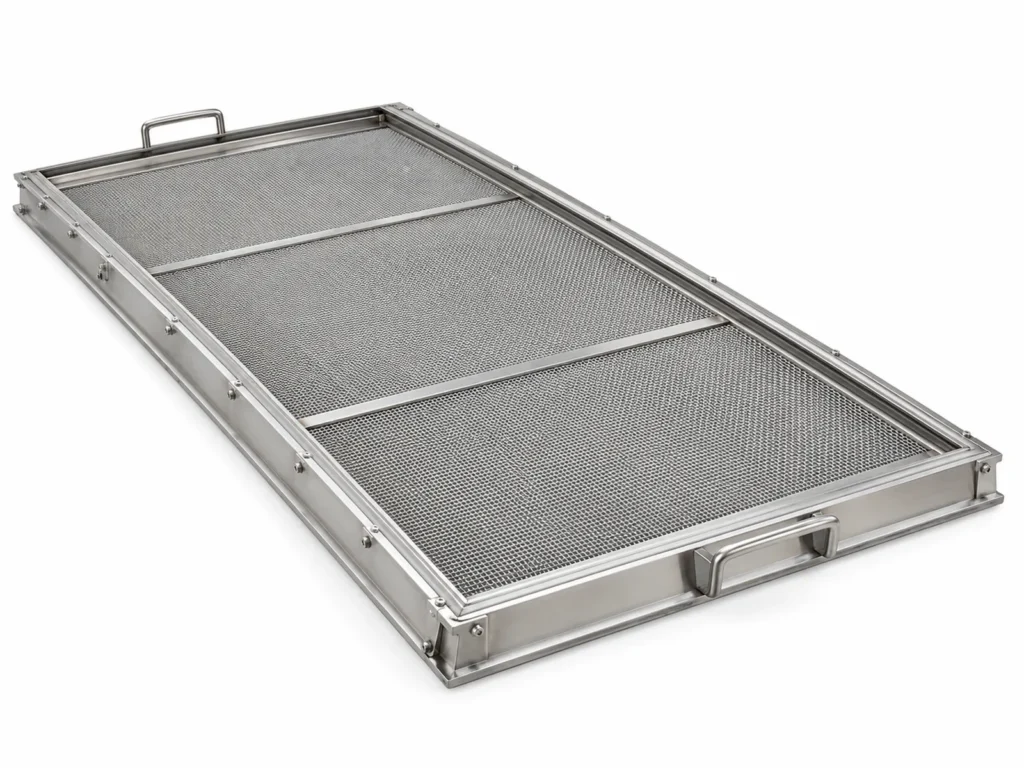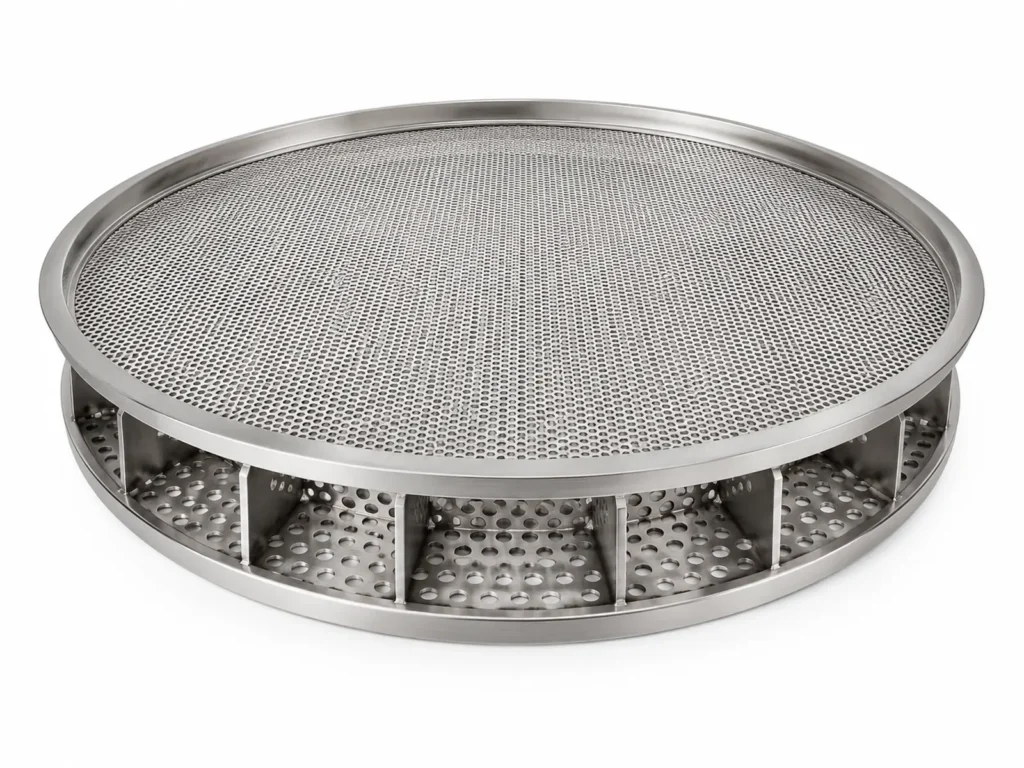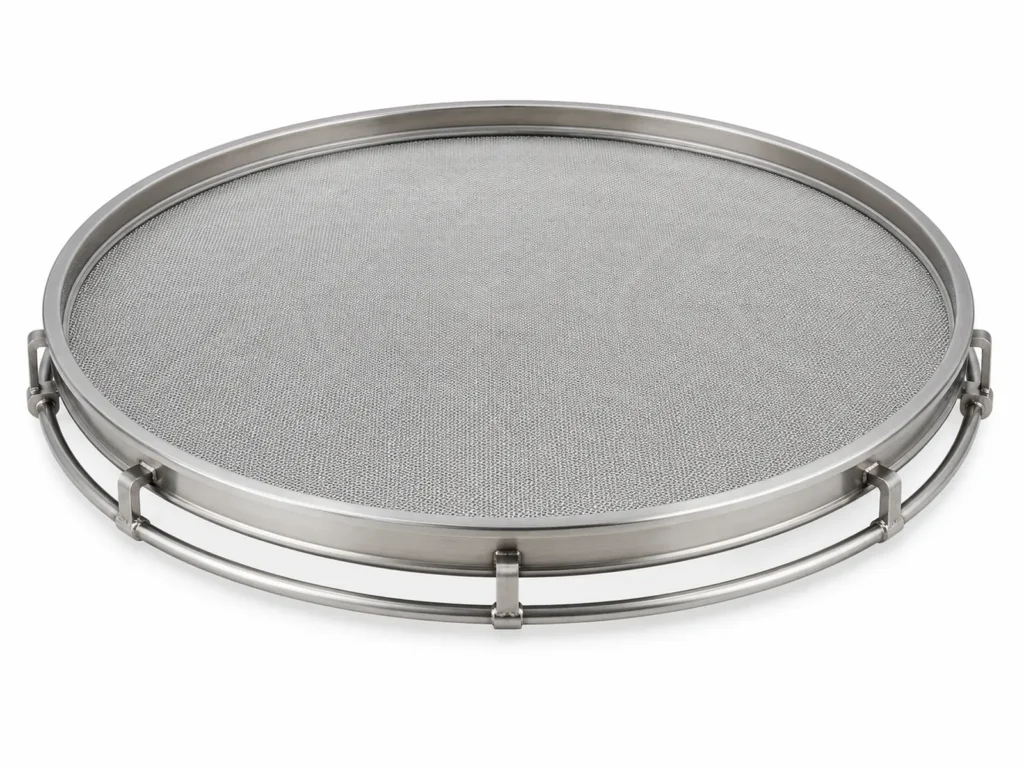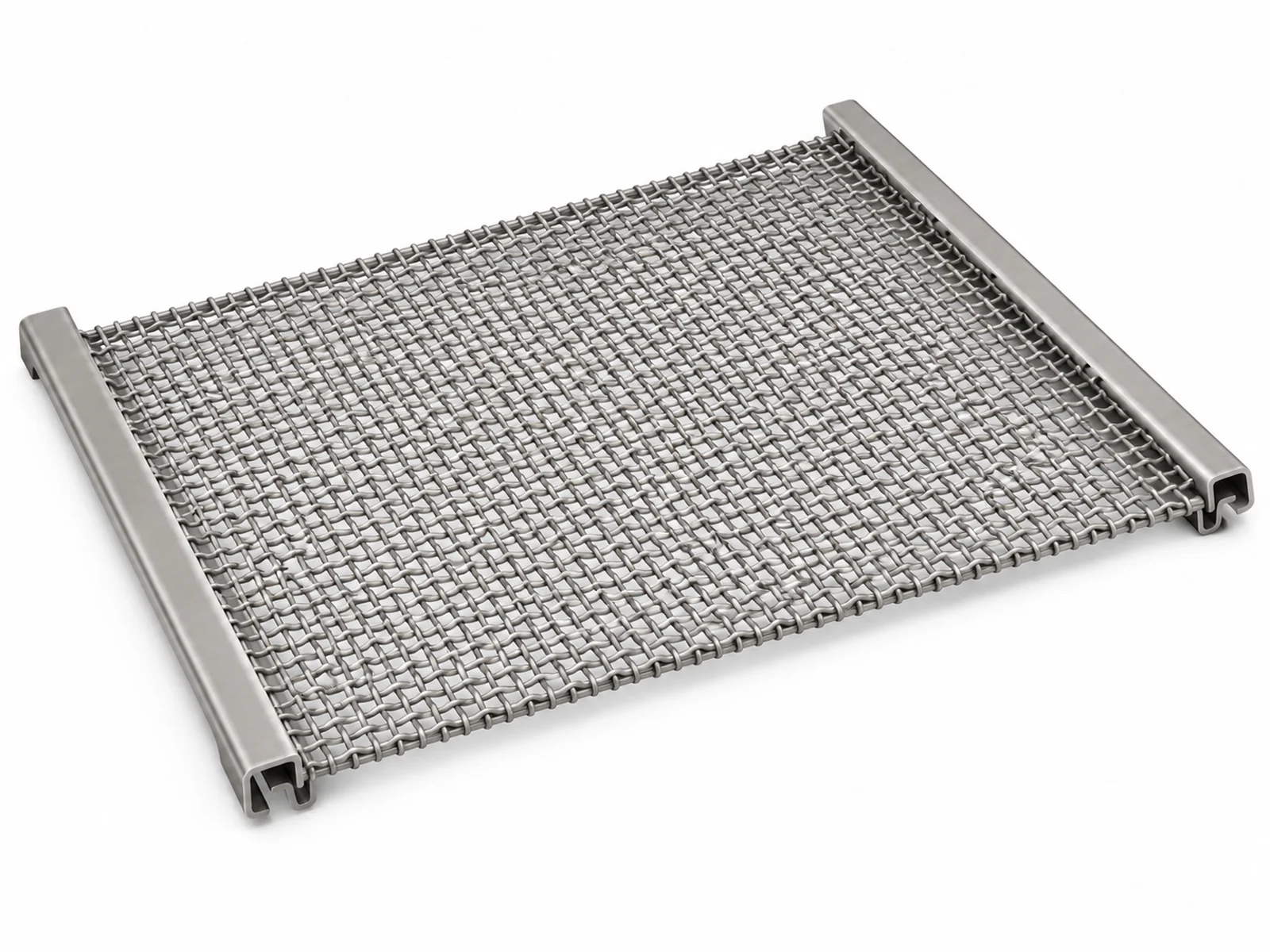
Hook-Strip Tensioned Screen Panel (ISO 9044 / screen OEM decks) is specified where the duty calls for screening aggregates, ore, coal and recycled material on vibrating screen decks with woven wire panels whose folded hook strips let the panel be side-tensioned tight across the deck. The sections below cover the typical end-uses by industry, the mesh, micron and material decisions for each, installation practice, and the applications this product type is not suited to.
Typical Applications for Hook-Strip Tensioned Screen Panel
Where Hook-Strip Tensioned Screen Panel is specified and bought:
- Quarries & aggregate: top, middle and bottom decks on inclined and horizontal screens.
- Mining: ore and coal sizing ahead of crushing and washing.
- Sand & gravel plants: wet screening decks.
- Recycling: construction waste and asphalt screening.
How to Specify Hook-Strip Tensioned Screen Panel for Your Application
- Aperture & wire: Choose the cut size, then a wire heavy enough for the largest feed lump.
- Hook style: 30° side hooks or double-folded hooks to match the deck clamp rails.
- Steel: 65Mn high-carbon for wear; stainless for wet or corrosive screening.
- Standard: Quote ISO 9044 / screen OEM decks and the size designation from the table on the product page, plus any value you changed in the technical drawing.
Handling & Installation Practice
- Fit new rubber channel strips on the crowned support bars before tensioning.
- Tension evenly from both sides and re-check after the first hours of running.
Common Selection Mistakes with Hook-Strip Tensioned Screen Panel
- Leaving panels slack, which causes wire fatigue and early breakage.
- Ordering the wrong hook angle for the machine rails.
Where Hook-Strip Tensioned Screen Panel Is Not the Right Choice
Not a fine filtration medium — below about 1 mm use finer woven or polyurethane panels.