Skip to content

Woven Wire Mesh · ISO 9044

Brass Twill Dutch Weave Mesh

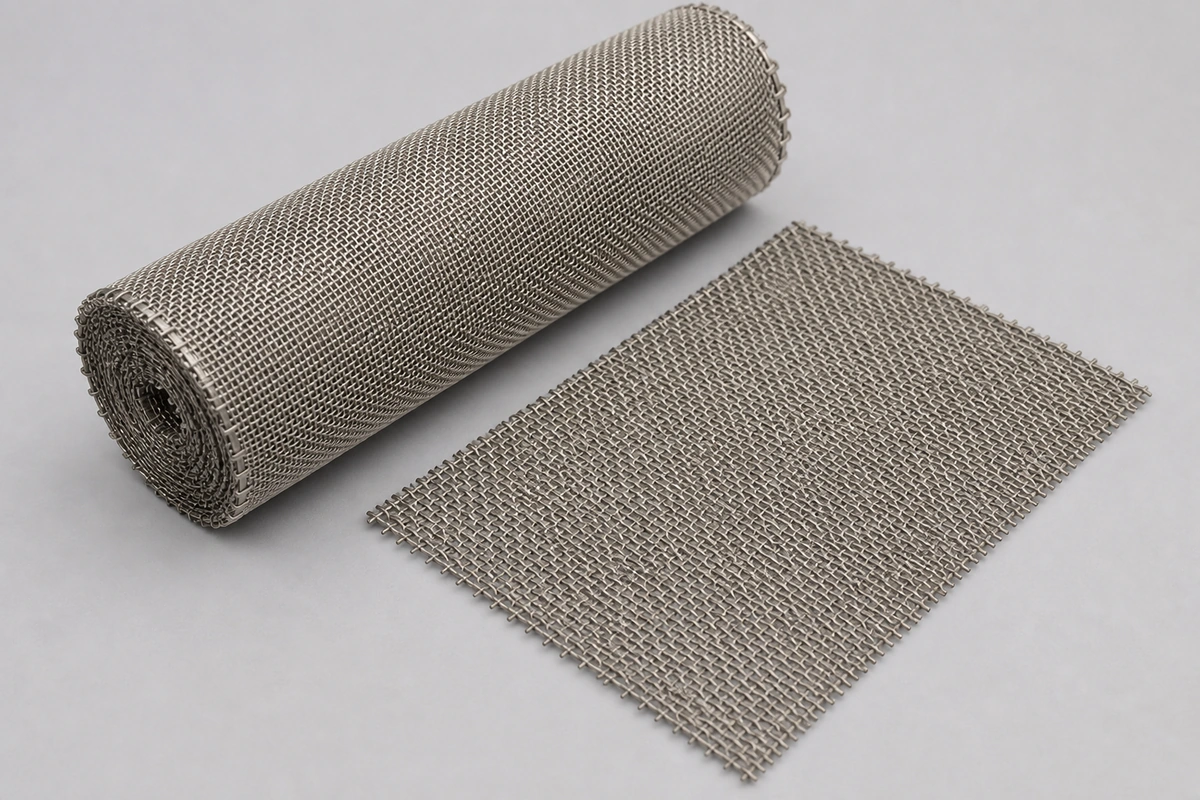
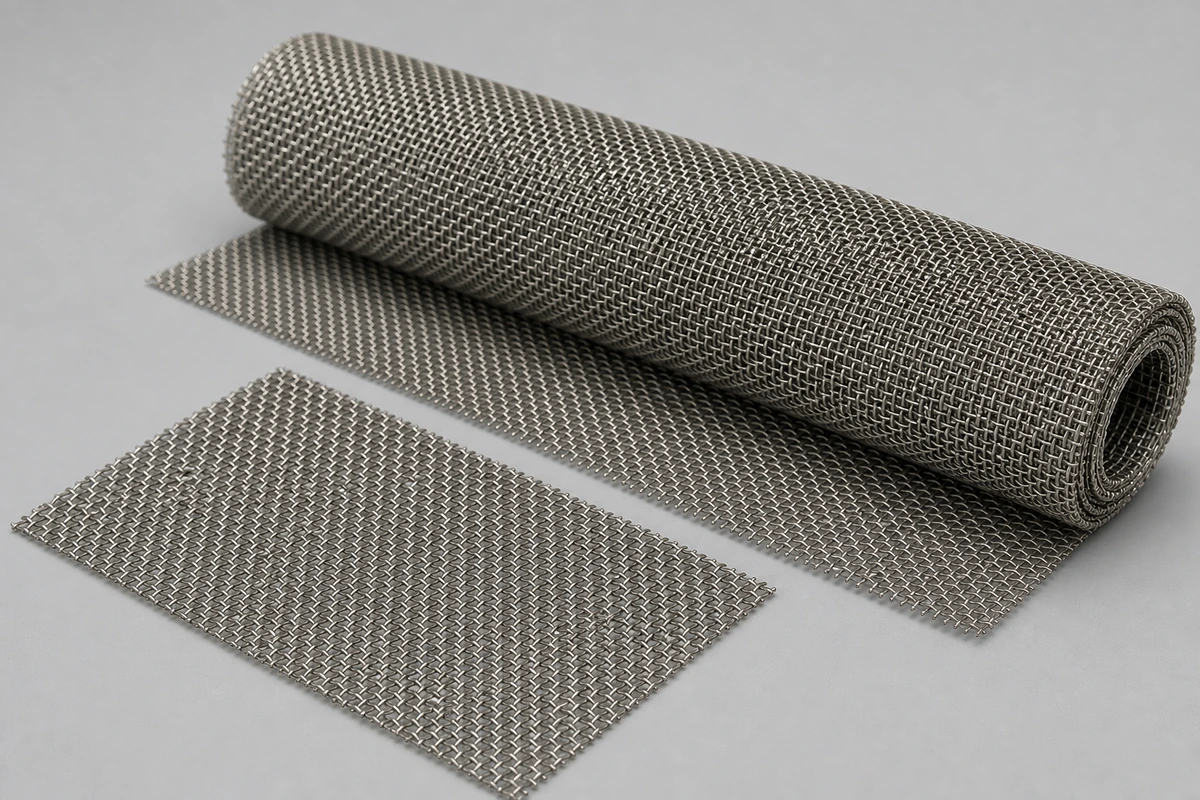
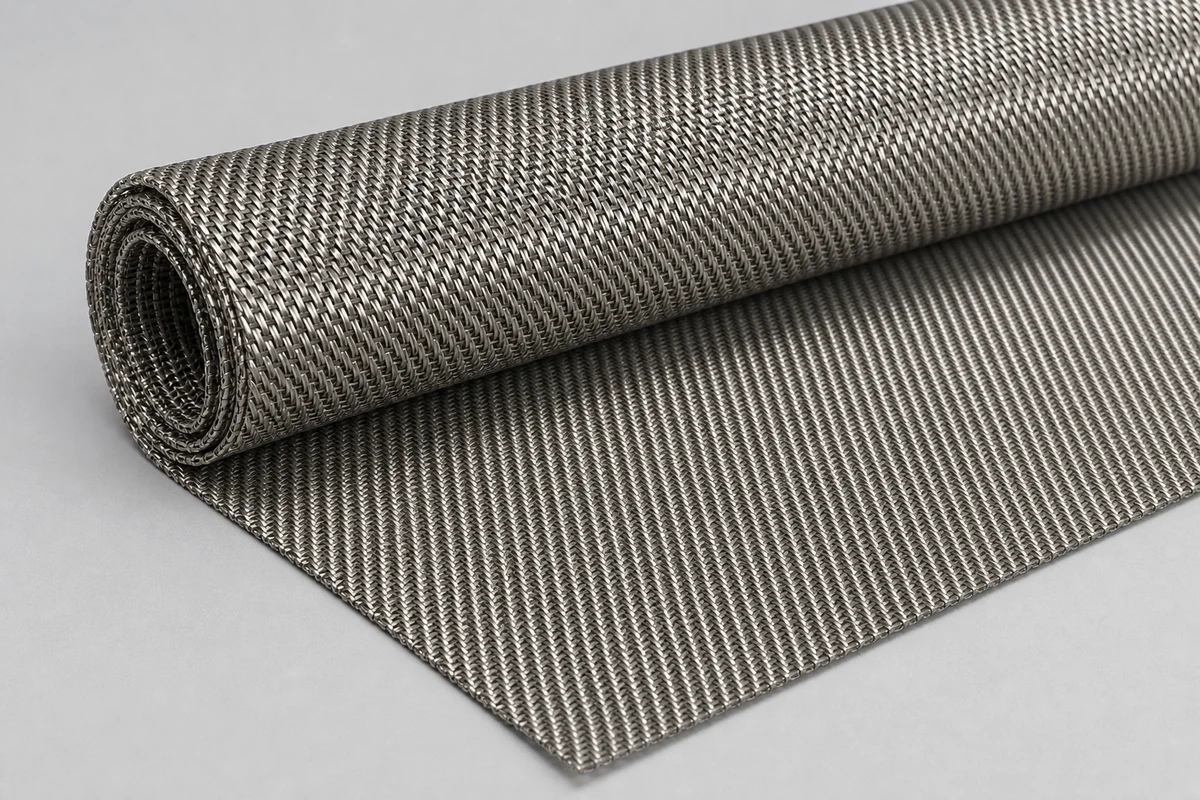
Brass twill dutch weave mesh combines the construction of twill dutch weave mesh (ISO 9044) with the properties of H65 / CuZn35: good atmospheric and fresh-water resistance; unsuitable for ammonia service, non-magnetic, service to approx. +200 °C. This page summarizes the grade data, its behavior in filtration service, comparable alloys, and the specifications supplied.

Why Choose Brass for Twill Dutch Weave Mesh

The decorative and spark-resistant screening alloy. For twill dutch weave mesh, this matters when good atmospheric and fresh-water resistance; unsuitable for ammonia service is the controlling requirement.

Alloy Properties

Grade designationH65 / CuZn35
Magnetic responseNon-magnetic
Service temperatureapprox. +200 °C
Corrosion characteristicGood atmospheric and fresh-water resistance; unsuitable for ammonia service

Corrosion Behavior in Filtration Service

Copper and brass twill dutch weave mesh resist atmospheric corrosion and fresh water well, tarnishing to a stable patina. Avoid ammonia and ammonium compounds (stress-corrosion cracking of brass) and strong oxidizing acids. In marine service, phosphor bronze outperforms plain brass.

Comparable Alloys

Within the copper family: brass for economy and appearance, phosphor bronze for fatigue strength and marine air, pure copper where conductivity (EMI shielding) is the point. For structural filtration duties, stainless 304/316 is the usual alternative.

Specifications of Twill Dutch Weave Mesh Available in Brass

Mesh (warp x weft)Warp wire (mm)Weft wire (mm)Nominal filtration (u00b5m)Weight SS (kg/mu00b2)Reference standard
80x7000.100.08400.75ISO 9044
165x14000.0710.041100.55ISO 9044
200x14000.0710.04180.55ISO 9044
325x23000.0380.02550.35ISO 9044
400x28000.0300.02040.28ISO 9044
510x36000.0250.01520.22ISO 9044

Technical Drawing

Customize the parameters below — every spec field is editable, and the drawing redraws to match the values you choose. Changing the size will snap the other fields to that size's standard values; you can then override any individual value.

Sends the selected values to the quote form below.

Request a Quote

Adjust the parameters in the drawing above and click "Request this configuration" to send the exact specification straight to this form.

Request a Quotation

Specification
Business Information

Dimensions & Specifications (ISO 9044)

Mesh (warp x weft)Warp wire (mm)Weft wire (mm)Nominal filtration (u00b5m)Weight SS (kg/mu00b2)Reference standard
80x7000.100.08400.75ISO 9044
165x14000.0710.041100.55ISO 9044
200x14000.0710.04180.55ISO 9044
325x23000.0380.02550.35ISO 9044
400x28000.0300.02040.28ISO 9044
510x36000.0250.01520.22ISO 9044

Frequently Asked Questions

Is Brass twill dutch weave mesh magnetic?

Brass twill dutch weave mesh is non-magnetic. Note that heavy cold-working during weaving can make austenitic stainless slightly magnetic at the wire surface.

What corrosion resistance does Brass offer?

Brass provides good atmospheric and fresh-water resistance; unsuitable for ammonia service, with a practical service range of approx. +200 °C.

What temperature can Brass twill dutch weave mesh run at?

The practical continuous service limit is approx. +200 °C. Above it, oxidation scales the wire surface and the aperture drifts; for hotter duty move up the alloy ladder (Inconel, and sintered constructions for mechanical stability).

When is Brass worth the premium over stainless?

Specify Brass when the datasheet chemistry rules stainless out — good atmospheric and fresh-water resistance; unsuitable for ammonia service. For everything else, 316L is usually the economic choice.

How do I request a quotation?

Use the technical drawing on this page to pick the exact specification, then submit it with the quote form. We respond within one business day.