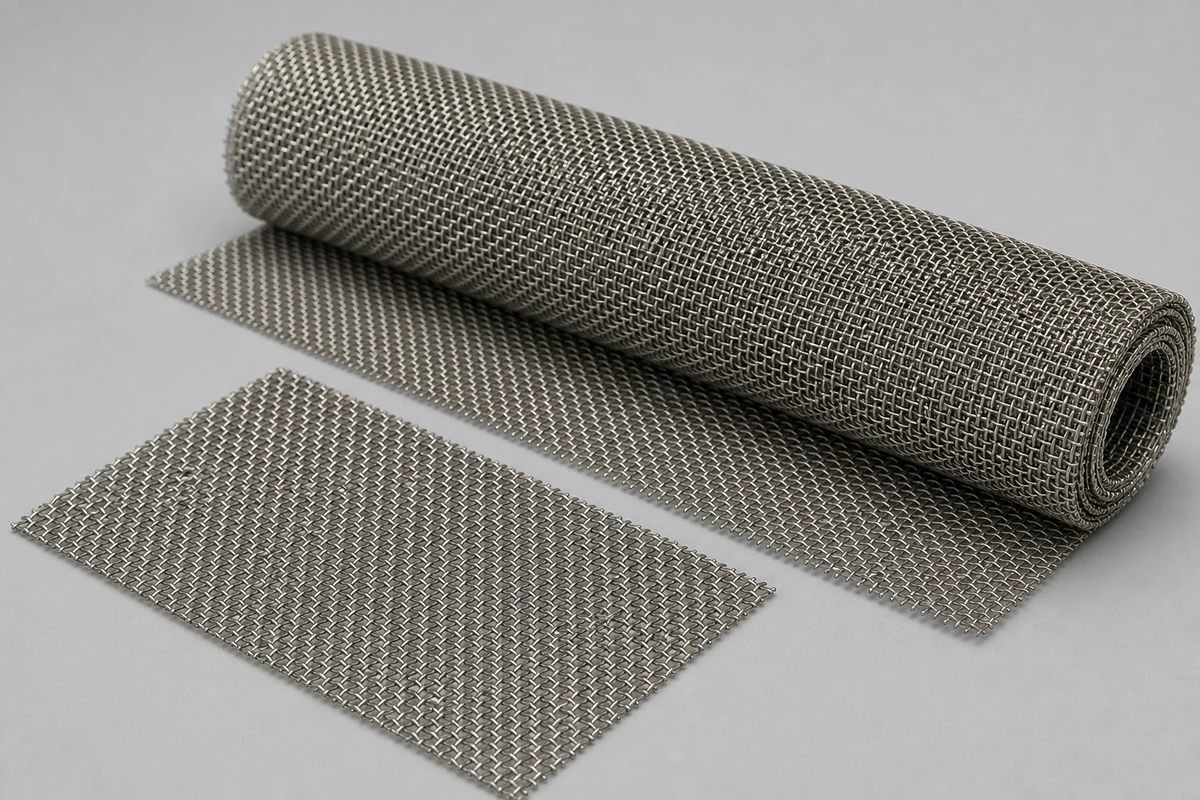
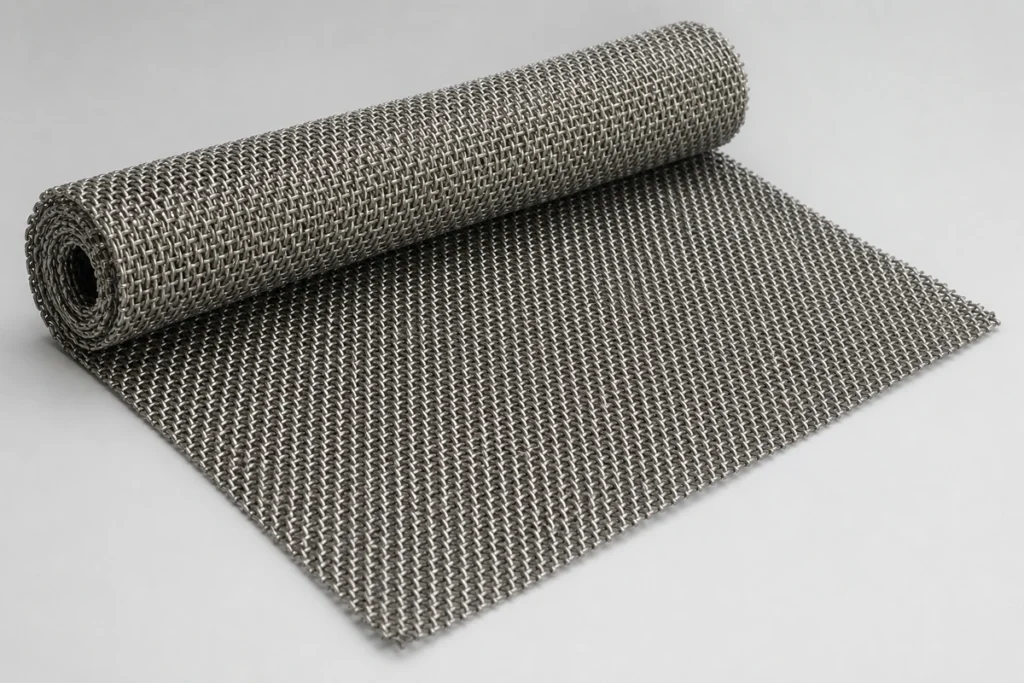
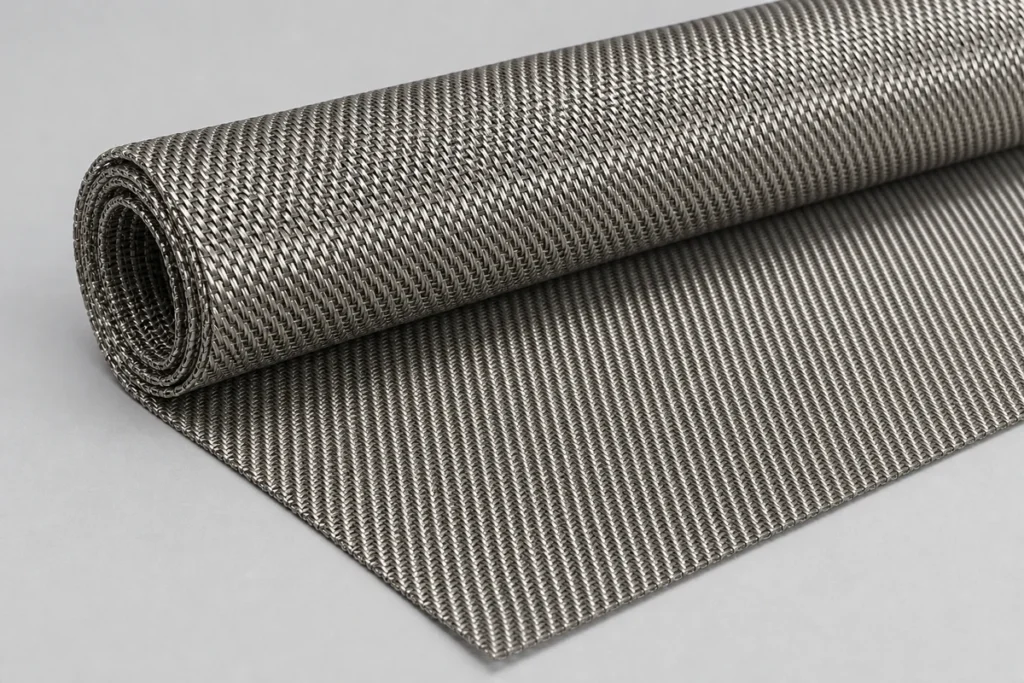
Twill Weave Wire Mesh for fine screening and filtration with twill-woven stainless steel mesh, where each wire passes over two and under two so heavier wire can be woven at fine mesh counts for extra strength. 9 sizes listed, with technical drawing and quotation.
Customize the parameters below — every spec field is editable, and the drawing redraws to match the values you choose. Changing the size will snap the other fields to that size's standard values; you can then override any individual value.
Sends the selected values to the quote form below.
Request a Quotation for Twill Weave Wire Mesh
Tell us the specification (mesh count / micron / dimensions), material and quantity you need for Twill Weave Wire Mesh (ISO 9044 / ASTM E2016) and our team will respond within one business day. Click "Request this configuration" on the drawing above to send the parameters you just chose straight into this form.
Dimensions & Specifications (ISO 9044 / ASTM E2016)
Every row below is a starting point for the customizer above — pick any specification row and the drawing will redraw to it.
Twill Weave Wire Mesh (ISO 9044 / ASTM E2016) is used for fine screening and filtration with twill-woven stainless steel mesh, where each wire passes over two and under two so heavier wire can be woven at fine mesh counts for extra strength.
Also known as: fine stainless steel mesh, twill weave wire cloth, fine wire mesh, fine mesh screen, stainless woven mesh
Mesh count: Twill weave is standard from about 200 mesh upward; below that it is chosen for strength.
Wire diameter: Twill allows a thicker wire at the same count — confirm the aperture in the table.
Flatness: Calendered twill cloth gives a thinner, flatter filter layer for discs and packs.
Materials
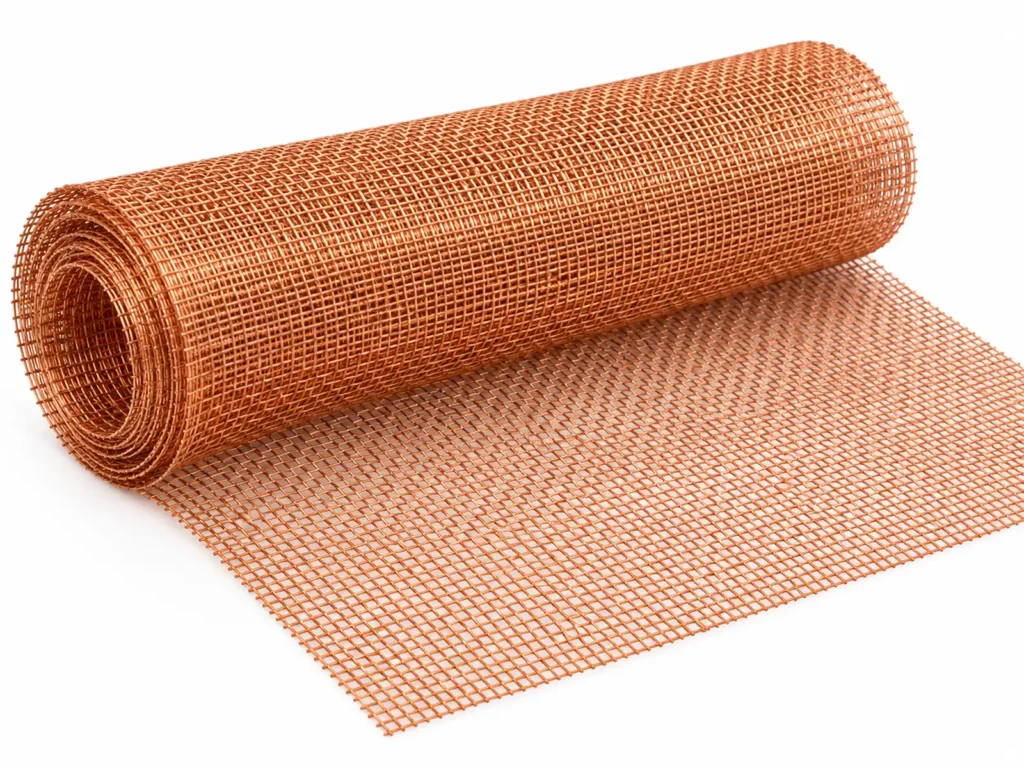
Standard supply is stainless steel 304, stainless steel 316/316L, brass, copper, Monel 400, Inconel 600; the material column in the table and the drawing options show the exact grade for each size. Other alloys and finishes can be quoted to your drawing.
Fitting & Care
Handle fine twill cloth on rolls without creasing; a crease permanently opens the weave.
Weld or rim edges before forming discs, since fine wire frays quickly.
Common Mistakes
Choosing plain weave at 325+ mesh, which is weak and distorts.
Assuming twill weave is finer than plain at the same count — only the wire changes, not the count.
When Twill Weave Wire Mesh Is Not the Right Choice
Not designed for coarse screening or sub-20 µm absolute filtration; use plain weave or dutch weave respectively.
Twill Weave Wire Mesh is stocked and supplied to order in rolls, cut sheets and fabricated pieces. Pricing starts from approximately US$4.00 per unit for standard specifications in stainless steel 304; final pricing depends on specification, alloy, quantity and fabrication (MOQ applies). Submit your exact configuration with the quote form above.
Fine screening and filtration with twill-woven stainless steel mesh, where each wire passes over two and under two so heavier wire can be woven at fine mesh counts for extra strength.
What is twill weave wire mesh?
A woven wire cloth where each wire passes over two and under two wires, producing a diagonal pattern.
Why use twill instead of plain weave?
Twill carries a thicker wire at fine mesh counts, so the cloth is stronger and lasts longer.
What is the finest stainless steel mesh available?
Twill weave stainless cloth is woven up to about 500–635 mesh.
What specifications are available for Twill Weave Wire Mesh?
The table on this page lists 9 standard specifications for Twill Weave Wire Mesh, from 80-Mesh to 635-Mesh. Specifications outside the table — custom mesh counts, wire diameters, roll widths and fabricated pieces — can be quoted on request.
How do I request a quotation?
Use the parametric drawing on this page to set the exact configuration (specification, material, treatment) and click "Request this configuration" — a specialist from custommetalfilters.com will respond within one business day.
Related Mesh Products
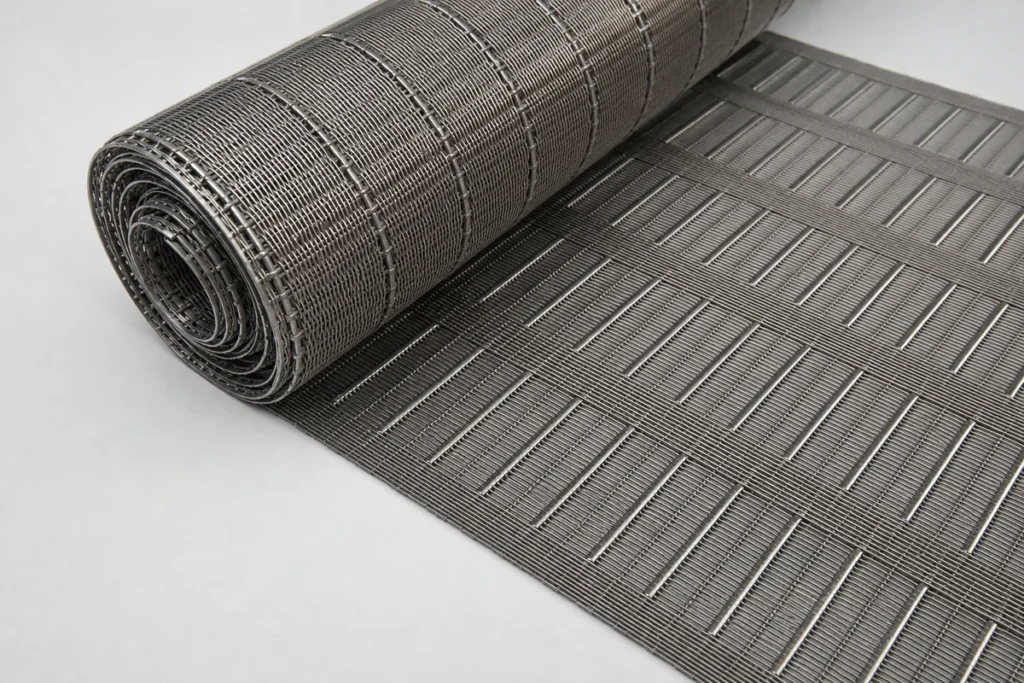
Closely related constructions in Woven Wire Mesh — compare aperture range, open area and cleanability.
This website uses only necessary and functional cookies to operate, secure, and improve basic website performance.
We do not use advertising cookies, Google Analytics, or cross-site tracking technologies.
Privacy Policy