Skip to content

Kitchen & Appliance Filters · IEC 60456 / IEC 61121 · Application guide

What Is Washing Machine & Dryer Lint Filter Mesh Used For?

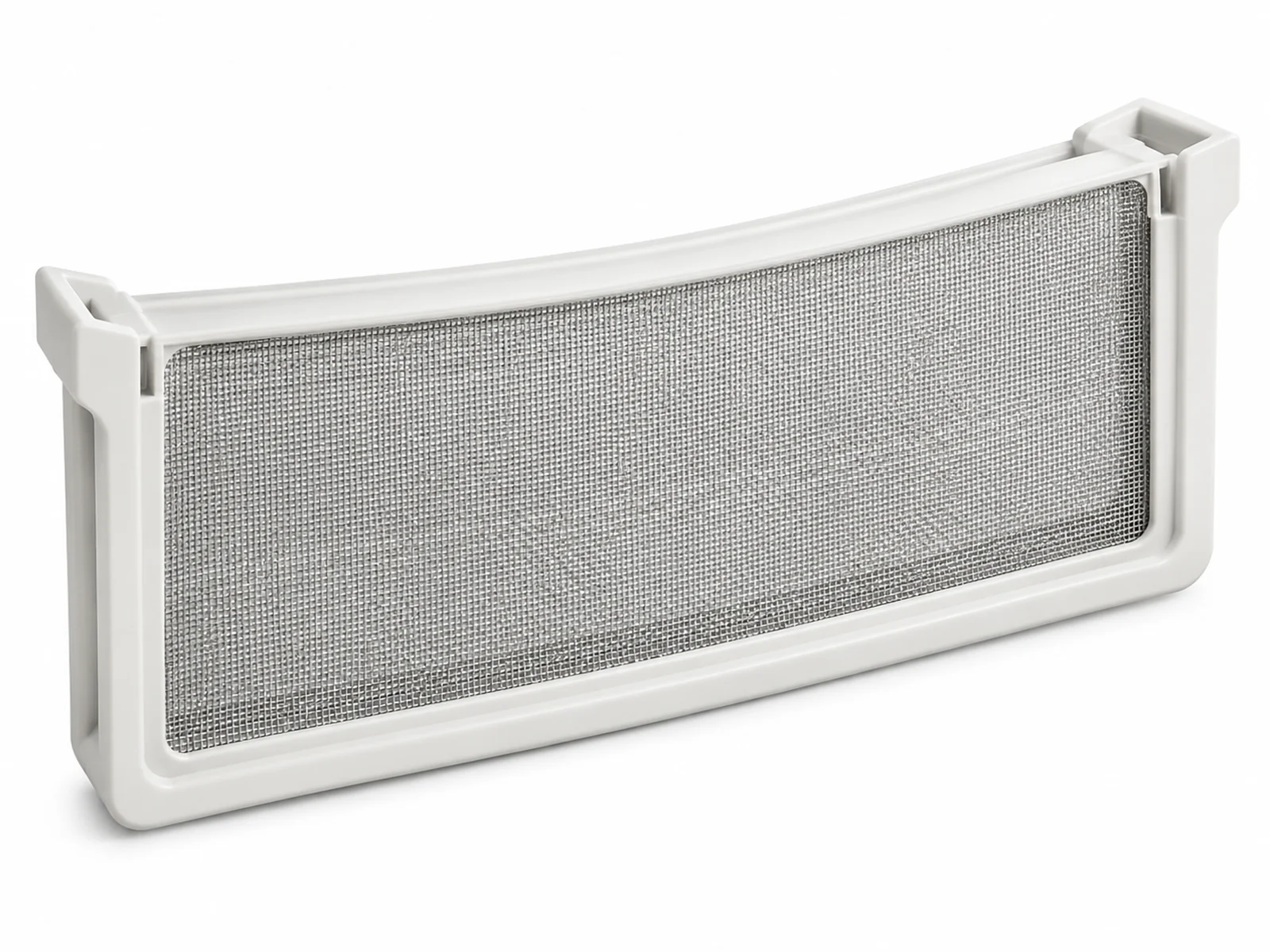
A rectangular stainless steel woven lint filter screen in a white plastic frame, partly covered with grey lint

Washing Machine & Dryer Lint Filter Mesh is used primarily for trapping lint and fibers in washing machines and tumble dryers before they reach the pump, drain or heater. This page lists the industries and assemblies where it is specified, the selection criteria that matter for each application, handling and installation practice, and the cases where a different mesh, screen or filter type is the correct choice. It is supplied to IEC 60456 / IEC 61121.

Typical Applications for Washing Machine & Dryer Lint Filter Mesh

Where Washing Machine & Dryer Lint Filter Mesh is specified and bought:

  • Laundry appliance OEMs: lint screens in dryer doors and washer pumps.
  • Laundromats: replacement screens for heavy-use machines.
  • Fire-safety retrofit: durable stainless screens replacing torn nylon.
  • Pet-hair filters: catchers for pet bedding loads.

How to Specify Washing Machine & Dryer Lint Filter Mesh for Your Application

  • Mesh count: 60–100 mesh catches lint while keeping airflow.
  • Frame: Specify frame size and how the screen locks in.
  • Material: SS304 tolerates dryer heat and repeated cleaning.
  • Standard: Quote IEC 60456 / IEC 61121 and the size designation from the table on the product page, plus any value you changed in the technical drawing.

Handling & Installation Practice

  • Clean dryer lint screens after every load.
  • Wash the screen with water and a brush monthly to remove softener film.

Common Selection Mistakes with Washing Machine & Dryer Lint Filter Mesh

  • Letting the lint screen clog, which raises dryer temperatures — a fire risk.
  • Choosing too fine a mesh, which blocks airflow.

Where Washing Machine & Dryer Lint Filter Mesh Is Not the Right Choice

Not for microplastic capture at the sub-100 µm scale; dedicated filters are needed.
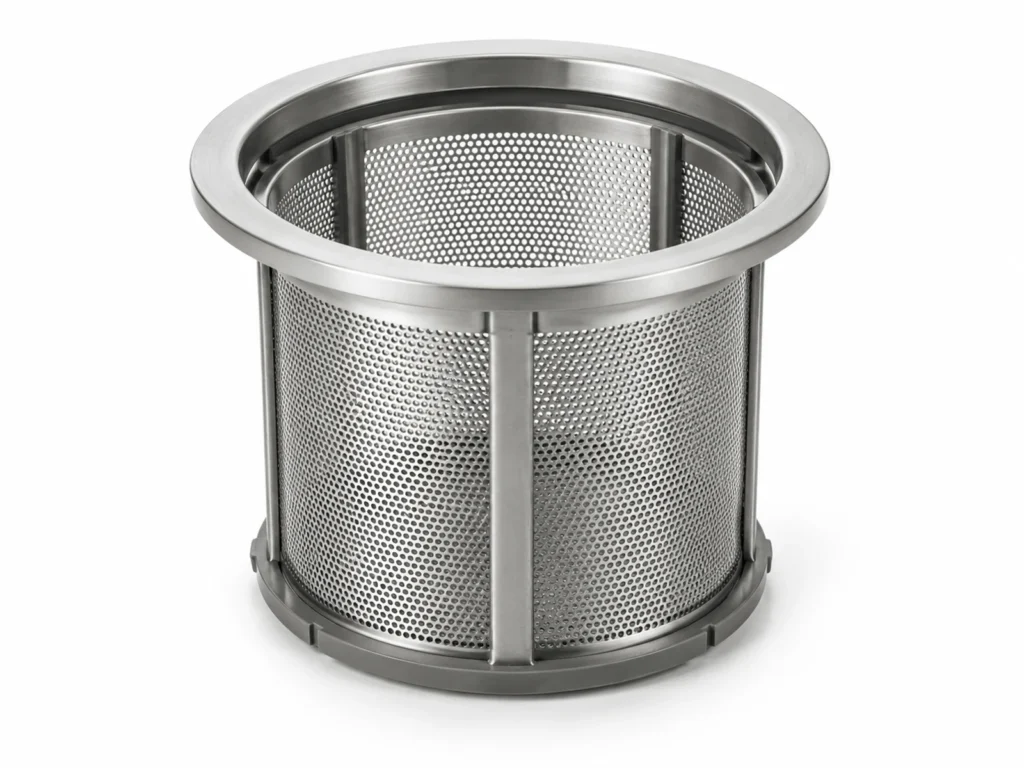
If This Construction Is Not the Right Fit

Closely related mesh types for the same duty — compare open area, aperture range and cleanability before you commit.

Technical Drawing

Customize the parameters below — every spec field is editable, and the drawing redraws to match the values you choose. Changing the size will snap the other fields to that size's standard values; you can then override any individual value.

Sends the selected values to the quote form below.

Request a Quote

Set the size and options in the drawing above, then send the exact configuration straight to this form.

Request a Quotation

Specification
Business Information

Dimensions & Specifications (IEC 60456 / IEC 61121)

Mesh countWire diameter (mm)Aperture (mm)Micron rating (u00b5m)Open area (%)Material
40-Mesh0.2500.38538536.8SS304
60-Mesh0.1900.23323330.4SS304
80-Mesh0.1400.17717831.3SS304
100-Mesh0.1000.15415436.8SS304

Frequently Asked Questions

What is Washing Machine & Dryer Lint Filter Mesh used for?

Trapping lint and fibers in washing machines and tumble dryers before they reach the pump, drain or heater.

What mesh is used for dryer lint screens?

Usually 60–100 mesh, balancing lint capture and airflow.

Why does my dryer take longer?

A blinded lint screen — fabric softener film can block it even when lint is removed.

Is a stainless lint screen better than nylon?

Yes; it resists heat, tears less and is easier to clean.

Can I get a quote for Washing Machine & Dryer Lint Filter Mesh to my own drawing?

Yes. Set the size and any custom value in the technical drawing on the product page and send it with the quote form; we reply within one business day.