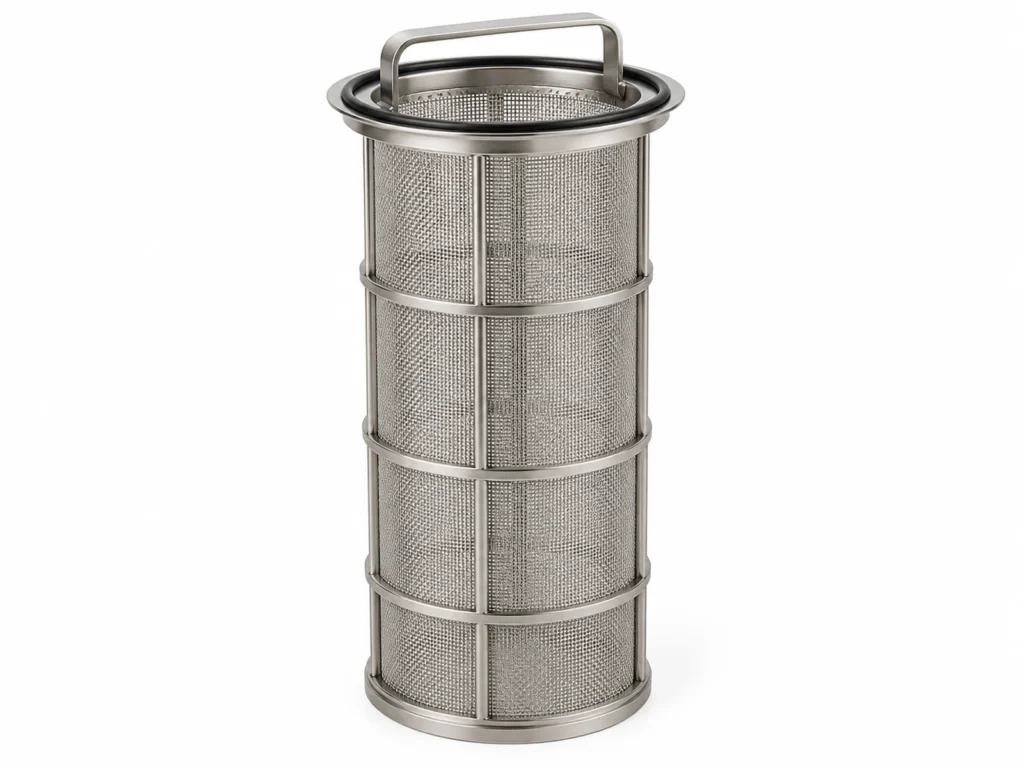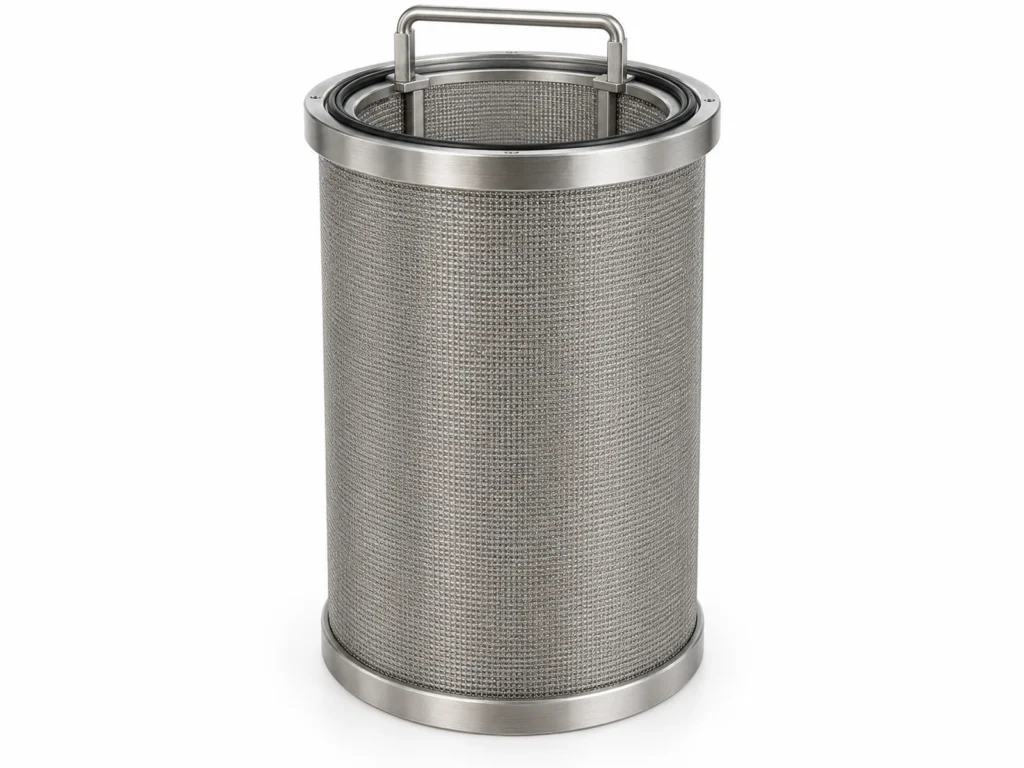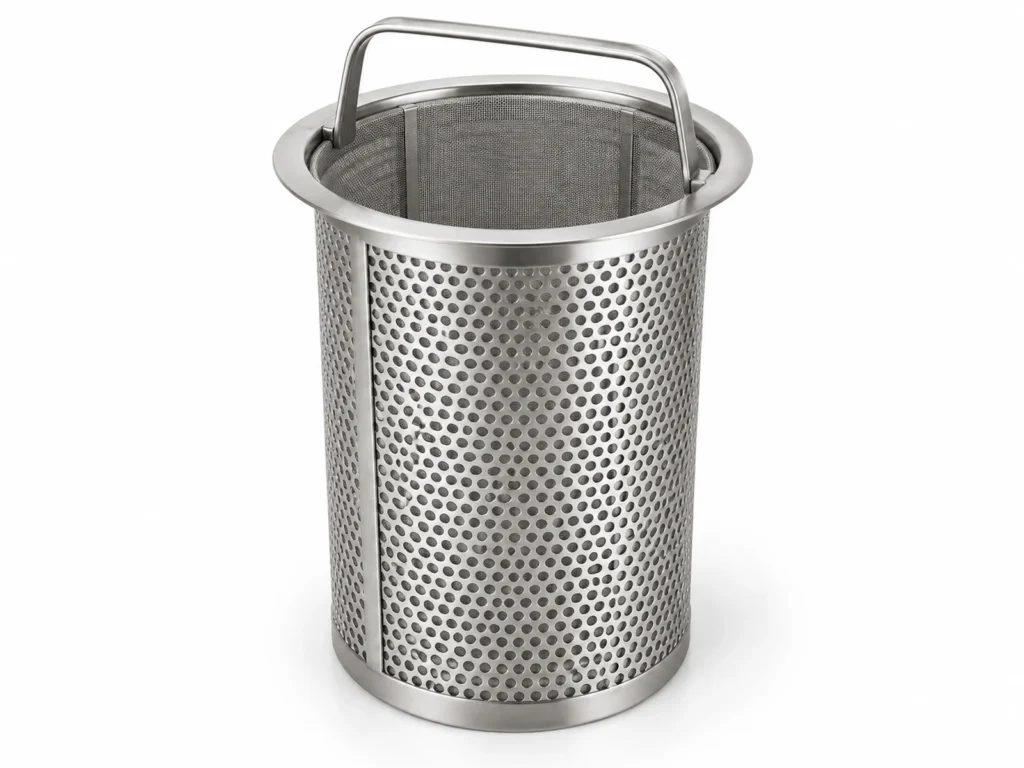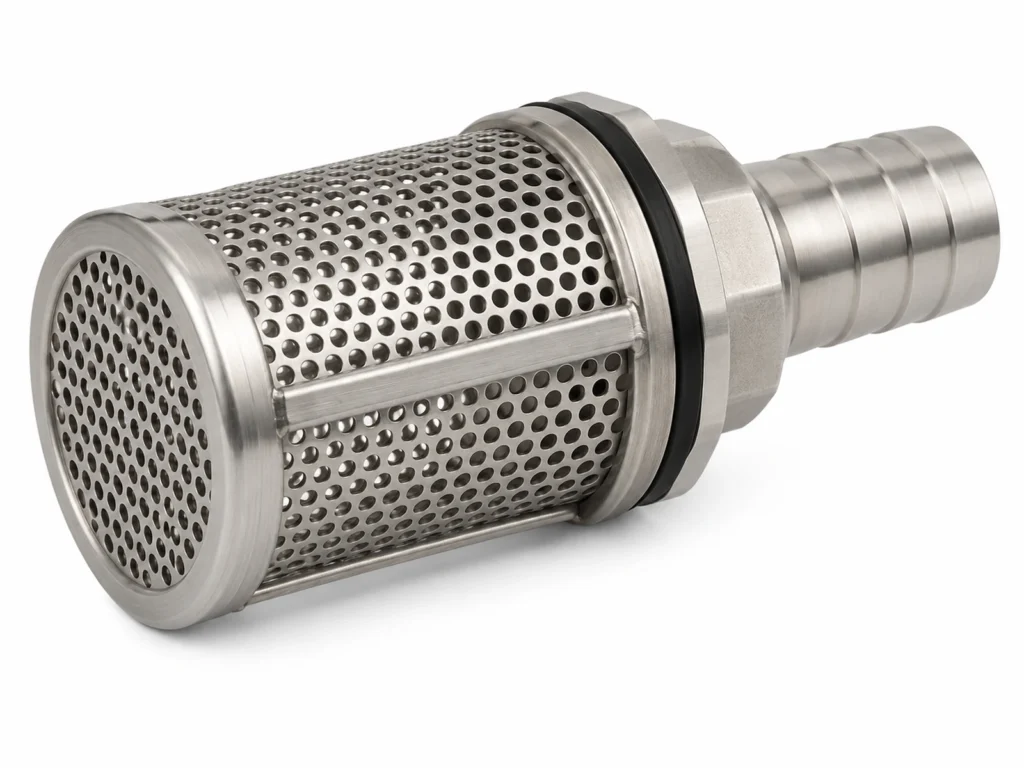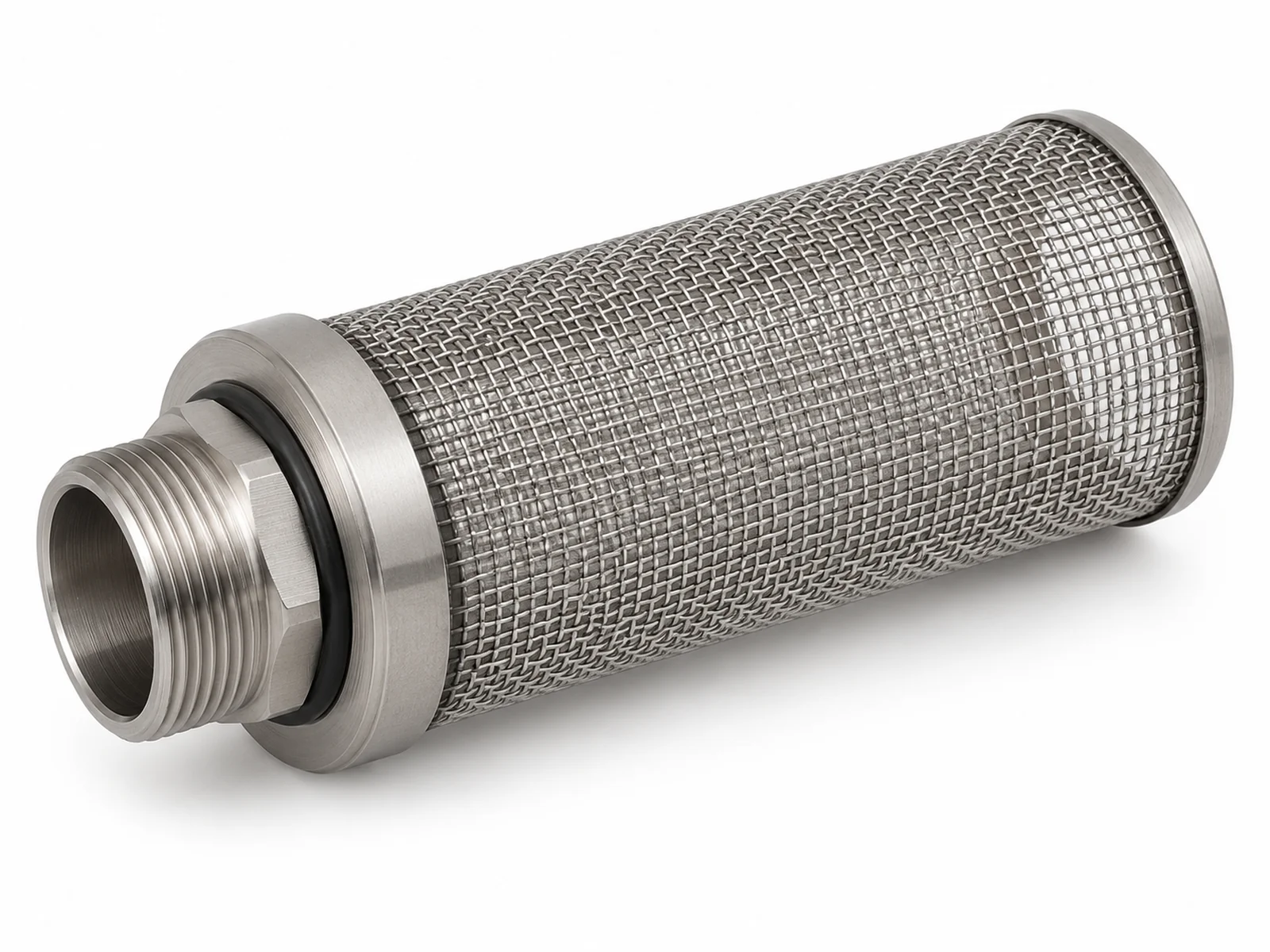
Hydraulic Tank Suction Strainer is used primarily for protecting hydraulic pumps from large particles at the tank outlet with a threaded wire mesh suction strainer that sits below the oil level. This page lists the industries and assemblies where it is specified, the selection criteria that matter for each application, handling and installation practice, and the cases where a different mesh, screen or filter type is the correct choice. It is supplied to ISO 2941 / NFPA T3.10.
Typical Applications for Hydraulic Tank Suction Strainer
Where Hydraulic Tank Suction Strainer is specified and bought:
- Mobile hydraulics: tractors, loaders and cranes.
- Industrial power units: press and machine-tool hydraulics.
- Lubrication systems: gear-box and turbine lube pumps.
- Fuel transfer: tank outlet screens.
How to Specify Hydraulic Tank Suction Strainer for Your Application
- Thread & flow: Match the pump suction port; size by flow so pressure drop stays below about 0.1 bar.
- Rating: 74 or 149 µm (100 or 200 mesh) to protect the pump without cavitation.
- Bypass: A 0.2 bar bypass valve protects the pump if the strainer clogs.
- Standard: Quote ISO 2941 / NFPA T3.10 and the size designation from the table on the product page, plus any value you changed in the technical drawing.
Handling & Installation Practice
- Install at least 50 mm above the tank bottom and fully submerged at low oil level.
- Clean at each oil change and inspect for collapsed mesh.
Common Selection Mistakes with Hydraulic Tank Suction Strainer
- Choosing a finer rating than the pump can tolerate, causing cavitation.
- Mounting too close to the tank bottom, where sludge collects.
Where Hydraulic Tank Suction Strainer Is Not the Right Choice
Not a replacement for pressure or return-line filters that control oil cleanliness.