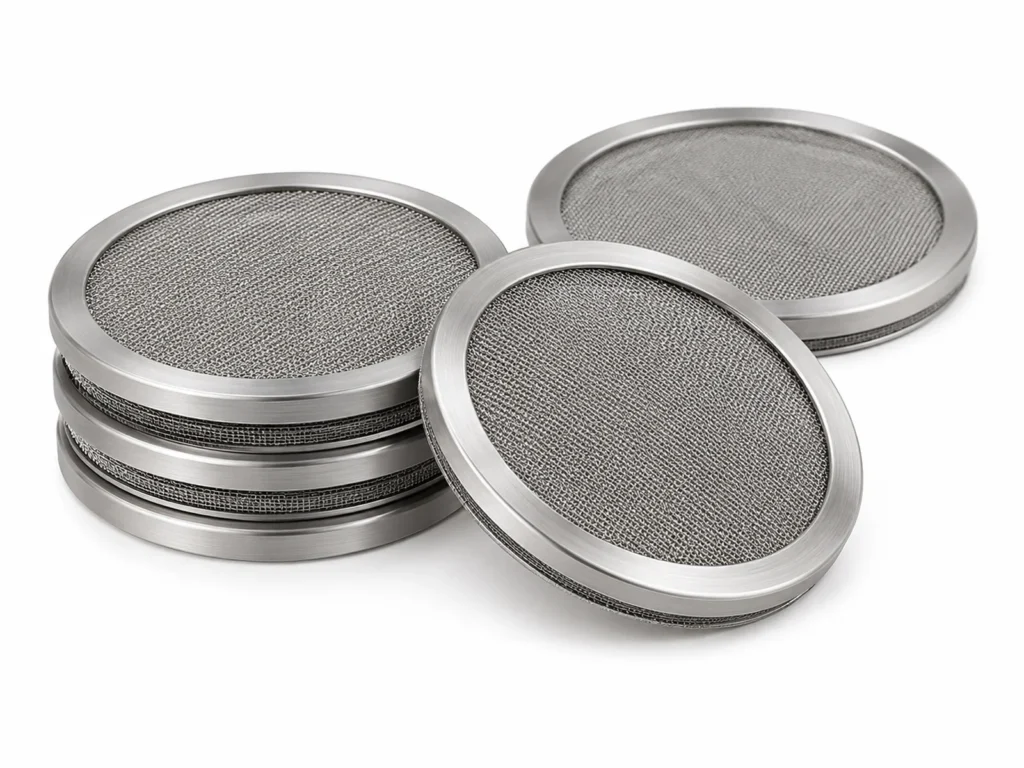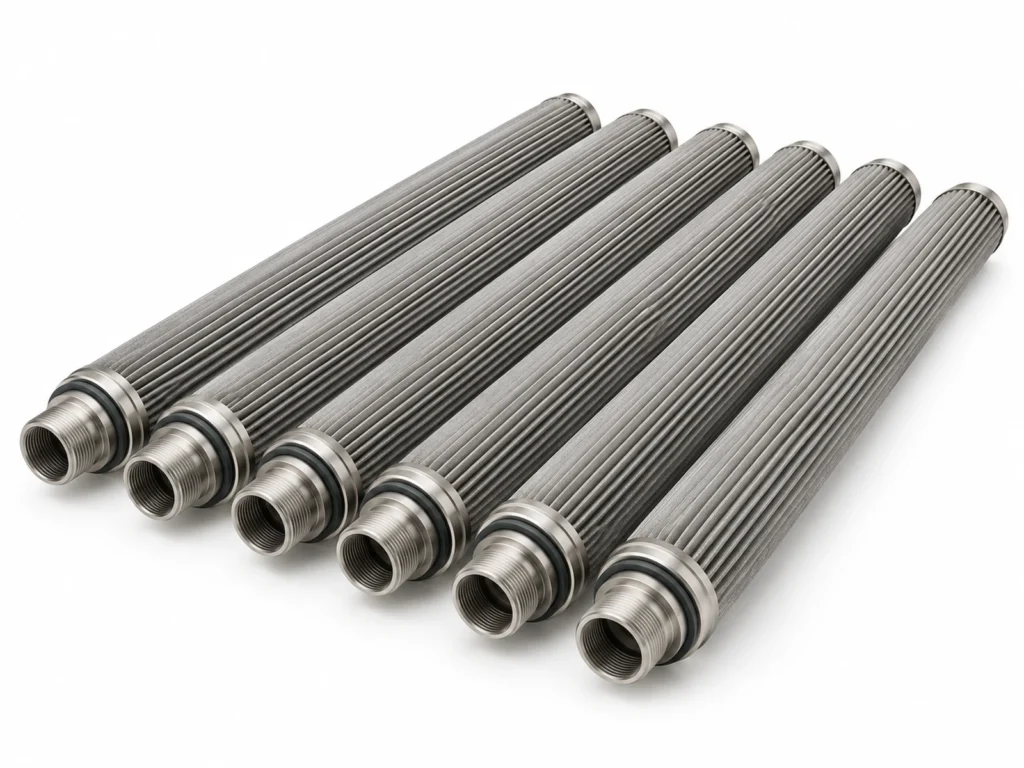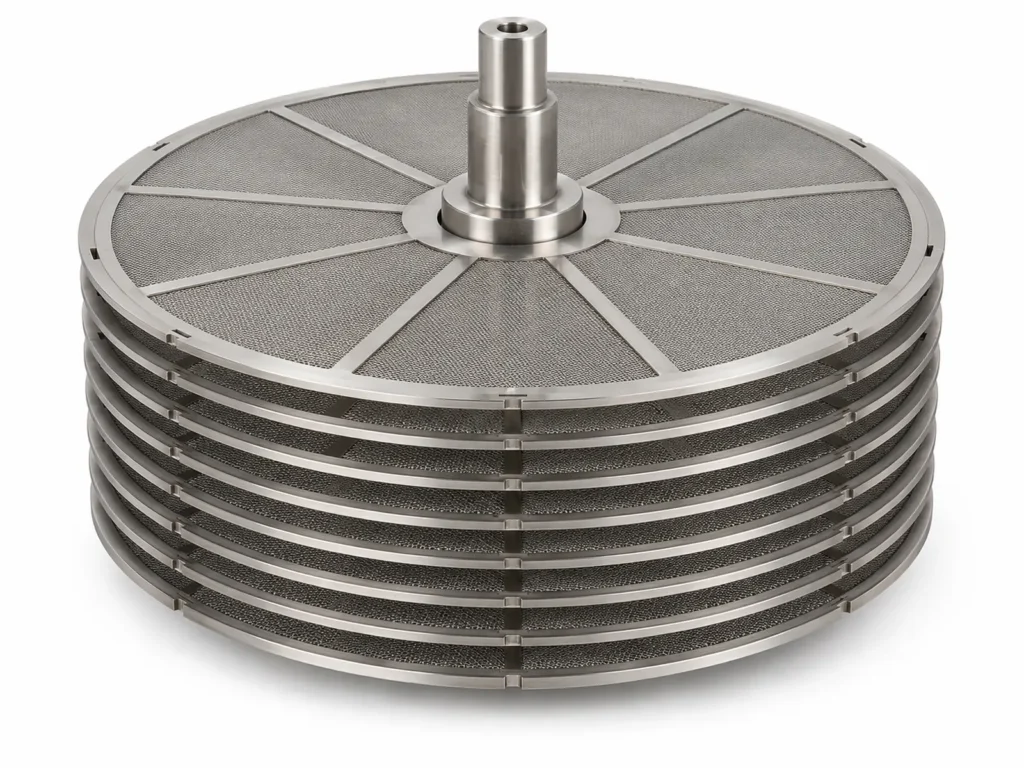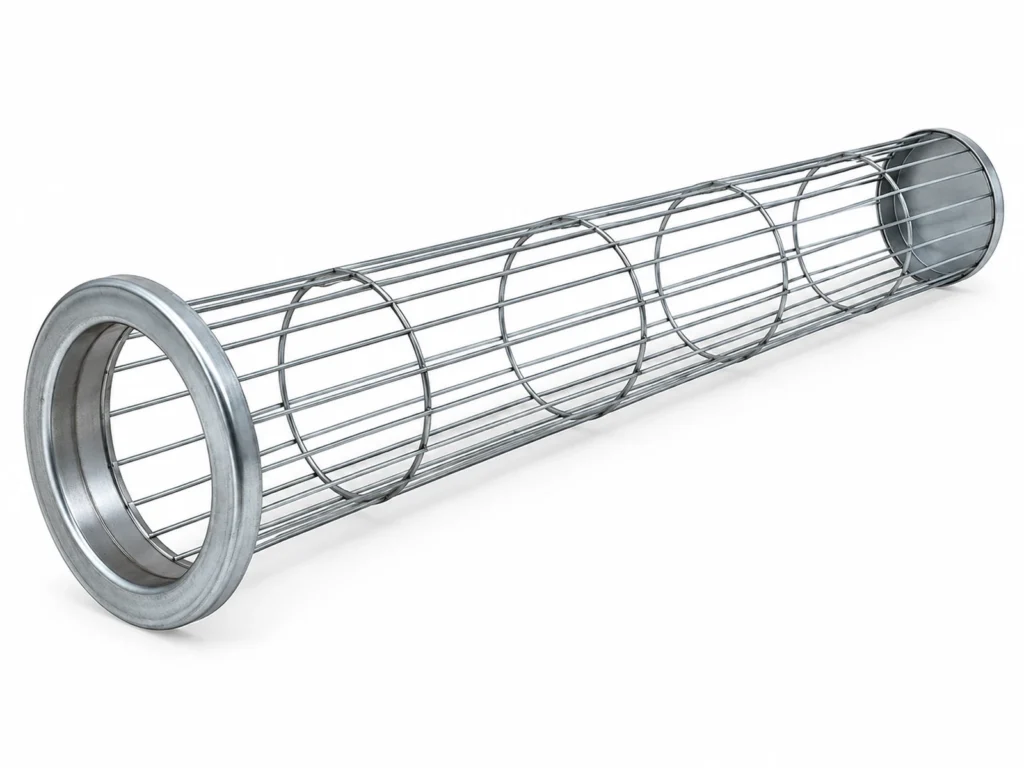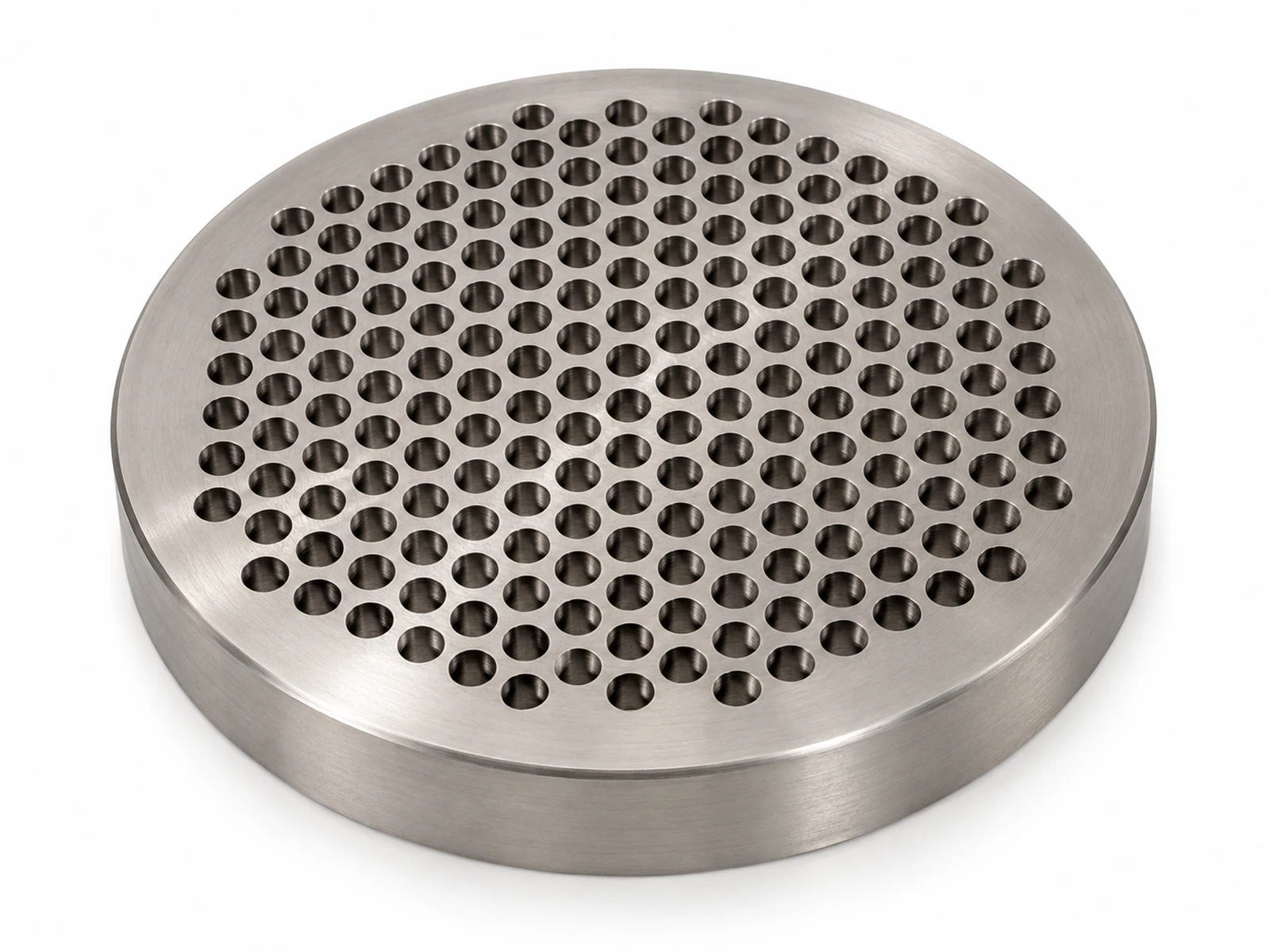
Extruder Breaker Plate is selected when an assembly or process calls for supporting the screen pack against melt pressure at the extruder head while straightening the melt flow through a thick perforated steel plate. This application guide to the Custom to extruder drawing type covers concrete end-uses, the specification checklist, correct installation, and where an alternative mesh or filter medium performs better.
Typical Applications for Extruder Breaker Plate
Where Extruder Breaker Plate is specified and bought:
- Pipe & profile extrusion: breaker plates behind screen packs.
- Film & sheet lines: plates in screen changers.
- Compounding & recycling: heavy plates for contaminated melts.
- Rubber extrusion: strainer plates.
How to Specify Extruder Breaker Plate for Your Application
- Diameter & seat: Match the barrel bore, adapter recess and seal design.
- Holes: Hole size, pitch and chamfers set pressure drop and flow.
- Material: Hardened stainless tool steel or nitrided steel for wear and corrosion.
- Standard: Quote Custom to extruder drawing and the size designation from the table on the product page, plus any value you changed in the technical drawing.
Handling & Installation Practice
- Clean by burn-off or in a fluidized bed, then check holes for erosion.
- Replace the screen pack every time the plate is removed.
Common Selection Mistakes with Extruder Breaker Plate
- Running without a screen pack, so the melt is not filtered.
- Reusing a plate with eroded or cracked holes.
Where Extruder Breaker Plate Is Not the Right Choice
Not a filter by itself — it supports the screen pack that does the filtering.