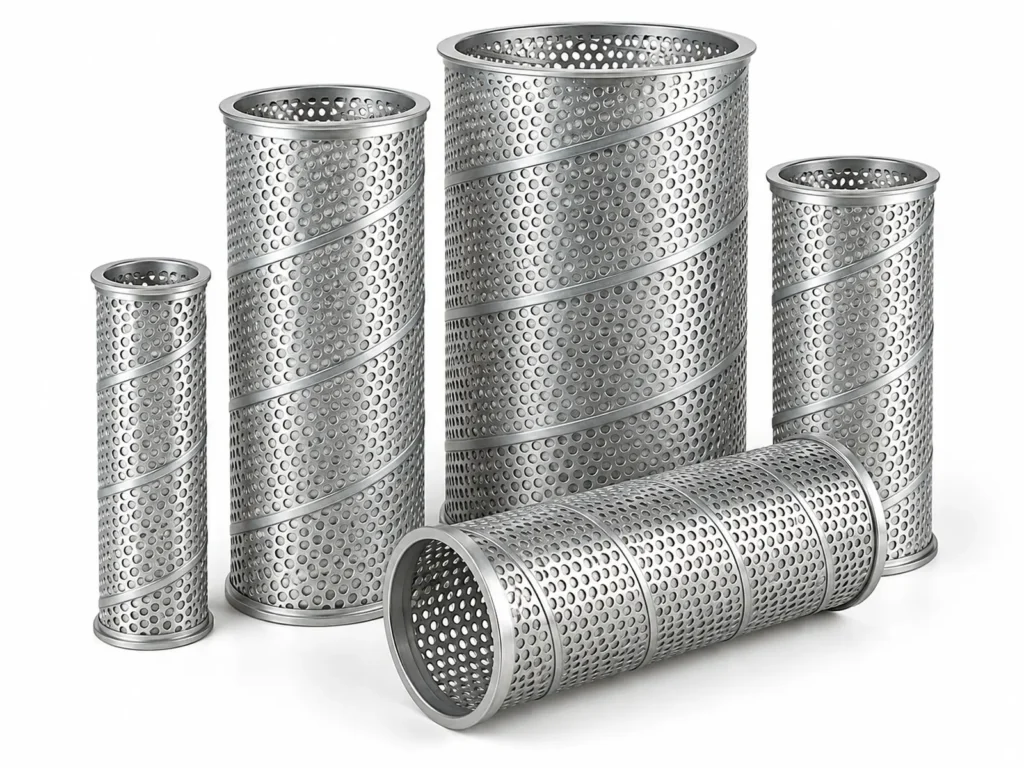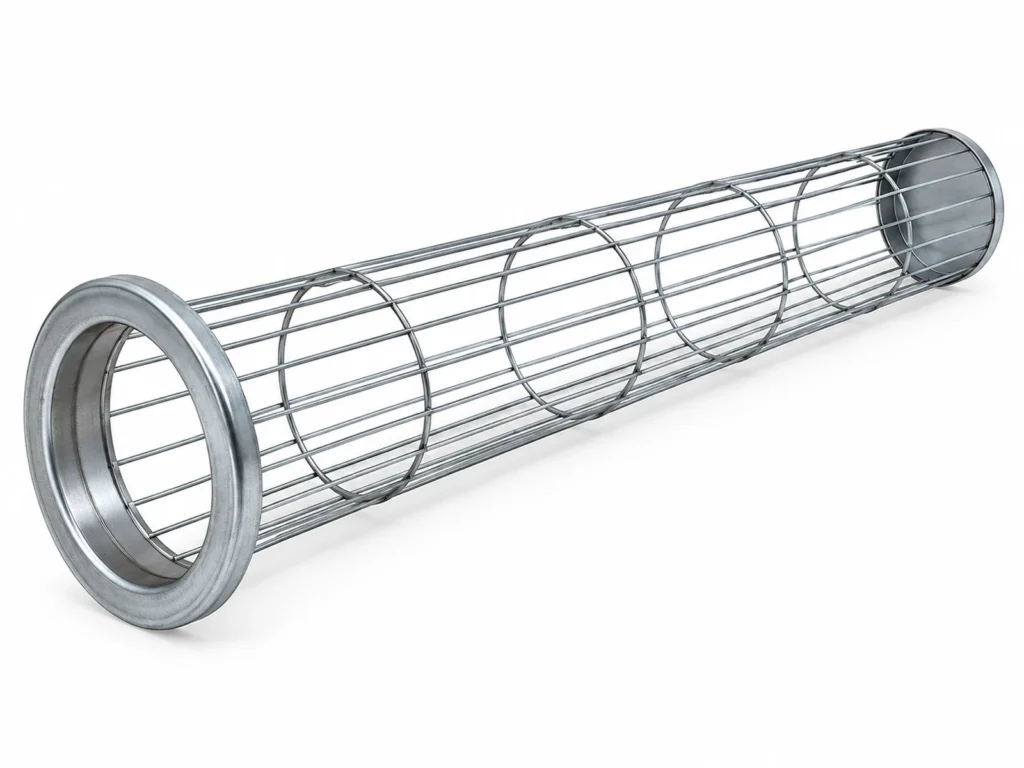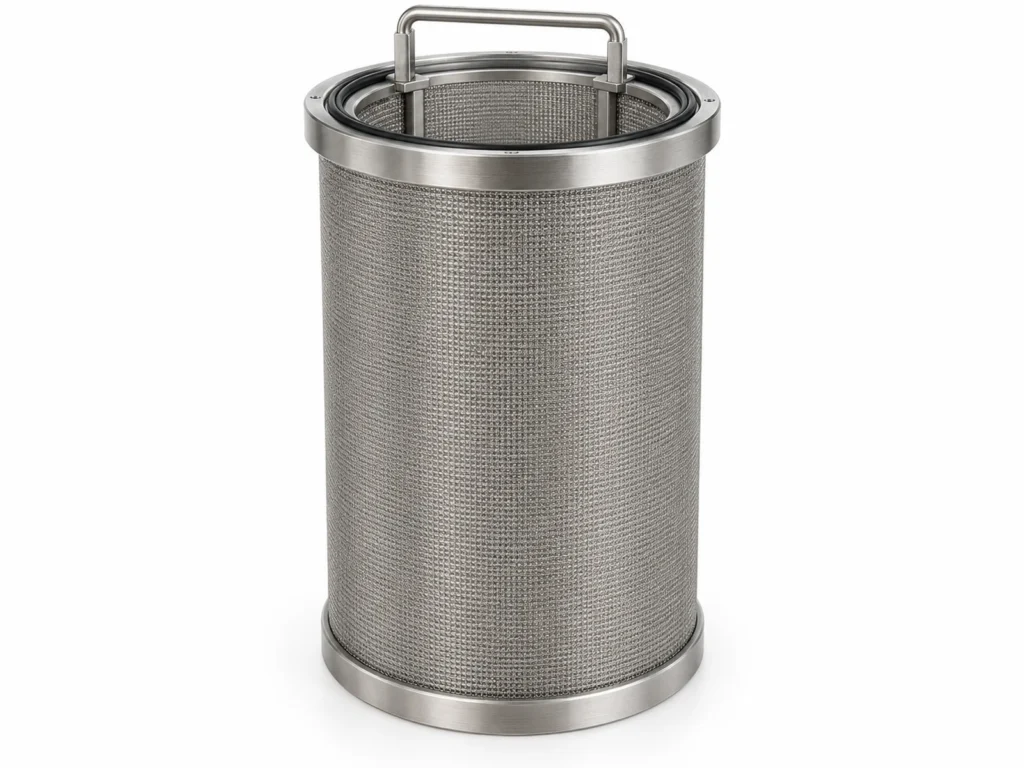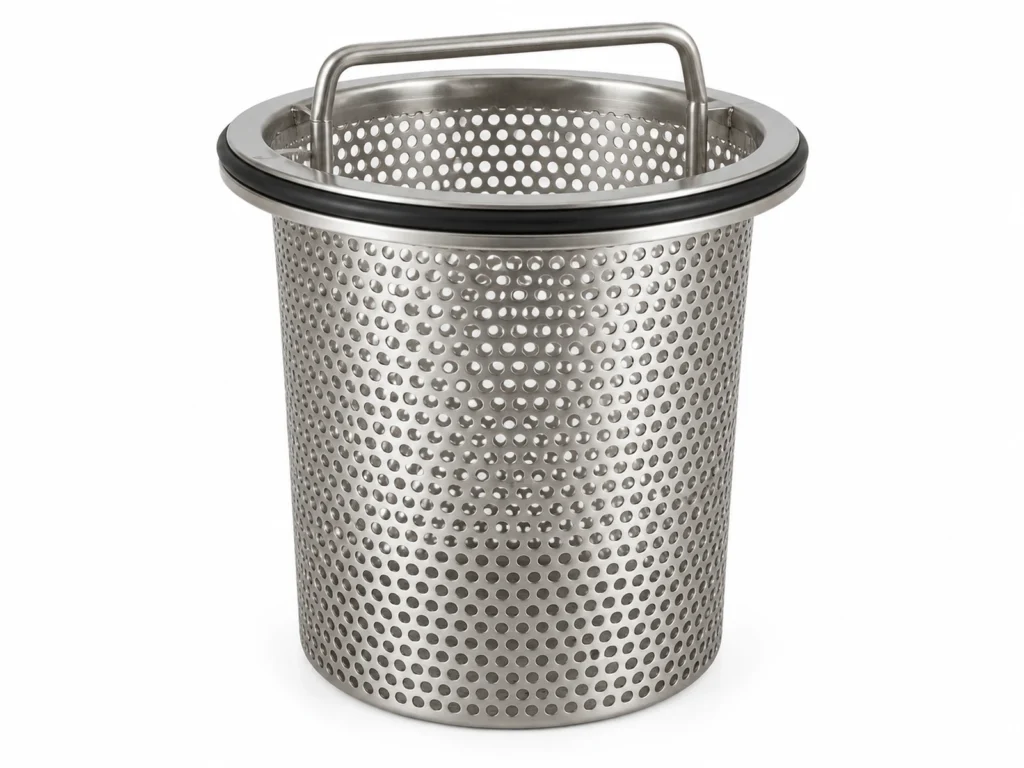
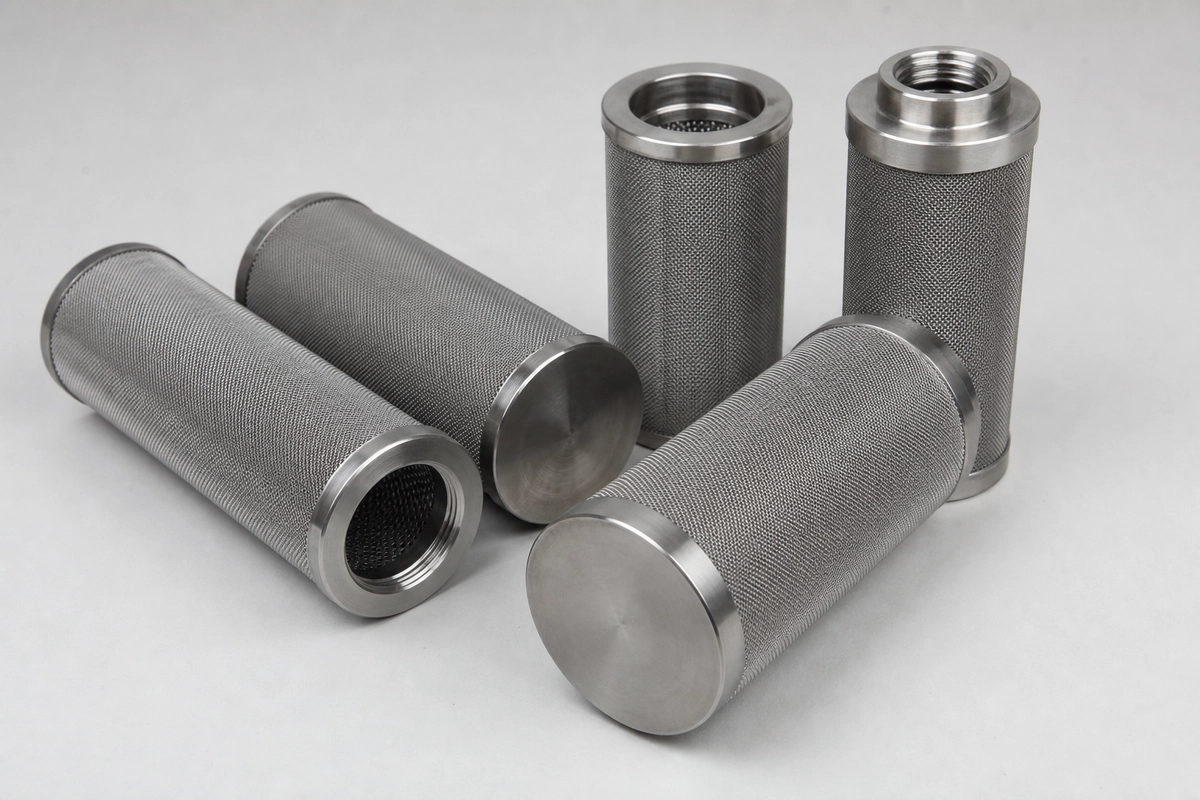
Cylindrical Filter Cartridges (ISO 2941 / ISO 3724) is specified where the duty calls for filtering liquids and gases in housings with cylindrical metal mesh filter cartridges built from woven stainless cloth on a perforated support core. The sections below cover the typical end-uses by industry, the mesh, micron and material decisions for each, installation practice, and the applications this product type is not suited to.
Typical Applications for Cylindrical Filter Cartridges
Where Cylindrical Filter Cartridges is specified and bought:
- Hydraulic & lube systems: suction and return filter elements.
- Water & process: strainer elements in pipelines.
- Chemical & petrochemical: solvent and catalyst filters.
- Compressed air & gas: inlet filter elements.
How to Specify Cylindrical Filter Cartridges for Your Application
- Dimensions & ends: OD, ID, length and end caps (DOE, SOE, threaded, O-ring).
- Micron rating: From woven or dutch media.
- Flow direction: Out-to-in or in-to-out with matching support.
- Standard: Quote ISO 2941 / ISO 3724 and the size designation from the table on the product page, plus any value you changed in the technical drawing.
Handling & Installation Practice
- Lubricate O-rings and seat the element squarely.
- Clean by back-flush or ultrasonics.
Common Selection Mistakes with Cylindrical Filter Cartridges
- Wrong flow direction.
- Damaged O-rings causing bypass.
Where Cylindrical Filter Cartridges Is Not the Right Choice
Not for very fine filtration where sintered media is needed.