Skip to content

Kitchen & Appliance Filters · FDA 21 CFR / EU 1935/2004 food contact · Application guide

What Is Honey & Beekeeping Double Strainer Used For?

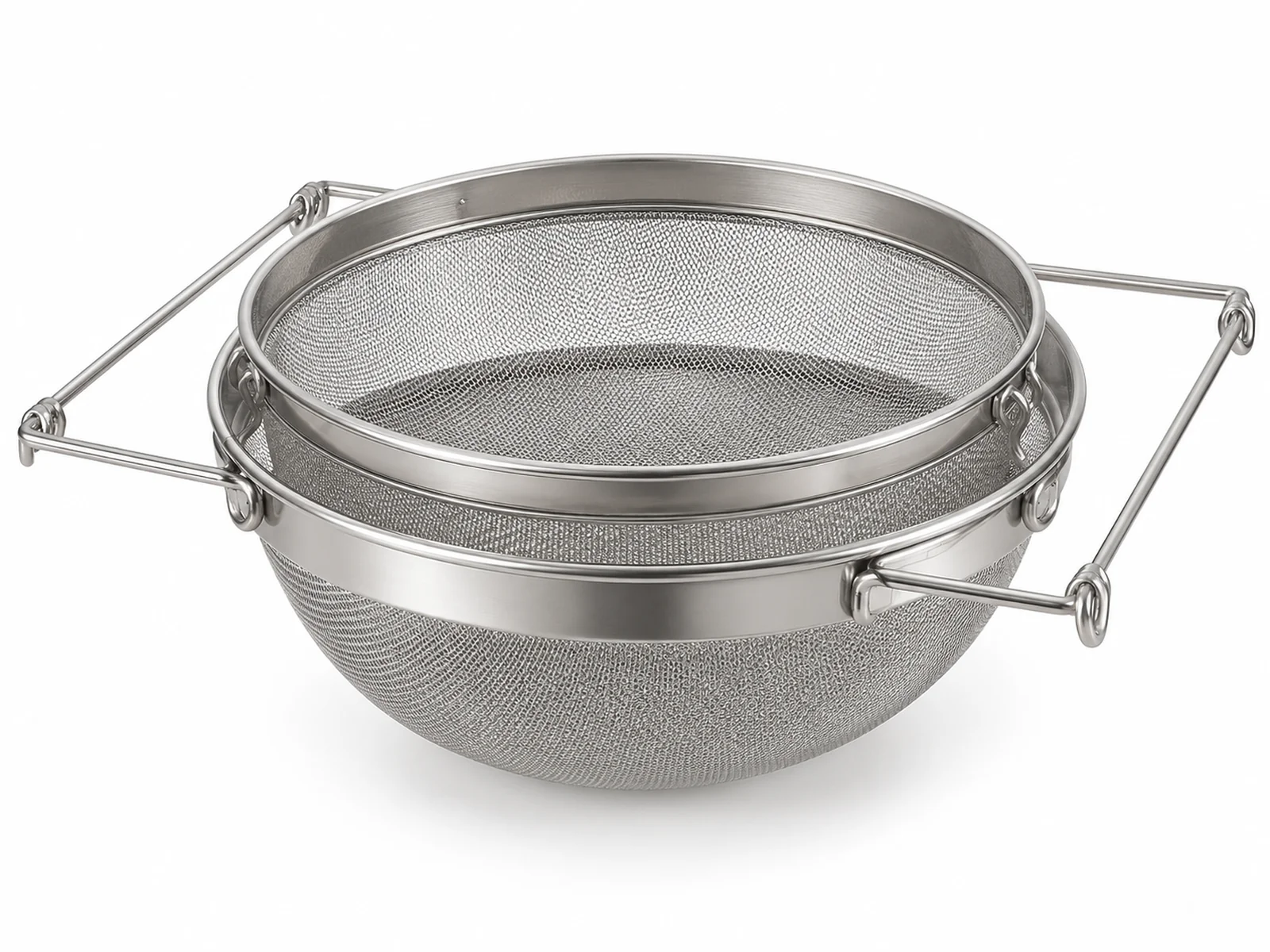
A stainless steel double honey strainer with two nested mesh bowls resting on a white food-grade bucket

Honey & Beekeeping Double Strainer is selected when an assembly or process calls for straining extracted honey through a coarse then fine stainless screen to remove wax cappings and bee debris before bottling. This application guide to the FDA 21 CFR / EU 1935/2004 food contact type covers concrete end-uses, the specification checklist, correct installation, and where an alternative mesh or filter medium performs better.

Typical Applications for Honey & Beekeeping Double Strainer

Where Honey & Beekeeping Double Strainer is specified and bought:

  • Beekeeping suppliers: double sieves sized to 5-gallon buckets.
  • Small honey packers: pre-bottling straining.
  • Hobby apiaries: harvest kits with extractor and uncapping tools.
  • Maple & syrup producers: coarse straining before final filtering.

How to Specify Honey & Beekeeping Double Strainer for Your Application

  • Bucket fit: Telescopic arms or the top diameter must suit the bucket rim.
  • Mesh pair: 12-mesh upper catches wax; 50-mesh lower gives clean honey; 100-mesh for show-quality clarity.
  • Material: Stainless steel, because honey is mildly acidic and galvanized parts contaminate it.
  • Standard: Quote FDA 21 CFR / EU 1935/2004 food contact and the size designation from the table on the product page, plus any value you changed in the technical drawing.

Handling & Installation Practice

  • Strain honey warm (about 35 °C); cold honey barely moves through 50-mesh.
  • Rinse the screens with warm, not hot, water to dissolve honey without melting wax into the weave.

Common Selection Mistakes with Honey & Beekeeping Double Strainer

  • Using only a fine screen, which blinds instantly with wax cappings.
  • Heating honey above 40 °C to speed straining, which damages flavor and enzymes.

Where Honey & Beekeeping Double Strainer Is Not the Right Choice

Not a pollen-removing ultrafilter — commercial "ultra-filtered" honey uses pressure filtration, not gravity screens.
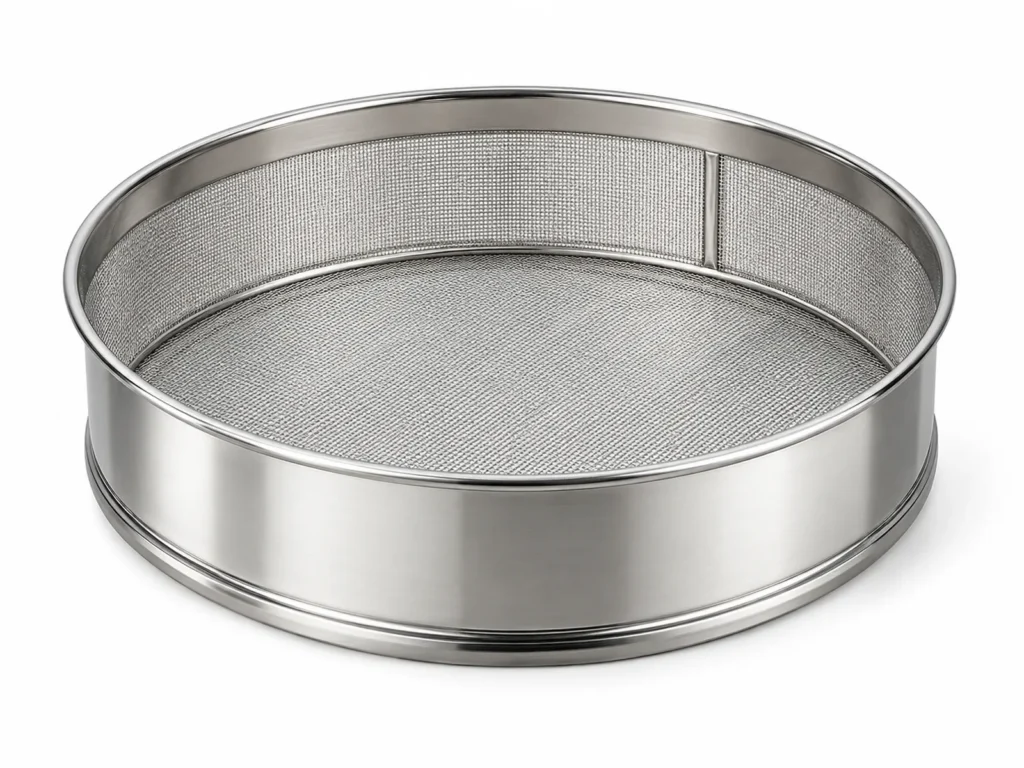
If This Construction Is Not the Right Fit

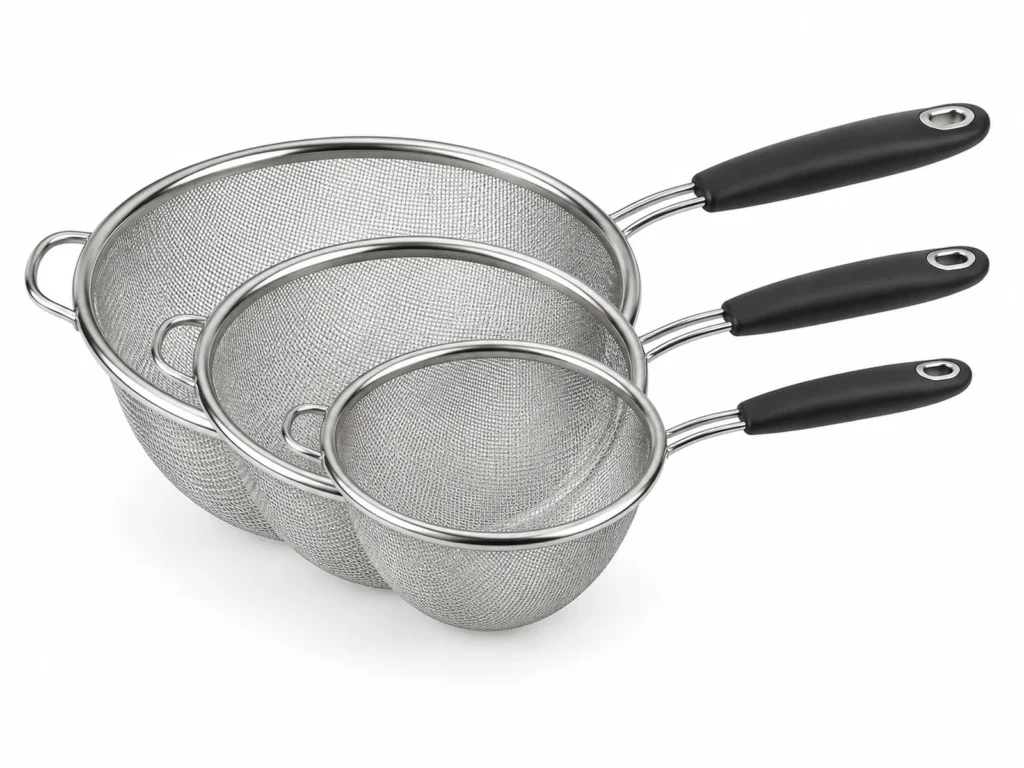
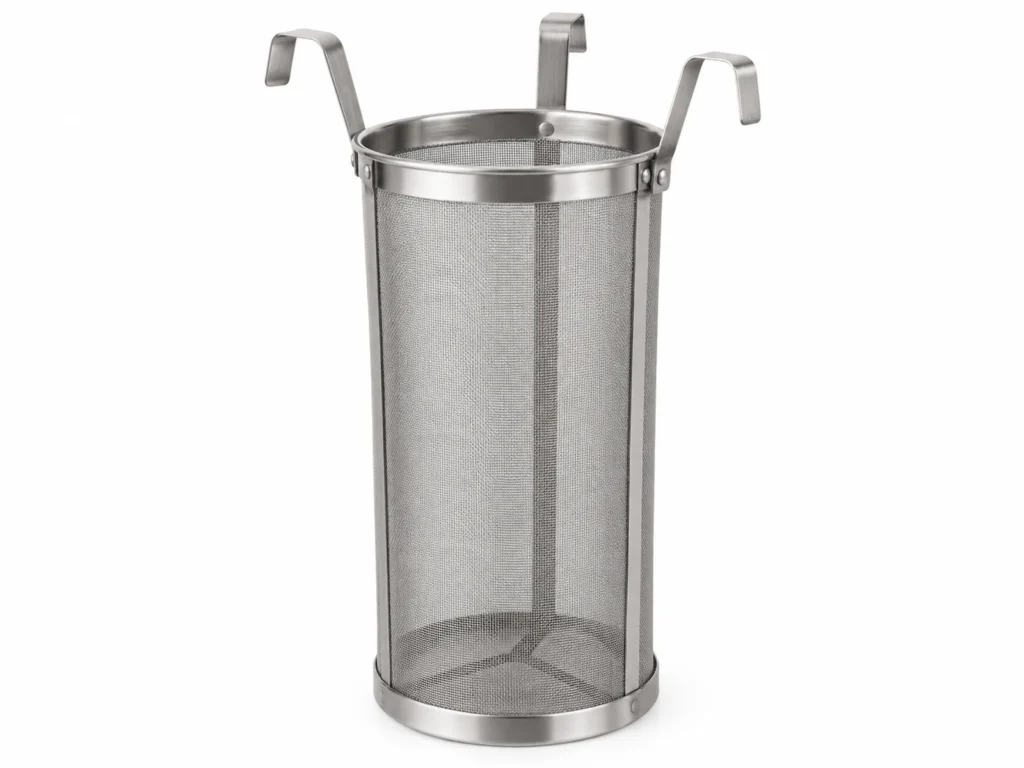
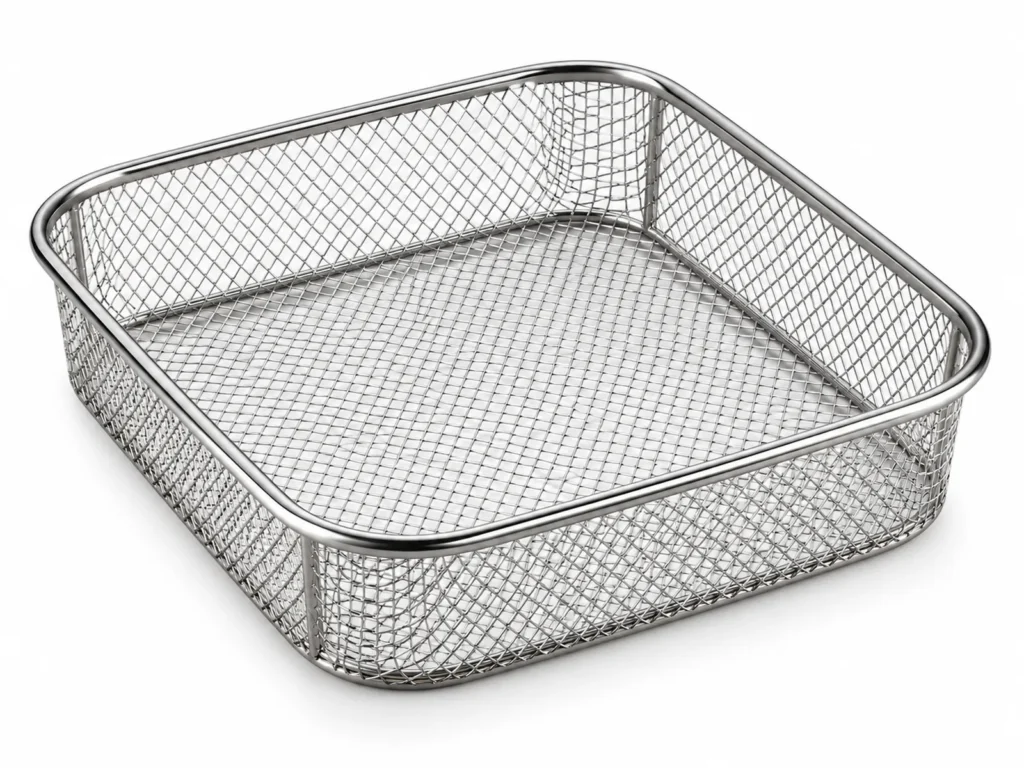
Closely related mesh types for the same duty — compare open area, aperture range and cleanability before you commit.

Technical Drawing

Customize the parameters below — every spec field is editable, and the drawing redraws to match the values you choose. Changing the size will snap the other fields to that size's standard values; you can then override any individual value.

Sends the selected values to the quote form below.

Request a Quote

Set the size and options in the drawing above, then send the exact configuration straight to this form.

Request a Quotation

Specification
Business Information

Dimensions & Specifications (FDA 21 CFR / EU 1935/2004 food contact)

SizeTop diameter (mm)Depth (mm)Coarse meshFine meshMicron rating (u00b5m)
Bucket 25025016012-Mesh50-Mesh288
Bucket 30030018012-Mesh50-Mesh288
Fine 30030018020-Mesh100-Mesh154

Frequently Asked Questions

What is Honey & Beekeeping Double Strainer used for?

Straining extracted honey through a coarse then fine stainless screen to remove wax cappings and bee debris before bottling.

What mesh size should I use to strain honey?

A coarse 12-mesh over a 50-mesh screen is standard; add 100-mesh for very clear honey.

Does straining remove pollen from honey?

No; gravity screens remove wax and debris, while pollen grains pass through.

Why is a stainless honey strainer better than nylon?

It does not stretch, takes warm water cleaning and lasts many seasons.

Can I get a quote for Honey & Beekeeping Double Strainer to my own drawing?

Yes. Set the size and any custom value in the technical drawing on the product page and send it with the quote form; we reply within one business day.