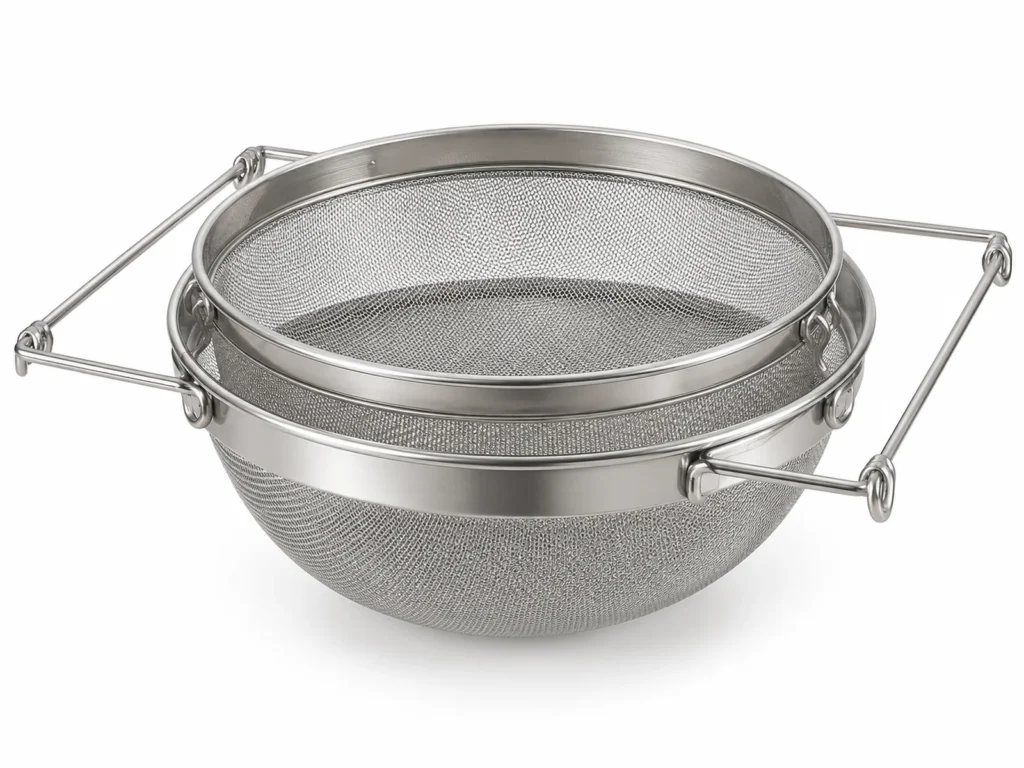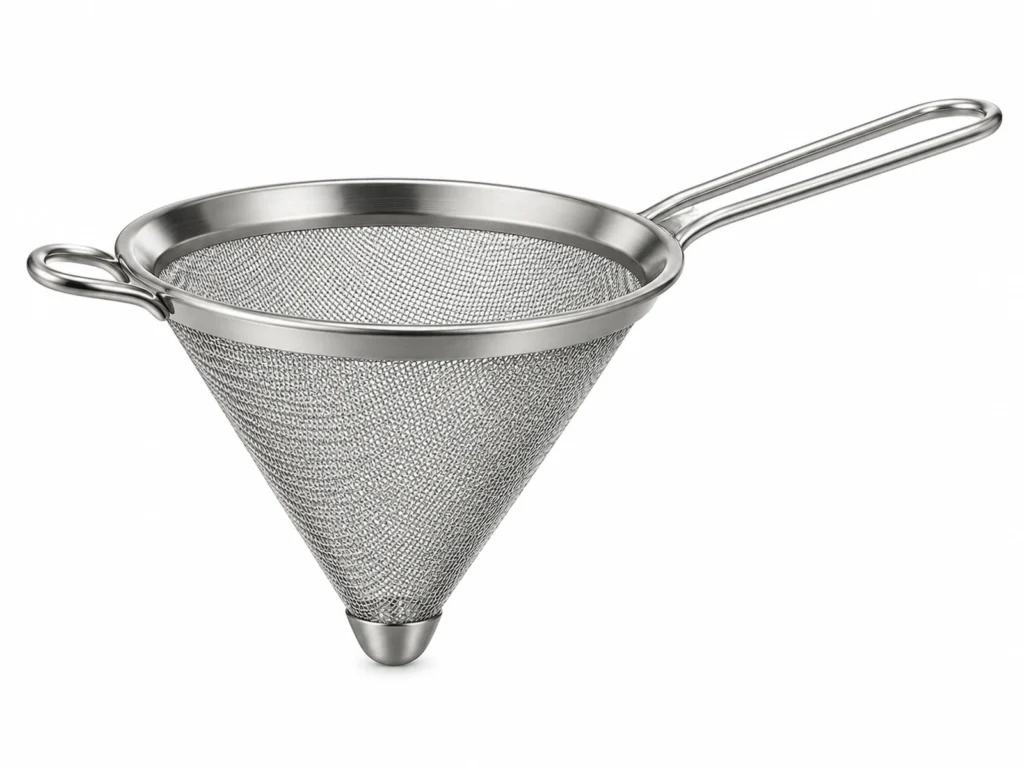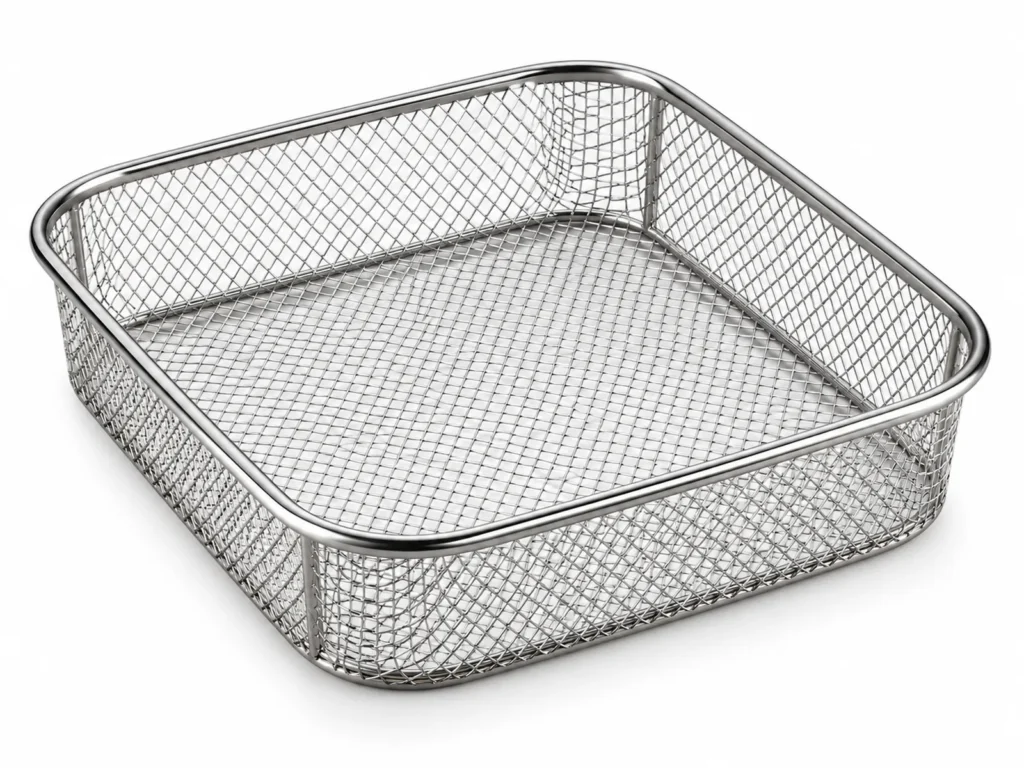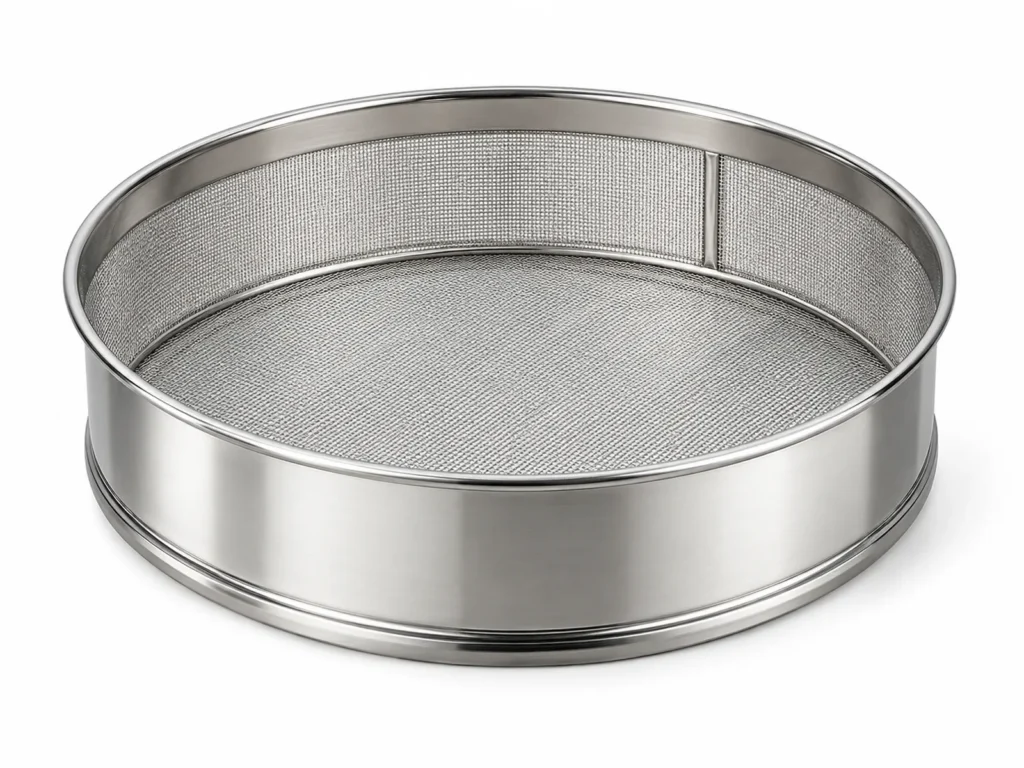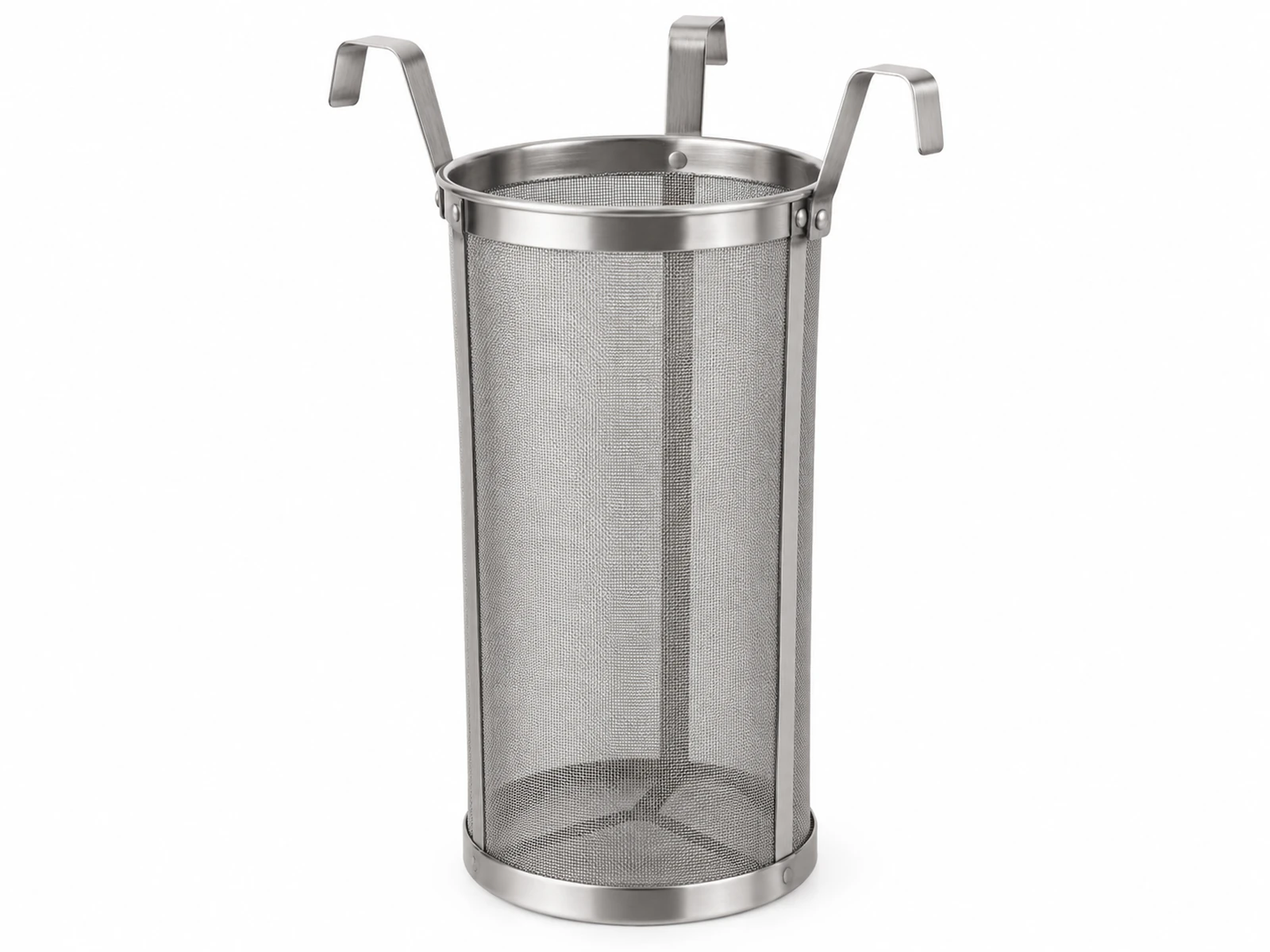
Application guide for Homebrew Hop Spider & Mash Filter to FDA 21 CFR / EU 1935/2004 food contact. The core duty of the type is containing hop pellets in the kettle and grain in the mash tun so wort flows clear into the fermenter. The typical industries, the how-to-specify checklist, handling practice and the exclusion cases are set out below.
Typical Applications for Homebrew Hop Spider & Mash Filter
Where Homebrew Hop Spider & Mash Filter is specified and bought:
- Homebrew retailers: hop spiders and dry-hop canisters for 5–20 gallon kettles.
- Nano-breweries: pilot batches with whirlpool hopping.
- Brew-in-a-bag systems: stainless false bottoms replacing cloth bags.
- Kombucha & cider makers: fruit and botanical steeping.
How to Specify Homebrew Hop Spider & Mash Filter for Your Application
- Diameter & length: Size to the kettle depth so the spider basket sits below the wort line.
- Micron rating: 300 µm for boil hops; 150 µm for dry hopping to keep debris out of the fermenter.
- Mount: Tri-leg rim mount for kettles; lid hook for fermenters.
- Standard: Quote FDA 21 CFR / EU 1935/2004 food contact and the size designation from the table on the product page, plus any value you changed in the technical drawing.
Handling & Installation Practice
- Leave headroom in the basket; hops expand and need circulation for utilization.
- Clean with PBW-type brewery cleaner and sanitize before cold-side use.
Common Selection Mistakes with Homebrew Hop Spider & Mash Filter
- Packing pellet hops into a fine canister, which lowers hop utilization.
- Using galvanized hardware that leaches zinc into wort.
Where Homebrew Hop Spider & Mash Filter Is Not the Right Choice
Not a substitute for a plate chiller strainer or fermenter filtration when brite-tank clarity is required.