Skip to content

Expanded Metal · DIN 791

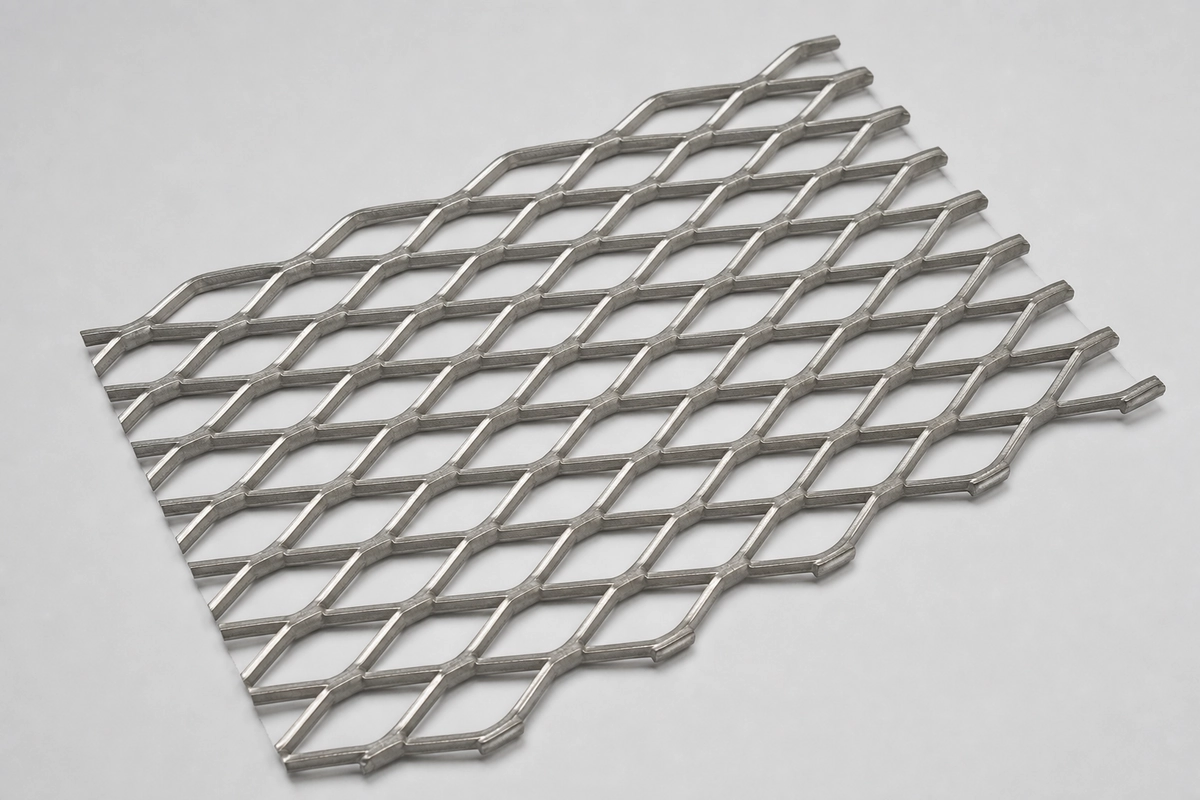
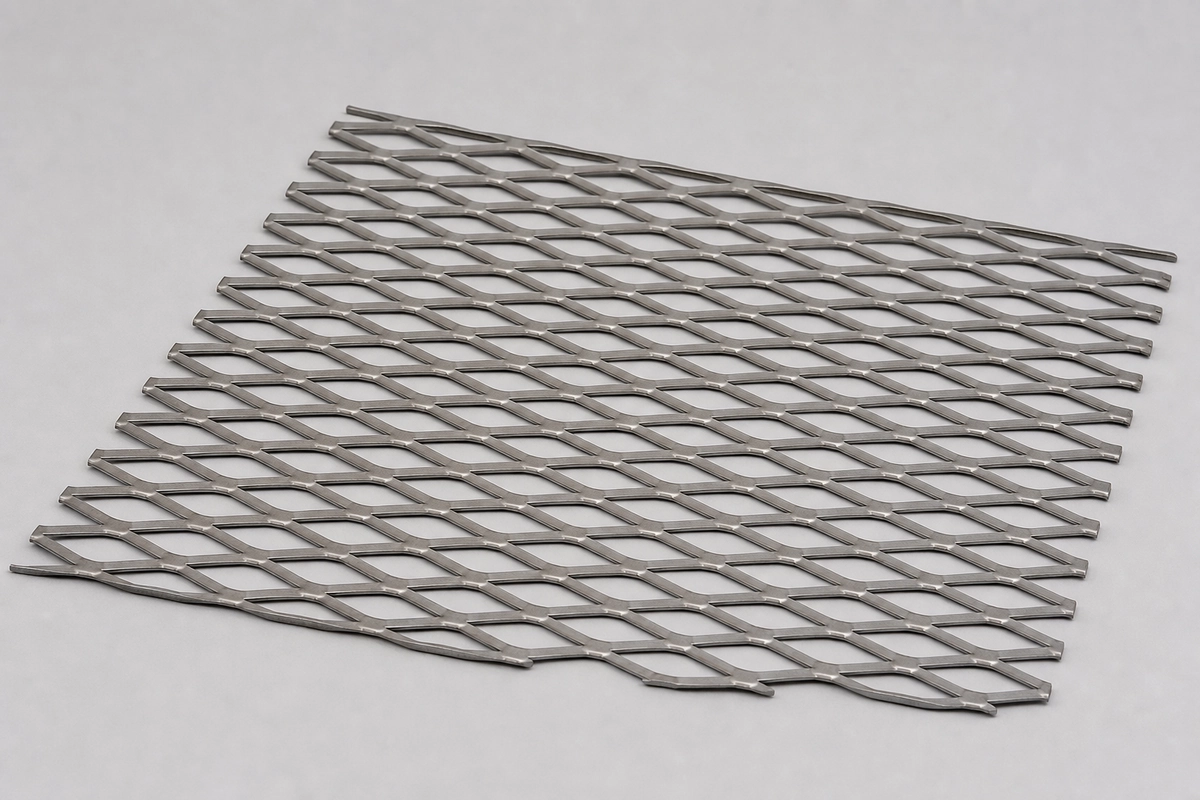
316L Stainless Steel Micro Expanded Metal Mesh

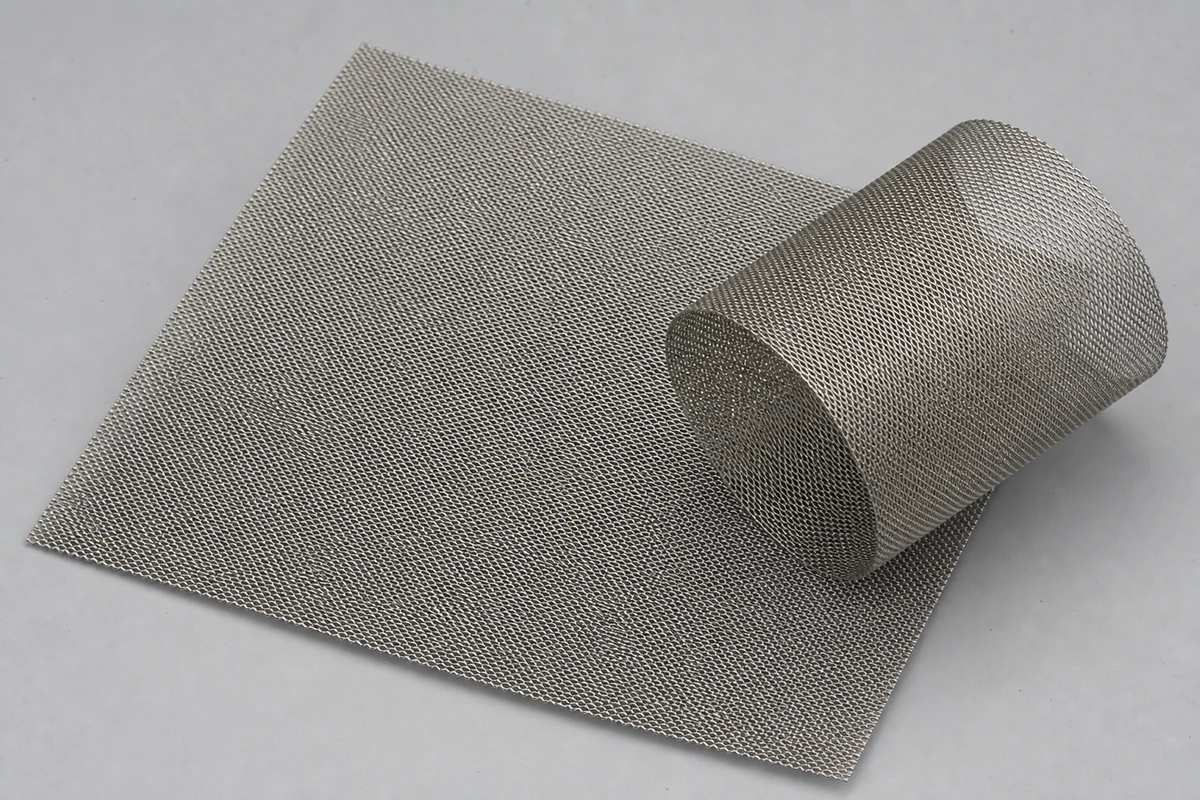
316L Stainless Steel Micro Expanded Metal Mesh reference image

316L Stainless Steel micro expanded metal mesh combines the construction of micro expanded metal mesh (DIN 791) with the properties of AISI 316L (1.4404): superior resistance, including chlorides, brines, food CIP and mild acids, essentially non-magnetic, service to approx. +550 °C continuous. This page summarizes the grade data, its behavior in filtration service, comparable alloys, and the specifications supplied.

Why Choose 316L Stainless Steel for Micro Expanded Metal Mesh

The default filtration and process-industry grade. For micro expanded metal mesh, this matters when superior resistance, including chlorides, brines, food CIP and mild acids is the controlling requirement.

Alloy Properties

Grade designationAISI 316L (1.4404)
Magnetic responseEssentially non-magnetic
Service temperatureapprox. +550 °C continuous
Corrosion characteristicSuperior resistance, including chlorides, brines, food CIP and mild acids

Cleaning & Compatibility

Stainless micro expanded metal mesh can be cleaned by backflush, ultrasonic bath, steam and most CIP chemistry. Two cautions: (1) avoid extended contact with hydrochloric acid or hypochlorite sanitizers, which pit even 316; (2) where the mesh contacts carbon steel during fabrication or service, iron pick-up can rust-stain the surface — specify passivation after fabrication.

Comparable Alloys

Below 316L sits 304 (general purpose, lower cost). Above it: duplex 2205 (strength + chloride resistance), 904L and Hastelloy C-276 (hot chlorides, sulfuric), Monel 400 (HF, seawater), titanium (chlorides at minimum weight) for micro expanded metal mesh.

Specifications of Micro Expanded Metal Mesh Available in 316L Stainless Steel

Mesh designation (SWD x LWD)SWD (mm)LWD (mm)Strand width (mm)Strand thickness (mm)Open area (%)
1.0x2.01.02.00.30.345
1.5x3.01.53.00.40.350
2.0x4.02.04.00.50.452
3.0x6.03.06.00.60.555

Technical Drawing

Customize the parameters below — every spec field is editable, and the drawing redraws to match the values you choose. Changing the size will snap the other fields to that size's standard values; you can then override any individual value.

Sends the selected values to the quote form below.

Request a Quote

Adjust the parameters in the drawing above and click "Request this configuration" to send the exact specification straight to this form.

Request a Quotation

Specification
Business Information

Dimensions & Specifications (DIN 791)

Mesh designation (SWD x LWD)SWD (mm)LWD (mm)Strand width (mm)Strand thickness (mm)Open area (%)
1.0x2.01.02.00.30.345
1.5x3.01.53.00.40.350
2.0x4.02.04.00.50.452
3.0x6.03.06.00.60.555

Frequently Asked Questions

Is 316L Stainless Steel micro expanded metal mesh magnetic?

316L Stainless Steel micro expanded metal mesh is essentially non-magnetic. Note that heavy cold-working during weaving can make austenitic stainless slightly magnetic at the wire surface.

What corrosion resistance does 316L Stainless Steel offer?

316L Stainless Steel provides superior resistance, including chlorides, brines, food CIP and mild acids, with a practical service range of approx. +550 °C continuous.

What temperature can 316L Stainless Steel micro expanded metal mesh run at?

The practical continuous service limit is approx. +550 °C continuous. Above it, oxidation scales the wire surface and the aperture drifts; for hotter duty move up the alloy ladder (Inconel, and sintered constructions for mechanical stability).

Should I choose 304 or 316 for micro expanded metal mesh?

304 covers general indoor/outdoor and fresh-water service at lower cost; 316/316L is the default wherever chlorides, brines, food CIP chemistry or mild acids are present. If in doubt about the media, 316L is the safer specification.

How do I request a quotation?

Use the technical drawing on this page to pick the exact specification, then submit it with the quote form. We respond within one business day.