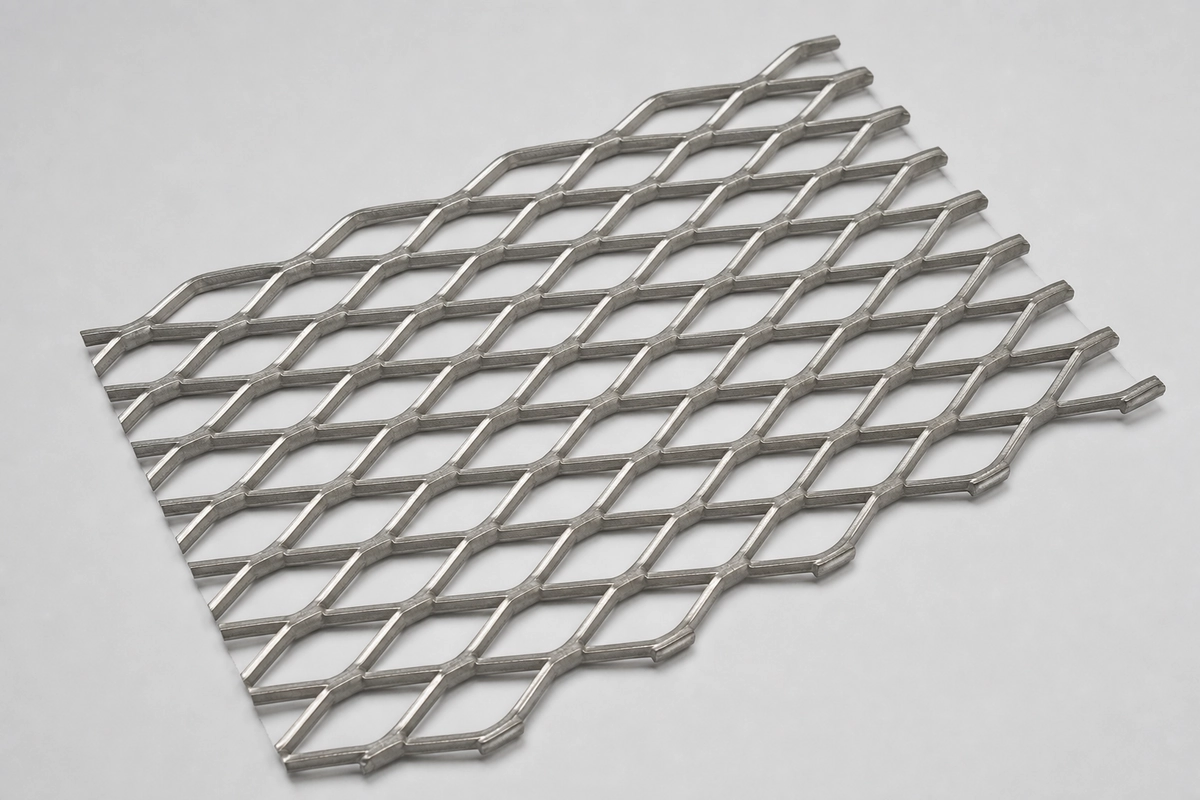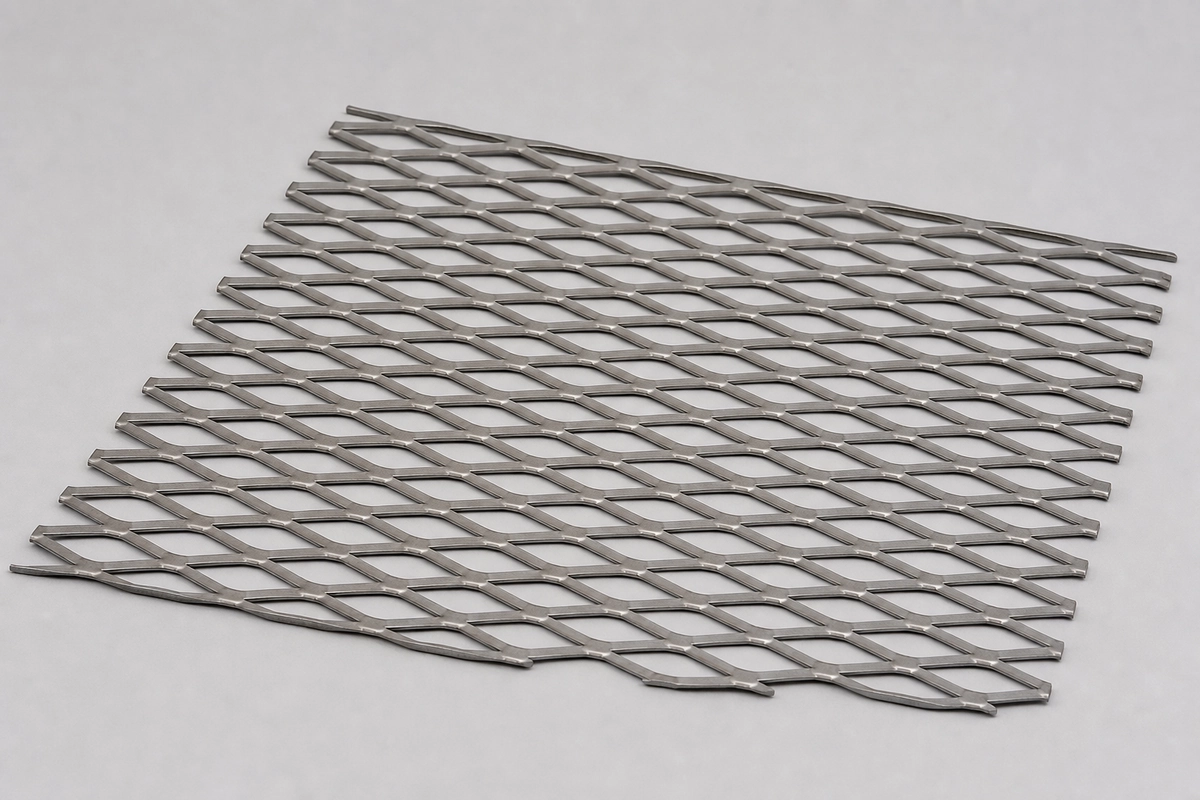
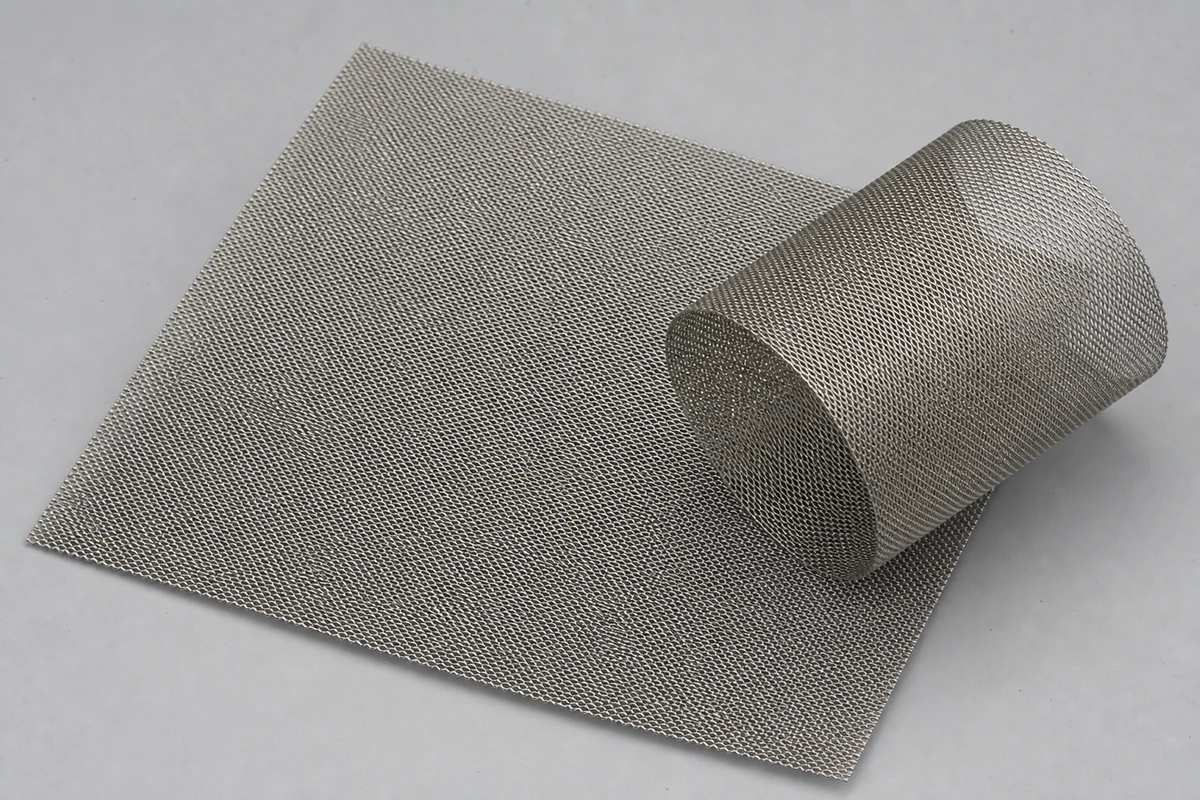
Pure Copper micro expanded metal mesh combines the construction of micro expanded metal mesh (DIN 791) with the properties of C11000: good atmospheric resistance with a stable patina; outstanding conductivity, non-magnetic, service to approx. +200 °C. This page summarizes the grade data, its behavior in filtration service, comparable alloys, and the specifications supplied.
Why Choose Pure Copper for Micro Expanded Metal Mesh
The EMI/RFI shielding and Faraday-cage mesh material. For micro expanded metal mesh, this matters when good atmospheric resistance with a stable patina; outstanding conductivity is the controlling requirement.
Alloy Properties
| Grade designation | C11000 |
|---|---|
| Magnetic response | Non-magnetic |
| Service temperature | approx. +200 °C |
| Corrosion characteristic | Good atmospheric resistance with a stable patina; outstanding conductivity |
Corrosion Behavior in Filtration Service
Copper and brass micro expanded metal mesh resist atmospheric corrosion and fresh water well, tarnishing to a stable patina. Avoid ammonia and ammonium compounds (stress-corrosion cracking of brass) and strong oxidizing acids. In marine service, phosphor bronze outperforms plain brass.
Comparable Alloys
Within the copper family: brass for economy and appearance, phosphor bronze for fatigue strength and marine air, pure copper where conductivity (EMI shielding) is the point. For structural filtration duties, stainless 304/316 is the usual alternative.
Specifications of Micro Expanded Metal Mesh Available in Pure Copper
| Mesh designation (SWD x LWD) | SWD (mm) | LWD (mm) | Strand width (mm) | Strand thickness (mm) | Open area (%) |
|---|---|---|---|---|---|
| 1.0x2.0 | 1.0 | 2.0 | 0.3 | 0.3 | 45 |
| 1.5x3.0 | 1.5 | 3.0 | 0.4 | 0.3 | 50 |
| 2.0x4.0 | 2.0 | 4.0 | 0.5 | 0.4 | 52 |
| 3.0x6.0 | 3.0 | 6.0 | 0.6 | 0.5 | 55 |