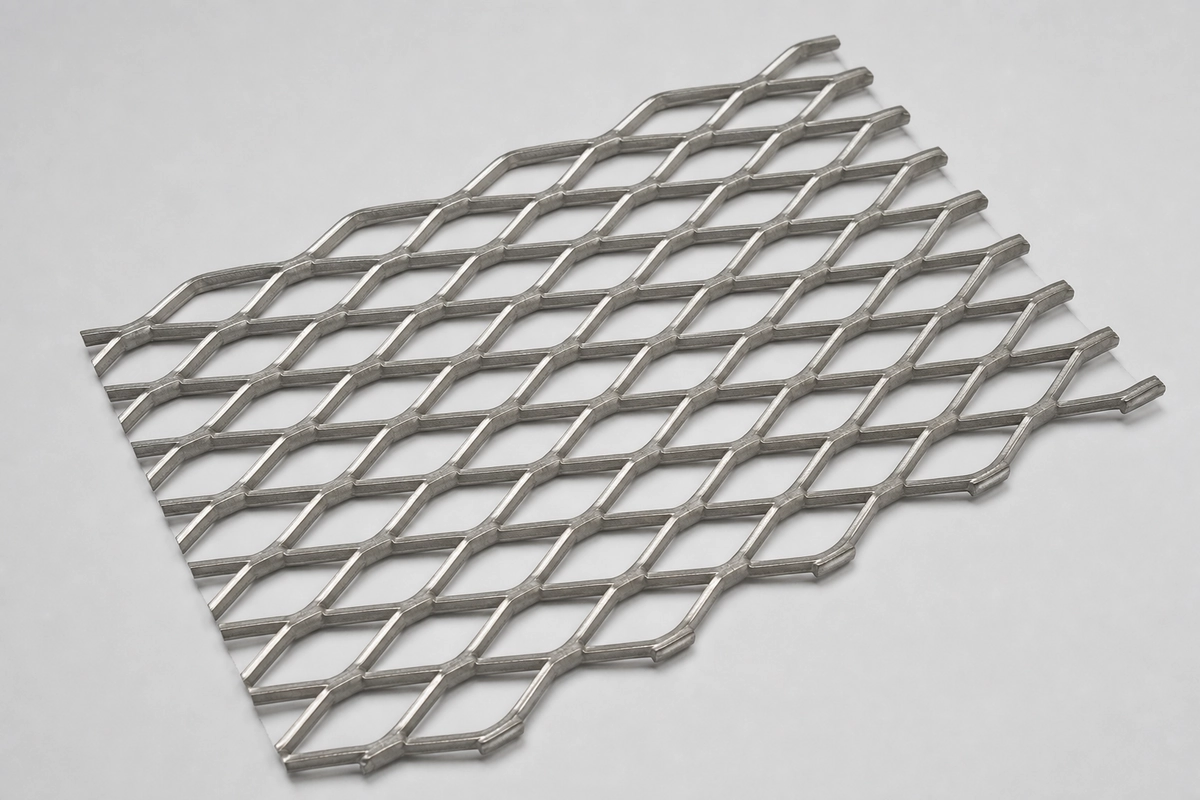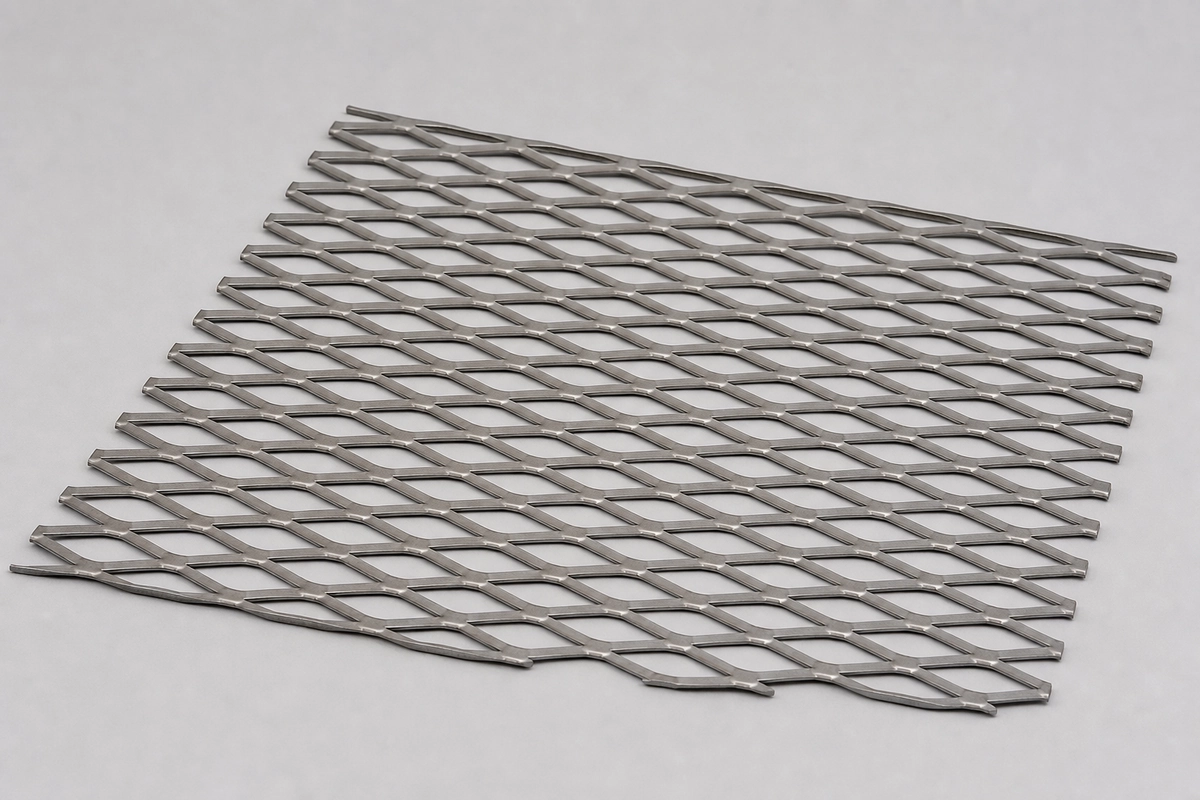
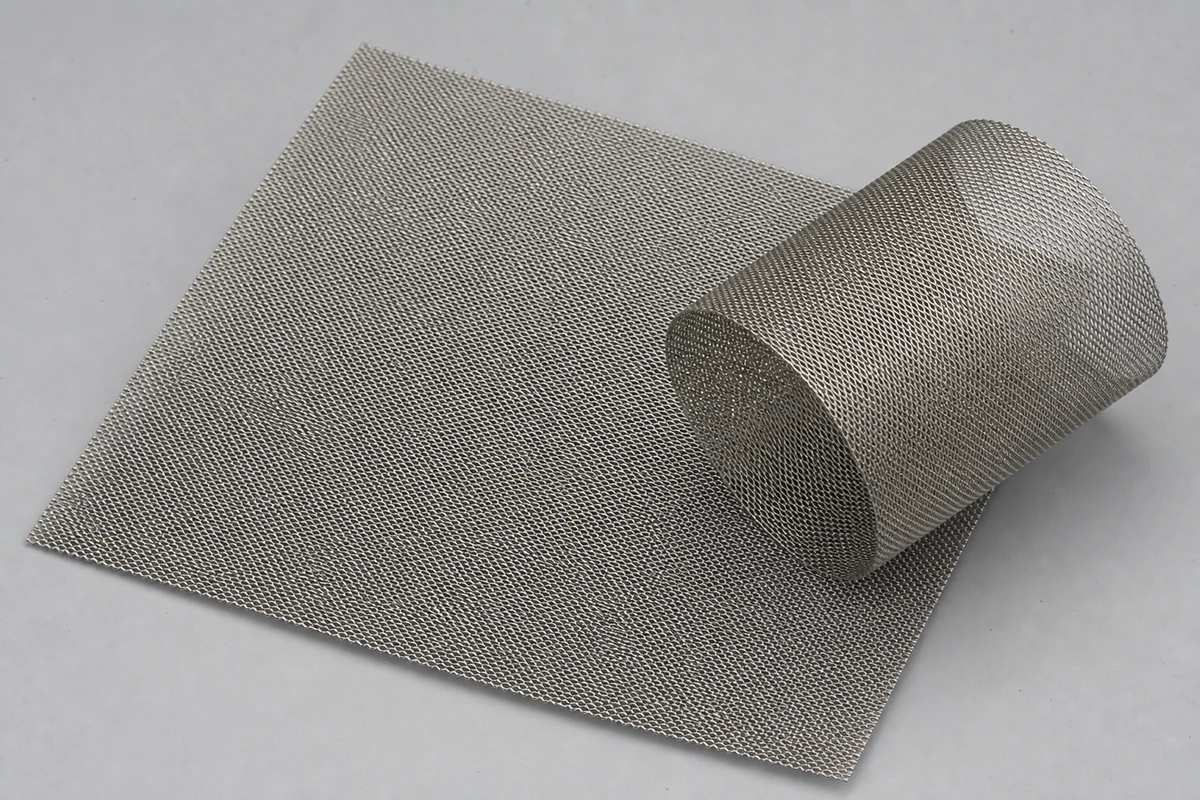
Material page for micro expanded metal mesh in Inconel 600. The high-temperature furnace and hot-gas filtration alloy. Covers the grade designation (UNS N06600 (2.4816)), corrosion and magnetic behavior, cleaning and compatibility notes, and the specifications available.
Why Choose Inconel 600 for Micro Expanded Metal Mesh
The high-temperature furnace and hot-gas filtration alloy. For micro expanded metal mesh, this matters when excellent oxidation resistance at extreme temperature is the controlling requirement.
Alloy Properties
| Grade designation | UNS N06600 (2.4816) |
|---|---|
| Magnetic response | Essentially non-magnetic |
| Service temperature | approx. +1000 °C (short excursions higher) |
| Corrosion characteristic | Excellent oxidation resistance at extreme temperature |
Corrosion Behavior in Filtration Service
Nickel-family alloys are specified for micro expanded metal mesh when stainless is not enough: Monel 400 for seawater and hydrofluoric acid, Inconel 600 for oxidation at extreme temperature, Hastelloy C-276 for hot chlorides and mixed acids, titanium for chlorides with weight savings. Match the alloy to the specific chemistry — they are not interchangeable.
Comparable Alloys
Between the special alloys, selection is chemistry-led: Monel 400 (HF, seawater), Inconel 600 (heat/oxidation), Hastelloy C-276 (broadest acid resistance), nickel 200 (caustic), titanium (chlorides, weight). 316L remains the cost benchmark — specify a special alloy only when the datasheet chemistry demands it.
Specifications of Micro Expanded Metal Mesh Available in Inconel 600
| Mesh designation (SWD x LWD) | SWD (mm) | LWD (mm) | Strand width (mm) | Strand thickness (mm) | Open area (%) |
|---|---|---|---|---|---|
| 1.0x2.0 | 1.0 | 2.0 | 0.3 | 0.3 | 45 |
| 1.5x3.0 | 1.5 | 3.0 | 0.4 | 0.3 | 50 |
| 2.0x4.0 | 2.0 | 4.0 | 0.5 | 0.4 | 52 |
| 3.0x6.0 | 3.0 | 6.0 | 0.6 | 0.5 | 55 |