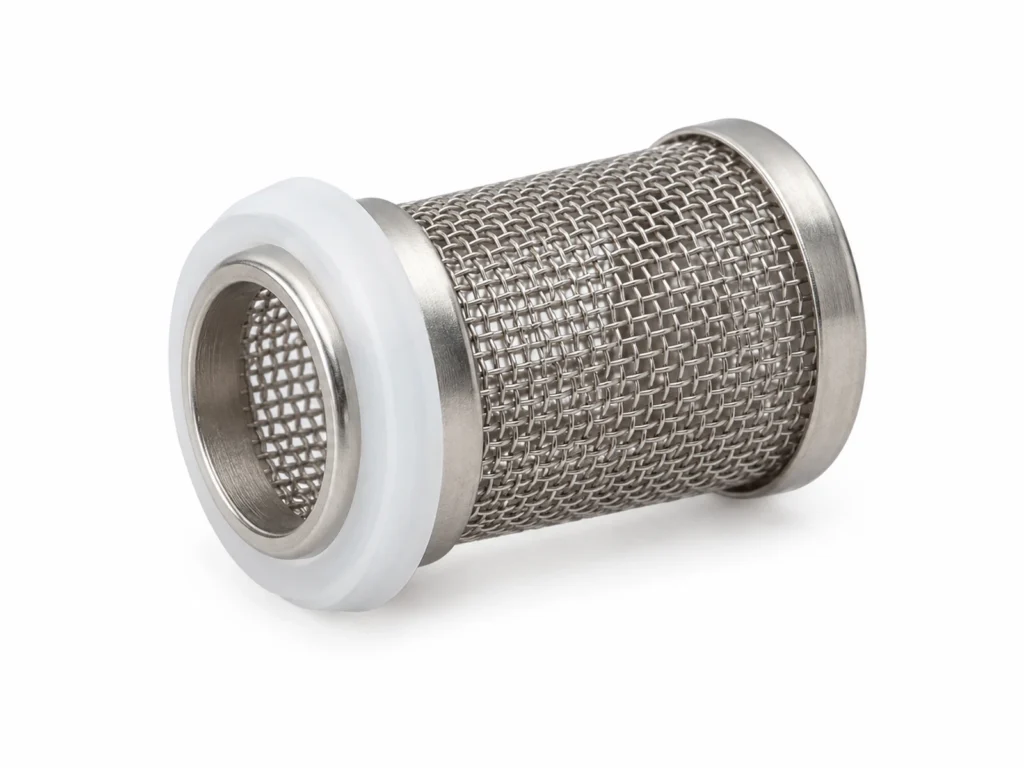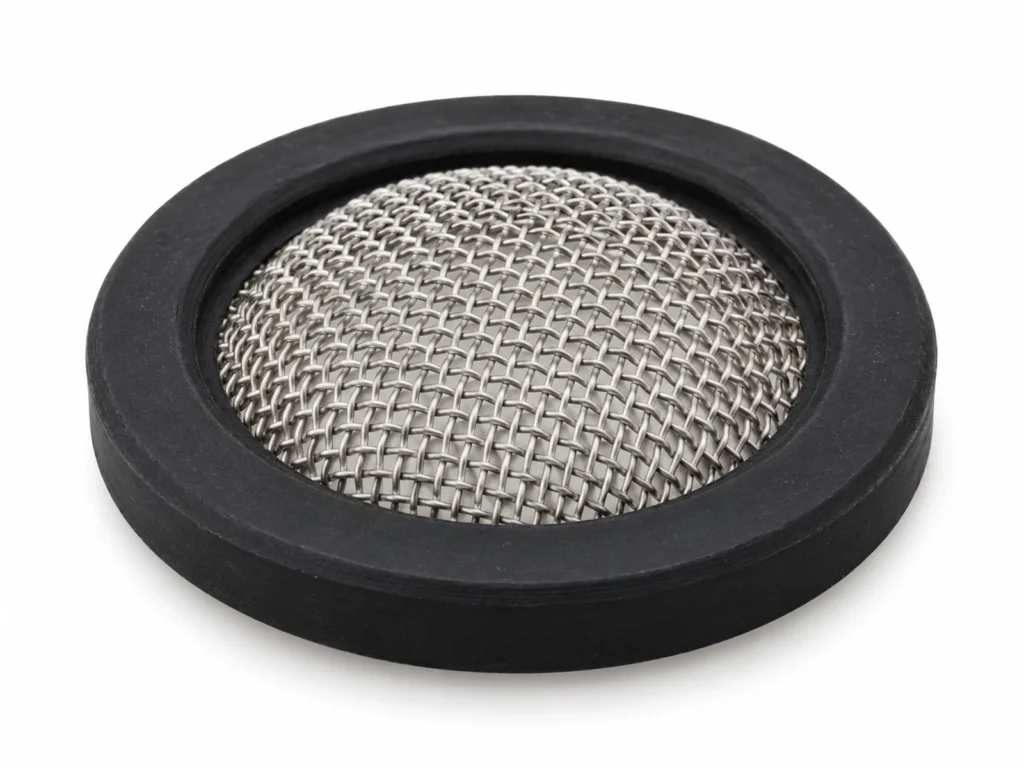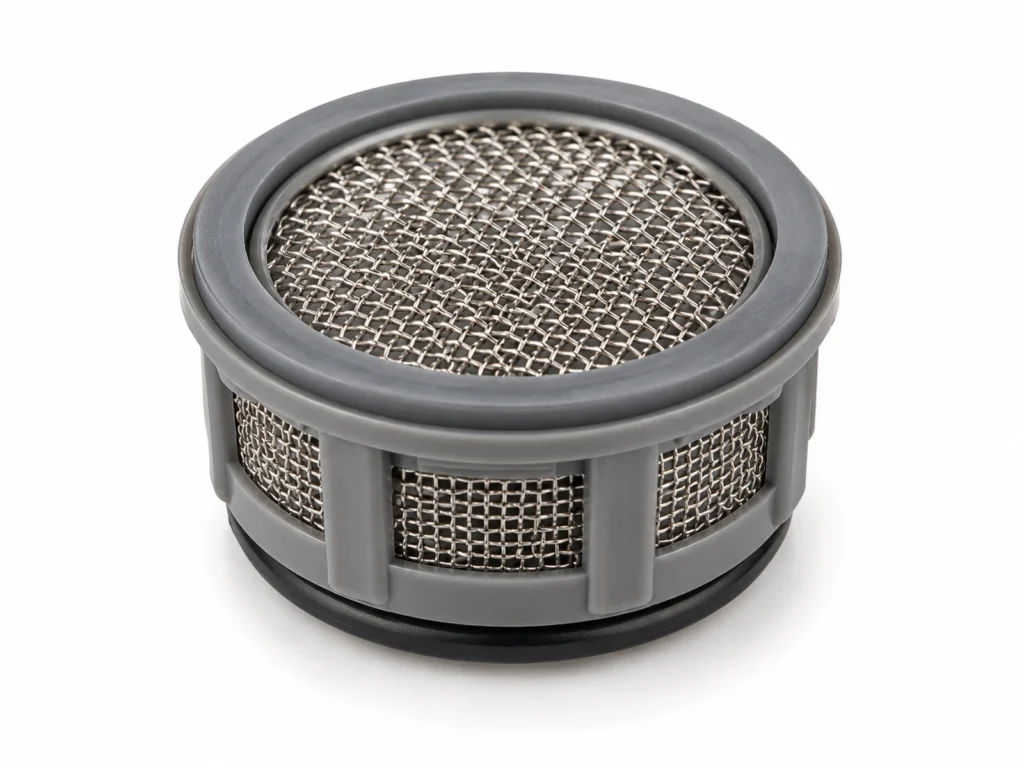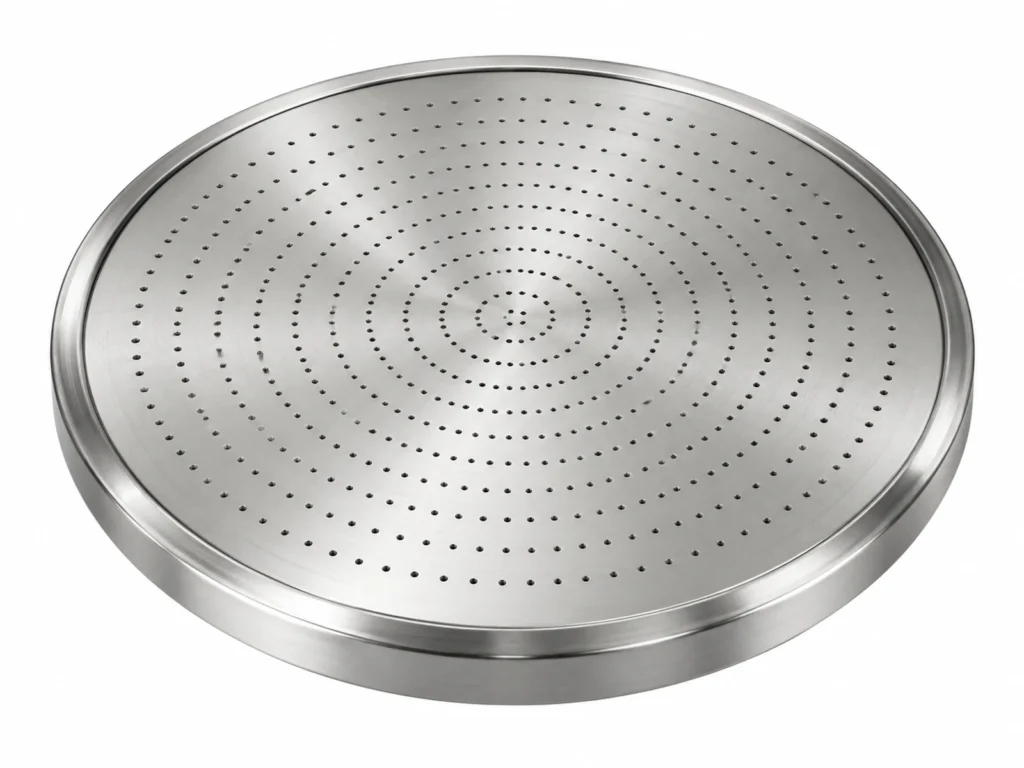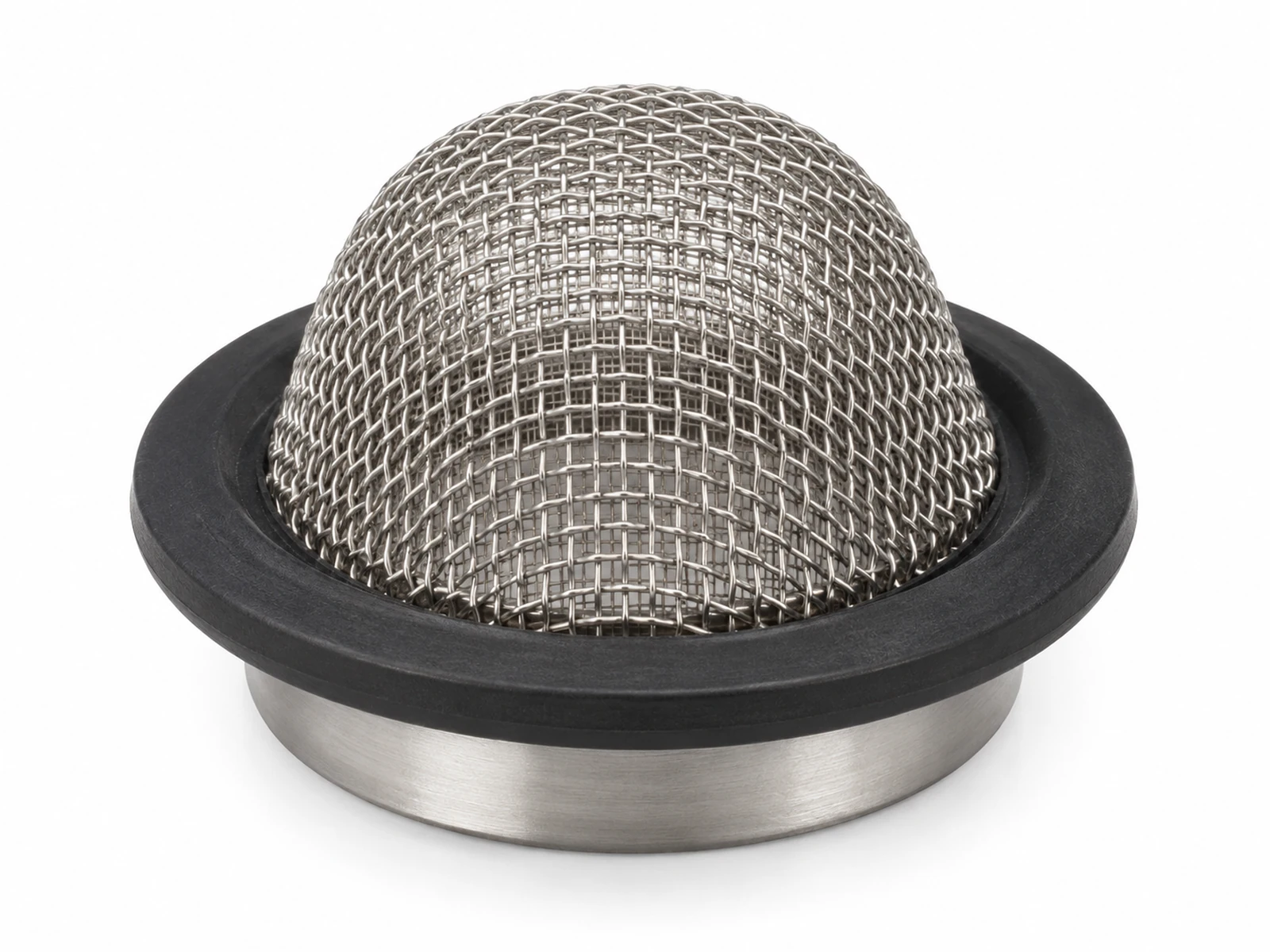
Washing Machine Inlet Hose Filter is used primarily for protecting the inlet solenoid valves of washing machines and dishwashers from sand, rust flakes and plumbing debris. This page lists the industries and assemblies where it is specified, the selection criteria that matter for each application, handling and installation practice, and the cases where a different mesh, screen or filter type is the correct choice. It is supplied to IEC 60456 / IEC 61770.
Typical Applications for Washing Machine Inlet Hose Filter
Where Washing Machine Inlet Hose Filter is specified and bought:
- Laundry appliance OEMs: domed inlet screens in water valves.
- Appliance repair: replacing torn or blocked screens.
- Laundromats & hotels: service kits for many machines.
- Dishwasher OEMs: the same G 3/4 inlet format.
How to Specify Washing Machine Inlet Hose Filter for Your Application
- Thread: G 3/4 garden-hose thread.
- Mesh: 30-mesh standard; 60-mesh where the supply carries fine sand.
- Shape: A domed cup gives more filter area than a flat disc and clogs more slowly.
- Standard: Quote IEC 60456 / IEC 61770 and the size designation from the table on the product page, plus any value you changed in the technical drawing.
Handling & Installation Practice
- Close both taps before unscrewing the hoses.
- Ease the screen out with fine pliers; do not dig at the mesh.
Common Selection Mistakes with Washing Machine Inlet Hose Filter
- Ignoring slow-fill error codes until the valve fails.
- Pressing a flat screen into a cup-shaped seat, where it leaks around the edge.
Where Washing Machine Inlet Hose Filter Is Not the Right Choice
Not a softener or a sediment cartridge for very dirty well water.