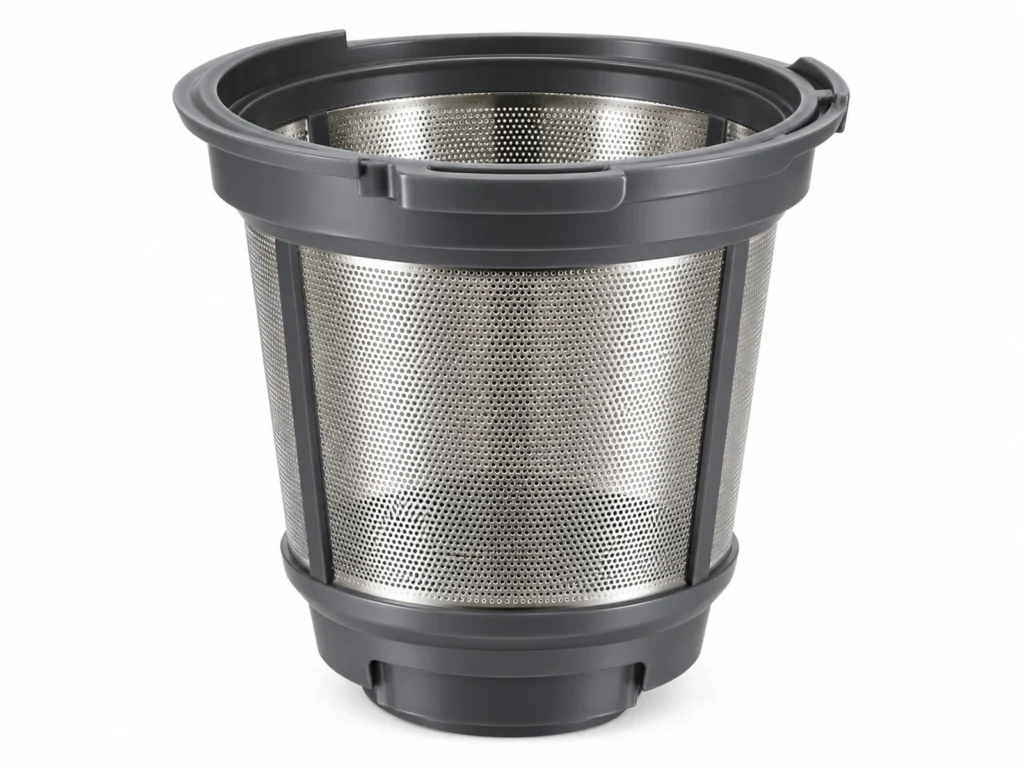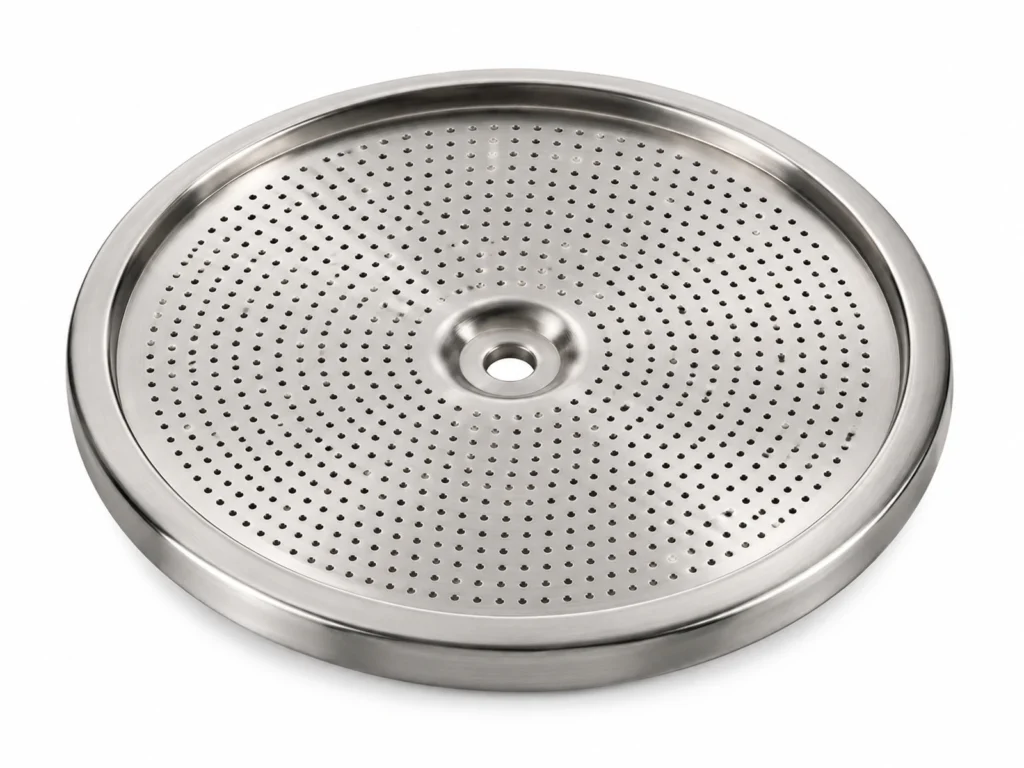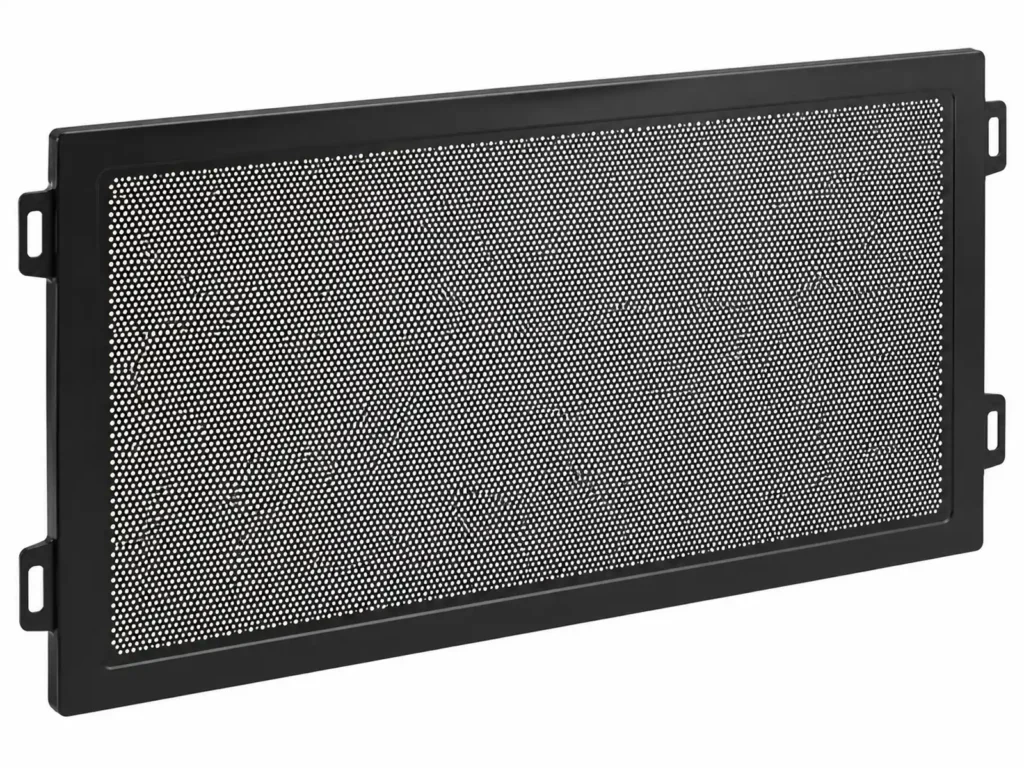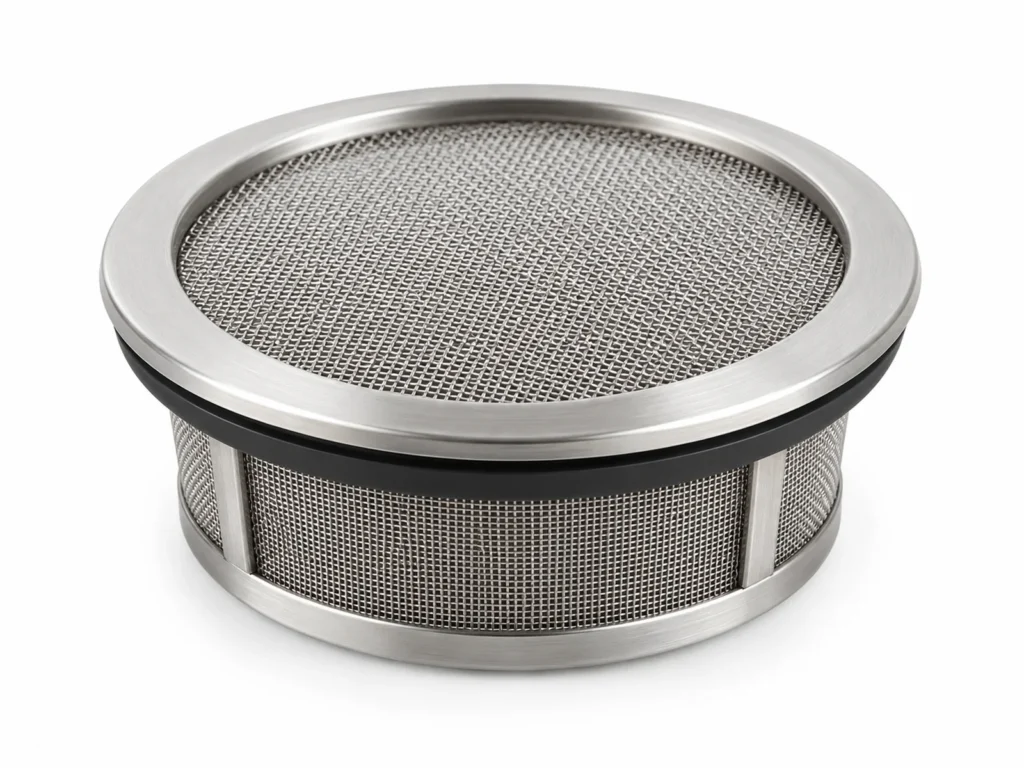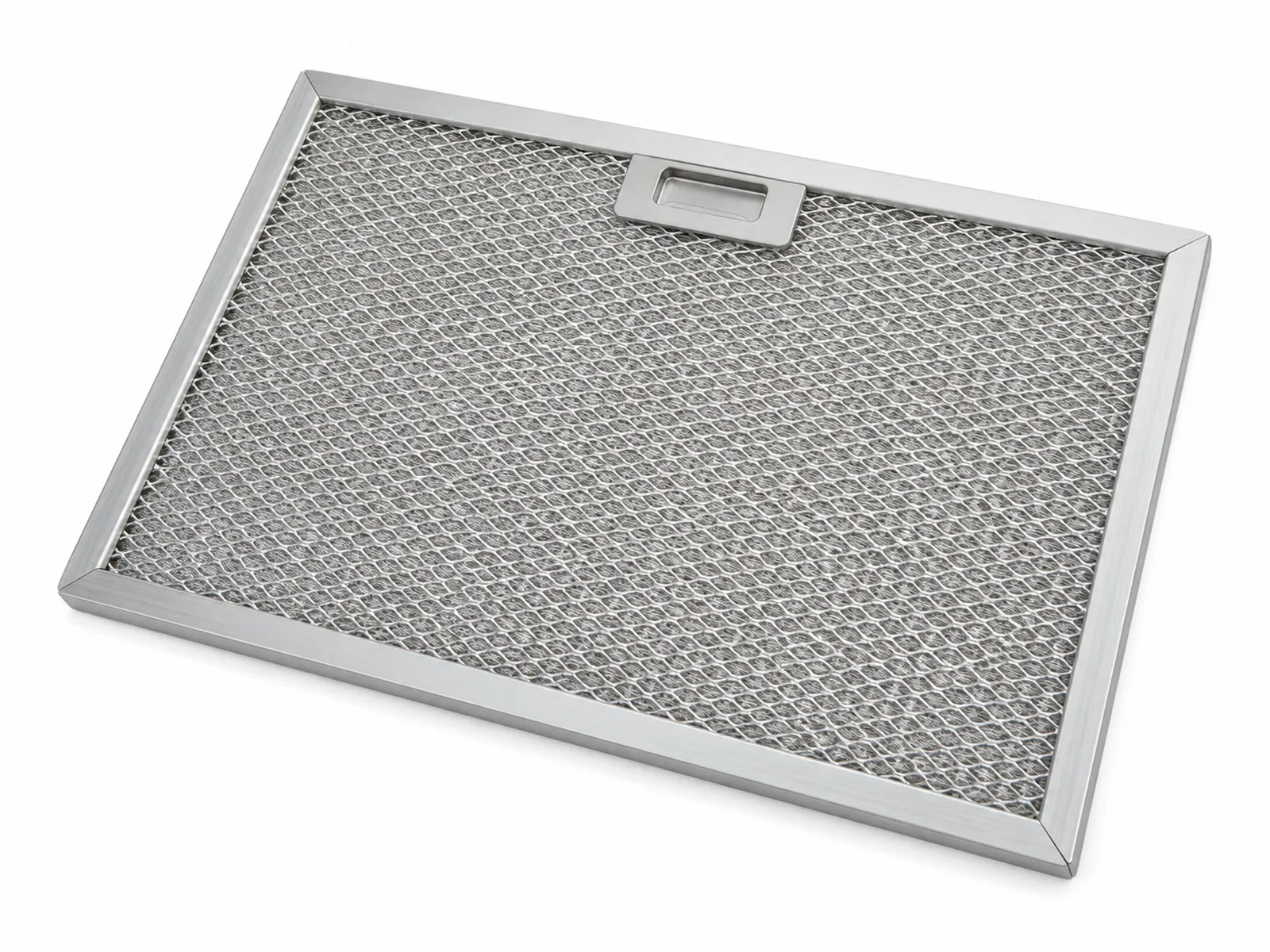
Application guide for Range Hood Grease Filter (Aluminum Mesh) to UL 1046 / EN 61591. The core duty of the type is trapping cooking grease from kitchen exhaust air before it reaches the range-hood fan and ductwork. The typical industries, the how-to-specify checklist, handling practice and the exclusion cases are set out below.
Typical Applications for Range Hood Grease Filter (Aluminum Mesh)
Where Range Hood Grease Filter (Aluminum Mesh) is specified and bought:
- Range-hood OEMs: aluminum mesh and stainless baffle filters for residential hoods.
- Commercial kitchens: baffle filters in canopy hoods.
- Replacement parts: size-matched filters for older hoods.
- Food trucks: compact hood filters for mobile kitchens.
How to Specify Range Hood Grease Filter (Aluminum Mesh) for Your Application
- Size: Measure the filter, not the opening — width, height and thickness to the millimeter.
- Type: Multi-layer aluminum mesh for home hoods; stainless baffle for heavy commercial cooking.
- Frame & latch: Specify the latch position and frame channel so the filter clips in.
- Standard: Quote UL 1046 / EN 61591 and the size designation from the table on the product page, plus any value you changed in the technical drawing.
Handling & Installation Practice
- Wash aluminum filters monthly in hot water and mild detergent; avoid strong alkaline cleaners that darken aluminum.
- Install baffle filters with the drain lip downward so grease runs into the trough.
Common Selection Mistakes with Range Hood Grease Filter (Aluminum Mesh)
- Running a hood without filters, which coats the fan and duct with grease — a fire hazard.
- Putting aluminum mesh filters through a high-alkaline commercial dishwasher.
Where Range Hood Grease Filter (Aluminum Mesh) Is Not the Right Choice
Not an odor filter — recirculating hoods also need a carbon filter downstream.