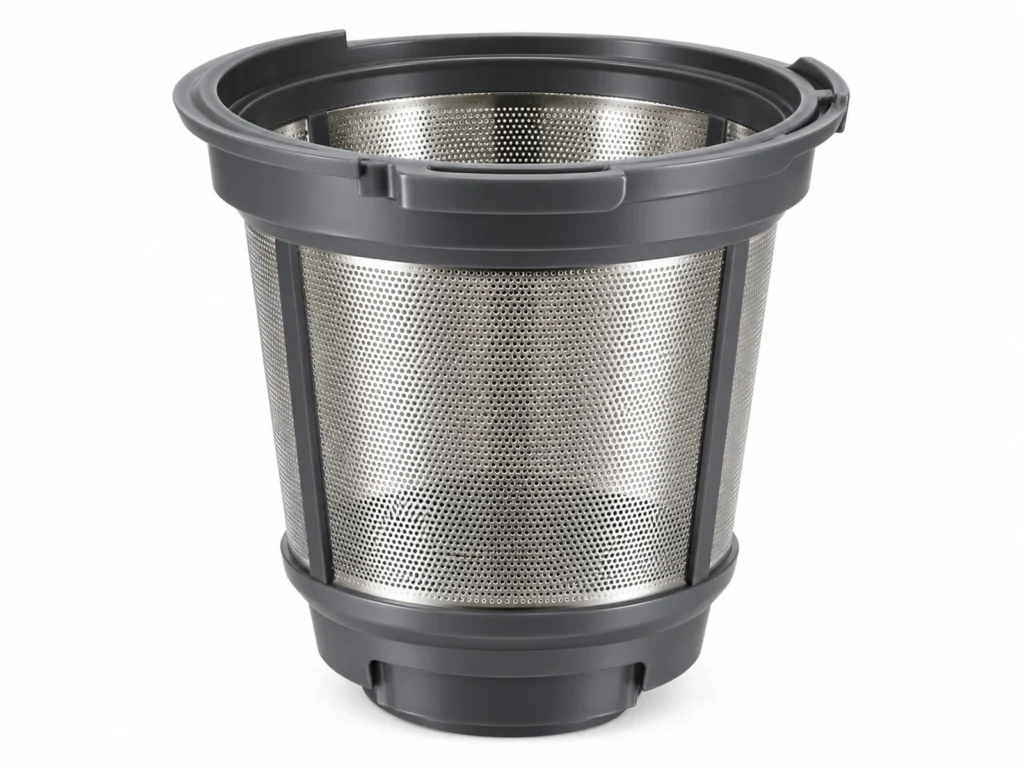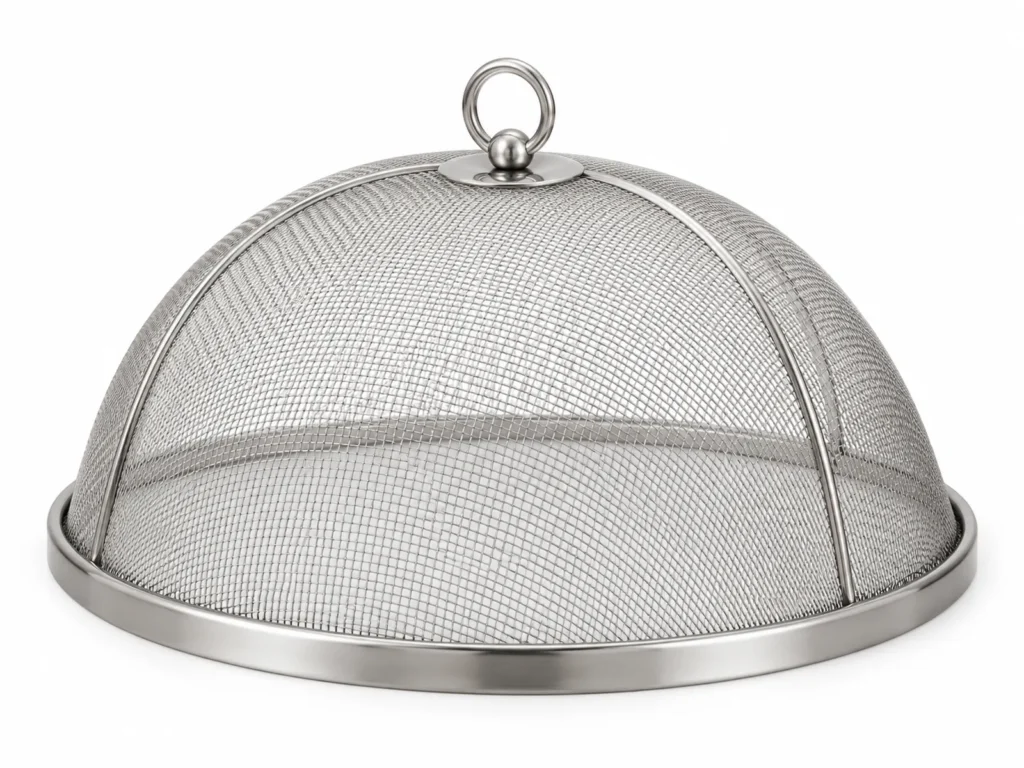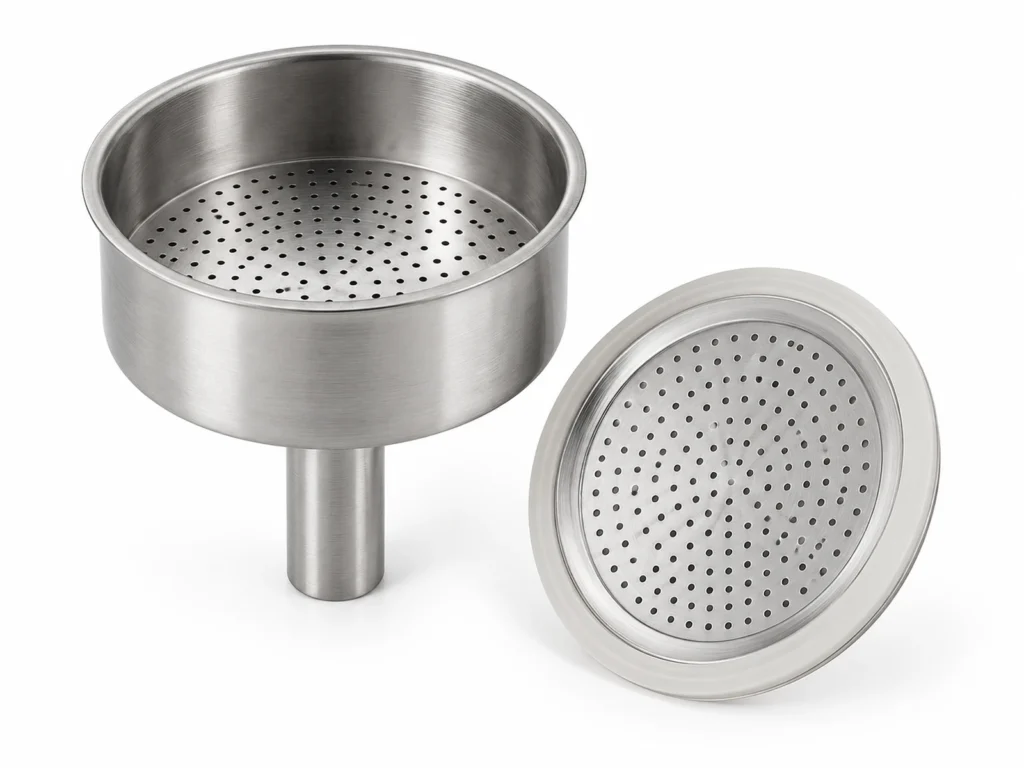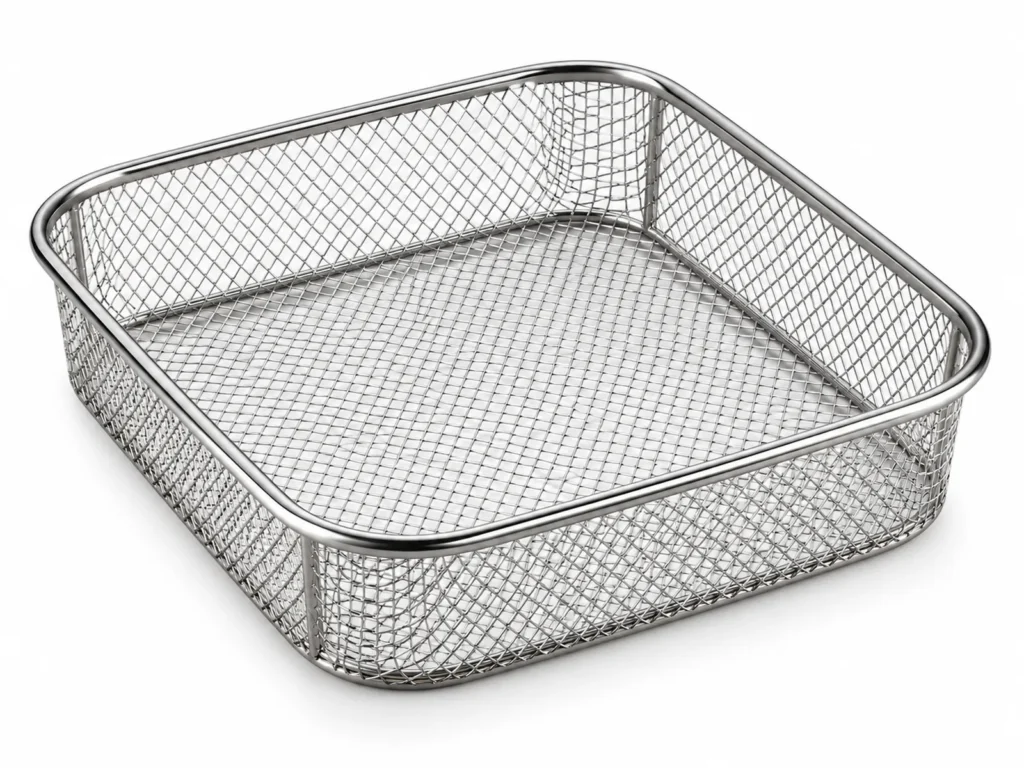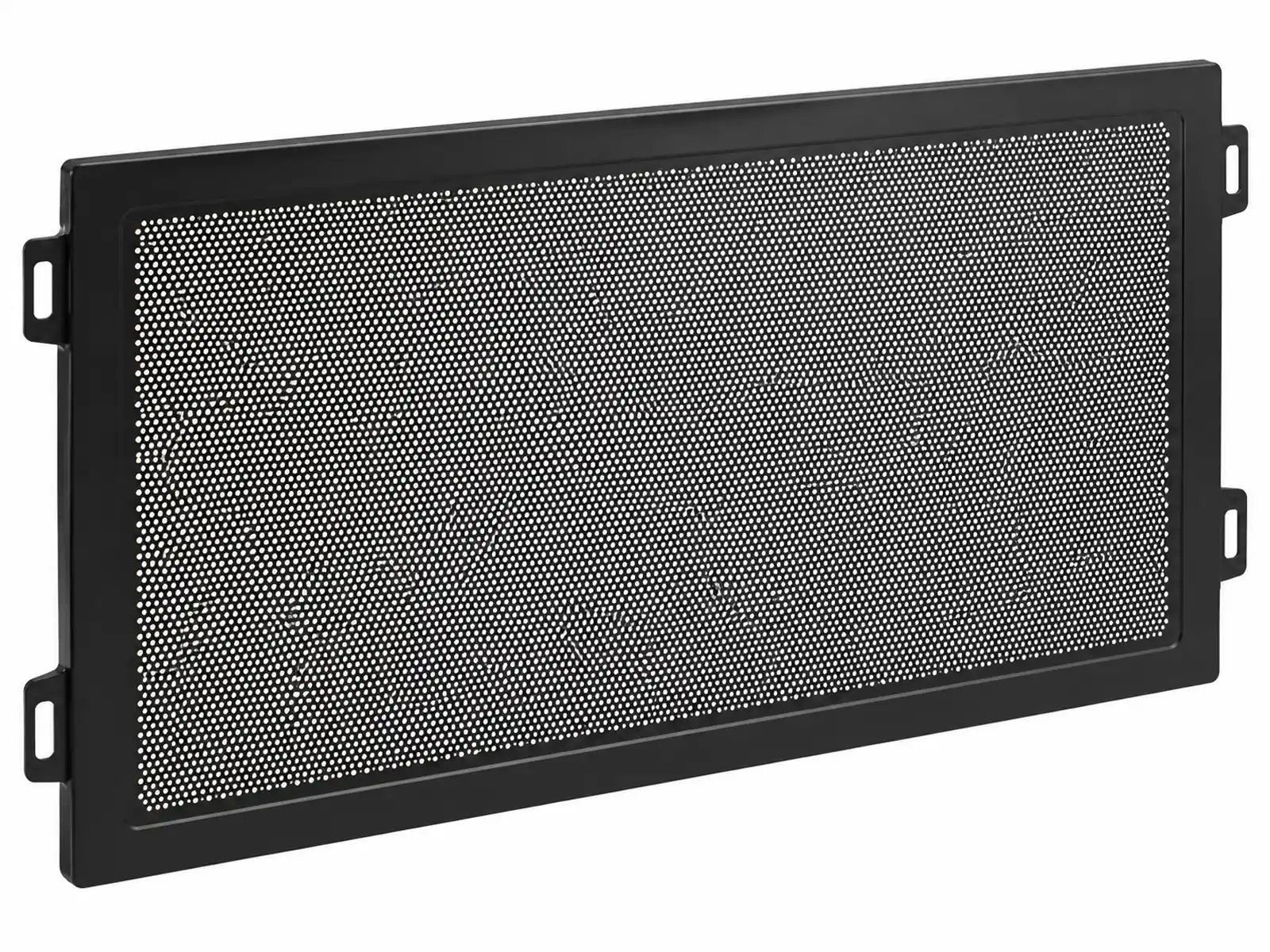
Application guide for Microwave Oven Door Shield Screen to IEC 60335-2-25 / 21 CFR 1030.10. The core duty of the type is blocking microwave energy at the oven door while users can still see the food, using a perforated metal screen whose 1–2 mm holes are far smaller than the 12 cm wavelength. The typical industries, the how-to-specify checklist, handling practice and the exclusion cases are set out below.
Typical Applications for Microwave Oven Door Shield Screen
Where Microwave Oven Door Shield Screen is specified and bought:
- Microwave oven OEMs: door shield screens in countertop and over-the-range ovens.
- Combi & speed ovens: door shields in commercial microwave-convection ovens.
- Appliance service centers: replacement door assemblies after impact damage.
- Laboratory microwave systems: viewing-window shields in digestion and synthesis units.
How to Specify Microwave Oven Door Shield Screen for Your Application
- Hole diameter & pitch: 1.2–1.6 mm holes keep leakage well under the 5 mW/cm² limit when the door is correctly sealed.
- Open area: Higher open area improves visibility; balance it against shielding margin.
- Material & finish: Black-coated cold-rolled steel for contrast; SS430 for premium doors.
- Standard: Quote IEC 60335-2-25 / 21 CFR 1030.10 and the size designation from the table on the product page, plus any value you changed in the technical drawing.
Handling & Installation Practice
- Bond the screen to the door frame continuously so there is no gap at the edges.
- After any door repair, measure leakage with a calibrated survey meter before use.
Common Selection Mistakes with Microwave Oven Door Shield Screen
- Enlarging holes for visibility, which reduces shielding.
- Fitting an uncertified mesh in a repair, which can fail leakage tests.
Where Microwave Oven Door Shield Screen Is Not the Right Choice
Not a DIY part — door repairs must be leakage-tested by qualified service technicians.