Skip to content

Kitchen & Appliance Filters · FDA 21 CFR / EU 1935/2004 food contact · Application guide

What Is French Press Filter Screen Used For?

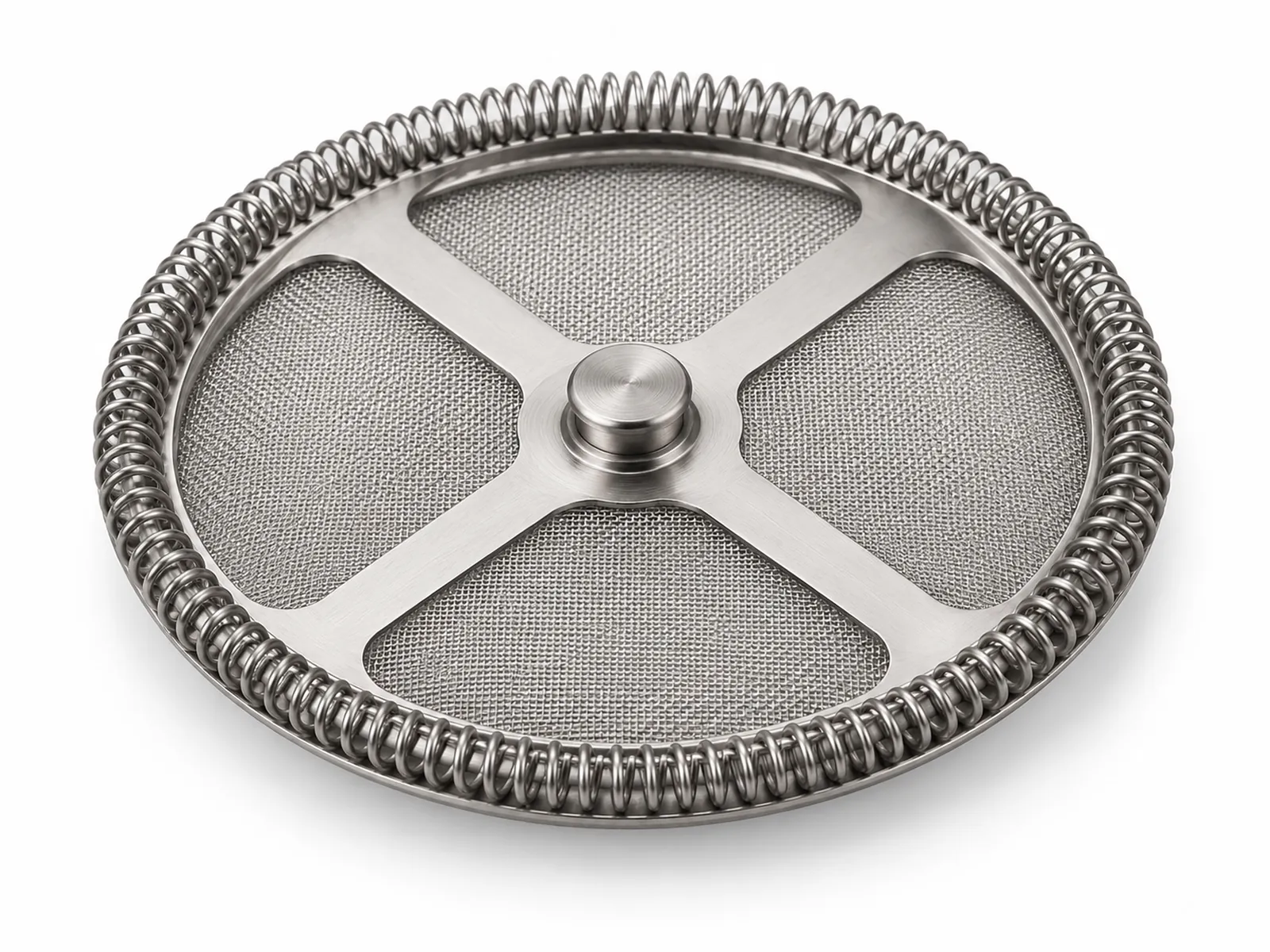
A disassembled French press plunger showing the round stainless steel mesh screen with coil spring rim, cross plate

French Press Filter Screen (FDA 21 CFR / EU 1935/2004 food contact) is specified where the duty calls for separating grounds from coffee in a French press plunger with a spring-edged mesh disc that seals against the carafe wall. The sections below cover the typical end-uses by industry, the mesh, micron and material decisions for each, installation practice, and the applications this product type is not suited to.

Typical Applications for French Press Filter Screen

Where French Press Filter Screen is specified and bought:

  • Cookware OEMs: plunger assemblies for glass and stainless French presses.
  • Replacement parts retailers: spare screens that restore a press with a torn mesh.
  • Hotel & catering: large 1.5 L presses for table service.
  • Tea press makers: plungers for loose-leaf tea presses.

How to Specify French Press Filter Screen for Your Application

  • Diameter: Measure the carafe inner diameter; the spring rim must press lightly against the wall.
  • Mesh: 100-mesh is the standard; 120-mesh gives a cleaner cup at a slower plunge.
  • Center hole: Match the rod and nut diameter of the plunger assembly.
  • Standard: Quote FDA 21 CFR / EU 1935/2004 food contact and the size designation from the table on the product page, plus any value you changed in the technical drawing.

Handling & Installation Practice

  • Stack the cross plate, screen and spiral plate in the original order so the spring rim seals.
  • Unscrew the assembly every few weeks; oils trapped between plates turn rancid.

Common Selection Mistakes with French Press Filter Screen

  • Ordering by the press capacity name instead of the measured inner diameter — brands differ.
  • Pressing too hard and fast, which bends the screen and lets grounds bypass.

Where French Press Filter Screen Is Not the Right Choice

Not for espresso-fine grinds or for cold brew steeping over many hours, where a cartridge filter works better.
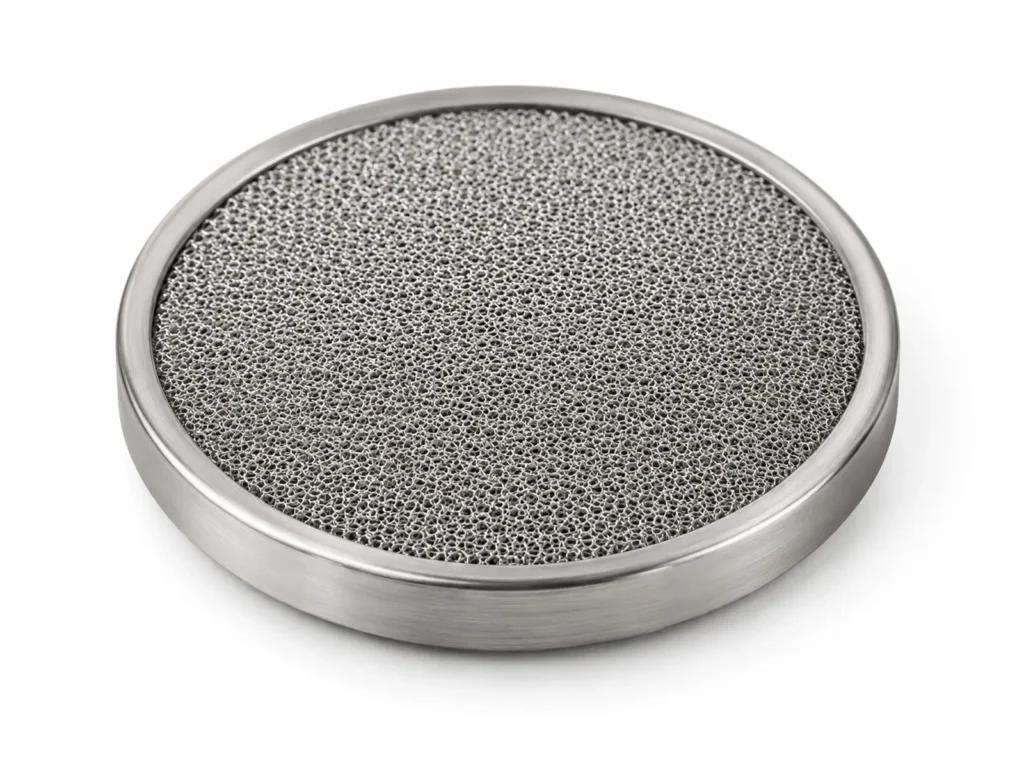
If This Construction Is Not the Right Fit

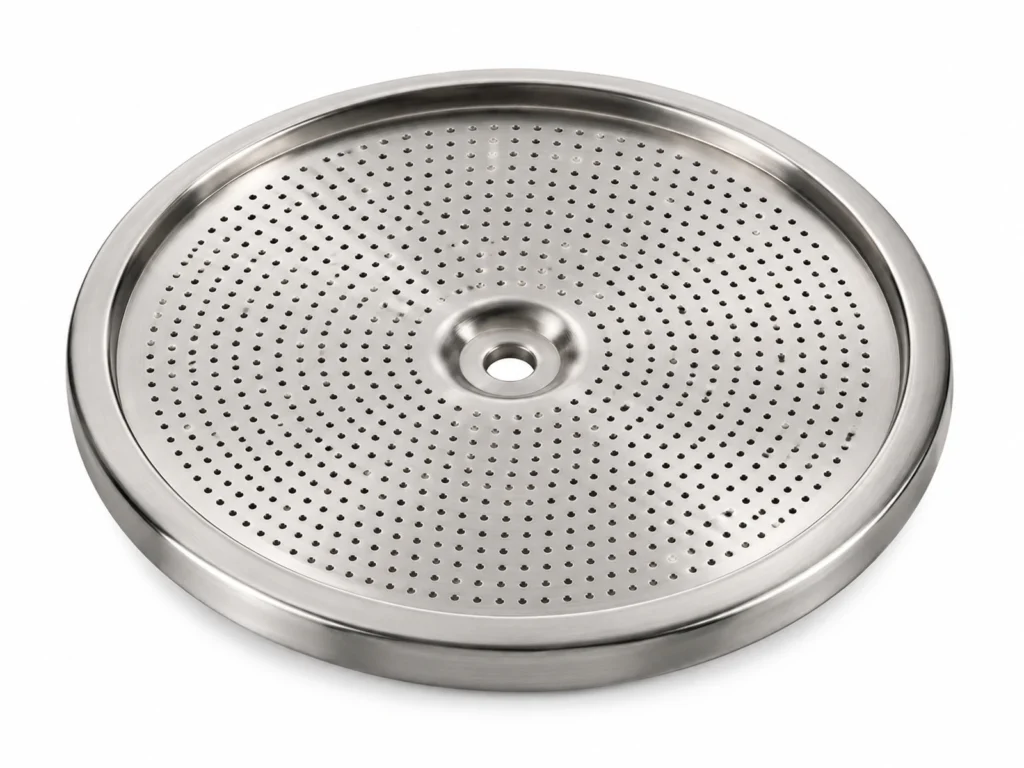
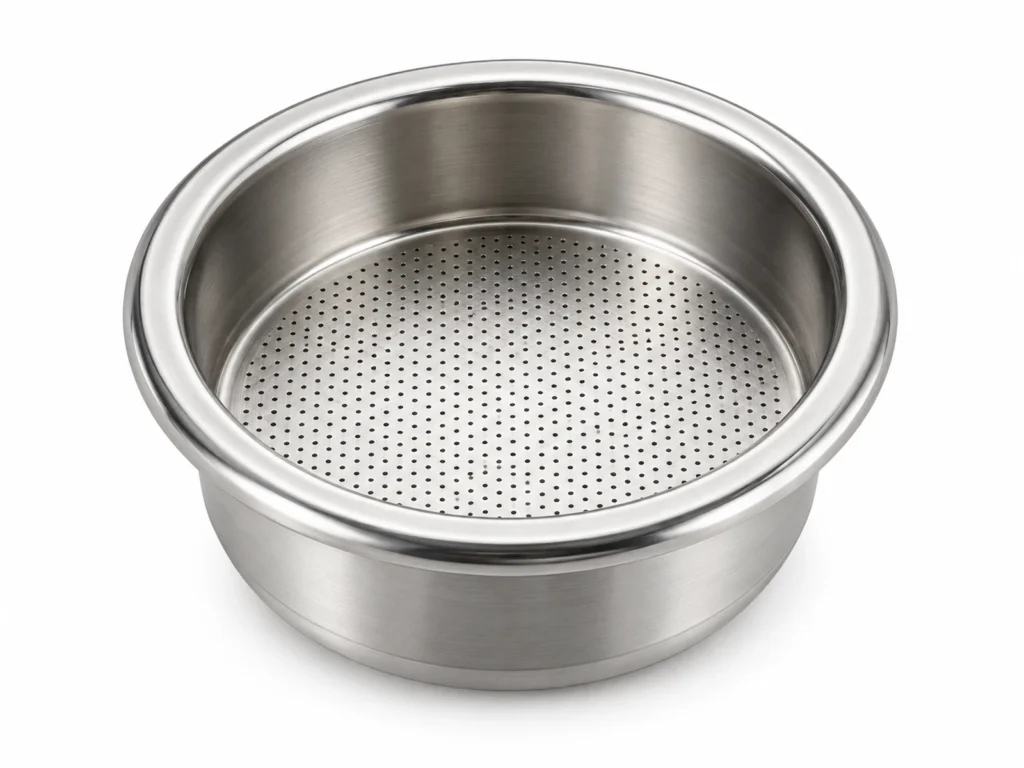
Closely related mesh types for the same duty — compare open area, aperture range and cleanability before you commit.

Technical Drawing

Customize the parameters below — every spec field is editable, and the drawing redraws to match the values you choose. Changing the size will snap the other fields to that size's standard values; you can then override any individual value.

Sends the selected values to the quote form below.

Request a Quote

Set the size and options in the drawing above, then send the exact configuration straight to this form.

Request a Quotation

Specification
Business Information

Dimensions & Specifications (FDA 21 CFR / EU 1935/2004 food contact)

SizeDiameter (mm)MeshMicron rating (u00b5m)SpringCenter hole (mm)
3 cup / 350 ml76100-Mesh154Coil spring rim4.0
8 cup / 1 L95100-Mesh154Coil spring rim4.0
12 cup / 1.5 L105120-Mesh122Coil spring rim4.5

Frequently Asked Questions

What is French Press Filter Screen used for?

Separating grounds from coffee in a French press plunger with a spring-edged mesh disc that seals against the carafe wall.

How do I find the right French press screen size?

Measure the inside diameter of the carafe at the top; screens are made to that diameter with a spring rim.

Why does my French press coffee have grounds in it?

Usually a worn or bent screen, a gap at the spring rim or too fine a grind. A new 120-mesh screen and a coarser grind fix it.

Is a French press screen dishwasher safe?

The stainless mesh is, but take the assembly apart first so the layers dry.

Can I get a quote for French Press Filter Screen to my own drawing?

Yes. Set the size and any custom value in the technical drawing on the product page and send it with the quote form; we reply within one business day.