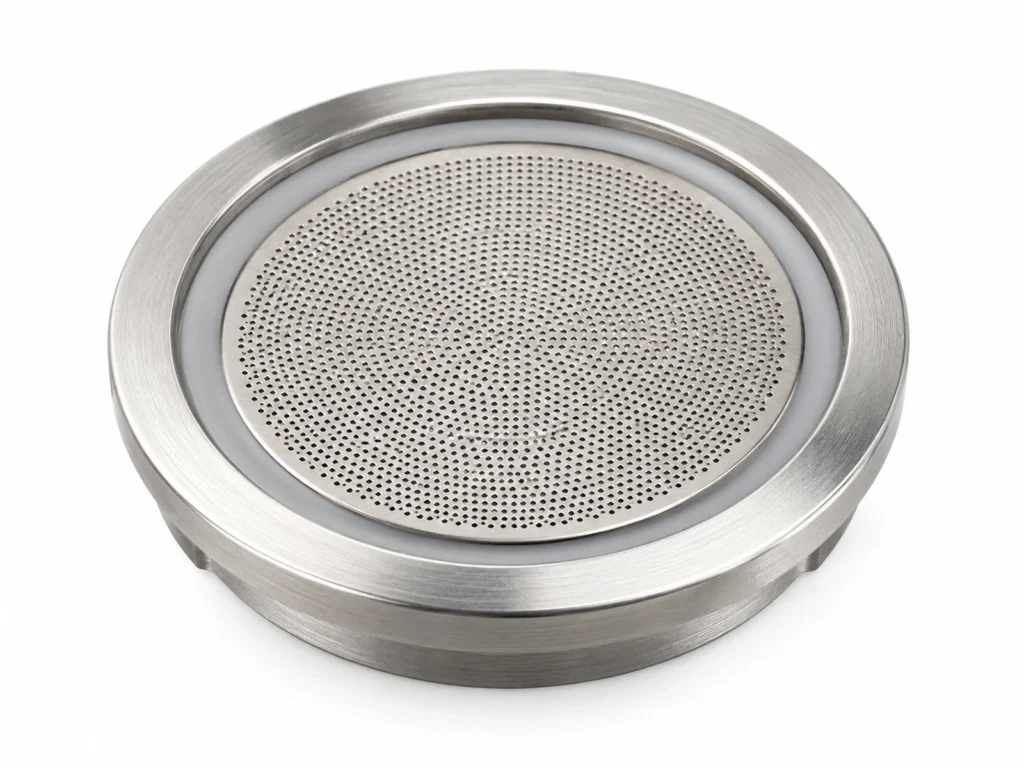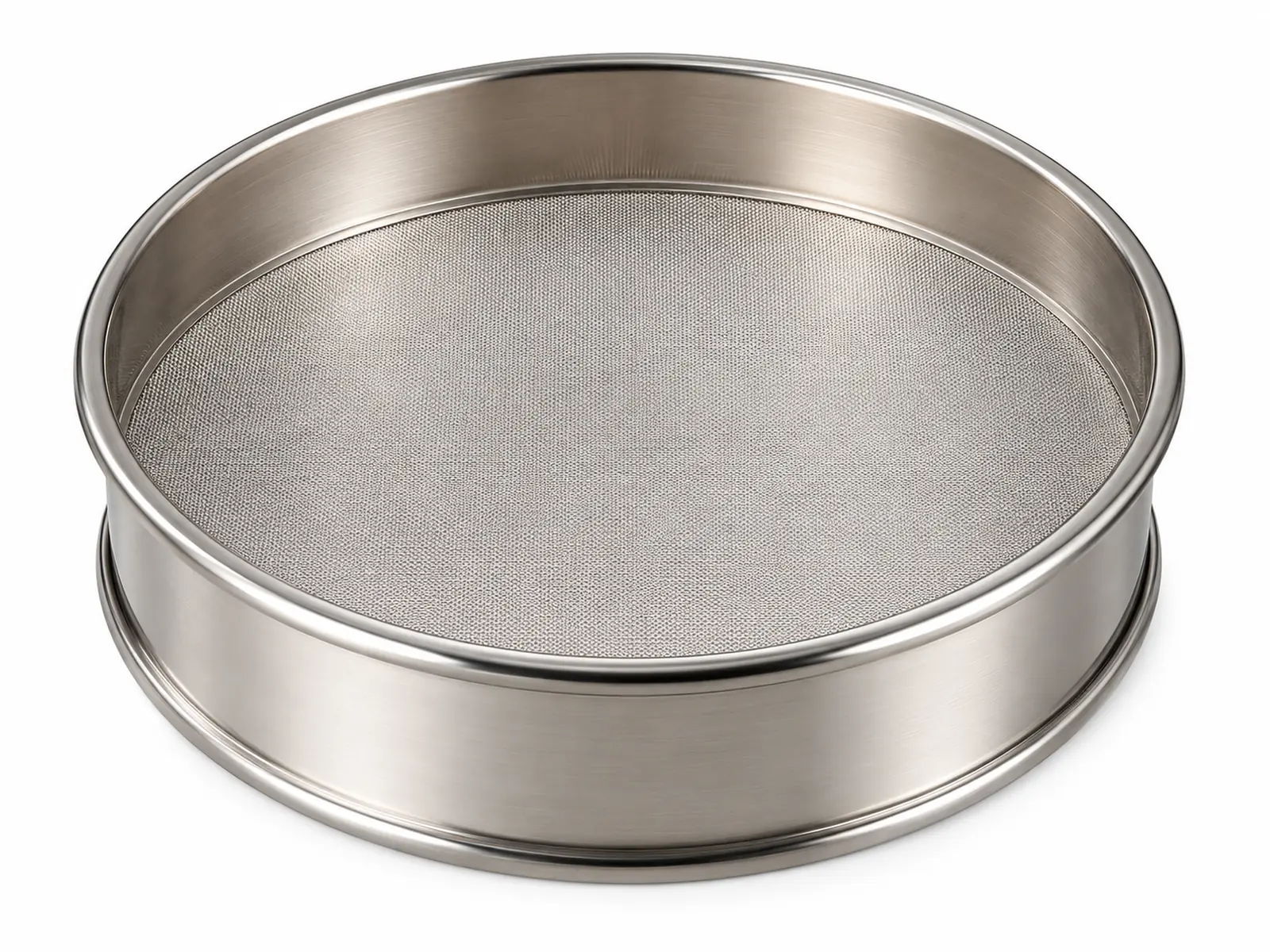
Electroformed Nickel Micro Sieve is selected when an assembly or process calls for precision sieving of very fine powders and particles from 5 to 30 µm with electroformed nickel foil sieves whose holes are grown to tight, uniform tolerances. This application guide to the ISO 3310-3 type covers concrete end-uses, the specification checklist, correct installation, and where an alternative mesh or filter medium performs better.
Typical Applications for Electroformed Nickel Micro Sieve
Where Electroformed Nickel Micro Sieve is specified and bought:
- Pharmaceutical R&D: particle sizing of inhalation powders and APIs.
- Metal & ceramic powders: fine cut checks for additive manufacturing powders.
- Pigments & toners: oversize checks below woven-mesh limits.
- Environmental labs: microplastic and sediment fractionation.
How to Specify Electroformed Nickel Micro Sieve for Your Application
- Aperture: 5–30 µm holes, square or round, per ISO 3310-3.
- Frame: 75 mm for micro work; 200 mm to fit standard sieve stacks.
- Sieving method: Use wet or air-jet sieving — dry tapping blinds fine foil sieves.
- Standard: Quote ISO 3310-3 and the size designation from the table on the product page, plus any value you changed in the technical drawing.
Handling & Installation Practice
- Load very small samples and wet-sieve with a dispersant.
- Clean in an ultrasonic bath at low power and dry flat.
Common Selection Mistakes with Electroformed Nickel Micro Sieve
- Brushing the foil, which tears it.
- Overloading the sieve so powder agglomerates on the surface.
Where Electroformed Nickel Micro Sieve Is Not the Right Choice
Not for coarse or heavy samples, which deform the thin foil.