Skip to content

Laboratory & Medical Mesh · ASTM E11 · Application guide

What Is ASTM E11 Test Sieve (8 in / 12 in) Used For?

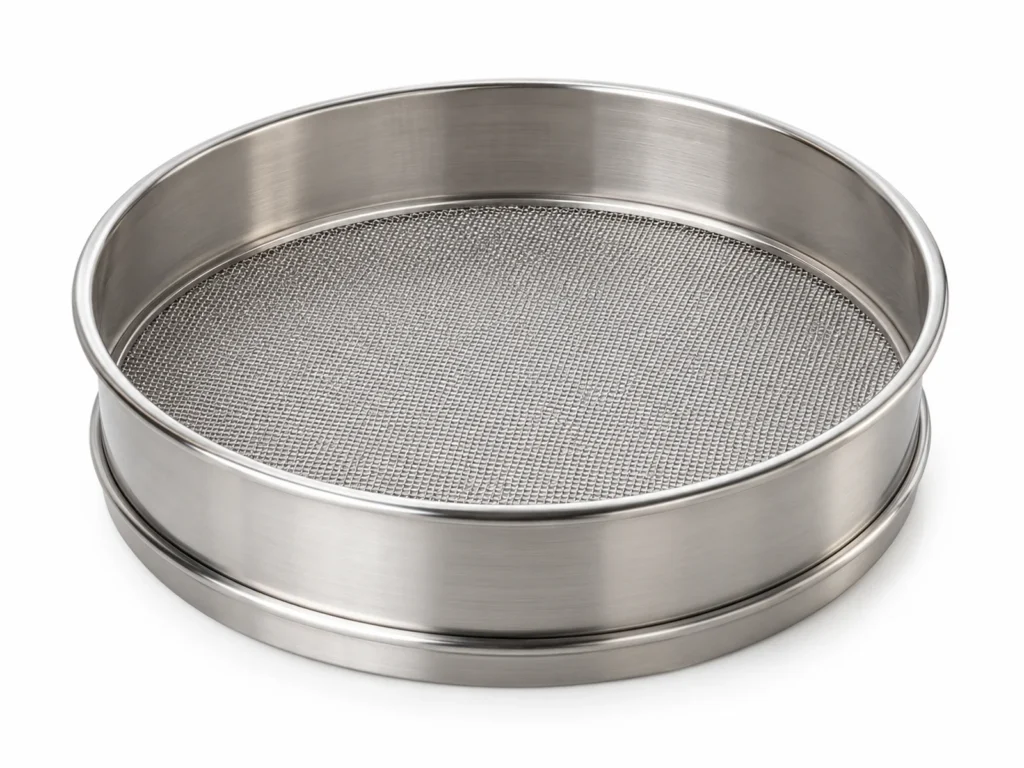
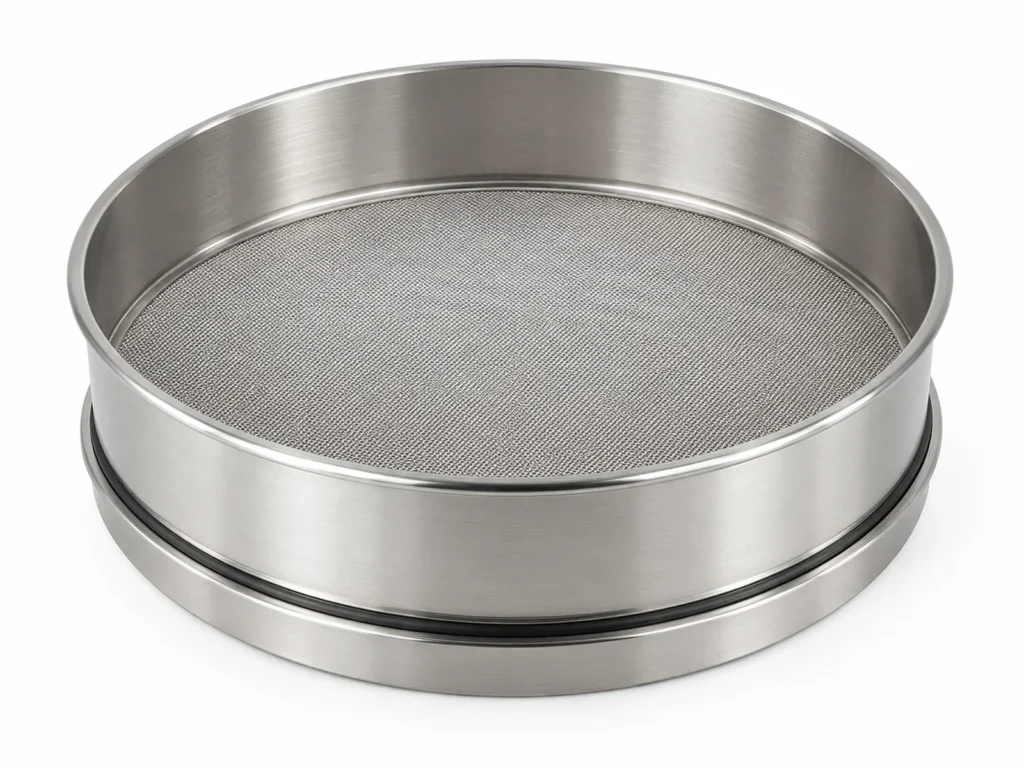
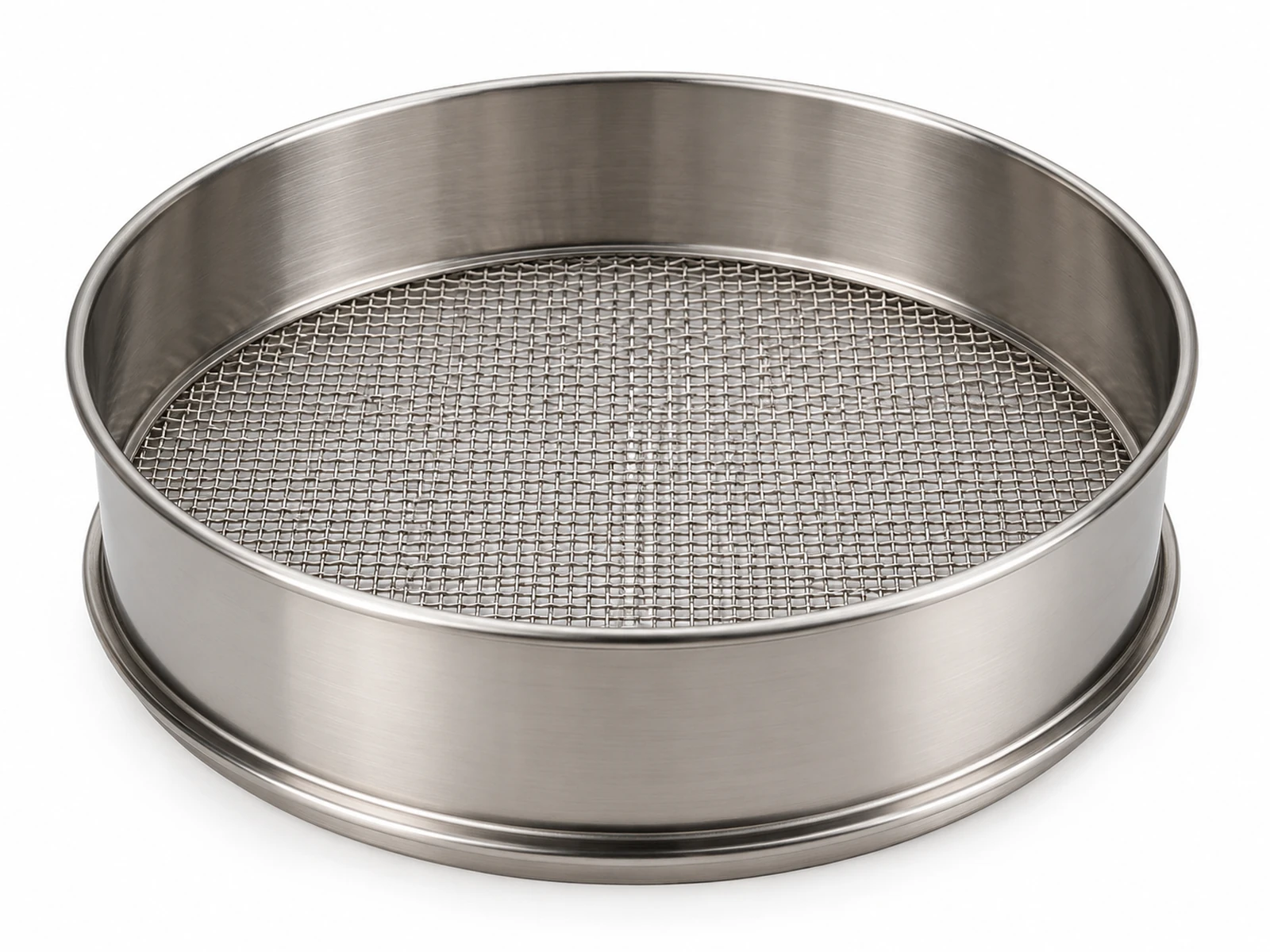
Several 8 inch ASTM E11 test sieves with brass and stainless frames stacked with a receiver pan, soil samples beside them

Application guide for ASTM E11 Test Sieve (8 in / 12 in) to ASTM E11. The core duty of the type is grading soils, aggregates, powders and granules by US standard sieve number in 8 in and 12 in frames built to ASTM E11. The typical industries, the how-to-specify checklist, handling practice and the exclusion cases are set out below.

Typical Applications for ASTM E11 Test Sieve (8 in / 12 in)

Where ASTM E11 Test Sieve (8 in / 12 in) is specified and bought:

  • Construction materials labs: aggregate gradation to ASTM C136 for concrete and asphalt mixes.
  • Geotechnical & soil labs: particle-size distribution to ASTM D6913.
  • Powder metallurgy & additive manufacturing: checking metal powder size cuts.
  • Botanical extraction: dry sieving of plant material by micron cut.

How to Specify ASTM E11 Test Sieve (8 in / 12 in) for Your Application

  • Sieve number: Order by US sieve No. (No. 4 = 4.75 mm, No. 200 = 75 µm) as named in the test method.
  • Frame height: Full height (2 in) for most work; half height (1 in) to fit more sieves on a shaker.
  • Frame material: Stainless for wet washing and durability; brass for traditional dry sieving.
  • Standard: Quote ASTM E11 and the size designation from the table on the product page, plus any value you changed in the technical drawing.

Handling & Installation Practice

  • Nest sieves from coarsest on top to finest above the receiver pan and use a cover.
  • Wash No. 200 sieves gently from below with low-pressure water; never scrub the cloth.

Common Selection Mistakes with ASTM E11 Test Sieve (8 in / 12 in)

  • Mixing ISO-series and ASTM-series sieves in one stack, giving apertures the method does not call for.
  • Overloading the No. 200, which blinds it and under-reports fines.

Where ASTM E11 Test Sieve (8 in / 12 in) Is Not the Right Choice

Not for wet-sieving heavy slurries unless the sieve is a wet-wash design with a deep frame.
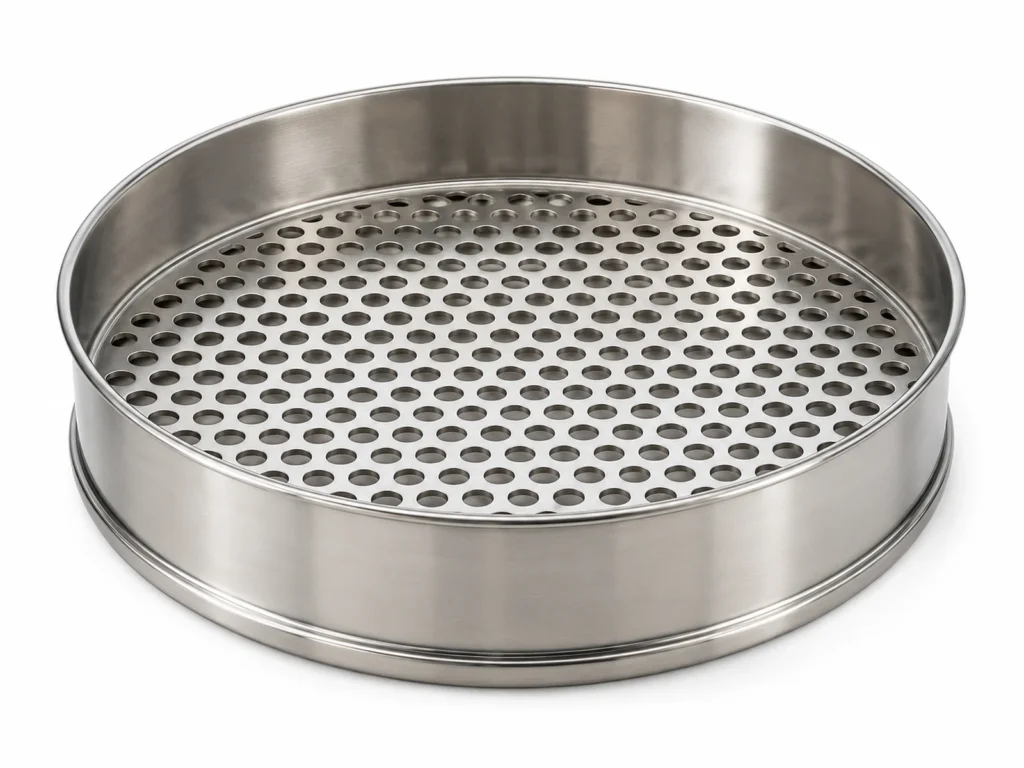
If This Construction Is Not the Right Fit

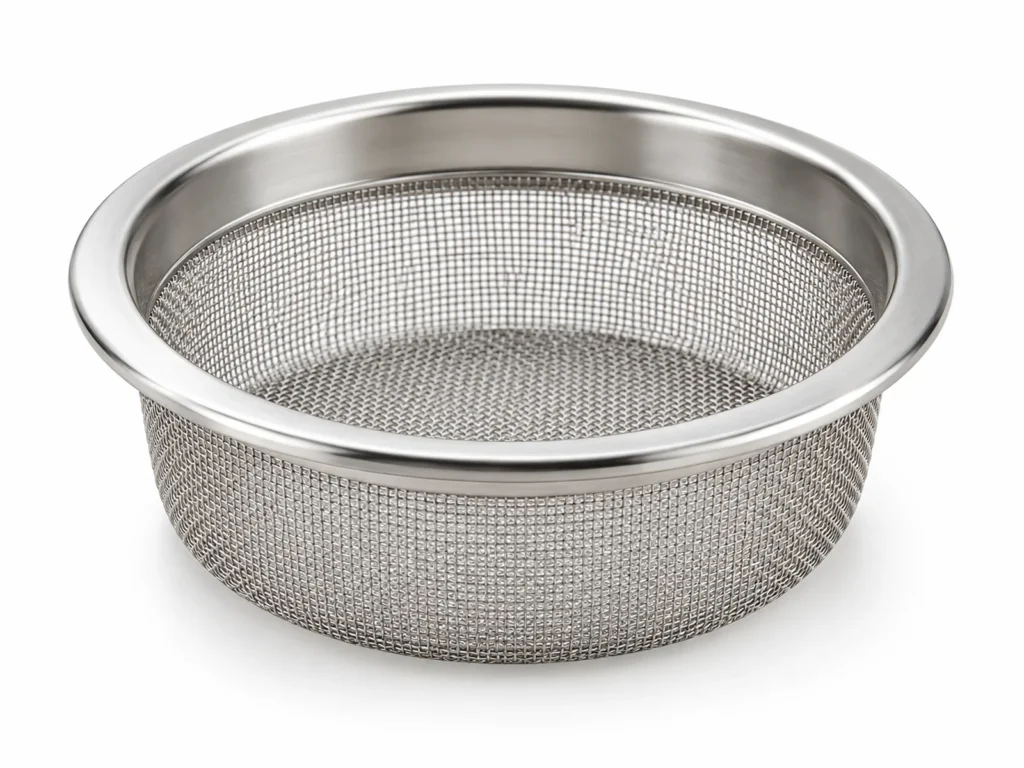
Closely related mesh types for the same duty — compare open area, aperture range and cleanability before you commit.

Technical Drawing

Customize the parameters below — every spec field is editable, and the drawing redraws to match the values you choose. Changing the size will snap the other fields to that size's standard values; you can then override any individual value.

Sends the selected values to the quote form below.

Request a Quote

Set the size and options in the drawing above, then send the exact configuration straight to this form.

Request a Quotation

Specification
Business Information

Dimensions & Specifications (ASTM E11)

US sieve No.Frame diameter (mm)Frame height (mm)Aperture (mm)Wire diameter (mm)Frame
No. 4203504.7501.600SS304 full height
No. 10203502.0000.900SS304 full height
No. 40203500.4250.280SS304 full height
No. 100203500.1500.100SS304 full height
No. 200203250.0750.050Brass half height
No. 200 u00b7 12 in305750.0750.050SS304 full height

Frequently Asked Questions

What is ASTM E11 Test Sieve (8 in / 12 in) used for?

Grading soils, aggregates, powders and granules by US standard sieve number in 8 in and 12 in frames built to ASTM E11.

What is the aperture of a No. 200 sieve?

75 µm (0.075 mm).

Brass or stainless steel test sieves?

Stainless resists corrosion and wet washing; brass is traditional and slightly cheaper.

When should I use a 12 in test sieve?

For larger samples, such as coarse aggregate, where an 8 in sieve would be overloaded.

Can I get a quote for ASTM E11 Test Sieve (8 in / 12 in) to my own drawing?

Yes. Set the size and any custom value in the technical drawing on the product page and send it with the quote form; we reply within one business day.