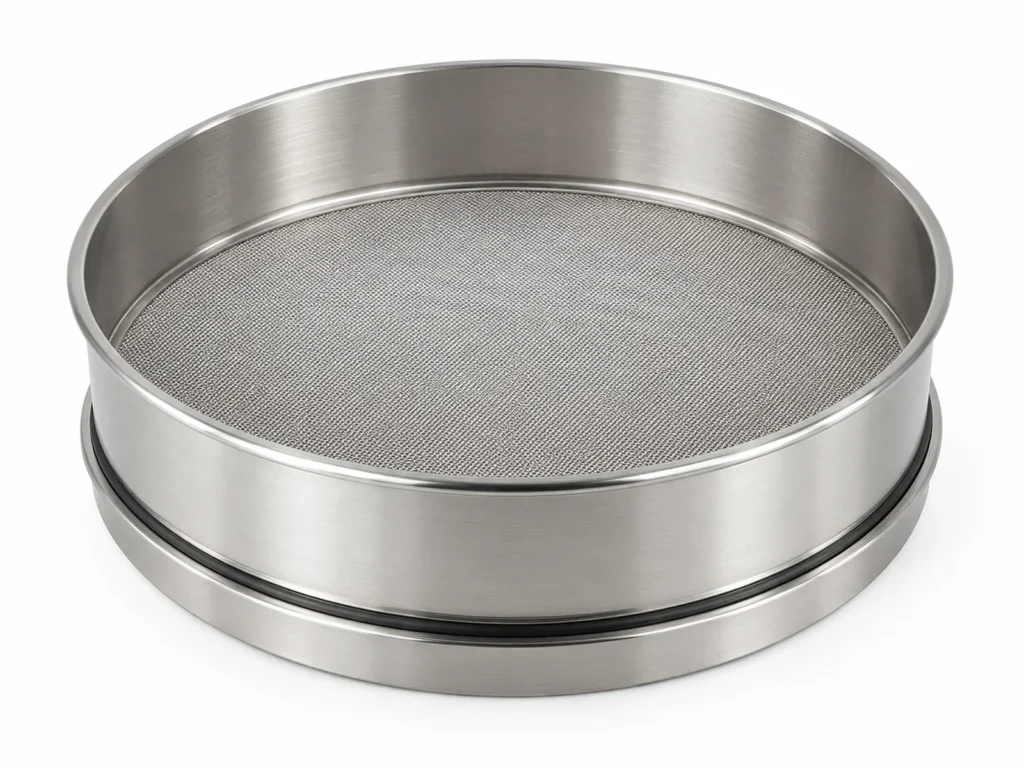
Stainless Tissue & Cell Dissociation Sieve — ISO 3310-1 cloth
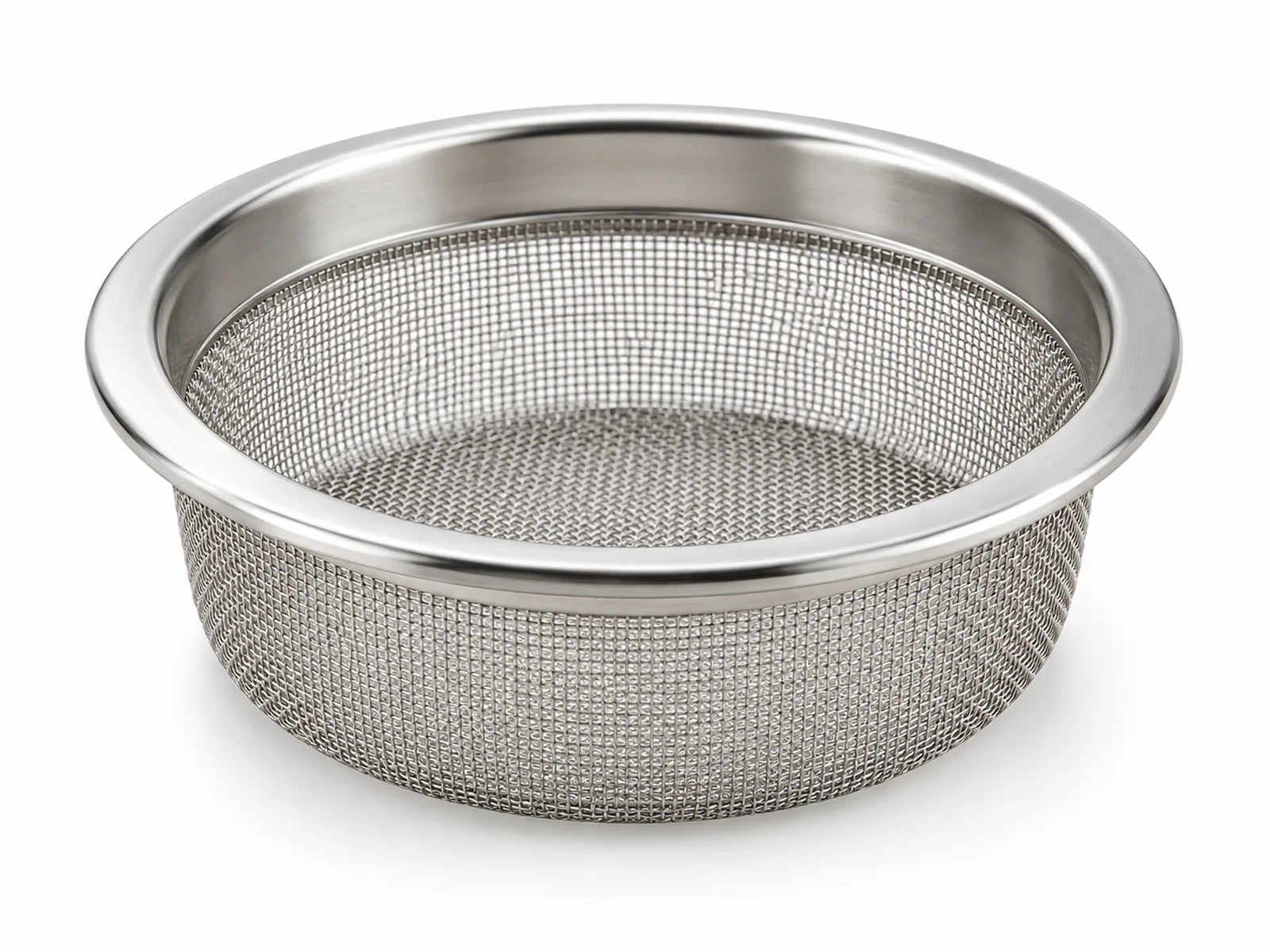
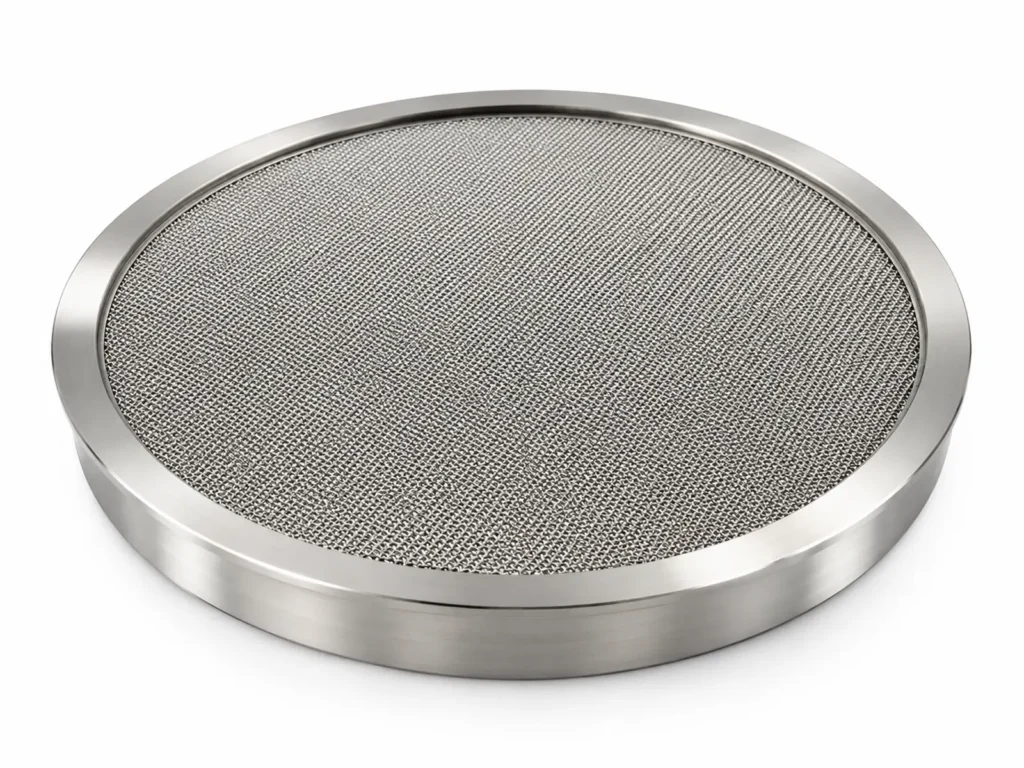
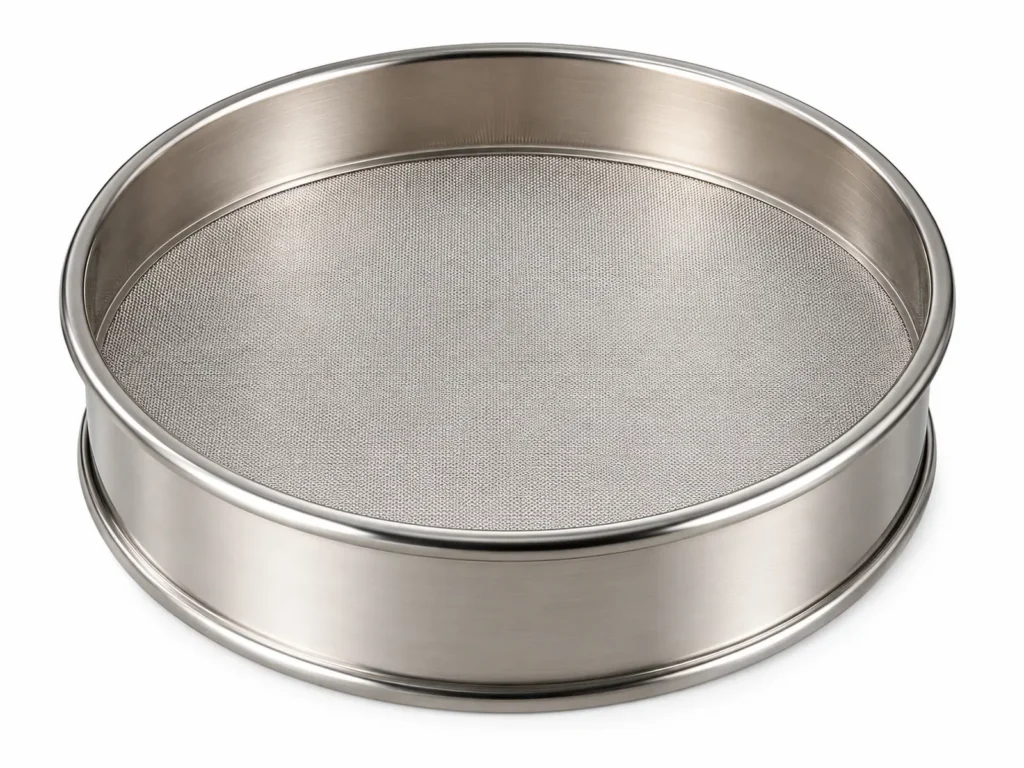
Stainless Tissue & Cell Dissociation Sieve for pressing tissue through, and straining cell suspensions with, autoclavable stainless mesh as a reusable alternative to plastic cell strainers. 4 sizes listed, with technical drawing and quotation.
Stainless Tissue & Cell Dissociation Sieve (ISO 3310-1 cloth) — Lab Filtration Media
Technical Drawing
Customize the parameters below — every spec field is editable, and the drawing redraws to match the values you choose. Changing the size will snap the other fields to that size's standard values; you can then override any individual value.
Sends the selected values to the quote form below.
Request a Quotation for Stainless Tissue & Cell Dissociation Sieve
Tell us the specification (mesh count / micron / dimensions), material and quantity you need for Stainless Tissue & Cell Dissociation Sieve (ISO 3310-1 cloth) and our team will respond within one business day. Click "Request this configuration" on the drawing above to send the parameters you just chose straight into this form.
Dimensions & Specifications (ISO 3310-1 cloth)
Every row below is a starting point for the customizer above — pick any specification row and the drawing will redraw to it.
Size
Top diameter (mm)
Depth (mm)
Aperture (mm)
Mesh
40 u00b5m
75
25
0.040
400-Mesh SS316
70 u00b5m
75
25
0.070
200-Mesh SS316
100 u00b5m
75
25
0.100
150-Mesh SS316
250 u00b5m
75
25
0.250
60-Mesh SS316
Stainless Tissue & Cell Dissociation Sieve (ISO 3310-1 cloth) is used for pressing tissue through, and straining cell suspensions with, autoclavable stainless mesh as a reusable alternative to plastic cell strainers.
Standard supply is stainless steel 316/316L; the material column in the table and the drawing options show the exact grade for each size. Other alloys and finishes can be quoted to your drawing.
Fitting & Care
Autoclave before each use and rinse immediately after.
Use a syringe plunger to press tissue gently through the mesh.
Common Mistakes
Generating single-use plastic waste with every prep.
Choosing too small an aperture, which loses cells.
When Stainless Tissue & Cell Dissociation Sieve Is Not the Right Choice
Not for sterile filtration of liquids; use a 0.22 µm membrane for that.
Stainless Tissue & Cell Dissociation Sieve is made to order as finished parts. Indicative pricing starts from about US$16.00 per piece for a standard size at production quantity; the final price depends on size, material, finish, tooling and order volume. Send your configuration from the drawing above for a quotation.
Stainless Tissue & Cell Dissociation Sieve — ISO 3310-1 cloth
What is Stainless Tissue & Cell Dissociation Sieve used for?
Pressing tissue through, and straining cell suspensions with, autoclavable stainless mesh as a reusable alternative to plastic cell strainers.
Are stainless tissue sieves reusable?
Yes — they can be autoclaved many times.
What aperture is a standard cell strainer?
70 µm.
Which material are tissue sieves made of?
SS316 stainless.
What is the specification range of Stainless Tissue & Cell Dissociation Sieve?
The table on this page lists 4 standard specifications for Stainless Tissue & Cell Dissociation Sieve, from 40 u00b5m to 250 u00b5m. Specifications outside the table — custom mesh counts, wire diameters, roll widths and fabricated pieces — can be quoted on request.
How do I request a quotation?
Use the parametric drawing on this page to set the exact configuration (specification, material, treatment) and click "Request this configuration" — a specialist from custommetalfilters.com will respond within one business day.
Related Mesh Products
Closely related constructions in Laboratory & Medical Mesh — compare aperture range, open area and cleanability.
This website uses only necessary and functional cookies to operate, secure, and improve basic website performance.
We do not use advertising cookies, Google Analytics, or cross-site tracking technologies.
Privacy Policy