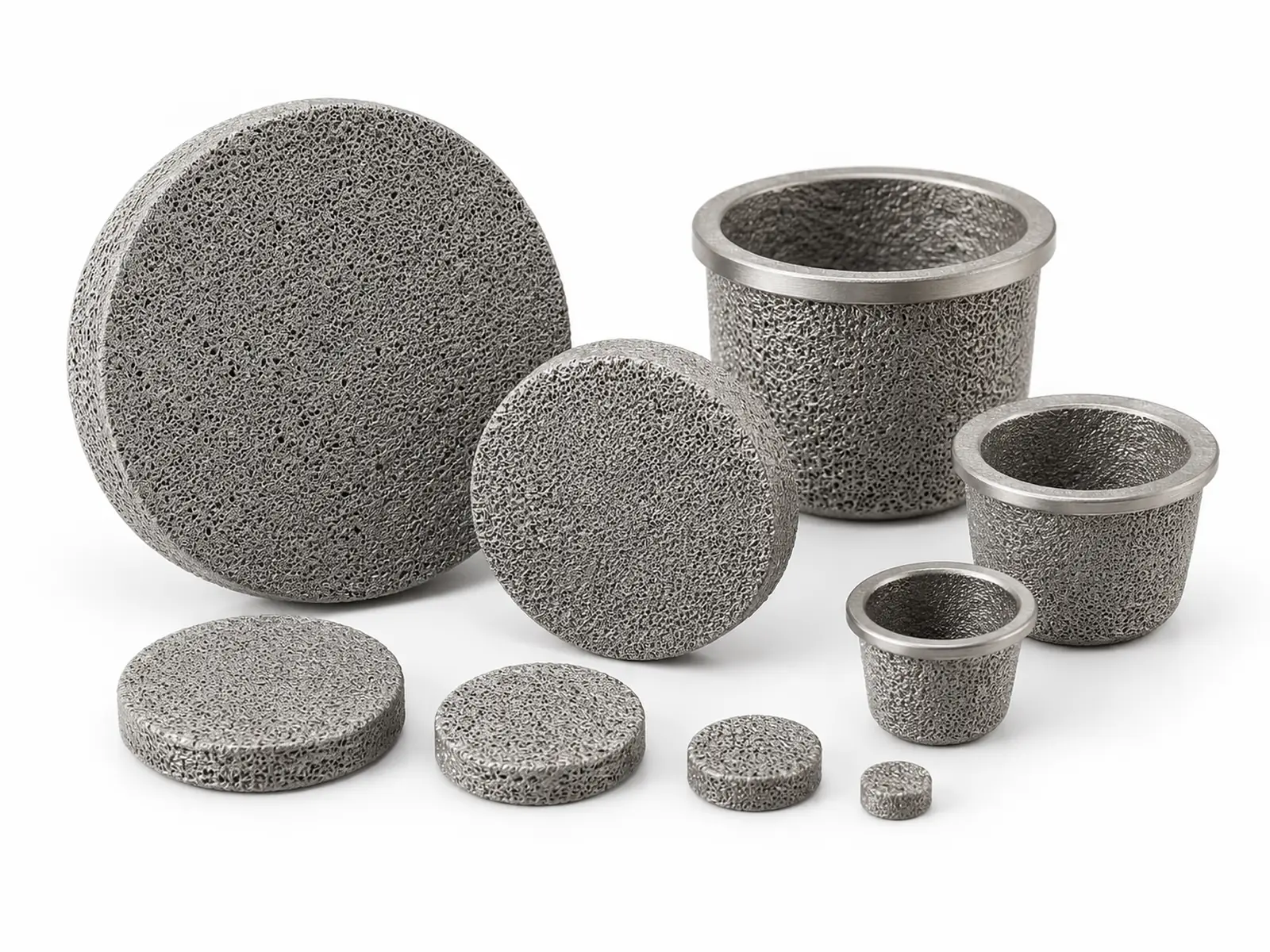
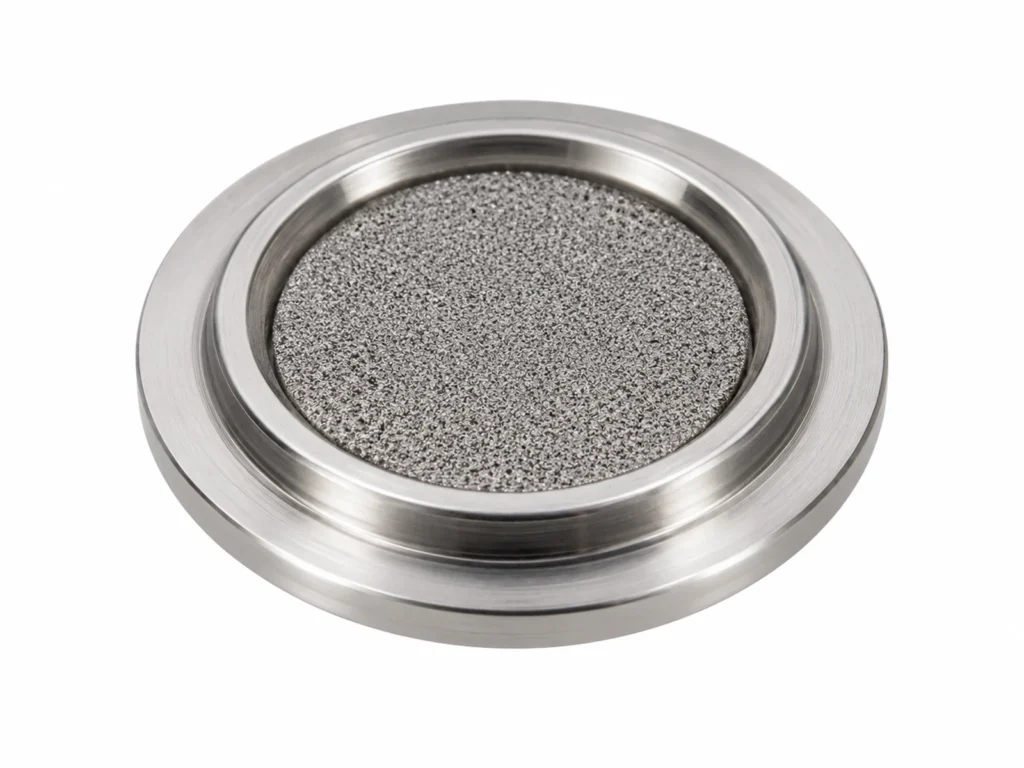
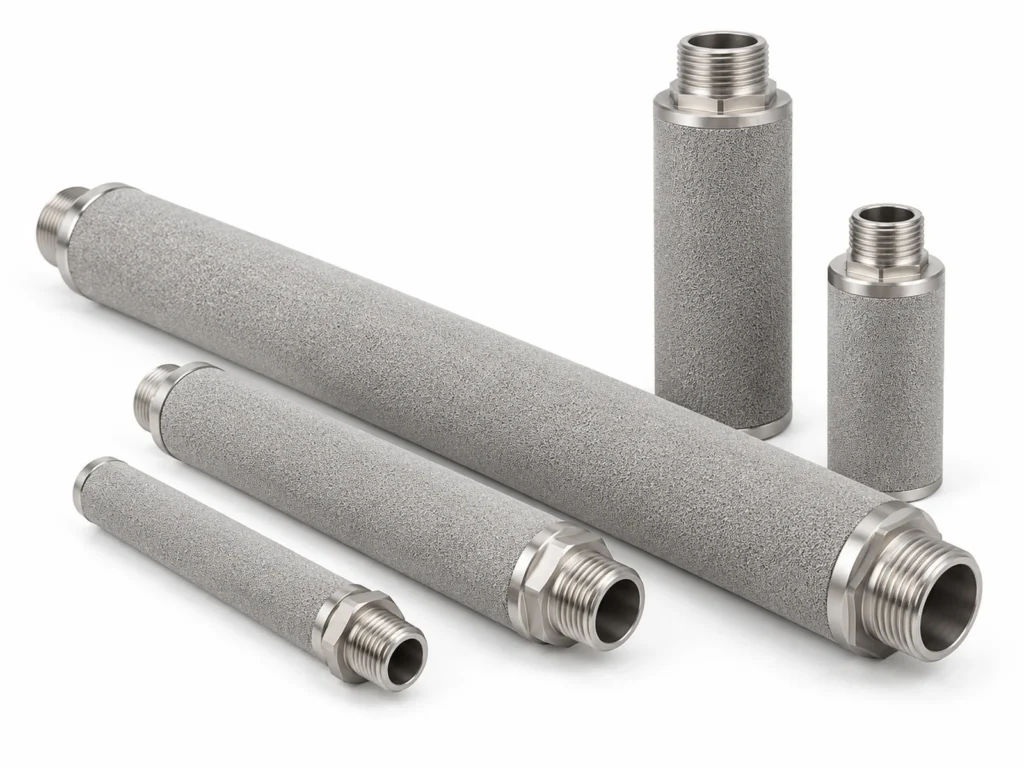
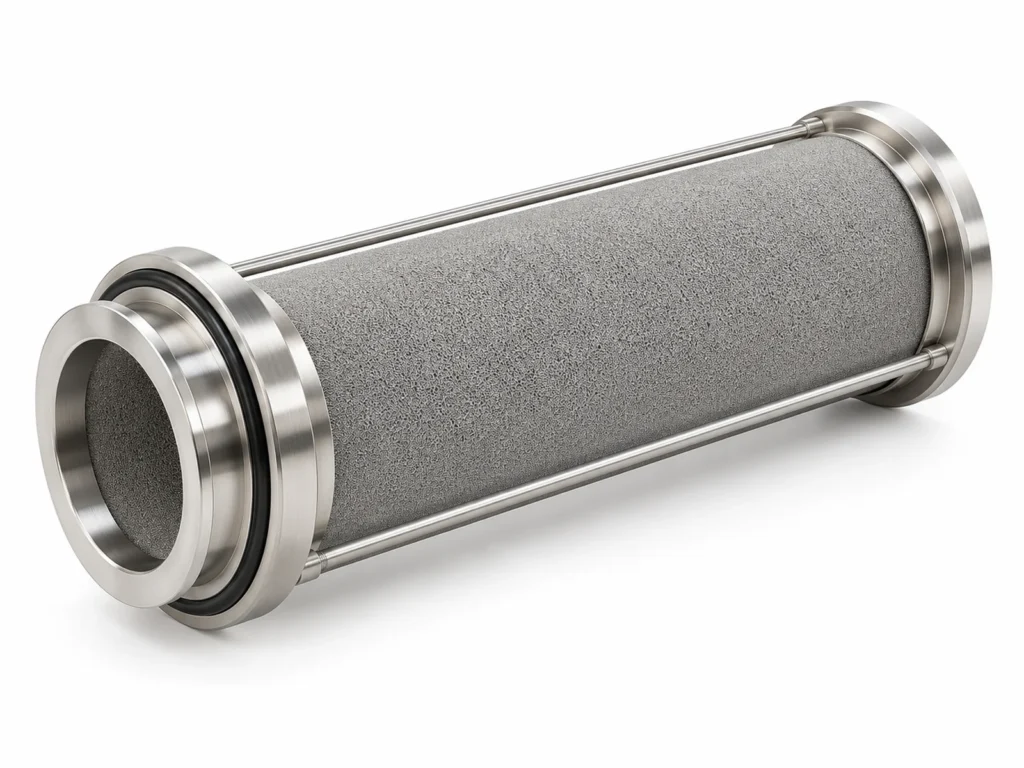
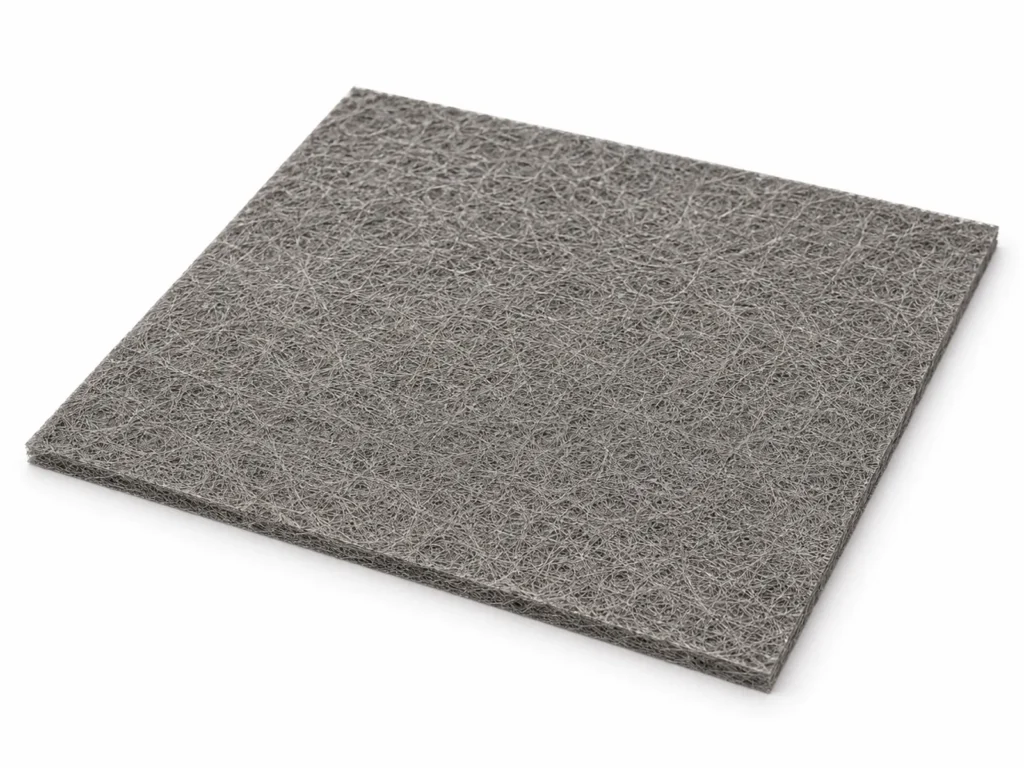
Sintered Porous Metal Filter Disc & Cup in 316L Stainless Steel (AISI 316L (1.4404)) is used for protecting sensors, pneumatic valves, nozzles and analytical instruments with small sintered porous discs and cups that are pressed, crimped or welded into fittings. The alloy gives superior resistance, including chlorides, brines, food CIP and mild acids and is essentially non-magnetic, with a practical service limit of approx. +550 °C continuous.
Alloy Properties
| Grade designation | AISI 316L (1.4404) |
|---|
| Magnetic response | Essentially non-magnetic |
|---|
| Service temperature | approx. +550 °C continuous |
|---|
| Corrosion characteristic | Superior resistance, including chlorides, brines, food CIP and mild acids |
|---|
Specifications of Sintered Porous Metal Filter Disc & Cup Available in 316L Stainless Steel
| Size | Diameter (mm) | Thickness (mm) | Micron rating (u00b5m) | Shape | Powder |
|---|
| Disc u00d810 | 10 | 1.5 | 2 | Flat disc | SS316L |
| Disc u00d825 | 25 | 2.0 | 10 | Flat disc | SS316L |
| Disc u00d850 | 50 | 3.0 | 40 | Flat disc | SS316L |
| Cup u00d816 u00d7 20 | 16 | 1.5 | 20 | Cup | SS316L |
| Disc u00d825 bronze | 25 | 3.0 | 60 | Flat disc | Bronze CuSn10 |
Where 316L Stainless Steel Sintered Porous Metal Filter Disc & Cup Is Used
- Pneumatics: inlet filters and exhaust silencer elements on valves and cylinders.
- Pressure & flow instrumentation: snubber and sensor-port protection discs.
- Chromatography & laboratory: column frits, sparger discs and solvent inlet filters.
- Medical & analytical devices: gas inlet and vent filters in analyzers and ventilators.
Ordering Sintered Porous Metal Filter Disc & Cup in 316L Stainless Steel
- Diameter & thickness: Match the fitting bore or seat; tolerance on diameter decides whether it press-fits or needs a weld ring.
- Micron rating: 2–60 µm; finer ratings cost flow, so specify the allowable pressure drop.
- Powder: SS316L for corrosion and heat; bronze CuSn10 for low-cost pneumatic duty in dry air.
Mistakes to Avoid with Sintered Porous Metal Filter Disc & Cup
- Using bronze discs with ammonia, chlorine or wet corrosive gases, which attack copper alloys.
- Pressing the disc so tightly that the outer ring of pores collapses and flow drops.