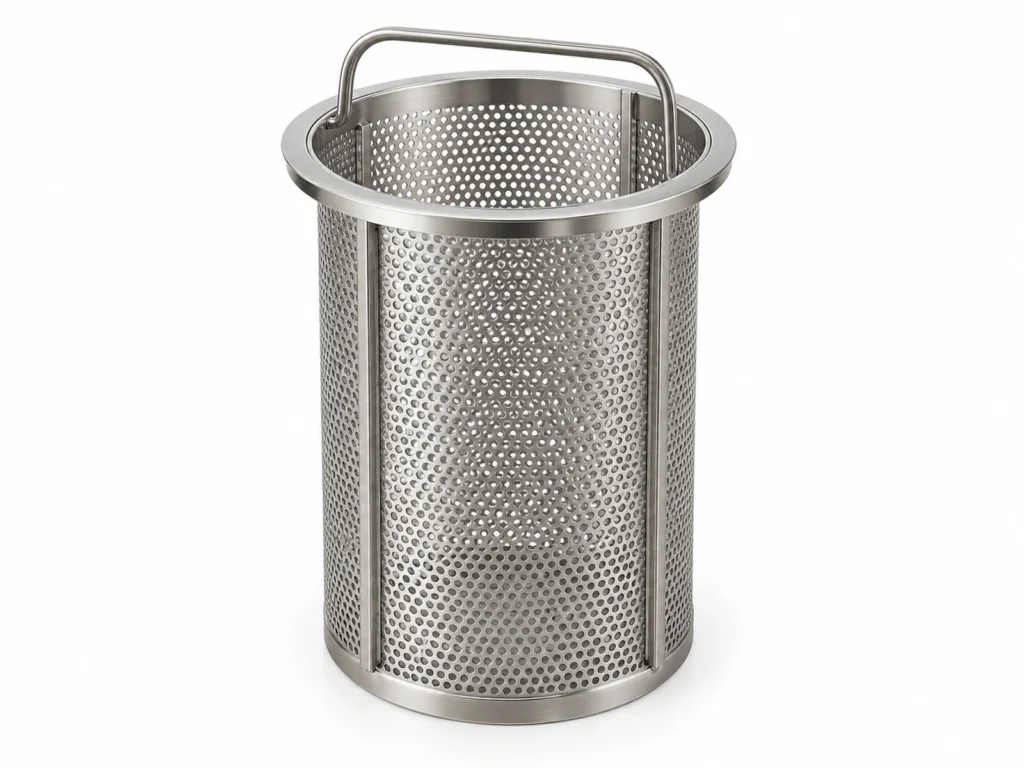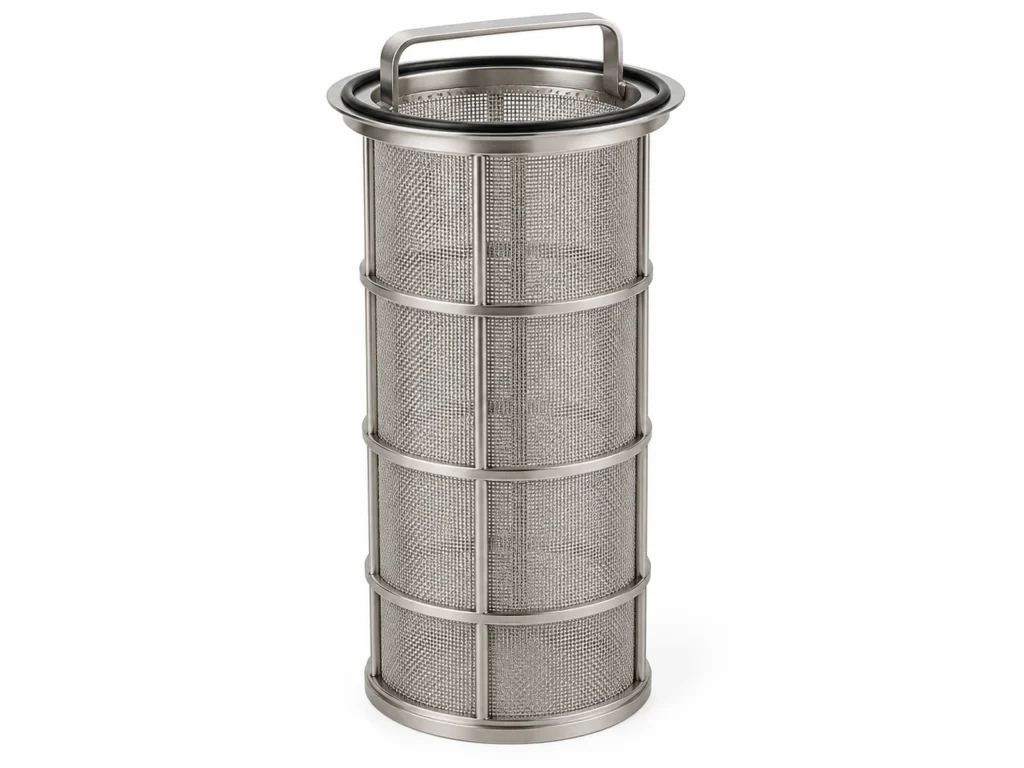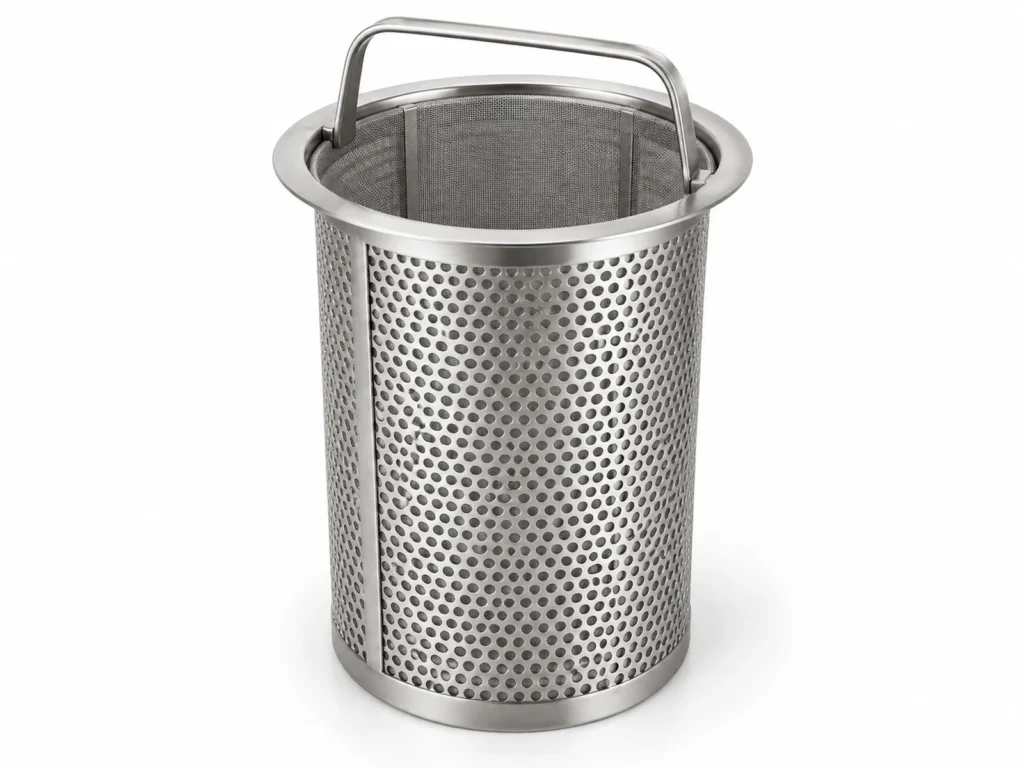
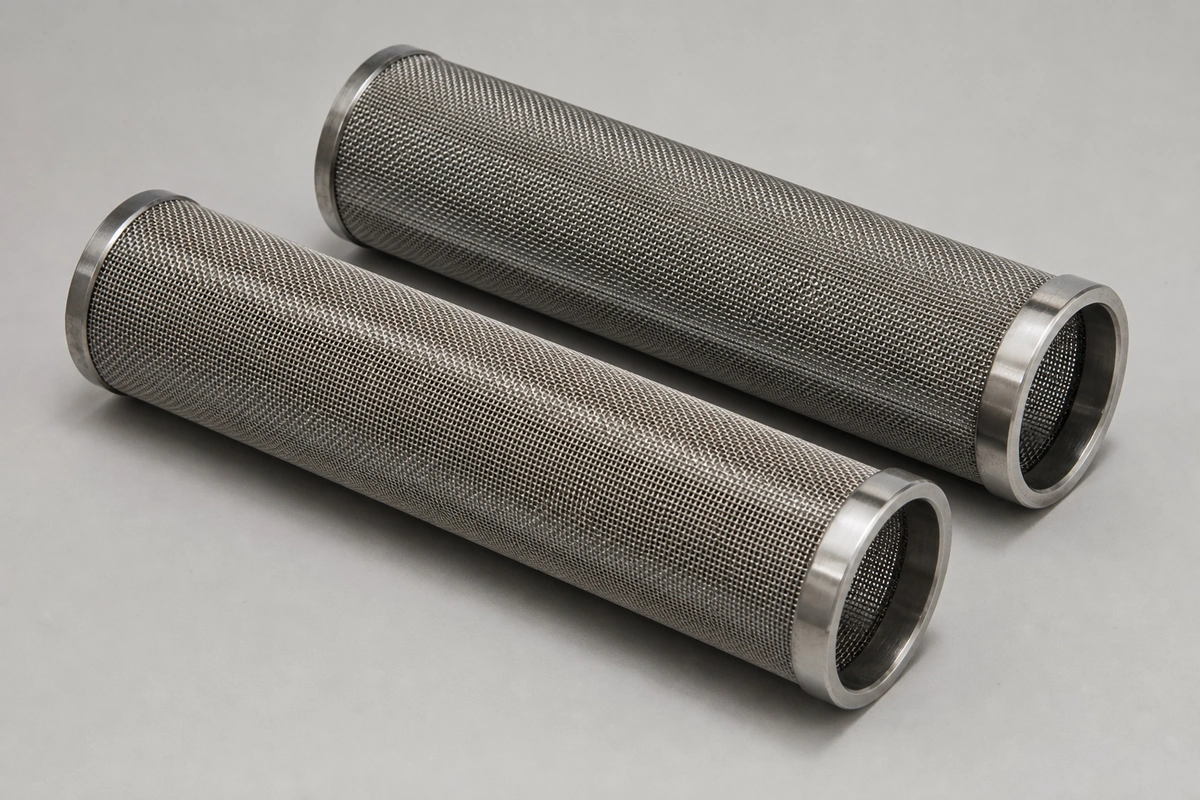
The primary duty of Y-Strainer Screens is replacing the removable stainless mesh strainer element inside Y-strainers that protect pumps, meters, steam traps and control valves. Below: the sectors that specify it in volume, the checklist used to select the right mesh and alloy for the application, handling notes, and the known limits of the type.
Typical Applications for Y-Strainer Screens
Where Y-Strainer Screens is specified and bought:
- HVAC & water: chiller, boiler and condenser Y-strainers.
- Steam systems: steam trap and control valve protection.
- Process plants: chemical and solvent lines.
- Fuel & oil: burner and transfer pump lines.
How to Specify Y-Strainer Screens for Your Application
- Body size & make: Screen OD and length must match the Y-strainer body exactly.
- Perforation & mesh: Perforated screen, with a mesh liner (20–100 mesh) for finer straining.
- Material: SS304 or SS316 for most fluids; Monel for sea water.
- Standard: Quote Y-strainer OEM replacement and the size designation from the table on the product page, plus any value you changed in the technical drawing.
Handling & Installation Practice
- Blow down through the drain connection regularly to clear debris without opening the body.
- Replace the cap gasket whenever the screen is removed.
Common Selection Mistakes with Y-Strainer Screens
- Ordering a screen by pipe size alone when different body makes vary.
- Fitting too fine a liner on steam lines, which blinds with scale.
Where Y-Strainer Screens Is Not the Right Choice
Not a fine filter; for micron ratings use a cartridge filter downstream.