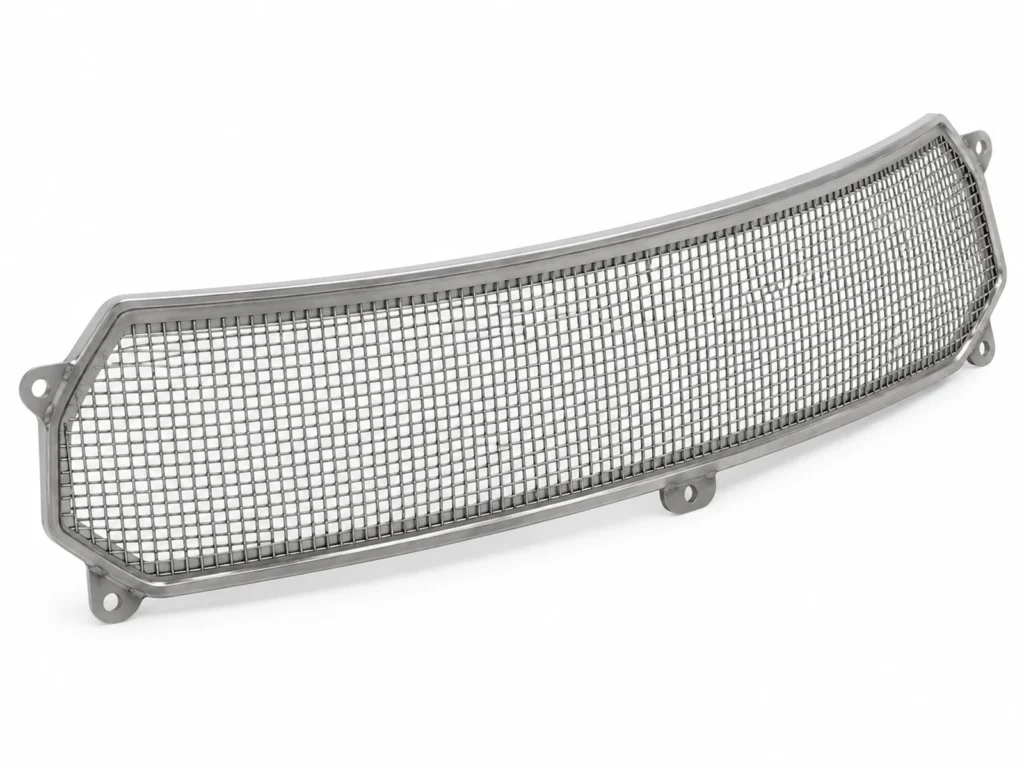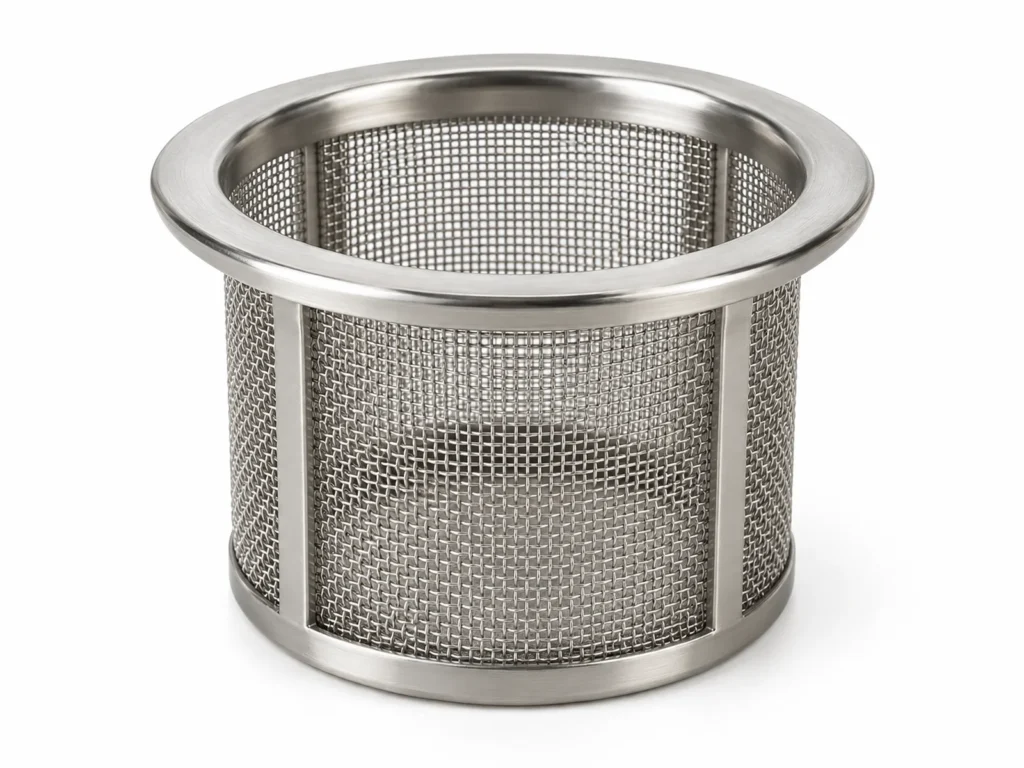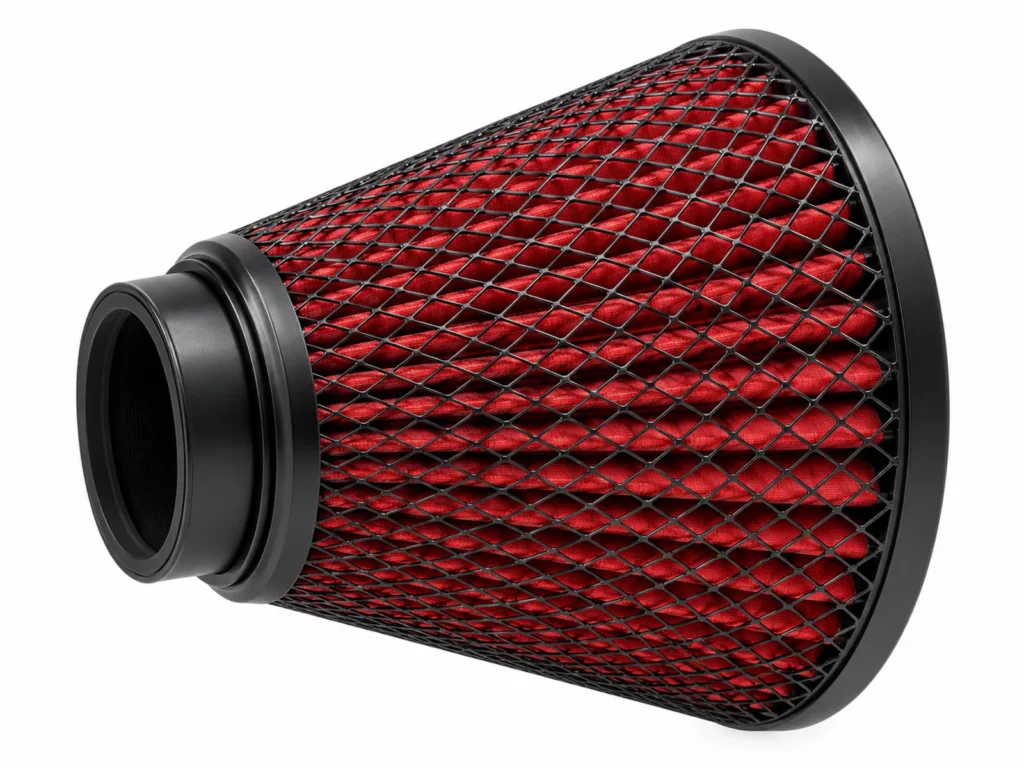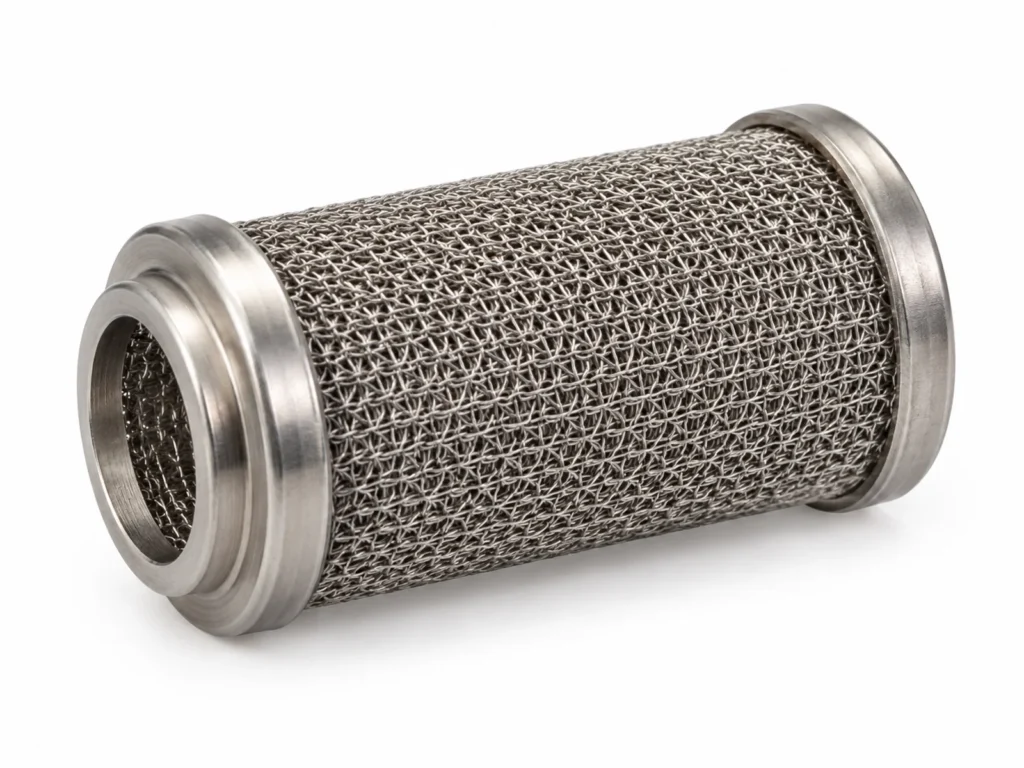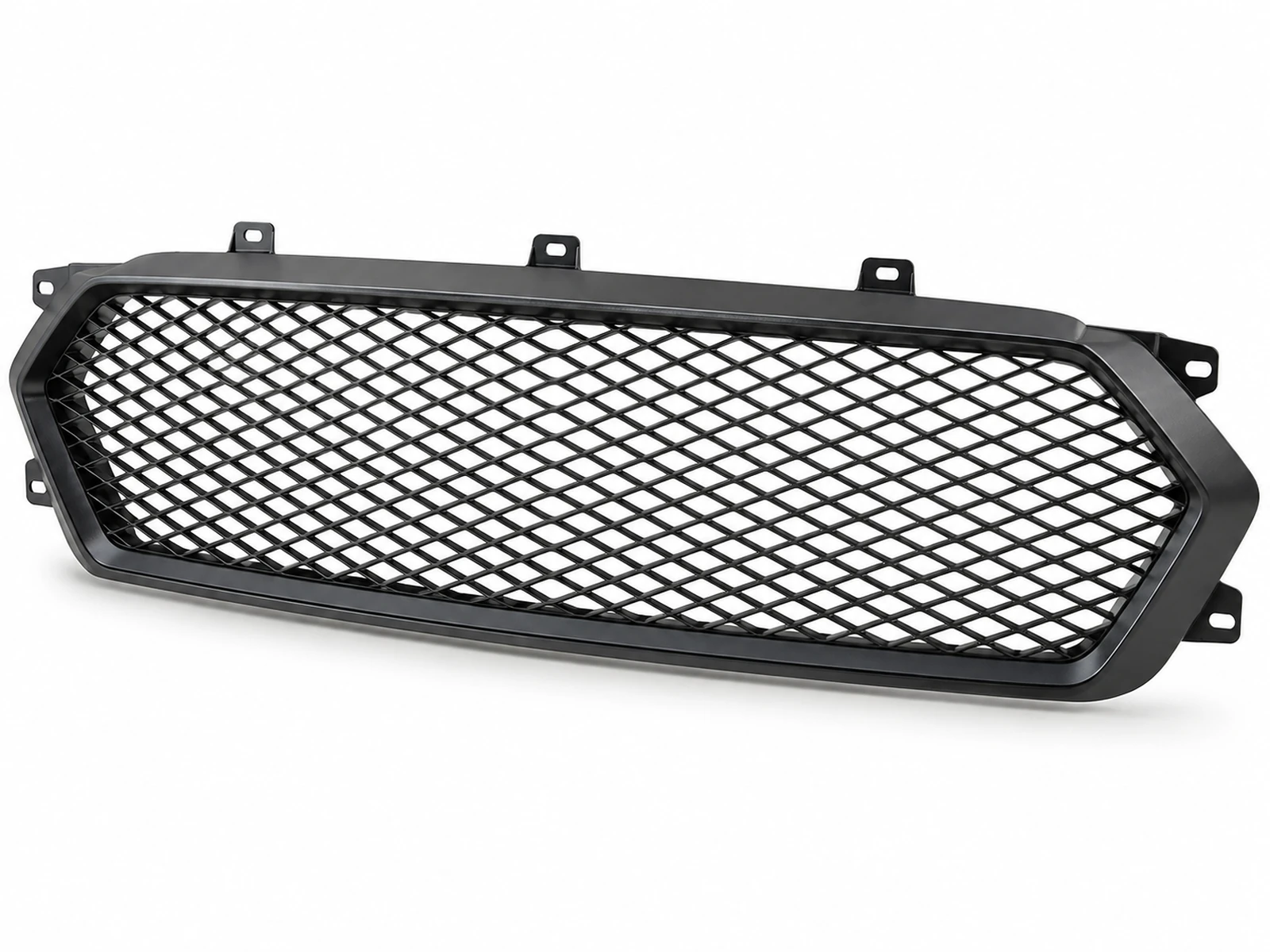
Vehicle Front Grille & Intake Mesh is selected when an assembly or process calls for filling front grilles and bumper intakes with expanded or woven metal mesh that protects radiators from stones while giving a sporty, open look. This application guide to the Automotive OEM / aftermarket type covers concrete end-uses, the specification checklist, correct installation, and where an alternative mesh or filter medium performs better.
Typical Applications for Vehicle Front Grille & Intake Mesh
Where Vehicle Front Grille & Intake Mesh is specified and bought:
- Aftermarket styling: grille inserts for trucks, SUVs and sports cars.
- Motorsport: intake guards in front splitters.
- Off-road & overland: stone and brush guards over radiators.
- OEM sport trims: factory mesh grilles.
How to Specify Vehicle Front Grille & Intake Mesh for Your Application
- Pattern: Diamond expanded mesh, hex honeycomb or woven — specify opening and strand.
- Open area: Keep 60–70 % so cooling airflow is not restricted.
- Finish: Powder coat or e-coat for road-salt resistance; chrome for show trims.
- Standard: Quote Automotive OEM / aftermarket and the size designation from the table on the product page, plus any value you changed in the technical drawing.
Handling & Installation Practice
- Mount with rubber grommets or isolators so the mesh does not fret or rattle.
- Keep cut-outs clear for parking sensors, radar and cameras.
Common Selection Mistakes with Vehicle Front Grille & Intake Mesh
- Low open-area mesh that raises coolant temperature when towing.
- Covering the adaptive-cruise radar, which triggers sensor faults.
Where Vehicle Front Grille & Intake Mesh Is Not the Right Choice
Not a bug screen; fine insect protection needs a separate finer mesh.