Skip to content

Automotive Mesh & Filters · Automotive aftermarket · Application guide

What Is Engine Bay Rodent Guard Mesh Used For?

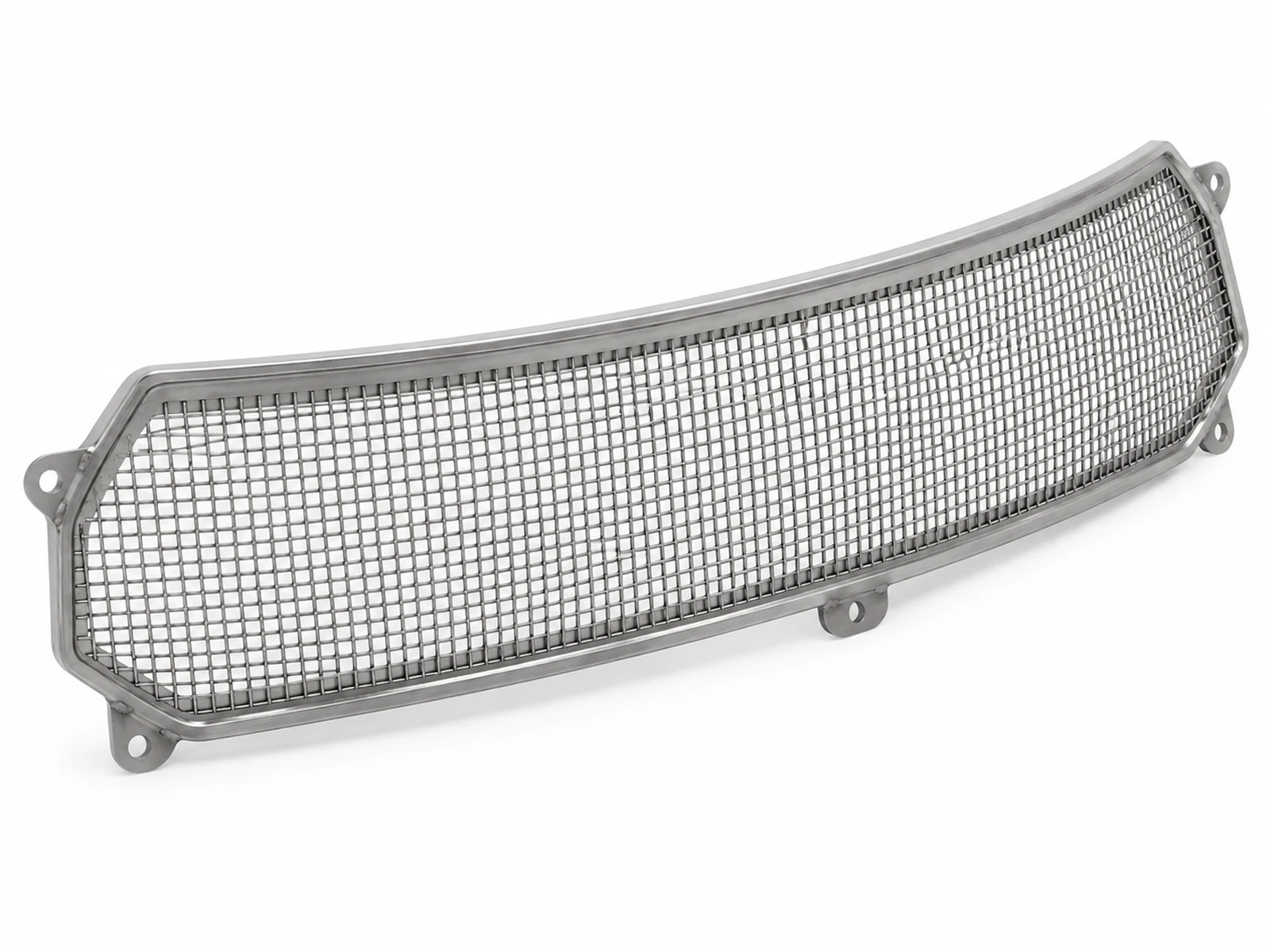
Close-up of a stainless steel welded wire mesh fitted over the cabin air intake under the windscreen cowl of a car

Application guide for Engine Bay Rodent Guard Mesh to Automotive aftermarket. The core duty of the type is closing the openings rodents use to get into engine bays, air boxes and cabin-filter housings, where they nest and chew soy-based wiring insulation. The typical industries, the how-to-specify checklist, handling practice and the exclusion cases are set out below.

Typical Applications for Engine Bay Rodent Guard Mesh

Where Engine Bay Rodent Guard Mesh is specified and bought:

  • Car owners in rural & suburban areas: DIY guards over cowl and air-intake openings.
  • Fleet & rental operators: protecting vehicles parked for weeks at a time.
  • Agricultural machinery dealers: guards for combines and tractors stored in barns.
  • RV & classic-car storage: winter-storage protection of intakes and vents.

How to Specify Engine Bay Rodent Guard Mesh for Your Application

  • Opening size: 6.4 mm (1/4 in) stops rats and most mice; 3.2 mm for juvenile mice.
  • Wire & alloy: SS304 welded mesh at 0.56–0.64 mm wire resists chewing; plastic or aluminum screen does not.
  • Heat clearance: Keep PVC-coated mesh at least 100 mm from exhaust manifolds and turbochargers.
  • Standard: Quote Automotive aftermarket and the size designation from the table on the product page, plus any value you changed in the technical drawing.

Handling & Installation Practice

  • Cut the mesh 20 mm oversize and fold the edges so there are no sharp wire ends near hoses.
  • Fix with stainless zip ties or the existing clips; check after every service that the guard was refitted.

Common Selection Mistakes with Engine Bay Rodent Guard Mesh

  • Covering the cabin air intake with a mesh so fine that it restricts HVAC airflow.
  • Leaving the gap around the firewall grommets open, which is the route rodents take most often.

Where Engine Bay Rodent Guard Mesh Is Not the Right Choice

Not a heat shield and not a substitute for removing nesting material or food sources around a parked vehicle.
If This Construction Is Not the Right Fit

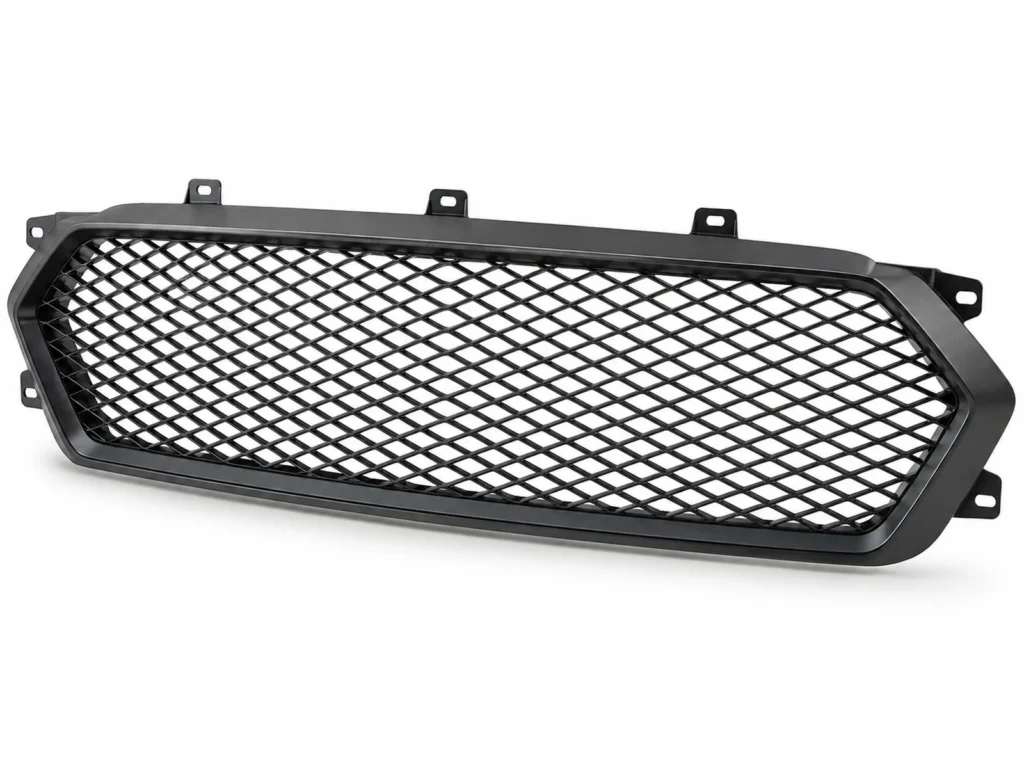
Closely related mesh types for the same duty — compare open area, aperture range and cleanability before you commit.

Technical Drawing

Customize the parameters below — every spec field is editable, and the drawing redraws to match the values you choose. Changing the size will snap the other fields to that size's standard values; you can then override any individual value.

Sends the selected values to the quote form below.

Request a Quote

Set the size and options in the drawing above, then send the exact configuration straight to this form.

Request a Quotation

Specification
Business Information

Dimensions & Specifications (Automotive aftermarket)

Opening (mm)Wire diameter (mm)Open area (%)Roll width (mm)Material
6.40.6482600SS304
3.20.5672600SS304
12.71.0086900Galvanized, PVC coated

Frequently Asked Questions

What is Engine Bay Rodent Guard Mesh used for?

Closing the openings rodents use to get into engine bays, air boxes and cabin-filter housings, where they nest and chew soy-based wiring insulation.

Does stainless steel mesh stop rodents chewing car wiring?

Yes — rodents cannot chew through stainless welded mesh, so closing intake openings keeps them out of the bay.

What mesh opening keeps mice out of an engine bay?

About 6 mm stops rats and adult mice; use 3 mm where juvenile mice are a problem.

Where should rodent mesh be installed on a car?

Over the cabin air intake, air-box inlet and any large openings in the under-tray.

Can I get a quote for Engine Bay Rodent Guard Mesh to my own drawing?

Yes. Set the size and any custom value in the technical drawing on the product page and send it with the quote form; we reply within one business day.