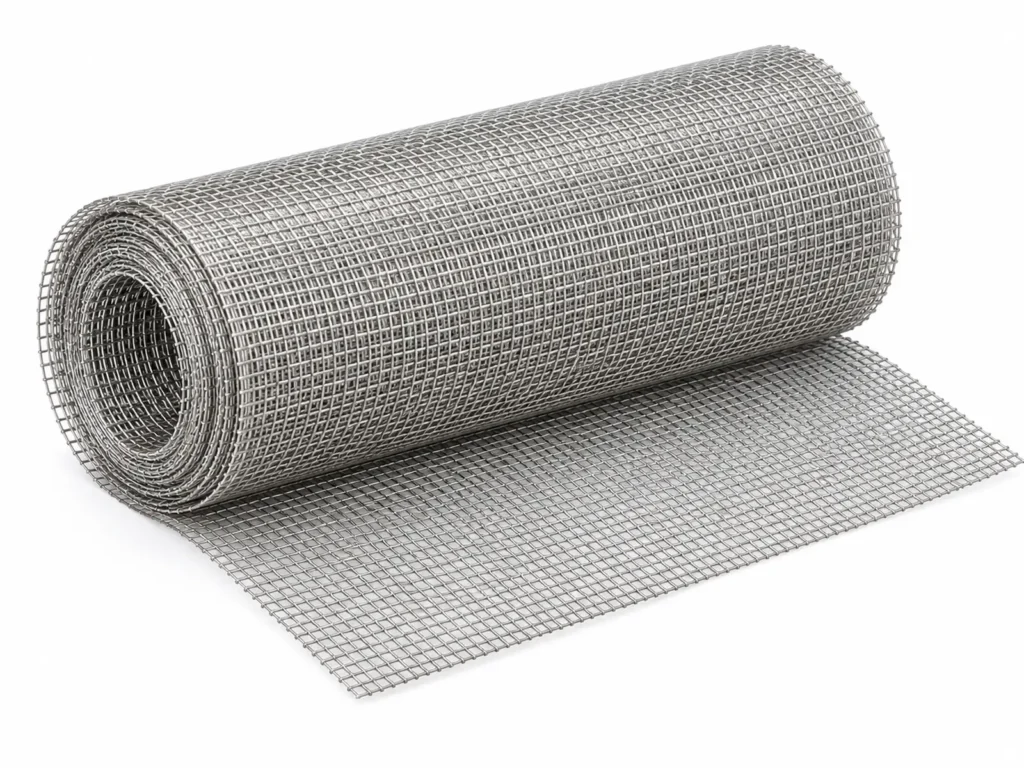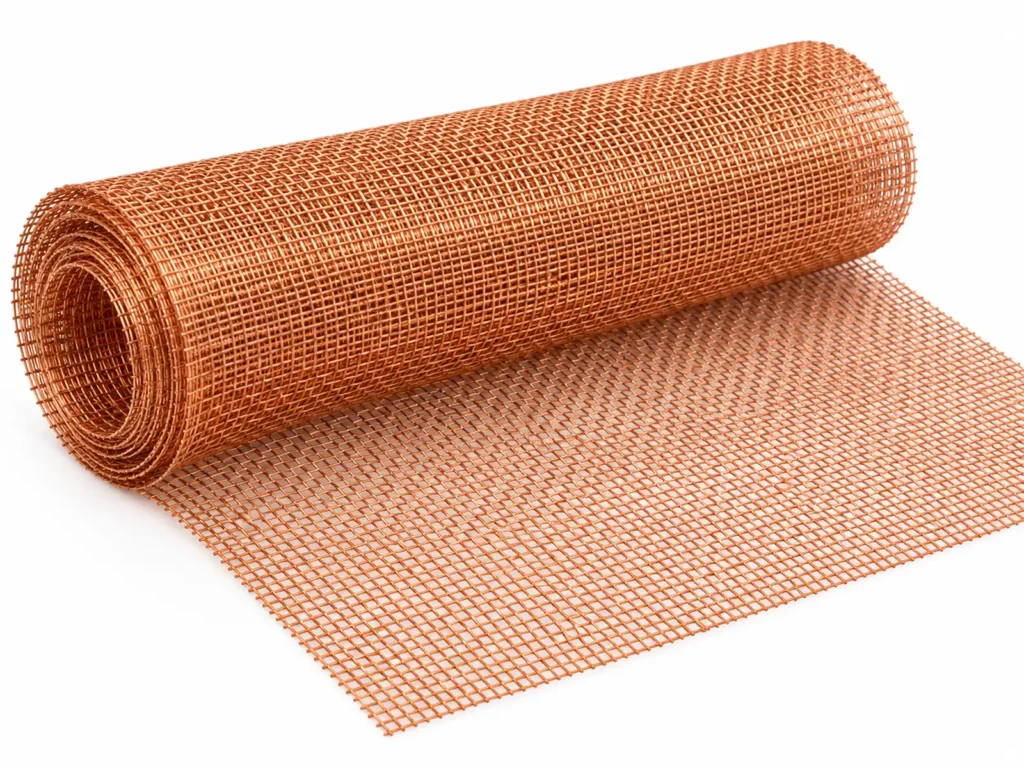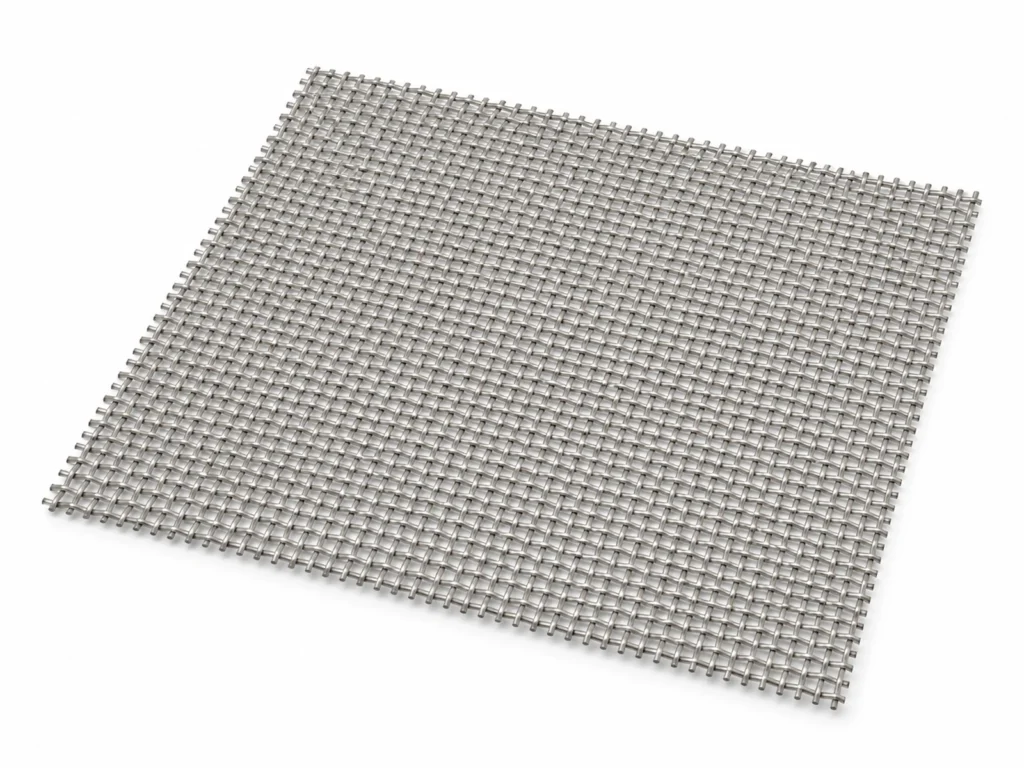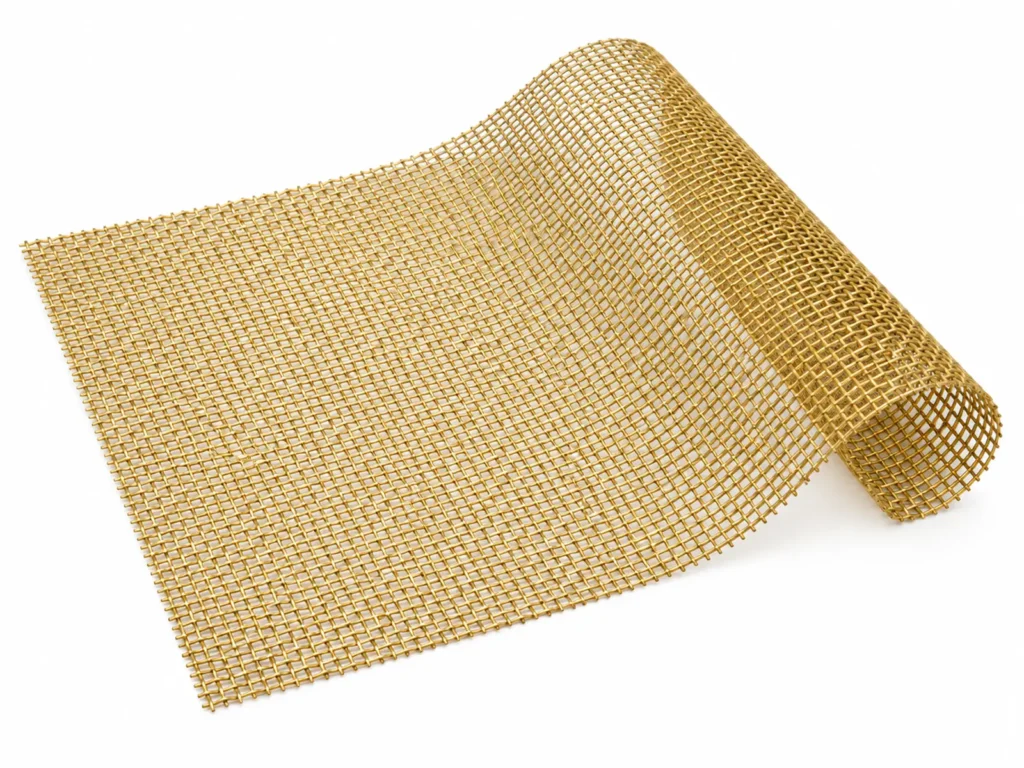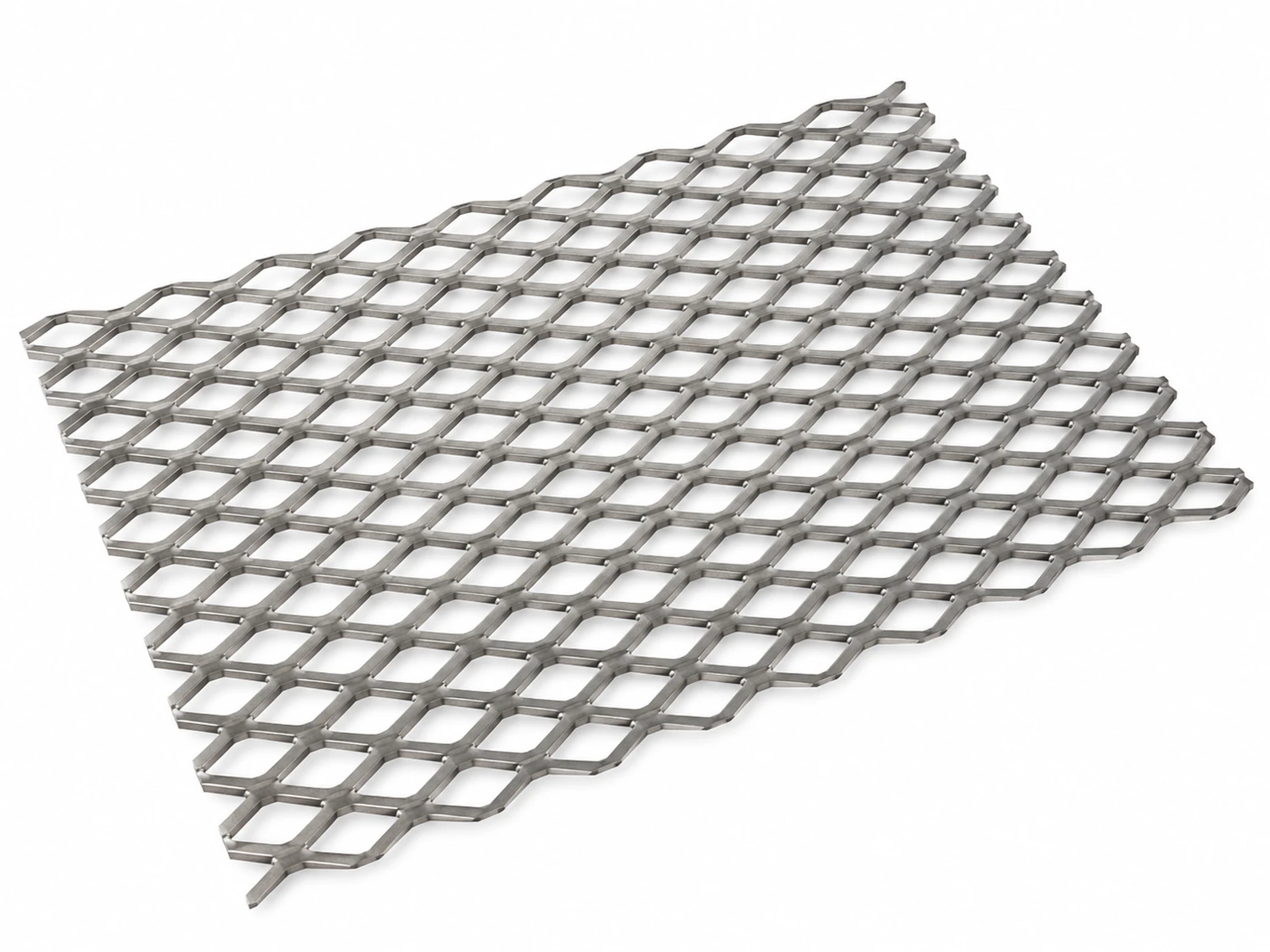
Titanium Mesh & Expanded Titanium (ASTM B265 / ASTM F67) is specified where the duty calls for building electrodes, anodes, current collectors and corrosion-proof screens from expanded and woven titanium mesh. The sections below cover the typical end-uses by industry, the mesh, micron and material decisions for each, installation practice, and the applications this product type is not suited to.
Typical Applications for Titanium Mesh & Expanded Titanium
Where Titanium Mesh & Expanded Titanium is specified and bought:
- Electrolysis & hydrogen: anode and cathode substrates and porous transport layers.
- Electroplating: platinized and MMO-coated titanium anodes.
- Chlorine & water treatment: anodes for electro-chlorination.
- Medical & marine: implants and seawater-resistant screens.
How to Specify Titanium Mesh & Expanded Titanium for Your Application
- Form: Expanded titanium for rigidity, woven titanium for fine openings.
- Grade: Gr1 for forming and electrodes, Gr2 for strength.
- Coating: Bare, platinized, or MMO (iridium/ruthenium) for anode duty.
- Standard: Quote ASTM B265 / ASTM F67 and the size designation from the table on the product page, plus any value you changed in the technical drawing.
Handling & Installation Practice
- Degrease and acid-etch before coating so the coating bonds.
- Weld only under argon to avoid embrittlement.
Common Selection Mistakes with Titanium Mesh & Expanded Titanium
- Welding in air, which makes joints brittle.
- Using bare titanium as an anode, which passivates.
Where Titanium Mesh & Expanded Titanium Is Not the Right Choice
Not for hydrofluoric acid or dry chlorine gas, which attack titanium.