Skip to content

Woven Wire Mesh · ASTM E2016 / ISO 9044 · Application guide

What Is Copper Wire Mesh Used For?

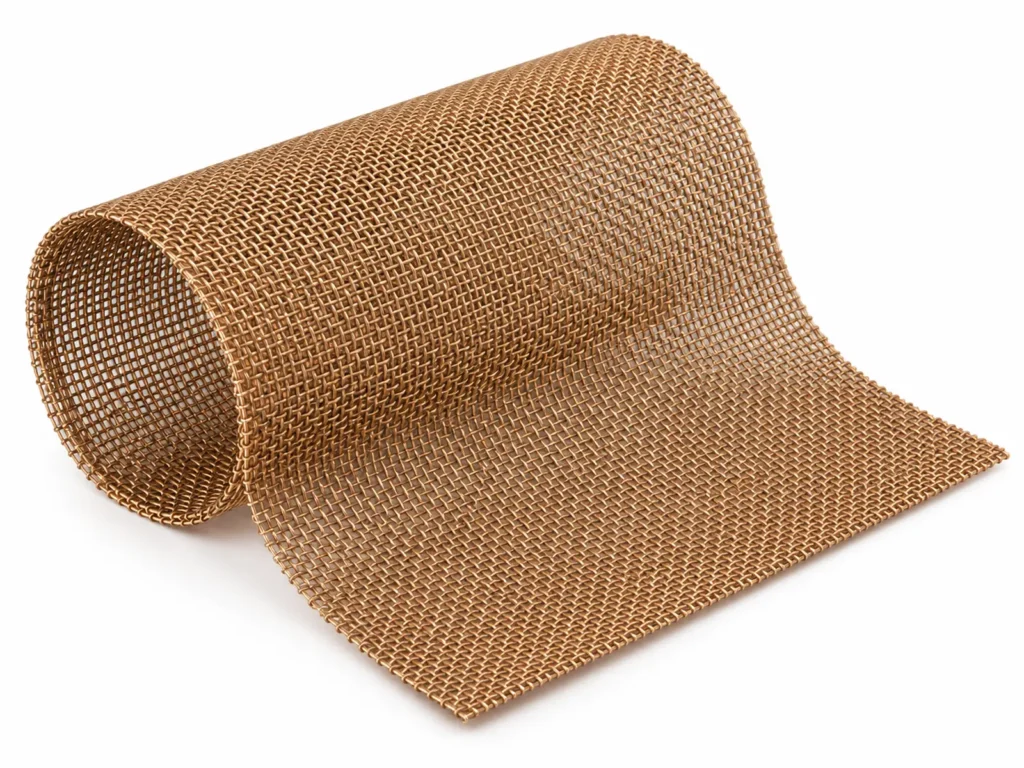
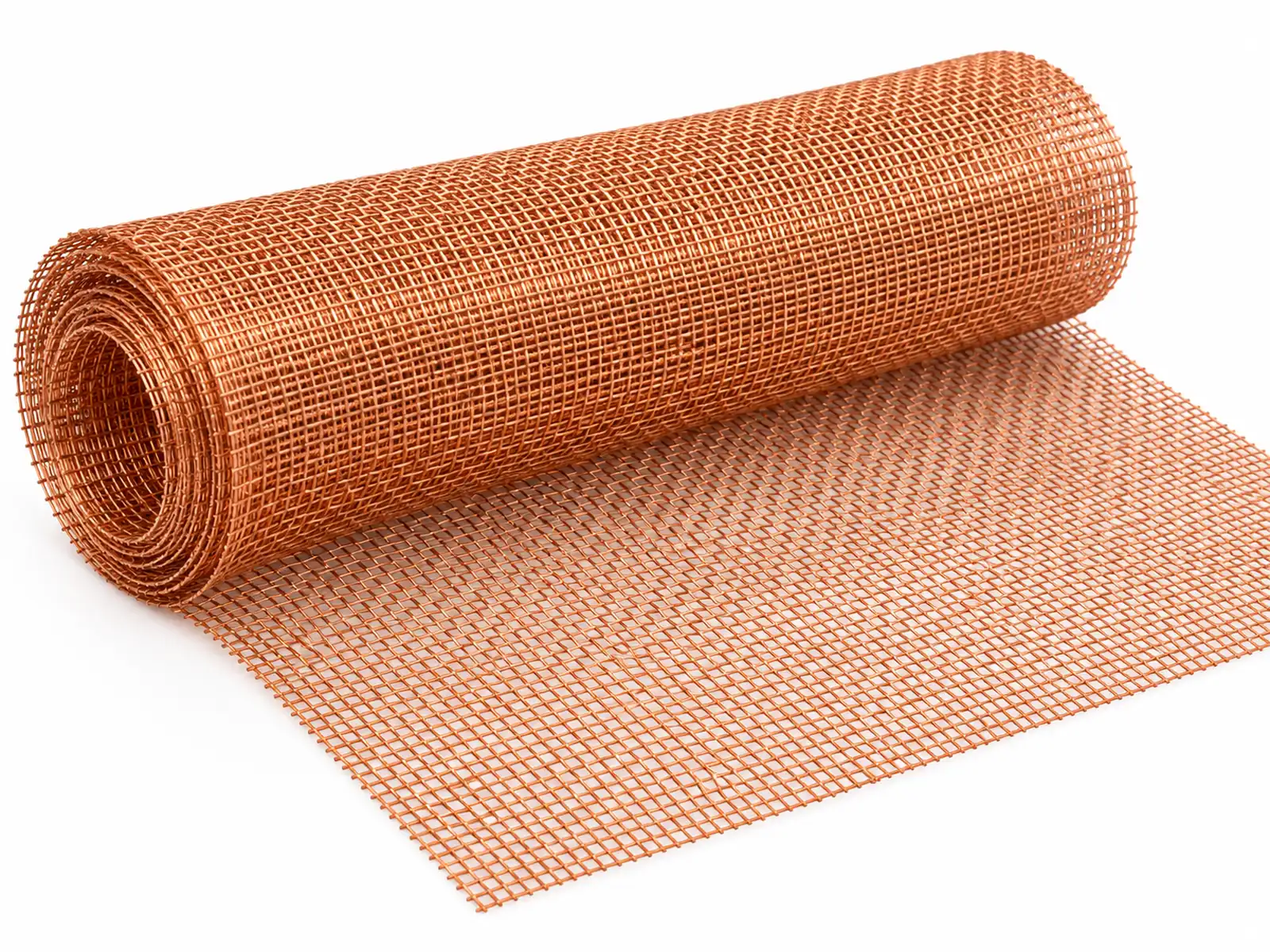
A roll of bright woven pure copper wire mesh partially unrolled on a light workbench, showing the fine square weave

Copper Wire Mesh is selected when an assembly or process calls for conducting, shielding and screening with woven pure copper cloth — the go-to metal mesh for RF shielding, grounding grids, battery and electrochemical work and copper-specific screening. This application guide to the ASTM E2016 / ISO 9044 type covers concrete end-uses, the specification checklist, correct installation, and where an alternative mesh or filter medium performs better.

Typical Applications for Copper Wire Mesh

Where Copper Wire Mesh is specified and bought:

  • EMI / RF shielding: shielded enclosures, cable windows and test-fixture lids where conductivity matters most.
  • Electrochemistry & batteries: current collectors, electrodes and electroplating anodes baskets in lab and pilot cells.
  • Architecture & interiors: warm-toned copper screens that patina naturally over time.
  • Gardening & pest control: copper barriers that slugs and snails will not cross.

How to Specify Copper Wire Mesh for Your Application

  • Mesh & wire: Finer mesh with heavier wire improves high-frequency shielding; coarser, thinner wire keeps it flexible and light.
  • Purity: C11000 ETP (99.9 % Cu) for conductivity; specify C10200 oxygen-free where it will be brazed or used in hydrogen.
  • Temper & finish: Soft annealed for forming around frames; bright or tinned to slow tarnish on contact faces.
  • Standard: Quote ASTM E2016 / ISO 9044 and the size designation from the table on the product page, plus any value you changed in the technical drawing.

Handling & Installation Practice

  • Handle with gloves; skin oils start tarnish spots that raise contact resistance on shielding seams.
  • Bond seams by soldering or with conductive gasket — a mechanical overlap alone leaks RF.

Common Selection Mistakes with Copper Wire Mesh

  • Pairing copper mesh with an aluminum frame in damp service without isolation, so the aluminum corrodes galvanically.
  • Using copper in ammonia, acetylene or sulfide-bearing environments, which attack it.

Where Copper Wire Mesh Is Not the Right Choice

Not a structural mesh and not suitable for drinking water, ammonia or acidic process streams — choose stainless steel there.
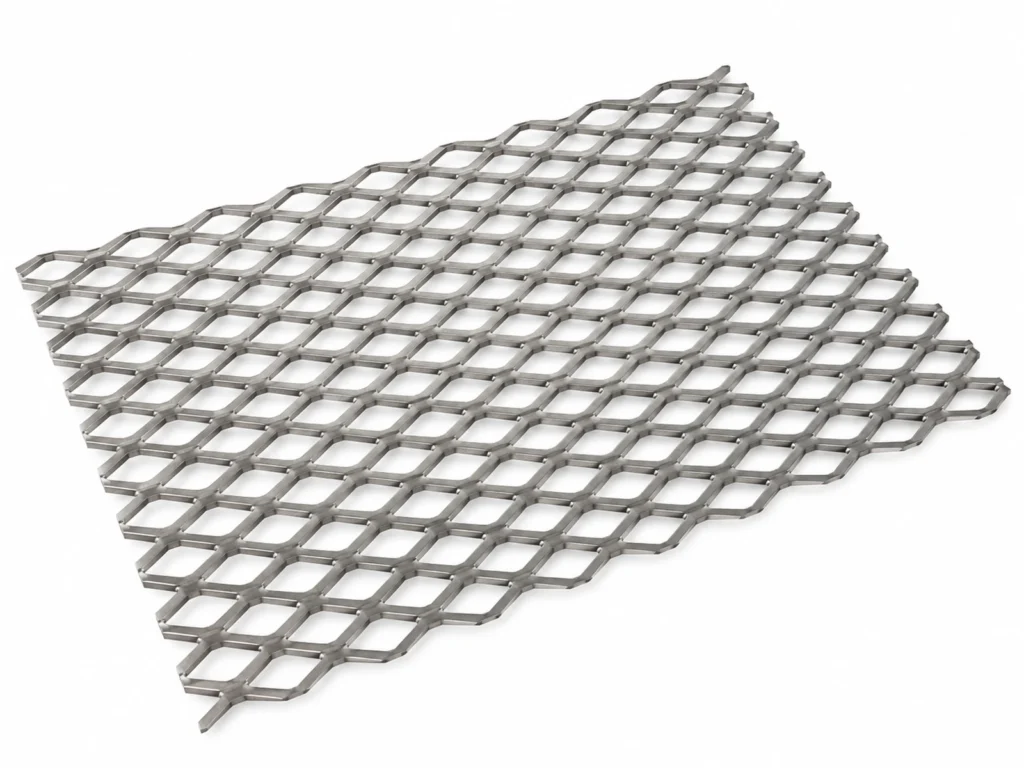
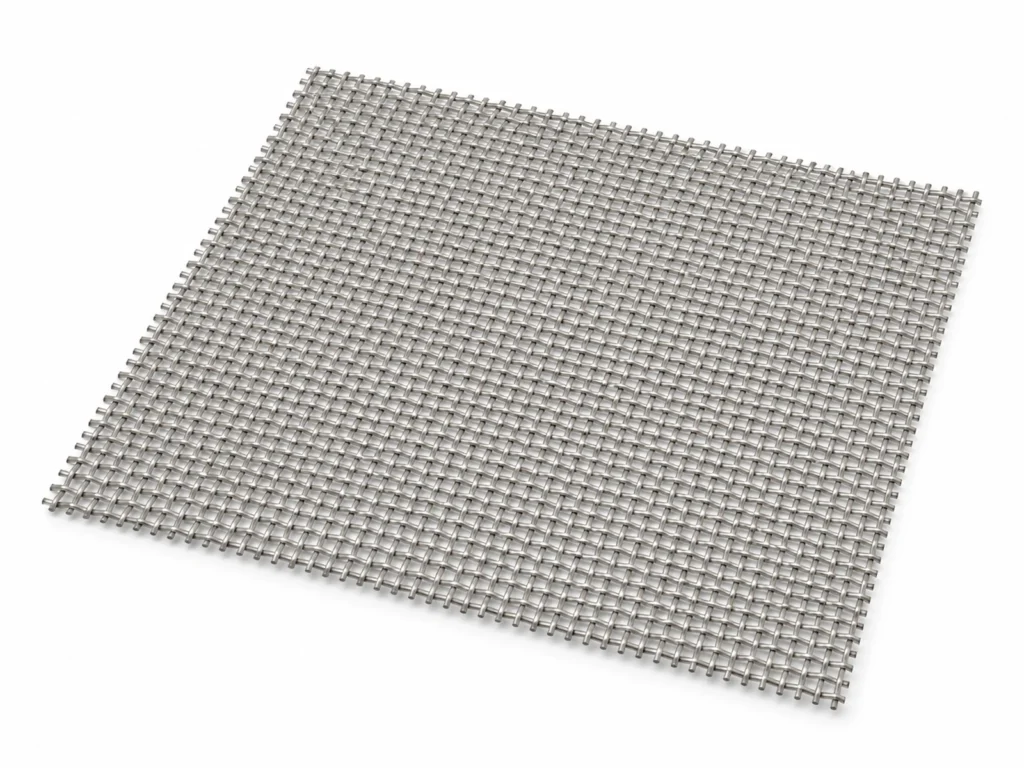
If This Construction Is Not the Right Fit

Closely related mesh types for the same duty — compare open area, aperture range and cleanability before you commit.

Technical Drawing

Customize the parameters below — every spec field is editable, and the drawing redraws to match the values you choose. Changing the size will snap the other fields to that size's standard values; you can then override any individual value.

Sends the selected values to the quote form below.

Request a Quote

Set the size and options in the drawing above, then send the exact configuration straight to this form.

Request a Quotation

Specification
Business Information

Dimensions & Specifications (ASTM E2016 / ISO 9044)

Mesh countWire diameter (mm)Aperture (mm)Micron rating (u00b5m)Open area (%)Alloy
16-Mesh0.2801.308130867.6C11000 ETP copper
22-Mesh0.1151.040104081.0C11000 ETP copper
40-Mesh0.2500.38538536.8C11000 ETP copper
60-Mesh0.1100.31331355.0C11000 ETP copper
100-Mesh0.1100.14414432.0C11000 ETP copper
150-Mesh0.0660.10310337.2C11000 ETP copper

Frequently Asked Questions

What is Copper Wire Mesh used for?

Conducting, shielding and screening with woven pure copper cloth — the go-to metal mesh for RF shielding, grounding grids, battery and electrochemical work and copper-specific screening.

What is copper wire mesh used for?

Mostly RF/EMI shielding and Faraday cages, grounding, electrochemistry and battery work, architectural screens and slug barriers.

Does copper mesh rust?

Copper does not rust; it tarnishes and forms a green-brown patina that protects the metal underneath.

Copper or galvanized mesh for shielding?

Copper conducts about six times better and is easier to solder, so it shields more at the same mesh count; galvanized steel is cheaper and stronger.

Can I get a quote for Copper Wire Mesh to my own drawing?

Yes. Set the size and any custom value in the technical drawing on the product page and send it with the quote form; we reply within one business day.